Book Your Appointment


    Schedule An AppointmentClick Here
    phone-icon
    Quick EnquiryClick Now
    doctor-icon
    Contact UsIt's so fast
    phone-icon
    Live Tele ConsultationsSchedule It For Free

    Stem Cell Treatment for Global Developmental Delay

    Stem Cell Treatment for Global Developmental Delay

    Key Takeaways

    • 01: Global Development Delay impacts a child’s ability to learn, move, communicate, and behave socially. Stem cell therapy is emerging as an alternative treatment method alongside other types of therapy such as speech, physiotherapy, and occupational therapies. The treatment is preferred in India due to affordability and the speed at which treatment begins in comparison to other countries.
    • 02: Stem Cell Care India strives to provide customized treatment tailored to the individual condition of the child. The patient will be thoroughly examined by doctors before proceeding to formulate a specific treatment plan and additional therapies. The parents will also be provided with assistance throughout the entire process in plain language.
    • 03: The results from stem cell therapy may vary between different children. Some children may show positive signs in their language skills, eye contact, concentration, motor skills, and behavior while some others may require more time to improve.
    • 04: It is extremely important to get parental support, timely therapy, proper nutrition, consistent therapies, and appropriate follow-ups due to the fact that minor developments can lead to a much better quality of life for the children.

    There have been several medical cases in the past few years and those cases are of global developmental delays. This medical condition refers to that situation in which a child can’t develop certain things such as motor skills, speech, cognitive skills, and social & emotional development. Typically, these delays are observed in children under the age of five. These developmental milestones are known to various growth stages and abilities that most of the children can easily reach at a specific age, including walking, talking, and interaction with others.

    One or more areas of development can be impacted by this medical condition. It is important to know that the pace of growth of your children is good and normal. However, if you ever witness the delay in developmental milestones, then they might be suffering from GDD. For example, A child who gets difficulty in learning to walk, sit, crawl or understand any language can be the signs of GDD.

    Early intervention of global developmental delays is very important to get a better treatment to treat this disorder. In early intervention programs, the affected children and their families get exceptional support and resources which help them to improve developmental outcomes. Doctors will add various things in the program such as physical therapy, speech therapy, and special education service according to the child’s needs

    The main role who plays in the improvement of a child’s development is their parents and caregivers. The environment they provide is very supportive and stimulating that encourages the efforts of the child. The treatment process might be slow but the parent should know that it takes consistency to get the best result because each step towards a healthy life is an achievement in itself. A better treatment can change your child’s life and save them from this medical disorder.

    Global developmental delta can affect the various sectors of your body such as motor skills, speech and language, cognitive abilities, and emotional skills. It might take longer to learn to walk, talk, or interact with others for those children who are suffering from this condition. The effects of GDD may not be experienced in the early days  but can be noticeable in a few years of life. This can be caused due to several factors such as genetic disorder, prenatal and perinatal complications, infections, and environmental influences. Find out the symptoms in its early stage can help childrens to achieve their full potential. Early diagnosis can help the patient to know about the condition of the GDD to get a suitable treatment before it gets worse. An Individual may experience various symptoms which are:

    1. Motor Skills
    • Delayed sitting, crawling, or walking.
    • Poor coordination and balance.
    • Difficulty with fine motor tasks like holding a spoon or picking up small objects.


    1. Speech and Language
    • Limited vocabulary for their age.
    • Difficulty forming sentences.
    • Trouble understanding and following instructions.


    1. Cognitive Skills
    • Difficulty solving problems or understanding concepts.
    • Slow to learn new skills and information.
    • Challenges with memory and attention.


    1. Social and Emotional Skills
    • Difficulty interacting with peers.
    • Limited interest in playing with others.
    • Trouble expressing emotions appropriately.


    1. Adaptive Skills
    • Challenges with daily activities like dressing, feeding, or toileting.
    • Difficulty adapting to changes in routine.
    • Dependence on caregivers for age-appropriate tasks.

    Parents and caregivers should seek professional help if they notice any of these symptoms to provide the necessary support and resources.

    A medical condition which is known as global developmental delay can be shown in children. The effects of this condition can be witnessed significantly. Children get difficulty in various areas and it can be identified around 5 year of age. There are different types of GDD which include motor skills delays, speech and language delay, cognitive delay, and many more. We discuss all the types in this section. You have to know how many types there are and which one your cold is suffering from. Let’s take a deep breath and read the information we provide. The types of GDD are as follows:

    • Motor Skills Delay: Difficulty with movement and coordination, such as sitting, crawling, walking, or using hands effectively.
    • Speech and Language Delay: Challenges with understanding and using language, including difficulties with speaking, listening, and communicating effectively.
    • Cognitive Delay: Problems with thinking skills, such as learning, reasoning, problem-solving, and memory.
    • Social and Emotional Delay: Difficulties in interacting with others, understanding social cues, managing emotions, and forming relationships.
    • Fine Motor Delay: Trouble with small movements, particularly with hands and fingers, which affects activities like writing, buttoning clothes, or using utensils.
    • Gross Motor Delay: Issues with larger movements involving arms, legs, or the whole body, impacting activities like running, jumping, or balancing.
    • Adaptive Skills Delay: Struggles with daily living skills, such as dressing, feeding, or personal hygiene.
    • Sensory Processing Delay: Challenges in receiving and responding to sensory information, which can affect how a child experiences touch, sound, sight, and movement.

    You can say that the causes are different and easily categorized into factors such as genetic, environmental, and other factors. If you know the cause of the GDD, then it will help you while taking the treatment. The identification of causes will assist to get the appropriate interventions and support which helps the patient to get better. Children who are suffering from GDD can experience various challenges such as difficulties with coordination and movement, delays in learning or speaking, problems with memory and attention, etc. Due to these delays a child can get problems in doing daily activities and interacting with others. Many of the patients can get over from the delays while others can get difficulties till their adulthood. Recognizing the cause of GDD can make the treatment easier and effective. Below we mentioned some cause according to their categories: 

    1. Genetic Factors:
    • Chromosomal Abnormalities: Conditions like Down syndrome and fragile X syndrome can cause GDD.
    • Inherited Metabolic Disorders: Disorders such as phenylketonuria (PKU) and Tay-Sachs disease can affect brain development.
    • Genetic Mutations: Mutations in specific genes can lead to developmental delays.


    1. Prenatal Factors:
    • Maternal Infections: Infections such as rubella, cytomegalovirus, and toxoplasmosis during pregnancy can harm the developing fetus.
    • Exposure to Toxins: Maternal use of alcohol, drugs, or exposure to environmental toxins can affect fetal brain development.
    • Poor Nutrition: Lack of essential nutrients during pregnancy can lead to developmental issues.


    1. Perinatal Factors:
    • Premature Birth: Babies born prematurely are at higher risk for developmental delays.
    • Birth Complications: Complications such as lack of oxygen (hypoxia) during birth can cause brain damage.
    • Low Birth Weight: Babies with low birth weight are more susceptible to developmental delays.


    1. Postnatal Factors:
    • Infections: Severe infections like meningitis and encephalitis can cause brain damage and developmental delays.
    • Head Injuries: Traumatic brain injuries can impact cognitive and motor development.
    • Environmental Deprivation: Lack of stimulation, neglect, or abuse can lead to delays in development.


    1. Other Factors:
    • Chronic Health Issues: Conditions such as epilepsy and chronic illnesses can affect development.
    • Psychosocial Factors: Family stress, mental health issues in parents, and socio-economic disadvantages can contribute to developmental delays.
    • Unidentified Causes: In some cases, the exact cause of GDD may remain unknown despite thorough medical evaluations.

    Global Developmental Delay (GDD) is typically diagnosed through a comprehensive assessment process conducted by healthcare professionals. This evaluation involves several key components to accurately identify and understand the child’s developmental status:

    • Developmental History: Gathering a detailed developmental history is crucial. This includes information about milestones such as sitting, crawling, walking, and language development. Parents or caregivers are essential sources of this information, providing insights into the child’s early development and any concerns observed over time.
    • Physical Examination: A thorough physical examination is conducted to rule out any physical conditions or syndromes that may be contributing to the developmental delay. This involves checking for signs of neurological abnormalities, genetic disorders, or other medical conditions that could affect development.
    • Developmental Assessment Tools: Standardized developmental assessment tools are used to evaluate the child’s skills across various domains such as gross motor, fine motor, language, cognitive, and social-emotional development. These tools provide quantitative data that helps in comparing the child’s development with typically developing peers of the same age.
    • Psychological Evaluation: In some cases, a psychological evaluation may be recommended to assess cognitive abilities, adaptive functioning, and behavior. This evaluation helps in understanding the child’s strengths and weaknesses in different areas of development.
    • Genetic Testing: Depending on the clinical presentation and findings, genetic testing may be suggested to identify any underlying genetic causes of the developmental delay. This can include chromosomal microarray analysis or specific genetic tests to detect known genetic disorders associated with developmental delays.
    • Laboratory Tests: Certain laboratory tests such as metabolic screening or tests for lead exposure may be conducted to rule out underlying medical conditions that could contribute to developmental delays.
    • Multidisciplinary Approach: Diagnosis often involves collaboration among various healthcare professionals including pediatricians, neurologists, psychologists, speech therapists, occupational therapists, and special educators. Each specialist contributes unique expertise to assess different aspects of the child’s development.
    • Observation and Parental Input: Direct observation of the child in different settings, such as at home or in preschool, provides valuable information about their behavior, interactions, and abilities. Parental input regarding the child’s daily routines, communication skills, and social interactions is also critical for a comprehensive assessment.

    Global developmental delays can occur in children of the age of 5 years and its symptoms visible at adulthood. It can be considered as a serious disorder which can affect many things such as motor skills, cognitive skills, and many more. You have to get the suitable treatment for GDD otherwise it will get worse. The best treatment option for this medical condition is stem cell therapy. This therapy utilizes the powerful and unique cells called stem cells. These cells can be derived from the patient’s own body and have the power of regeneration to replace the damaged cells and tissue with the new ones.

    Research says that mesenchymal stem cells (MSCs) are showing remarkable promise to treat this condition and support brain repair mechanisms. The procedure of treatment includes various steps. First of all, doctors derived these from bone marrow and adipose tissues. Then, they harvest these cells and transplant them into the patient. Stem cells attack the affected and replace the disease cells with new cells to perform recovery. The ability of stem cells is to differentiate into neurons and supportive cells to release the growth factors that stimulate the body’s natural repair process. After taking stem cell therapy, many individuals experience various improvements which include better motor skills and overall development. Stem cell therapy is a promising medical approach which provides effective results and improves the quality of life of the patient.

    Stem cell therapy is the best treatment for various medical conditions such as neurological disorders, eye disorders, and many more. The procedure must include 3 days which contains the admission process, therapy session, and many more.

    Day 1-

    • Pick up from the Airport to the Hospital
    • Interaction between Dr and Patient, to clear all their doubts at that time
    • Admission procedure
    • Clinical examination & Lab test will be done prescribed by the doctor
    • Supportive Therapy


    Day 2-

    • Stem cell Procedure
    • Supportive therapies
    • Physiotherapy


    Day 3-

    • Supportive Therapy
    • Physiotherapy
    • Discharging formalities
    • Drop back at the Airport


    Note:

    For Admission, carry the identity card (Passport/ Pan Card / Driving License)

    Carry the hard copy of Patient reports

    The implantation of stem cells is a promising approach in treating Global Developmental Delay (GDD). Stem cells, due to their ability to differentiate into various cell types, offer potential in repairing and regenerating damaged tissues. There are several methods of administering stem cells, each with unique benefits and considerations. The choice of method depends on the specific needs of the patient and the nature of the condition being treated.

    • Injecting stem cells straight into the bloodstream is known as intravenous administration. With this minimally invasive technique, stem cells can potentially travel to different parts of the body that are affected. Its simplicity and ease of administration make it widely used.
    • Stem cells are directly injected into the cerebrospinal fluid that surrounds the brain and spinal cord during intrathecal administration. Because this approach puts stem cells in close proximity to the central nervous system, it may increase their effectiveness in treating neurological conditions like GDD.
    • The process of intra-arterial administration entails directly injecting stem cells into the arteries. This process guarantees that particular organs or tissues receive a high concentration of stem cells. It can be especially useful for targeted treatment delivery in localised settings, which may lead to better results.
    • Stem cells are injected just beneath the skin during subcutaneous administration. This is a less intrusive technique that can be applied to target areas locally. It frequently works best when combined with other therapies to increase overall efficacy.
    • Stem cells are injected intramuscularly, directly into the muscle tissue. This technique offers a simple way to deliver stem cells and may be helpful in treating problems pertaining to the muscles. It is simple to use and less intrusive than some other techniques.

    Q1. What is global developmental delay (GDD)?

    Answer: Global developmental delay (GDD) refers to a condition in which a child experiences significant delays in achieving developmental milestones across multiple areas, such as motor skills, speech and language, cognitive abilities, and social and emotional development.


    Q2. How does stem cell therapy work for GDD?

    Answer: Stem cell therapy works by utilizing the regenerative potential of stem cells to repair and regenerate damaged or underdeveloped neural tissues. The therapy promotes neurogenesis, enhances synaptic plasticity, reduces inflammation, provides trophic support, modulates the immune response, and repairs the blood-brain barrier, collectively improving neurological function and development.


    Q3. What types of stem cells are used in the treatment of GDD? 

    Answer: Various types of stem cells can be used, including mesenchymal stem cells (MSCs) derived from bone marrow, adipose tissue, or umbilical cord tissue, as well as neural stem cells. The choice depends on the specific treatment protocol and the source availability.


    Q4. Is stem cell therapy safe for children with GDD?

    Answer: Stem cell therapy is generally considered safe, especially when using autologous stem cells (derived from the patient’s own body), which minimizes the risk of rejection and complications. However, as with any medical treatment, there are risks involved, and it is important to discuss these with a healthcare provider and ensure the procedure is performed by a qualified medical team.


    Q5. What improvements can be expected after stem cell therapy for GDD?

    Answer: Patients may experience improvements in cognitive function, motor skills, speech and language abilities, social interactions, behavioral patterns, and adaptive skills. These enhancements can lead to better academic performance, greater independence in daily activities, and improved overall quality of life. However, the extent of improvement can vary based on individual circumstances and the severity of the developmental delay.

    After stem cell treatment for global developmental delay (GDD), patients may experience a number of improvements: Given are some of the improvements after stem cell treatment:

    • Enhanced Cognitive Function: Improvements in memory, attention, and problem-solving skills, leading to better academic performance and daily functioning.
    • Motor Skill Development: Gains in both fine and gross motor skills, including improved coordination, balance, and the ability to perform complex movements.
    • Speech and Language: Enhanced speech clarity, vocabulary expansion, and better comprehension, facilitating more effective communication.
    • Social Interaction: Increased ability to engage in social activities, make friends, and exhibit appropriate social behaviors.
    • Behavioral Improvements: Reduction in disruptive behaviors and increased ability to follow instructions and adhere to routines.
    • Adaptive Skills: Better self-care abilities, such as dressing, feeding, and personal hygiene, promoting greater independence.

    Stem cell therapy for global developmental delay (GDD) operates through a number of key mechanisms that collectively aim to restore and enhance neurological function:

    • Neurogenesis: Stem cells have the ability to differentiate into various types of neural cells, including neurons and glial cells. This differentiation can replenish damaged or lost neurons, thus promoting the growth of new neural networks essential for cognitive and motor functions.
    • Synaptic Plasticity: Stem cells can enhance synaptic plasticity, the brain’s ability to form and reorganize synaptic connections in response to learning and experience. This is crucial for improving learning, memory, and other cognitive abilities in children with GDD.
    • Anti-inflammatory Effects: Stem cells release anti-inflammatory cytokines that reduce inflammation in the brain. Chronic neuroinflammation is often linked to neurodevelopmental disorders, and its reduction can help protect existing neurons and support a healthier neural environment.
    • Trophic Support: Stem cells secrete a variety of growth factors and neurotrophic factors, such as brain-derived neurotrophic factor (BDNF) and glial cell-derived neurotrophic factor (GDNF). These factors support neuron survival, differentiation, and growth, aiding in the repair and regeneration of neural tissues.
    • Modulation of the Immune Response: Stem cells can modulate the immune response, preventing the immune system from attacking the brain’s own cells. This immunomodulation helps in creating a more favorable environment for brain repair and regeneration.
    • Blood-Brain Barrier Repair: Stem cells can also help repair the blood-brain barrier, which is often compromised in neurodevelopmental disorders. A healthy blood-brain barrier is essential for maintaining the brain’s internal environment and protecting it from harmful substances.

    Each child deserves a fair opportunity to develop and learn in his or her own unique way. This is where Stem Cell Care India comes in with our  . It must be understood that this process may be quite difficult for the parent as well as the child.

    At Stem Cell Care India, we do our best to help you throughout the process. Our goal is to provide a treatment process that is both safe and beneficial, even the smallest improvement counts. Trust and patience are vital during this process.

    How Stem Cell Care India Fulfills Its Promise?

    Keeping a promise involves showing sincere concern rather than just uttering empty words. Stem Cell Care India gives their sincere efforts to provide treatment for children suffering from global developmental delay and their parents as well. Their emphasis is on providing accurate guidance, proper treatment, and honesty for gaining trust and comfort among parents.

    • We first conduct a thorough assessment of the child’s condition.
    • Every child is provided with individual treatment depending on his/her requirements.
    • Experienced doctors along with the sincere staff treat every case.
    • Our global developmental delay stem cell treatment in India is carried out using advanced techniques.
    • Parents are provided with adequate guidance and information about everything in simple words.
    • We also maintain proper follow-up throughout the process.

    Stem Cell Care India always strives to provide their sincere efforts. They feel that even small steps make way for large achievements in the child’s future.

    Many patients have concerns regarding cost while searching for treatment options. We provide affordable stem cell treatment for global developmental delay in India that takes into consideration both care and treatment. Our aim is to offer our services at low costs, so that more individuals can take advantage of it.

    Cost can depend on the status of the child, tests needed, and length of stay, among other factors. However, we make sure that all information about costs is provided prior to the commencement of treatment. This is because we know that the process can be hard for many individuals, and we assist in expense planning, too.

    Factors That Fluctuates the Cost of the Treatment

    • Condition of Patient: Each case is unique. The level of severity of global developmental delay could determine the number of treatment cycles required, which could mean higher or lower costs.
    • Number of Stem Cell Treatments: Patients might require one or multiple sessions of treatment. Higher frequency increases overall cost.
    • Sources of Stem Cells: Various sources could affect the price, depending on the type and method used to extract the stem cells.
    • Length of Hospitalization: Time spent within a hospital or rehabilitation facility will increase the total cost incurred by the patient.
    • Prenatal Tests: Tests conducted before the procedure include MRIs, blood tests, and others that increase overall cost.
    • Post-Treatment Physical Therapy: Physical therapy and others could affect total costs incurred by patients during treatment.
    • Doctors’ Experience and Facilities: Doctors’ experience and facilities increase overall costs but improve chances of success and safety.
    • Travel Expenses: In most cases, out-of-state patients incur additional expenses in terms of accommodation and transportation.

    Nowadays many parents are hearing about stem cell therapy for global developmental delay in India as a possible option. There are some children who have seen improvements in their communication, focus, and physical movement, but the success rate is not uniform for everyone.

    This depends upon the condition of the child, their age, and the timing of the treatment process. There are instances where there is no quick change, and other forms of treatment must be used in addition. The scientific community is still doing research on this topic, hence it is not completely proven nor guaranteed to be a cure.

    Factors That Fluctuates Success Rate

    • Age of the child is a determining factor. Young children respond more positively as their brains are rapidly developing.
    • The severity of the problem affects recovery. Children with mild symptoms have better chances for positive results.
    • Timing of treatment is another crucial aspect. Starting early provides better results than when treatment is started late.
    • The state of health of a child determines recovery. It is vital that a child does not suffer from illnesses or malnutrition.
    • Quality of a clinic and skills of doctors play an essential role. Treatment centers differ in quality of care.
    • How often a patient undergoes sessions influences results significantly. A one-time treatment usually does not yield results.
    • Other therapies like speech, occupational, and physiotherapy positively affect recovery.
    • Genetics and biological characteristics of a child determine the body’s reaction to the treatment.
    • Participation of parents and continuous care at home influence treatment outcomes.
    • Science is actively researching this field. So new developments will alter current treatment in the future.

    Stem cell treatment provides advantages for children with global developmental delay (GDD):

    1. Potential for Neurological Repair

    Stem cell treatment offers the potential to repair and regenerate damaged neural tissues, which is critical in addressing the underlying causes of global developmental delay (GDD). Stem cells can differentiate into various cell types, including neurons and glial cells, facilitating the repair of damaged brain areas. This can lead to improved cognitive and motor functions.


    1. Personalized Treatment Approaches

    Stem cell therapies can be tailored to the individual needs of each patient. By using the patient’s own cells (autologous transplantation) or compatible donor cells, the risk of immune rejection is minimized, and the treatment can be customized to address specific developmental challenges faced by the individual.


    1. Reduced Risk of Adverse Reactions

    Compared to traditional drug treatments, stem cell therapy may present fewer side effects. Since stem cells used in autologous transplants are derived from the patient’s own body, there is a reduced risk of adverse immune reactions, making the treatment safer and more tolerable, especially for children.


    1. Long-term Benefits

    Stem cell therapy aims to address the root causes of developmental delays rather than just managing symptoms. By promoting the repair and regeneration of neural tissues, stem cell treatments can lead to long-term improvements in cognitive, motor, and social skills, potentially reducing the need for ongoing therapies and interventions.


    1. Advancements in Research

    Continuous advancements in stem cell research contribute to the development of more effective and efficient treatments. Innovations in stem cell technology, such as the use of induced pluripotent stem cells (iPSCs), provide new avenues for developing personalized therapies that could offer significant improvements in the management of GDD.


    1. Holistic Improvement

    Stem cell treatments have the potential to improve overall brain function, which can translate into enhanced learning abilities, better social interactions, and improved quality of life for patients. By targeting multiple aspects of brain function, stem cell therapy can provide a more holistic improvement in developmental outcomes.


    1. Support for Multidisciplinary Approaches

    Stem cell therapy can complement other therapeutic approaches such as physical therapy, occupational therapy, and special education programs. The combined effect of these therapies can lead to more comprehensive and sustained improvements in developmental milestones.

    Quality control is paramount in stem cell therapy for global developmental delay (GDD) to ensure the safety, efficacy, and reproducibility of treatments. Here are key aspects of quality control in this context:

    1. Source and Type of Stem Cells
    • Selection of Stem Cells: Quality starts with choosing the right type of stem cells, such as mesenchymal stem cells (MSCs) from bone marrow, adipose tissue, or umbilical cord tissue, and ensuring they are appropriate for treating GDD.
    • Donor Screening: If using allogeneic stem cells (from a donor), comprehensive screening is essential to prevent transmission of infectious diseases and ensure compatibility.


    1. Stem Cell Isolation and Cultivation
    • Sterile Processing: Isolation and cultivation of stem cells must occur in a sterile environment to prevent contamination. Good Manufacturing Practices (GMP) are followed to maintain sterility and quality.
    • Quality of Culture Media: The culture media used to grow stem cells should be of the highest quality, free from contaminants, and capable of supporting healthy cell growth.
    • Consistency and Potency: Regular testing of cell batches is crucial to ensure that the stem cells maintain their potency and consistency across treatments.


    1. Characterization and Testing
    • Cell Identity Verification: Techniques like flow cytometry are used to confirm the identity and purity of stem cells, ensuring they express the appropriate markers.
    • Genetic Stability: Genetic testing ensures the stem cells do not have mutations or chromosomal abnormalities that could pose risks.
    • Functionality Tests: Functional assays, such as differentiation potential tests, are conducted to ensure the cells can perform the necessary biological functions once administered.


    1. Preclinical and Clinical Validation
    • Preclinical Studies: Before clinical application, extensive preclinical studies in animal models help assess the safety and efficacy of the stem cells.
    • Clinical Trials: Rigorous clinical trials are conducted to evaluate the therapeutic benefits and monitor for any adverse effects, adhering to ethical standards and regulatory requirements.


    1. Regulatory Compliance
    • Adherence to Guidelines: Compliance with local and international regulatory guidelines, such as those from the FDA or EMA, is essential to ensure the therapy meets the highest standards.
    • Documentation and Traceability: Thorough documentation of all processes and the ability to trace each batch of stem cells from donor to patient are crucial for accountability and safety.


    1. Post-Treatment Monitoring
    • Patient Follow-Up: Continuous monitoring of patients post-treatment helps track the long-term effects and identify any late-onset issues.
    • Adverse Event Reporting: Any adverse events must be reported and analyzed promptly to refine treatment protocols and enhance safety.

    Global Developmental Delay can be described as a situation whereby the child will take more time to learn basics such as talking, walking, learning, remembering, and socializing. Nowadays, many Indian parents are on the lookout for alternative treatments since traditional therapies seem to make progress at a snail’s pace. It is because of this reason that most families prefer Global Developmental Delay stem cell treatment in India to assist their kids improve on their functional capabilities.

    1. This type of treatment works together with occupational therapy, speech therapy, and physiotherapy.
    1. According to doctors, combined treatment ensures more help in child development.
    1. Most children have been showing improvements ranging from mild to moderate in terms of making eye contact, attention span, sitting posture, as well as responsiveness to their parents’ presence.
    1. In some instances, speech development may be noted after a few months of stem cell therapy. The child may begin using words or communicating his needs in an improved manner.
    1. Improvement in social behavior was also noted by parents following Global Developmental Delay stem cell treatment in India. There may be improvements like a change in behavior from irritable to calm and increased activity. There may also be interest in playing with others.
    1. Some children may see improvements in muscle tone and motor skills. This will make it easier for them to walk, stand up straight, or perform other physical activities.
    1. The outcomes of stem cell treatment may vary among individuals. Improvements depend on the age of the child, degree of developmental delay, and early intervention.
    2. Pediatricians in India often observe the patient’s progress for several months following the procedure since changes occur gradually.

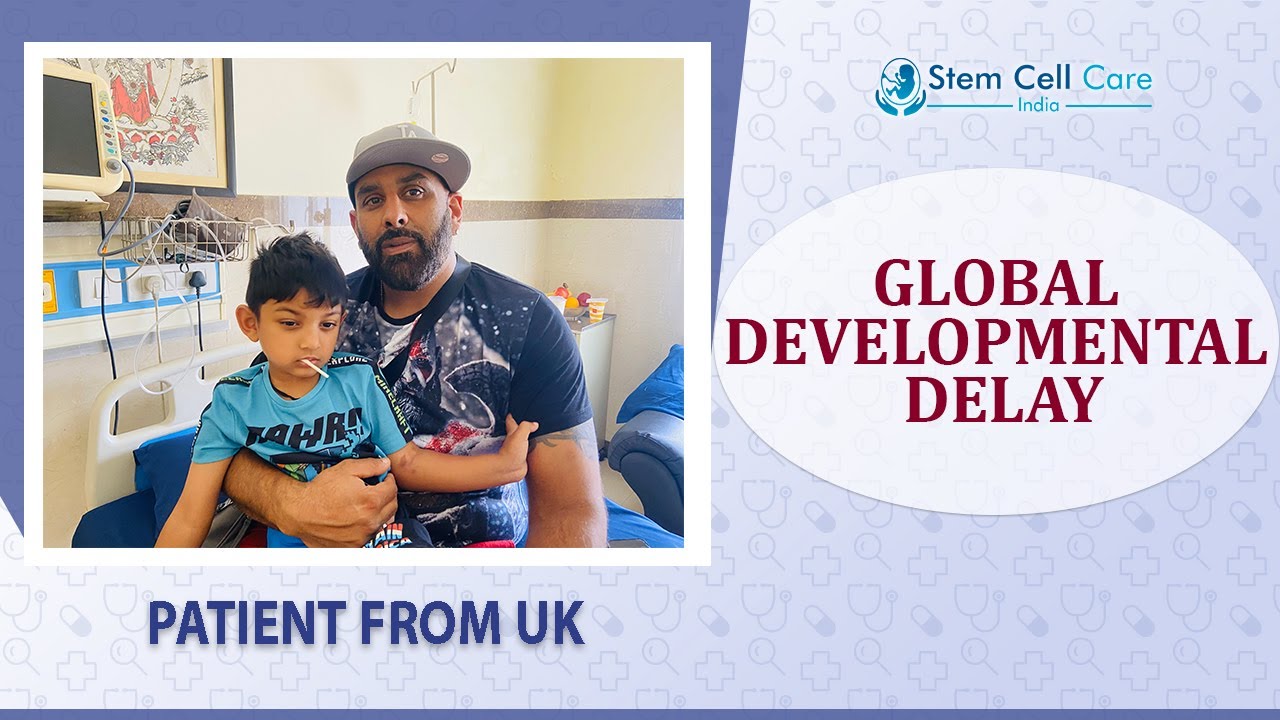
    My child was 4 years old when he was diagnosed with global developmental delay. Before the diagnosis, I noticed different changes in him like he started getting trouble while talking and doing anything. My wife and I ignored this the first time but when he got more difficult, then we thought of taking suggestions from our nearby clinic. Doctor told us that he was suffering from global developmental delays from the past months. The treatment they provide is not sufficient to treat the symptoms. So we decided to fly to India, where we learned about Stem Cell Care India. They are the best healthcare consultants in India. They suggest we give stem cell therapy to him and we do the same. The therapy went well and my child is now healthy. Thank you for your support. —Henry Edge, South Africa.
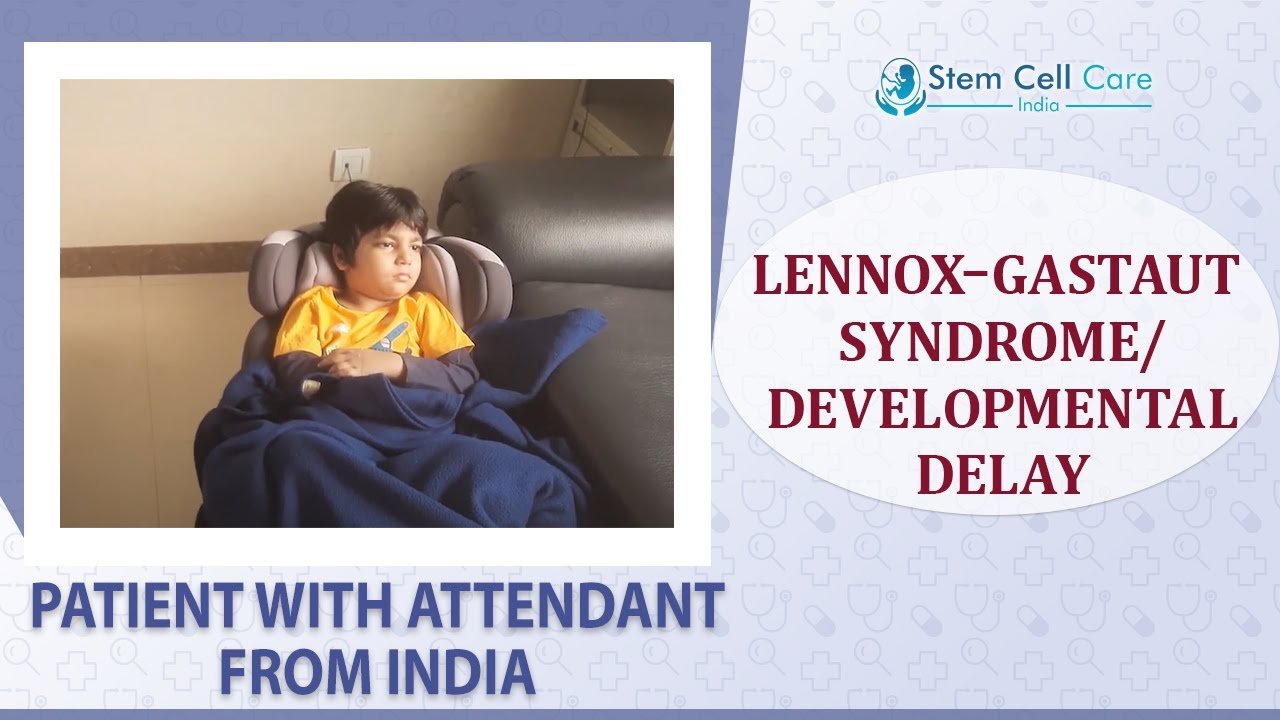
     

    Thanks to Stem Cell Care India to provide the best suggestion to take stem cell therapy. My child was suffering from global developmental delay when she was just 5 years old. She was getting problems with talking, and doing regular things. I took her to the doctor and he said that she had GDD which is a disease that can affect the child of this age group. I searched for every possible treatment then I found Stem Cell Care India. I talked to them and they told us to do stem cell therapy. Now, she is fit and living her quality life. — Samantha Georgia, Portugal.


    I highly recommend Stem Cell Care India for treating global developmental delay. Their expert consultation and advanced treatments have significantly improved my child’s developmental milestones. The professional and compassionate team provided personalized care, ensuring the best outcomes. I am deeply grateful for their dedication and expertise in helping my child achieve remarkable progress. — Shawn Lucas, Norway.
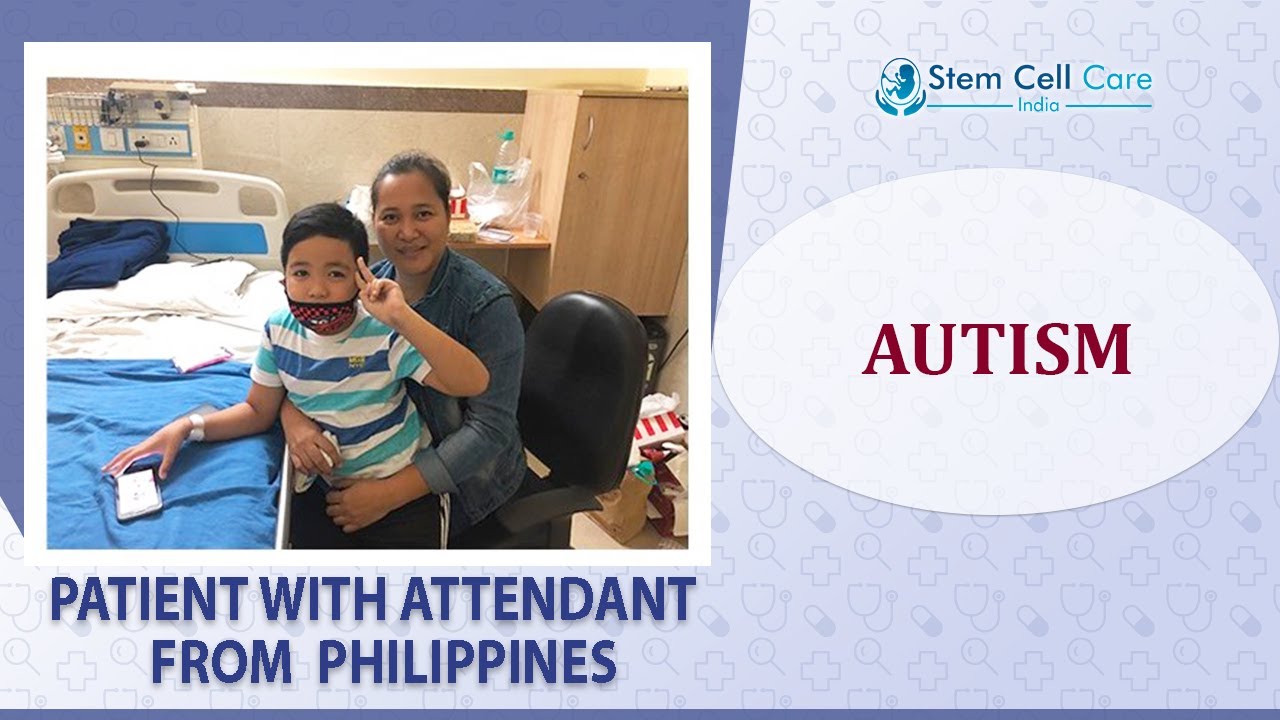
     

    We are immensely grateful to Stem Cell Care India for their exceptional consultation and treatment for our child’s global developmental delay. Their expertise, compassion, and advanced stem cell therapy have made a remarkable difference. We have seen significant improvements in our child’s development, bringing new hope and joy to our family. Highly recommend their services. — Shobha Luthra, India.
    While searching for a stem cell therapy treatment of Ataxia in India, the first thing that comes to one’s mind is reliability and trust. This is the reason why the quality certificate becomes an integral part of the process of treatment. At Global Stem Cell Care, we understand that need, therefore, take all necessary measures in order to provide the safe process of stem cell therapy.

    The quality certificate proves that the procedure of stem cell therapy is regulated and controlled. Our lab conditions, cell cultivation and process, as well as doctors’ supervision during the procedure, have been checked several times. We provide patients with monitoring and record keeping.

    The majority of patients are anxious and confused about stem cell treatment for Ataxia disease in India. With this certification, they will have more confidence since it reflects that we operate within the proper framework. This is more than a mere certification; it is our way of providing a reliable and efficient service.

    Apart from that, we constantly improve our procedures in accordance with the feedback provided by the patients and new developments in medicine. It is not only the treatment that matters, but also building up their confidence. Quality assurance remains one of the main priorities of Stem Cell Care India.

    After receiving stem cell treatment, there is one more thing you should make sure of. Patients see their doctors for check-ups during the progress follow-up to make sure their stem cell treatment is progressing as planned. The physician tracks the patient’s development and looks for any onset of adverse effects. A physician can perform a number of tests on you, such as MRIs and blood tests. These examinations will guarantee that the treatment is working. It is critical for patients to notify their physician of any new symptoms they observe. To support your faster recovery, doctors will prescribe various supportive therapies and physiotherapy. Keeping lines of communication open with the medical staff promotes the best possible results and permits necessary treatment modifications.

    Many medical conditions, including neurological disorders, eye disorders, liver disease, lung disease, infertility in women and men, and many more, can be effectively treated with stem cell therapy. This therapy shows positive results for many patients and that is why everyone is choosing this disease over conventional. The treatment is affordable and effective too. However, the success rate is not the same for everyone; it depends from person to person. Some patients experience long-term advantages. On the other hand, many of them are treated temporarily. Numerous researchers are working to make stem cell therapy an efficient strategy while it is still in the research stage. Stem cell therapy has not been proven to have any negative effects yet, but it is not quite ready

    Supportive therapies are essential in conjunction with stem cell therapy in case of children suffering from GDD. The supportive therapies will help the child learn to perform everyday tasks such as dressing up, eating, gripping objects, and writing. They include:

    • Occupational Therapy: Occupational therapy is used to enable the child to perform tasks including eating, dressing, gripping and writing. It helps the child develop better fine motor control, coordination, and proprioception.
    • Sensory Integration: Some children with GDD suffer from an inability to interpret sound, touch, or movement. Through sensory integration therapy, the brain is made capable of processing sensory stimuli.
    • Dietary Modification: Proper diet plays an essential role in brain development and physical strength. Some children require a specific diet with vitamins, minerals, and proteins. Proper nutrition is helpful in the overall development of the child.
    • Psychological Interventions: Psychological interventions assist both child and parents in coping with stress and psychological problems. These are helpful in improving the behavior and confidence of the child.
    • Speech Therapy: Speech therapy assists in speech-related issues of the child. It is helpful in the verbal and non-verbal communication of the child.
    • Hyperbaric Oxygen Therapy: Hyperbaric oxygen therapy is a therapy in which the child inhales oxygen at higher pressures through a chamber. It may assist in improved oxygenation of brain tissue.

    There are many families coming from foreign countries to take treatment of their children in stem cell therapy at Stem Cell Care India, which is specially designed for children suffering from Global Developmental Delay. The need for proper treatment, proper medical care and proper knowledge of doctors about child conditions always exists in every parent. Therefore, India has become one of the major destinations for stem cell therapy because there is proper hospital and medical care available at low costs compared to many other foreign countries.

    • Affordable cost for stem cell therapy treatment is one of the major factors that attract the patients in India. As the treatment of stem cells and rehabilitation are quite expensive in many other countries, in India, people can avail the same treatment at a cheaper rate. This helps many families prolong the period of treatment of their children.
    • Stem Cell Care India not only offers stem cell therapy but physiotherapy, occupational therapy, speech therapy and rehabilitation too to children with Global Developmental Delay.
    • Indian doctors and medical professionals are experienced in dealing with foreign patients. They know how families think and make an effort to make the treatment process convenient for them.
    • Many parents appreciate the fact that doctors speak in simple language and provide personalized treatment of children.
    • Another factor is related to the waiting time. Sometimes families in other countries have to wait for several months before getting certain treatments. In contrast, in India, treatment can start much quicker which is especially valuable for the current conditions of children.
    • International parents also prefer hospitals in India as they make use of modern technologies and procedures of stem cell transplants. It is nice to be able to trust updated equipment and qualified medical staff.
    • Finally, India provides convenience in travel and accommodation. Many hospitals arrange transport from the airport and take care of accommodation, translation, and meals.

    Conclusion

    Every kid with GDD requires attention, support, and good guidance to enhance their quality of life. Stem Cell Care India makes all efforts to provide them with secure treatment along with support therapies and good care to children and parents. There is a possibility of improvement, whether minor or major, in some kids after the therapy.

    However, each kid responds differently and produces different outcomes. Patience is required from parents during the entire process. Having skilled professionals, advanced treatment procedures, and cheap treatment, many families opt for India for treatment of their loved ones.


    References

    National Center for Biotechnology Information (NCBI) – Developmental Delay
    This article explains causes, diagnosis, and management of developmental delay in children. It also highlights the importance of early intervention and rehabilitation therapies.
    Developmental Delay – NCBI Bookshelf

    PubMed – Early Rehabilitation Interventions for Global Developmental Delay in Children
    This review discusses how early rehabilitation therapies can help children with global developmental delay improve developmental outcomes and daily functioning.
    Early Rehabilitation Interventions for Global Developmental Delay in Children

    World Health Organization (WHO) – Community-Based Rehabilitation for Developmental Disorders
    WHO explains the importance of rehabilitation programs and supportive care for individuals with developmental disabilities and related disorders.
    WHO Community-Based Rehabilitation Guidelines

    PubMed – Children with Developmental Disabilities in India
    This study talks about early concern, referral delays, and rehabilitation support for children with developmental disabilities in India.
    Children with Developmental Disabilities in India – PubMed

    PubMed – Rehabilitation for Developmental Disabilities
    This article explains the role of occupational therapy, physiotherapy, and rehabilitation support in improving the condition of children with developmental disabilities.
    Rehabilitation for Developmental Disabilities

    Ask Your Query

      Improve Life. Make an Enquiry.

      If you have any queries related to stem cell treatments, let us know via phone or email. Our healthcare experts will be happy to provide you with an effective treatment solution.
      Stem Cell Treatment for Huntington’s Disease
      Stem Cell Treatment for Encephalomyelitis

      Our Testimonials

      Recent Blog Posts