Q1. What will happen if I have Crohn’s Disease?
Ans: If you have Crohn’s Disease, your digestive tract gets inflamed. Crohn’s disease can cause various problems such as stomach pain, diarrhea, weight loss, and tiredness. You might need medications, diet changes, or sometimes surgery to manage it. Regular check-ups with your doctor are important to keep it under control.
Q2. What type of foods can trigger Crohn’s disease?
Ans: The symptoms of Crohn’s disease can be managed if you avoid the food that triggers its symptoms. Below we listed some food you shouldn’t take during Crohn’s disease:
- Butter, mayonnaise, margarine, oils
- Carbonated beverages
- Coffee, tea, chocolate
- Corn
- Fatty foods
- Foods high in fiber
- Lentils, beans, legumes, cabbage, broccoli, onions
- Nuts and seeds (peanut butter, other nut butters
- Raw fruits
- Raw vegetables
- Red meat and pork
- Spicy foods
- Whole grains and bran
Avoiding alcohol like mixed drinks, beer, and wine can only cause higher risk of Crohn’s disease. A person who has lactose intolerance must avoid dairy products.
Q3. How to manage the symptoms of Crohn’s disease?
Ans: There is no permanent cure for Crohn’s disease now but you can reduce the symptoms of this medical condition by following a healthy diet, taking prescribed medicines, and avoiding stress. Regular exercise can help, too. Keep a food diary to track what foods trigger symptoms. Stay hydrated, avoid smoking, and get enough sleep. Consult with our doctor for personalized advice and treatment plans to keep symptoms under control.
Q4. What lack of nutrients can trigger Crohn’s disease?
Ans: Crohn’s disease isn’t directly caused by a lack of nutrients, but low levels of certain vitamins and minerals can worsen symptoms. Deficiencies in vitamin D, B12, iron, zinc, and folic acid can weaken the immune system and gut health, potentially triggering or aggravating Crohn’s disease. A balanced diet helps manage the condition.
Q5. Which part of the body is affected by Crohn’s disease?
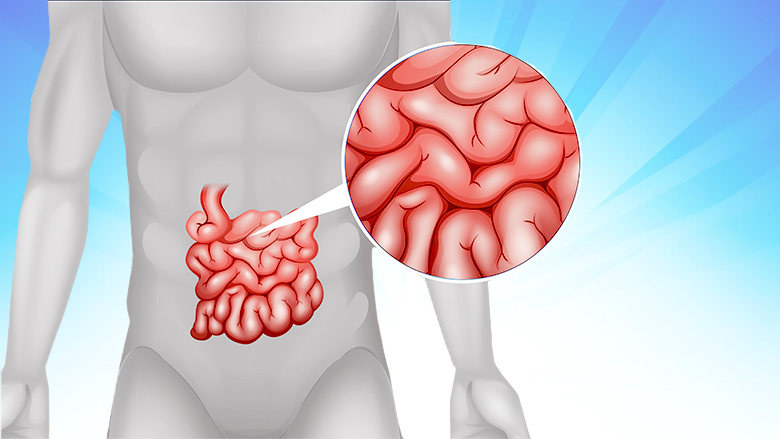
Ans: Crohn’s disease mainly affects the digestive tract mostly the small intestine and colon. It causes inflammation that can lead to pain, diarrhea, weight loss, and other issues. The inflammation can occur anywhere from the mouth to the anus, but it is most common in the lower part of the small intestine and the beginning of the colon. You can reduce the symptoms of this medical condition with appropriate treatment and medicines. The most preferable treatment is stem cell therapy which shows remarkable results.