Stem cell therapy offers a promising approach to treating septo optic dysplasia (SOD), a complex congenital condition characterized by the underdevelopment of the optic nerves, pituitary gland dysfunction, and brain structure abnormalities. Traditional treatments for SOD focus on managing symptoms, but stem cell therapy aims to address the underlying causes. Given below are the advantages of stem cell therapy for SOD:
- Potential for Regenerative Healing
Repair and Regeneration of Damaged Tissues:
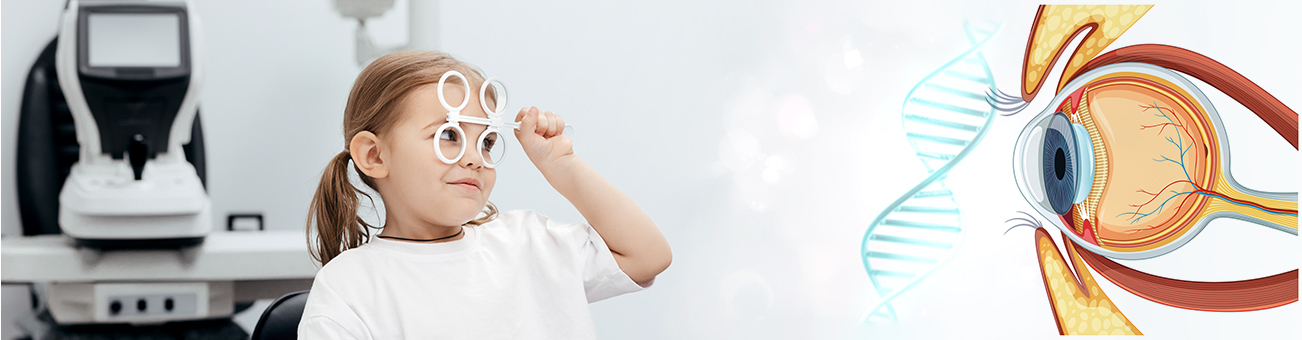
Optic Nerve Regeneration: Stem cells can differentiate into retinal ganglion cells and other neurons, potentially repairing and regenerating damaged or underdeveloped optic nerves, which may lead to improved vision.
Pituitary Gland Restoration: Stem cells can differentiate into pituitary cells, helping to regenerate the pituitary gland and restore normal hormone production and regulation.
Brain Structure Development: Stem cells can support the development and repair of brain structures like the septum pellucidum, enhancing overall brain function and reducing developmental delays.
- Multifaceted Therapeutic Effects
Comprehensive Treatment Approach:
Neuroprotection and Neurogenesis: Stem cells release neurotrophic factors that promote neuron survival and growth, which can protect existing neurons and stimulate the formation of new ones.
Immunomodulation: Stem cells secrete anti-inflammatory cytokines that modulate the immune response, creating a favorable environment for tissue repair and reducing inflammation-related damage.
Paracrine Effects:
Release of Growth Factors: Stem cells secrete various growth factors that aid in tissue repair, angiogenesis (formation of new blood vessels), and stimulation of endogenous repair mechanisms.
Supportive Microenvironment: Stem cells can remodel the extracellular matrix and promote synaptogenesis (formation of new synapses), enhancing the structural and functional integration of regenerated tissues.
- Personalized Medicine
Tailored Treatment:
Induced Pluripotent Stem Cells (iPSCs): Stem cells derived from a patient’s own cells (iPSCs) reduce the risk of immune rejection and ethical concerns, allowing for personalized treatment.
Targeted Therapy: Stem cell therapy can be tailored to address the specific needs and conditions of individual patients, providing a more effective and personalized treatment approach.
- Long-term Benefits
Sustained Improvement:
Durable Outcomes: By addressing the root causes of SOD, stem cell therapy has the potential to provide long-term improvements rather than just temporary symptom relief.
Prevention of Secondary Complications: Restoring hormonal balance and repairing neural tissues can reduce the risk of secondary health issues, such as metabolic disorders and developmental delays.
Enhanced Quality of Life:
Increased Independence: Improvements in vision, hormonal function, and cognitive abilities can enhance a patient’s independence in daily activities, reducing reliance on caregivers.
Better Social and Behavioral Outcomes: Enhanced cognitive function and physical health can lead to improved social interactions and behavioral development, contributing to a more fulfilling life.
- Minimally Invasive Procedures
Reduced Risk and Recovery Time:
Less Invasive: Many stem cell therapies involve minimally invasive procedures, reducing the risks associated with surgery and leading to faster recovery times.
Fewer Side Effects: Compared to traditional treatments that may involve extensive surgery or long-term medication, stem cell therapy often has fewer side effects and complications.
- Advancements in Research and Technology
Ongoing Innovations:
Continuous Improvement: The field of stem cell therapy is rapidly advancing, with ongoing research and technological innovations leading to improved methods and outcomes.
Integration with Gene Editing: Combining stem cell therapy with gene editing technologies, such as CRISPR/Cas9, can enhance the therapeutic potential by correcting genetic mutations and optimizing stem cell function.
Broad Applicability:
Versatility: The principles and techniques developed for treating SOD with stem cells can be applied to other neurological and endocrine disorders, potentially benefiting a wider range of conditions.
Stem cell therapy offers numerous advantages for treating septo optic dysplasia, including the potential for regenerative healing, multifaceted therapeutic effects, personalized medicine, long-term benefits, minimally invasive procedures, and continuous advancements in research and technology. While still in the experimental stages, stem cell therapy represents a promising frontier in the quest to provide more effective and comprehensive treatments for SOD, potentially transforming the lives of individuals affected by this challenging condition.