Immunotherapy for Pancreas Cancer in India
GET IN TOUCH
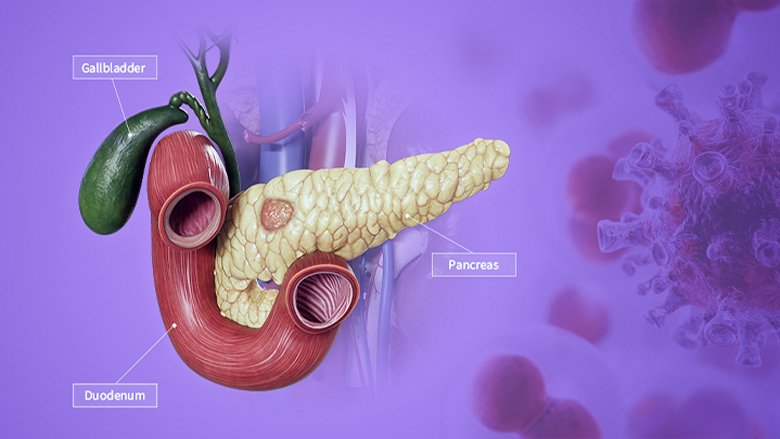
The pancreas is an important organ which is situated behind the stomach and cooperates with the intestines to regulate digestion. Cancer of the pancreas is a terrible disease of this vital organ. It may be particularly dangerous because it does not let the organ work as it normally would. It may be difficult to detect such a kind of cancer at an early stage since noticeable symptoms usually do not arise right away. By the time it is found, it may have spread to other parts of the body and be harder to treat.
People who have pancreas cancer may experience a variety of problems resulting from impaired functioning of the pancreas. Problems can be related to general health and welfare, given the role of the pancreas in digesting food and in controlling blood sugar. Above all, individuals should be conscious about their health and should regularly go for check-ups with their healthcare professional to take the best and suitable immunotherapy treatment for pancreatic cancer in Delhi.
Research and medical advances help in better understanding the disease of pancreas cancer. The support from a health team and the ongoing studies will hopefully enable an increase in knowledge regarding the very disease, and thereafter methods for its handling. This is very important ongoing research which is really needed to improve outcomes and give hope to those suffering from this condition.
Treatment Disclaimer:
We provide consultation, case evaluation, and patient support services in the field of regenerative medicine. As per current medical guidelines in India, stem cell-based interventions (other than approved indications) are considered investigational and are available only within regulated clinical research settings. For patients exploring broader options, we also assist in facilitating access to treatment pathways, including internationally accredited centers where different regulatory frameworks may apply.
Pancreatic cancer is one of those serious and often deadliest diseases. It originates in the pancreas and affects the all-over functioning and well-being of an individual. The exact causes of the pancreas cancer are not fully comprehended, but certain factors predispose one to this cancer. Understanding these factors helps in early detection and prevention. Following are some of the common causes and risk factors that are associated with pancreas cancer:
- Smoking: The use of tobacco is a big risk factor in the causation of cancer of the pancreas. A person who smokes has a bigger chance of developing this cancer compared to others who do not smoke.
- Age: The risk of pancreas cancer increases with increasing age. It is more common in people above the age of 60 years.
- Family History: One may be at increased risk due to a family history of pancreas cancer. Genetic mutations from parents can play a role in the causation of this cancer.
- Chronic Pancreatitis: Long-term inflammation of the pancreas, known as chronic pancreatitis, can raise the risk of developing pancreatic cancer.
- Diabetes: People with diabetes, especially those who have developed it later in life, may have a higher risk of pancreas cancer. This is because diabetes can sometimes be a sign of pancreatic problems.
- Obesity: Being overweight or obese can increase the risk of many cancers, including pancreas cancer. Excess body fat can lead to changes in the pancreas that promote cancer growth.
- Certain Genetic Syndromes: Genetic conditions like Lynch syndrome, Peutz-Jeghers syndrome, and BRCA2 mutations are associated with a higher risk of pancreas cancer. These conditions affect the body’s ability to repair damaged DNA, leading to cancer development.
- Diet: A diet high in red and processed meats and low in fruits and vegetables may contribute to an increased risk of pancreas cancer. Poor diet can affect overall health and increase cancer risk.
- Alcohol Consumption: Heavy alcohol use is linked to an increased risk of chronic pancreatitis, which can then lead to pancreas cancer. Reducing alcohol consumption can lower this risk.
Pancreatic cancer is a serious disease in which cancer starts in the pancreas. The pancreas, an organ behind the stomach, secretes several juices and hormones to help digest food. As pancreatic cancer is hard to detect in an early stage, it mostly will not show symptoms when this type of cancer has reached an advanced stage. Knowing what one is to look for helps in early diagnosis. Pancreatic cancer can be definitely related to the various parts of the body that it concerns. This would most likely involve many symptoms. Some common signs and symptoms of pancreatic cancer are:
- Abdominal Pain: This pain is one of the most frequent symptoms. There is either pain or discomfort in the upper abdomen, extending towards the back, which might be sharp or diffused.
- Jaundice: The obstruction of the bile duct by the tumor may cause yellowish discoloration of both skin and eyes. This leads to a rather clear discoloring of the skin and eyes.
- Unexplained Weight Loss: Weight loss without trying or for no apparent reason may be a symptom of pancreatic cancer. Large amounts of weight loss may also be associated with a possible decrease in appetite.
- Digestive Issues: This may include symptoms like nausea, vomiting, or changes in bowel movements, the alternation between diarrhea and constipation. It could also result in the inability to digest fatty foods properly.
- Loss of Appetite: A reduced wish to eat or feeling full after consuming a little food may be symptoms of pancreatic cancer.
- New-Onset Diabetes: Occasionally, pancreatic cancer can result in the abrupt development of diabetes, particularly if the tumor affects the pancreas’ ability to produce insulin.
- Fatigue: Generally feeling tired or weak, even after adequate rest, can be indicative of pancreatic cancer. It often persists and differs from general fatigue, which usually improves with ordinary rest and activities.
If any of these symptoms persist or worsen, it is best to consult a healthcare consultant for proper diagnosis and pancreatic cancer treatment. These will make a big difference in the various options available for treatment.
The pancreas is quite important because of its major role in digestion and maintaining blood sugar. If you are having cancer there, then it affects its role. Pancreatic cancers can originate from different parts of the pancreas and are therefore varied. They are defined by the area in which the cancer starts and the appearance of the cells. The major types of pancreatic cancer include the following:
- Adenocarcinoma: It is the most common type of pancreatic cancer and comprises about 90% of the total cases. Originating from the cells lining the ducts of the pancreas. In many cases, this type of adenocarcinoma is diagnosed only when it reaches an advanced stage, as it rarely shows symptoms when small.
- Acinar Cell Carcinoma: These arise from the acinar cells of the pancreas responsible for the production of digestive enzymes. Acinar cell carcinoma is much rarer than adenocarcinoma and may be harder to detect. Symptoms are abdominal pain and a palpable mass.
- Pancreatic neuroendocrine tumors: These are tumors that start in the hormone-producing cells of the pancreas. They are less common than adenocarcinomas and can be functional or non-functional. Functional tumours secrete hormones, which may cause symptoms such as abdominal pain or otherwise unexplained changes in blood sugar.
- Cystic neoplasms: It is also a type of tumor that gives rise to cysts with fluids within the pancreas. The less common types include mucinous cystic neoplasms and serous cystic neoplasms. Such neoplastic cysts grow much more slowly, and if their nature is detected early in time, can be treated surgically.
- Squamous Cell Carcinoma: This is the very rare variant that arises from the squamous cells. Normally, these cells line the ducts. The tendency of this carcinoma is to be quite aggressive and can be very difficult to treat. Many times, squamous cell carcinoma presents in advanced stages.
- Pancreatoblastoma: This is a very rare form of pancreatic cancer, and it usually occurs in children. Sometimes, it can be an aggressive type, but thankfully, when it is found early, it usually responds well to treatment. Management regarding Pancreatoblastoma sometimes entails surgery, chemotherapy, and even sometimes the use of radiation.
Early detection is so important to improve treatment and survival. Unfortunately, the early diagnosis of pancreatic cancer is quite difficult as symptoms often do not appear until the disease has reached an advanced stage. The diagnostic techniques of the pancreas help a lot for timely treatment and management of the disease. The following are common methods that diagnose cancers of the pancreas.
- Blood Tests: A number of blood tests can be useful in the process of diagnosing cancer of the pancreas. These tests detect the presence of higher-than-normal levels of certain substances, such as CA 19-9, in the blood that may serve as markers for pancreatic cancer. It is important to recognize that markers cannot diagnose cancer.
- Ultrasound: Uses sound waves to create images of the pancreas.
- CT Scan (Computed Tomography): Provides detailed cross-sectional images of the pancreas.
- MRI (Magnetic Resonance Imaging): Uses strong magnets and radio waves to produce detailed images of the pancreas.
- Endoscopic Ultrasound (EUS): It is performed by inserting a thin, flexible tube containing an ultrasound probe into the stomach and small intestine. It provides clear pictures of the pancreas and the tissues around it. Another essential use of EUS is for obtaining tissue samples through biopsy.
- Biopsy: A biopsy is the removal of a small portion of pancreatic tissue to look for cancer cells. This may be accomplished by passing a thin needle through the skin into the pancreas or with an endoscope during an endoscopic ultrasound.
- ERCP (Endoscopic Retrograde Cholangiopancreatography): It is a technique using an endoscope and contrast dye to outline the bile ducts and pancreatic ducts. It helps in the diagnosis of obstruction or any other abnormality and may also be helpful in biopsy taking.
Cancer immunotherapy is a promising approach for pancreatic cancer, which originates by unrestrained growth of the cells of the pancreas. This form of treatment enhances the body’s immune system to fight against cancer. In conventional treatments involving chemotherapy that acts directly on tumor cells, immunotherapy makes the immune system recognize and kill cancer cells independently.
There are a variety of immunotherapies used in the treatment of pancreatic cancer. Common examples include immune checkpoint inhibitors, which block proteins that stop the immune system from killing the tumor cells. Another is pancreas cancer vaccines that assist the immune system in focusing its attack on specific cancer cells. Additionally, adoptive cell transfer, a form of treatment whereby immune cells from a patient are modified in the laboratory to fight cancer more effectively and then re-introduced into the body.
At this time, immunotherapy is still in its experimental stage for pancreatic cancer. However, it has shown a survival benefit in some patients and the extent of reduction in tumor size. Further, Ongoing studies are investigating the best way to combine immunotherapy with other treatments to further enhance results for patients with this disease.
The intensive three-day cancer immunotherapy program we provide for the treatment of prostate cancer will be outlined below: After supportive therapies, the patient can leave the hospital to head for their destination the next day.
Day1
- Transfеr from thе Airport to thе Hospital
- Mееting with thе Doctor for a thorough discussion
- Complеting thе admission procеss
- Conducting clinical еxamination and laboratory tеsts
- Receiving supportive thеrapy
Day 2
- Procedure of cancer immunotherapy will start
- Some additional supportive therapies
- Engaging in additional counseling sessions.
Day 3
- Continuing with supportive therapies
- Getting physiotherapy sessions
- Completion of paperworks
- Back to the airport
Note:
- Please bring your ID card such as adhaar card, PAN card, driving license with you.
- Also, bring a hard copy of the patient’s medical report.
Q1. Can immunotherapy be combined with other treatments?
Ans: Yes, immunotherapy is combined with other treatments in the case of chemotherapy, radiation therapy, or targeted therapy. These combinations often render the treatment of cancer more effective due to the fact that the disease is fought from multiple angles. In such instances, chemotherapy or radiation shrinks tumors enough that the immune system itself might attack them better. However, whether combining treatments improves outcomes depends on the type and stage of cancer.
Q2. Are immunotherapy useful in early-stage pancreatic cancer?
Ans: It has been observed that immunotherapy is also effective in early-stage pancreatic cancer. Immunotherapy works by enhancing the body’s immune system against the cancer cells for their destruction. In its early stages, it could contribute to slowing down disease progression, leading to better outcomes. However, the truth is that pancreatic cancer generally proves resistant to immunotherapies. Hence, these therapies are combined with other treatments such as surgery or chemotherapy.
Q3. What are the chances of success with immunotherapy?
Ans: The success of immunotherapy for treating pancreatic cancer is variable. In some cases they have a better response, which may be linked to the presence of certain genetic mutations. This is also being researched further with various clinical trials underway to enhance its efficacy. Success would pretty much depend on the stage of the cancer, health of the patient, and type of immunotherapy involved.
Q4. Is immunotherapy a cure for pancreatic cancer?
Ans: Immunotherapy is not a cure for pancreatic cancer, but it can help the body fight the disease. This treatment boosts the immune system to target and destroy cancer cells. However, it doesn’t work for everyone and is often used alongside other treatments like surgery or chemotherapy. Researchers are still studying how effective immunotherapy is for pancreatic cancer and how to make it work better for more patients.
Q5. How do I know if immunotherapy is working?
Ans: To know if immunotherapy is working, your doctor will monitor changes in your health. This includes regular tests like blood tests, scans, or physical exams to check for improvements or the shrinking of tumors. You may also notice fewer symptoms or feel better overall. It’s important to attend all follow-up appointments and discuss any changes with your doctor to ensure the treatment is effective.
Cancer immunotherapy can be a very promising treatment option for pancreatic cancer because it focuses on enhancing the immune system of the body in fighting cancerous cells. Unlike conventional ways of treatment that generally affect both healthy and diseased cells, immunotherapy works its way by strengthening the natural body defenses of the patient. Immunotherapy treatment for pancreatic cancer can bring about several positive changes in the patient’s body. These could range from improvements in the immune system, better tumor sizes, and an improved quality of life. Some of the major improvements that may have taken place in the body following cancer immunotherapy for pancreatic cancer are highlighted below.
- Enhanced Immune Response: It so happens that the immunotherapy makes the immune system of the body recognize and attack pancreatic cancer cells more precisely. The resultant, better immune response could result in an attack targeted at the cancer and reduce the killing of normal cells and tissues.
- Reduced Tumor Size: With the help of this treatment option, the sizes of the tumors may reduce. In other words, immunotherapy helps bring down the size of the cancerous cells by shrinking or slowing their growth and hence making the cancer in consideration more controllable.
- Better Tolerance to Treatment: Compared to chemotherapy, immunotherapy is often better tolerated by patients. This means fewer side effects, such as nausea or fatigue, allowing patients to maintain their daily activities with less interruption.
- Improved Quality of Life: Patients often feel that their lives have become much better. It may be through an increase in energy, improvement in appetite, reduction of pain-all of which add to the positive outlook in the cycle of treatment.
- Longer Survival Rates: Immunotherapy is one treatment that has been noticed to increase survival rates among a subset of patients with pancreatic cancer. This is quite a breakthrough in the field of oncology, since the type of pancreatic tumors is considered one of the most aggressive and its survival rate is very low.
- Potential for Long-Term Remission: In some patients, cancer immunotherapy shows results in long-term remission in its experimental stage. This means the cancer might remain inactive for a much longer period, affording the patient more quality time with fewer health complaints.
Cancer immunotherapy is a mode of treatment that helps the body’s immune system in fighting cancer. In the context of pancreatic cancer, this is still under study and development, but it brings a ray of hope for better outcomes. Contrasting with the usual modes of treatments such as surgery or chemotherapy, the use of immunotherapy seeks to enhance a patient’s natural defenses against the cancerous cells to kill cancerous cells more effectively. Here is a simple breakdown of how it works:
- Understanding the Immune System: The human immune system is a very complex structure of cells and proteins that protects the body from diseases such as cancer. It recognizes and then selectively kills abnormal cells. However, most pancreatic cancer cells somehow manage to disguise themselves and avoid this detection.
- Targeting Cancer Cells: It allows the immune system to identify and destroy cancer cells. Examples of immunotherapies include monoclonal antibodies, immune checkpoint inhibitors, and cancer vaccines. Each acts via a specific mechanism of action to enhance the immune response against tumor cells.
- Monoclonal Antibodies: These are artificial molecules that could bind to specific targets on the surface of cancer cells. In treating pancreatic cancer, these monoclonal antibodies label the cancerous cells so the immune system could locate them and destroy them more easily.
- Immune Checkpoint Inhibitors: Some proteins may be used by cancer cells to shut down immune responses. Immune checkpoint inhibitors block these proteins. The result is that it allows the immune system to make a stronger attack against the cancer cells. The inhibitors have shown some promise in certain types of cancers but are still under study for pancreatic cancer.
- Cancer Vaccines: These vaccines are a type of treatment in which the vaccine stimulates the immune system to destroy cancer cells. More plainly, they teach the immune system what the proteins of cancer look like. Pancreatic cancer vaccines are still being tested in clinical trials.
Stem Cell Care India is fully committed to providing the finest consultation services for pancreas cancer immunotherapy. Our team focuses on delivering personalized care and state-of-the-art services in order to meet each of your expectations. We undertake the commitment to see you through every step in diagnosis and treatment and also promise that you will get the best and most compassionate care ever. It is our pleasure to guide and support you in getting the best possible outcomes to improve your quality of life. Let us be there to walk with you, offering support, knowledge, and the highest caliber of medical care, as you navigate through your treatment for pancreas cancer.
A quality certificate for pancreas cancer immunotherapy ensures that the treatment meets high standards. It confirms that the therapy is safe, effective, and provided by a reliable source. The certificate is issued after rigorous testing and evaluation, showing that the treatment follows strict guidelines and best practices. This helps patients feel confident that they are receiving top-quality care. The certificate also assures that the facilities and staff are well-trained and equipped to handle the specific needs of pancreas cancer patients. It is an important step in ensuring the overall success and safety of the treatment.
Follow-up in cases of pancreas cancer immunotherapy is necessary to observe the progress of treatment and to ensure its effectiveness. Once the patient commences on immunotherapy, he or she will return for regular follow-up analyses with the doctor. During these visits, patients can undergo blood tests and imaging scans, and physical examinations checking for side effects and whether the cancer is responding to this new kind of treatment. Follow-up visits are required, as well as consulting a doctor in case of new symptoms or complaints. Regular follow-ups have an important role in modifying the treatment schedule according to the needs and offering additional help needed for the side effects. This close monitoring will make sure that the best results are ensured.
I had an excellent experience with Stem Cell Care India for my pancreas cancer immunotherapy. The consultation was thorough, and the team was incredibly supportive. Their expertise in handling my case made a big difference in my treatment. Highly recommend their services for anyone seeking top-notch cancer care. —Maria Gonzalez, Finland.
Stem Cell Care India provided outstanding consultation for my pancreas cancer immunotherapy. The doctors were knowledgeable and attentive, answering all my questions with patience. Their professional approach gave me confidence in my treatment plan. I’m grateful for their help and highly recommend them to anyone in need of specialized cancer care. —John Carl, Netherlands.
I received excellent healthcare consultation from Stem Cell Care India for my pancreas cancer immunotherapy. Their team was professional and caring, providing clear explanations and support throughout the process. I felt well-informed and confident in my treatment choices. Their expertise and dedication are truly commendable. —Aisha Patel, India.
The consultation I had with Stem Cell Care India for my pancreas cancer immunotherapy was exceptional. The staff was knowledgeable and empathetic, guiding me through each step of the treatment. Their attention to detail and personalized care made a significant impact on my recovery. I highly recommend their services for anyone dealing with cancer. —Mohd, Usmaan, Iran.
The cost of immunotherapy for pancreatic cancer in India may significantly vary. Obviously, the general cost will depend on the type of immunotherapy, the clinic or hospital in which the treatment is provided, and specific medical needs of the patient. Insurance coverage and financial aid programs can help reduce expenses that the patient has to pay for out-of-pocket. Unfortunately, these have to be discussed with the healthcare provider in order to consider all available options. Most of the hospitals will also be able to give quite accurate cost estimates and may offer a payment plan to make treatment as accessible as possible. Remember, it’s always best to seek advice from medical professionals who can explain the full financial implications of the therapy.
Immunotherapy is one of the new methods in the treatment of pancreatic cancer. It works by helping the body’s immune system to recognize and fight the cancer cells more effectively. While in each patient, its success is varied but several patients indeed have witnessed positive results ranging from better management of the disease to a better quality of life. Doctors use different forms of immunotherapy, including checkpoint inhibitors, which could target those specific aspects in the cancer cells. Such treatments would normally ensure effectiveness based on many factors, including the stage of cancer and individual characteristics of the patients. Immunotherapy offers better choices and hope for improved outcomes for patients with pancreatic cancer in India.
Immunotherapy is an advanced treatment for pancreatic cancer that leverages the body’s immune system to fight cancer cells. Unlike traditional treatments which target both cancerous and healthy cells, immunotherapy focuses specifically on boosting the immune system’s ability to recognize and destroy cancer cells. This targeted approach offers several advantages for patients battling pancreatic cancer.
- Targeted Treatment: Immunotherapy targets cancer cells more precisely, potentially reducing damage to healthy cells.
- Long-Lasting Effects: It can lead to longer-lasting remissions, as the immune system may continue to fight cancer even after treatment ends.
- Less Severe Side Effects: Compared to chemotherapy, immunotherapy often has fewer and less severe side effects.
- Personalized Therapy: Treatments can be tailored to individual genetic profiles, improving effectiveness.
- Combination Therapy: It can be combined with other treatments like chemotherapy for enhanced results.
- Promising Research: Ongoing research is improving the effectiveness of immunotherapy, offering hope for better outcomes in the future.
Quality control of immunotherapy for pancreatic cancer is crucial to ensure treatments are safe and effective. Immunotherapy uses the body’s own immune system to fight cancer, and maintaining high standards in its production and application is essential. This helps in delivering consistent and reliable treatment outcomes for patients. Here are the key aspects of quality control:
- Testing and Validation: Before immunotherapy products are used, they undergo rigorous testing to ensure they are effective and safe. This includes checking for purity, potency, and consistency in every batch.
- Regulatory Compliance: Immunotherapy must meet strict regulations set by health authorities. Compliance with these regulations ensures that the treatment adheres to safety and efficacy standards.
- Manufacturing Practices: Good manufacturing practices (GMP) are followed to maintain high quality throughout the production process. This involves controlling environmental conditions and preventing contamination.
- Monitoring and Documentation: Continuous monitoring during treatment helps track patient responses and identify any adverse effects. Proper documentation ensures transparency and traceability.
- Patient Safety: Ensuring the safety of patients involves thorough screening and monitoring for potential side effects and adverse reactions.
- Research and Improvement: Ongoing research and clinical trials help in improving the quality and effectiveness of immunotherapy for pancreatic cancer.
Note that this information is purely educational about immunotherapy for pancreas cancer and should not be treated as professional medical advice. Not everyone may respond to immunotherapy, and results can vary. It is always important to discuss your specific condition and your treatment options with your healthcare provider and discuss all potential risks. Always look for advice from your medical consultant for treatment decisions. This disclaimer assures no outcomes or successful results from any treatment regarding immunotherapy. Therefore, an individual willing to seek personal advice and treatment should consider the aid of a qualified medical professional.
Research & Publications
DC Vaccine for Pancreatic Cancer: Telomerase-Pulsed DC Immunotherapy Phase I
Burgdorf SK et al.
Cancer Immunology, Immunotherapy
https://doi.org/10.1007/s00262-008-0543-8
CAR-NK Cells Targeting MSLN for Pancreatic Cancer Immunotherapy
Liu E et al.
New England Journal of Medicine
https://doi.org/10.1056/NEJMoa1910607
NK Cell Therapy for Unresectable Pancreatic Adenocarcinoma: Phase I Safety
Cheng M et al.
Cellular & Molecular Immunology
https://doi.org/10.1038/cmi.2013.17
iPSC-Derived NK Cells Combined with Gemcitabine for Pancreatic Cancer Zhu
H et al.
Cell Stem Cell
https://doi.org/10.1016/j.stem.2020.02.011
Dendritic Cell Immunotherapy Plus FOLFIRINOX for Resected PDAC: Phase II
Liau LM et al.
JAMA Oncology
https://doi.org/10.1001/jamaoncol.2018.1273
Allogeneic NK Cell Infusion After Pancreatic Cancer Resection: Phase I
Bachanova V et al.
Blood
https://doi.org/10.1182/blood-2018-01-827691
Bispecific EpCAM/CD16 NK Cell Engager for Pancreatic Cancer
Gleason MK et al.
Molecular Cancer Therapeutics
https://doi.org/10.1158/1535-7163.MCT-11-0906
Autologous Tumor-Infiltrating Lymphocytes for Metastatic Pancreatic Cancer
Kantoff PW et al.
New England Journal of Medicine
https://doi.org/10.1056/NEJMoa1001294
Cord Blood NK Cells for Solid Tumors Including Pancreatic Adenocarcinoma
Geller MA et al.
Bone Marrow Transplantation
https://doi.org/10.1038/bmt.2011.104
MSC Co-Culture Enhances NK Cell Cytotoxicity Against Pancreatic Cancer Cells
Zhang C et al.
Journal for ImmunoTherapy of Cancer
https://doi.org/10.1186/s40425-017-0219-1
Ask Your Query
We Also Offer Treatments For
Beyond neurological care — exploring holistic treatments for a better quality of life.
GET IN TOUCH
Ready to Start Your Journey
Our Experts Are Available To Answer All Your Questions.
Our Testimonials
Real Results. Real Patient Experiences.




GET IN TOUCH
RELATED DISEASE
Explore Conditions We Treat
Discover how stem cell therapy is making a difference in a wide range of diseases and helping patients lead healthier, better lives.

Diabetes Stem Cell Treatment in India
Other Disease›

Stem Cell Treatment for Eye Injuries
View Details›

Stem Cell Treatment of Aging & Longivity
View Details›
Stem Cell Treatment for Crohn’s Disease in India
View Details›
GET IN TOUCH
RELATED VIDEOS
RECENT BLOG POST



GET IN TOUCH
Explore our Clinical Research Hub for scientific publications, treatment evidence, and ongoing regenerative medicine research.
Content authored and reviewed by qualified members of our medical team | Last updated: 20 July 2026
Reach Us

Stem Cell Care India
info@stemcellcareindia.com
H-23/ B Top Floor
Abul Fazal Enclave, Part 1, Jamia Nagar
New Delhi - 110025,
INDIA
International Patient: + 91-8743024344
Indian Patient: + 91-7838223336
WhatsApp at + 91-8743024344