



Skip to content
01
02
Watch
On Stem Cell Care India



Quick answer
Physiotherapy uses targeted exercise, manual therapy, and movement retraining, delivered by a licensed physiotherapist, to rebuild strength, mobility, balance, and physical function. It is individualized to each patient's condition and is one of the most commonly used supportive therapies alongside stem cell treatment.
Physiotherapy — Quick Facts
| Aspect | What to expect |
|---|---|
| Delivered by | Licensed physiotherapists |
| Core techniques | Therapeutic exercise, manual therapy, movement/gait retraining |
| Common candidates | Neurological, orthopedic, post-surgical, and post-injury patients |
| Common pairing | Occupational therapy, aqua therapy, the spinal cord injury walking track |
| Format | In-clinic sessions, with a home exercise program |
| Outcome guarantee | None — response and extent of recovery vary by individual |
On this page — 2 topics
01What Physiotherapy Involves
Topic 01 of 2Skip ahead: Who Physiotherapy Typically Helps
The short answer, before the detail below.
Physical therapy or physiotherapy (often truncated to PT) is a physical medicine and rehabilitation specialty that, by using mechanical force and actions, remediates damages and promotes flexibility, function, and quality of life via examination, diagnosis, prognosis, and physical intervention. We combine our PT with stem cells for supreme physical rehabilitation improvements.
As India's no. 1 hospital, we combine physical therapy or physiotherapy (PT) with stem cells for supreme physical rehabilitation improvements.
02Who Physiotherapy Typically Helps
Topic 02 of 2
Common situations raised during evaluation.
- Patients recovering from spinal cord injury, stroke, or other neurological conditions
- Patients with orthopedic conditions affecting joints, muscles, or mobility
- Patients recovering physical function after surgery or injury
- Patients working toward eligibility for programs like the walking track
Related Videos
More videos from the Stem Cell Care India team and our patients.
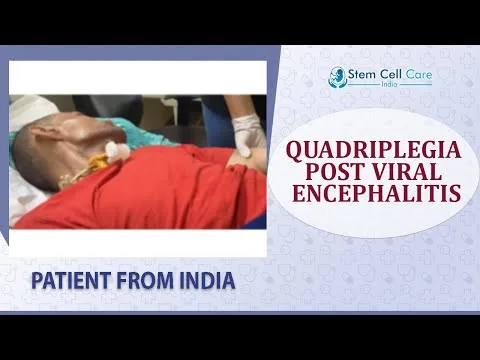
The Patient From Delhi Physiotherapy Session For Quadriplegia Post Viral Encephalitis | Stem Cell
Physiotherapy After Stem Cell Therapy Treatment isn't the finish line — it's the beginning of recov
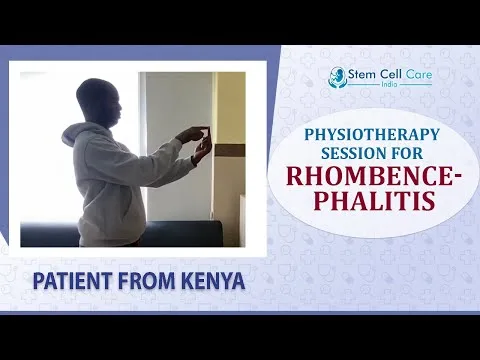
THE PATIENT FROM NAIROBI KENYA, PHYSIOTHERAPY SESSION FOR RHOMBOENCEPHALITIS DISEASE
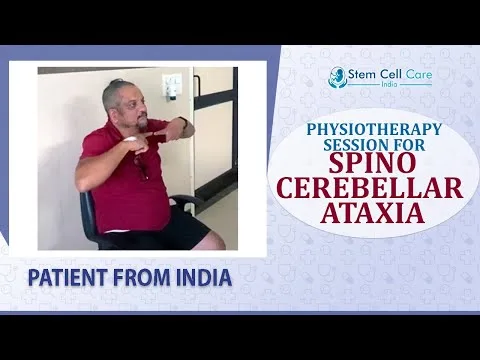
The Patient from Uttarakhand, Physiotherapy Session for Spinocerebellar Ataxia | Stem Cell Therapy
See also:Supportive Therapiesstem cellswalking trackAcupuncture TherapyAqua Therapy
Continue Exploring
Related reading, picked for this page.
Supportive Therapy
Aqua Therapy: Water-Based Rehabilitation for…
Aqua therapy in India.
Read more Supportive TherapySpeech Therapy: Supporting Communication &…
Speech therapy in India.
Read more FAQStem Cell Therapy Services & Procedures
Stem cell therapy services and procedures.
Read more Patient GuideTestimonials
Patient Guide.
Read more ResourceFrequently Asked Questions About Stem Cell Therapy…
Frequently asked questions.
Read more Get StartedAppointment
Book appointment stem cell care India.
Read more
About this guide: This page is written, reviewed, and medically approved as credited above, and is not a substitute for individualized medical advice. See our full treatment disclaimer for details.
Keep exploringAqua Therapy: Water-Based Rehabilitation for Mobility & StrengthOccupational Therapy: Rebuilding Independence in Daily LifeSpeech Therapy: Supporting Communication & Swallowing Function
Explore related topics
More depth on the subjects covered in this guide.
Supportive Therapies
The full rehabilitation ecosystem overview.
Rehabilitation Therapy in India
The broader rehabilitation framework.
Occupational Therapy in India
Rebuilding independence in daily activities.
Aqua Therapy in India
Water-based exercise for reduced joint loading.
Spinal Cord Injury Walking Track
A specialized mobility program for eligible patients.
Platelet-Rich Plasma (PRP) Therapy
Concentrating a patient's own platelets to support repair.
Still have a question?
Every case is different. A free medical evaluation gets you a direct, physician-reviewed answer for your specific condition — typically reviewed within about 7 working days.
Keep reading
Articles You May Interest
Watch
Related Videos


Ready to take the next step?
Talk to a case coordinator about your specific condition and treatment options.
24–48hFrom sending your reports to a doctor-reviewed answer
10,000+Patients treated across 65+ countries
4.9 / 5From 196+ verified Google reviews
Sources & Further Reading
Independent public sources for checking the evidence yourself. The PubMed and ClinicalTrials.gov links open live database searches, so results update as new research is published. Listing a source here is not an endorsement of any treatment.