


Skip to content
01
Watch
On Stem Cell Care India



Key takeaways
- Embryonic stem cells are pluripotent, derived from early-stage embryos, and can in principle form almost any cell type in the body.
- Their clinical use in India is tightly regulated by ICMR's National Ethical Guidelines and is largely confined to approved research, not routine treatment.
- Stem Cell Care India does not use embryonic or fetal stem cells in any treatment we provide.
- Instead, we use autologous cells (the patient's own bone marrow, fat, or blood) or allogeneic cells from consented umbilical cord tissue — both are adult-type, non-embryonic sources.
Embryonic Stem Cells — Quick Facts
| Aspect | What to know |
|---|---|
| Source | Inner cell mass of an early-stage (blastocyst) embryo |
| Potency | Pluripotent — can form nearly any cell type in the body |
| Used in our treatments? | No — not offered clinically at Stem Cell Care India |
| What we use instead | Autologous (bone marrow/fat/blood) or consented cord-tissue MSCs |
What Embryonic Stem Cells Are
Pluripotent cells with the broadest developmental potential of any stem cell type.
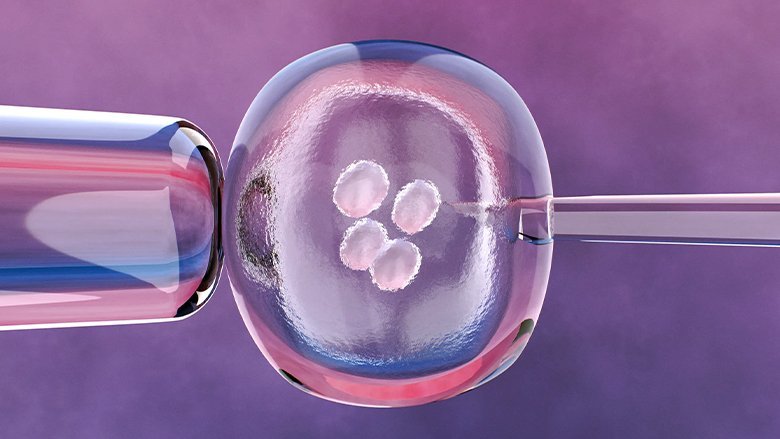
Embryonic stem cells are derived from the inner cell mass of a blastocyst-stage embryo, typically a few days after fertilization. Because they are pluripotent, they can in principle differentiate into any of the body's specialized cell types — a broader range than adult stem cells, which are generally limited to cell types related to their tissue of origin. This makes embryonic stem cells scientifically valuable for research into development and disease, but their derivation involves the destruction of the embryo, which is the source of the ethical debate surrounding their use, and one reason their clinical application remains tightly regulated.
01Our Approach: Why We Don't Use Them
A clear, ethical sourcing policy applied to every case.
- Embryonic or fetal stem cells are not used in any treatment at Stem Cell Care India, in line with our treatment disclaimer and India's ICMR ethical framework
- We use autologous cells — the patient's own bone marrow, fat, or blood — wherever possible, avoiding ethical and rejection concerns entirely
- Where donor cells are appropriate, we use allogeneic mesenchymal stem cells from consented, screened umbilical cord tissue, not embryonic material
- Every cell product, whichever source it comes from, is processed under the same GMP standards; see production of stem cells
Frequently Asked Questions
What patients ask about embryonic stem cells and our approach.
Does Stem Cell Care India offer embryonic stem cell therapy?+
No. Embryonic or fetal stem cells are not used in any treatment we provide, in line with our treatment disclaimer and India's ICMR ethical framework. We use autologous cells (the patient's own bone marrow, fat, or blood) or allogeneic cells from consented umbilical cord tissue.
What are embryonic stem cells, and why are they different?+
Embryonic stem cells are pluripotent cells derived from early-stage embryos, meaning they can develop into virtually any cell type in the body. This broad potential is scientifically significant, but it also raises ethical and regulatory questions that adult and cord-tissue-derived stem cells do not.
Is embryonic stem cell therapy legal in India?+
Human embryonic stem cell research and use in India is tightly regulated under ICMR's National Ethical Guidelines and is largely confined to approved research settings, not routine clinical treatment. It is not part of the clinical care offered at Stem Cell Care India.
What does Stem Cell Care India offer instead?+
Autologous stem cell therapy using the patient's own bone marrow, fat tissue, or peripheral blood, and allogeneic therapy using consented, screened umbilical cord tissue — both of which avoid the ethical and rejection concerns associated with embryonic sources.
Is embryonic stem cell therapy relevant to exosome therapy for Retinal Detachment?+
It can be. Exosome Therapy for Retinal Detachment is a separate regenerative option some patients researching vision loss from a detached retina look into alongside embryonic stem cell therapy, assessed case-by-case during a free medical evaluation.
Do patients ask about exosome therapy for Retinopathy when researching embryonic stem cell therapy?+
Some do. Patients reading about embryonic-derived stem cells sometimes also ask about Exosome Therapy for Retinopathy, since retinal blood-vessel damage, often diabetes-related is one area where exosome-based options are considered alongside standard protocols.
How does embryonic stem cell therapy connect to exosome therapy for Diabetic Neuropathy?+
They're related but distinct. This page covers embryonic-derived stem cells, while Exosome Therapy for Diabetic Neuropathy is a condition-specific treatment page for patients dealing with nerve pain and numbness from diabetes; the clinical team can advise on how the two fit together.
Can I read about exosome therapy for Muscular Dystrophy here?+
This page focuses on embryonic-derived stem cells, not on any one condition. For progressive muscle weakness, see the dedicated Exosome Therapy for Muscular Dystrophy page.
Is embryonic stem cell therapy relevant to exosome therapy for Osteoporosis?+
It can be. Exosome Therapy for Osteoporosis is a separate regenerative option some patients researching low bone density and fracture risk look into alongside embryonic stem cell therapy, assessed case-by-case during a free medical evaluation.
Do patients ask about exosome therapy for Parkinson’s Disease when researching embryonic stem cell therapy?+
Some do. Patients reading about embryonic-derived stem cells sometimes also ask about Exosome Therapy for Parkinson’s Disease, since tremor, rigidity, and movement symptoms is one area where exosome-based options are considered alongside standard protocols.
How does embryonic stem cell therapy connect to exosome therapy for Rheumatoid Arthritis?+
They're related but distinct. This page covers embryonic-derived stem cells, while Exosome Therapy for Rheumatoid Arthritis is a condition-specific treatment page for patients dealing with autoimmune joint inflammation; the clinical team can advise on how the two fit together.
Can I read about exosome therapy for Sciatic Nerve Injury & Sciatica here?+
This page focuses on embryonic-derived stem cells, not on any one condition. For sciatic nerve pain radiating down the leg, see the dedicated Exosome Therapy for Sciatic Nerve Injury & Sciatica page.
Is embryonic stem cell therapy relevant to exosome therapy for Shoulder Injury?+
It can be. Exosome Therapy for Shoulder Injury is a separate regenerative option some patients researching rotator cuff and shoulder joint damage look into alongside embryonic stem cell therapy, assessed case-by-case during a free medical evaluation.
Do patients ask about exosome therapy for Spinal Cord Injury when researching embryonic stem cell therapy?+
Some do. Patients reading about embryonic-derived stem cells sometimes also ask about Exosome Therapy for Spinal Cord Injury, since loss of motor or sensory function after cord damage is one area where exosome-based options are considered alongside standard protocols.
How does embryonic stem cell therapy connect to exosome therapy for Spinal Muscular Atrophy?+
They're related but distinct. This page covers embryonic-derived stem cells, while Exosome Therapy for Spinal Muscular Atrophy is a condition-specific treatment page for patients dealing with motor-neuron loss and progressive weakness in SMA; the clinical team can advise on how the two fit together.
Can I read about exosome therapy for Sports Injuries here?+
This page focuses on embryonic-derived stem cells, not on any one condition. For soft-tissue and joint injuries from athletic activity, see the dedicated Exosome Therapy for Sports Injuries page.
Is embryonic stem cell therapy relevant to exosome therapy for Systemic Lupus?+
It can be. Exosome Therapy for Systemic Lupus is a separate regenerative option some patients researching autoimmune inflammation affecting multiple organs look into alongside embryonic stem cell therapy, assessed case-by-case during a free medical evaluation.
Do patients ask about exosome therapy for Wound Healing when researching embryonic stem cell therapy?+
Some do. Patients reading about embryonic-derived stem cells sometimes also ask about Exosome Therapy for Wound Healing, since slow-healing or chronic wounds is one area where exosome-based options are considered alongside standard protocols.
See also: Mesenchymal Stem Cell Therapy Umbilical Cord Stem Cell Therapy Why Mesenchymal Stem Cells Production of Stem Cells Types of Stem Cells Induced Pluripotent Stem Cell Treatment Disclaimer
Want the science explained for your specific case?
Send your diagnosis and reports and our medical team will explain how the research applies to you — free, no obligation.
Related Videos
More videos from the Stem Cell Care India team and our patients.
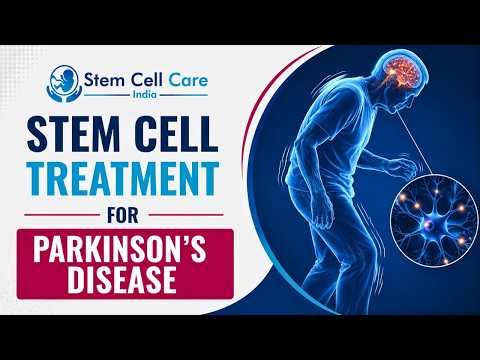
New Approach to Parkinson's Disease: Stem Cell Treatment Explained
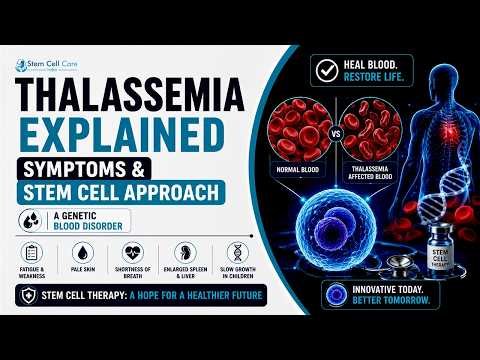
Thalassemia Explained: Symptoms & Stem Cell Approach | Blood Disorders
Osteomalacia Recovery With Exosomes: A New Regenerative Approach | Bone Health
Stem Cell Therapy for Knee Pain in Delhi: Regenerative Approach to Joint Care
Continue Exploring
Related reading, picked for this page.
Stem Cell Therapy
Stromal Vascular Fraction (SVF) Cells Explained
Stromal vascular fraction svf cells.
Read more Supportive TherapySpinal Cord Injury Walking Track: A Structured…
Spinal cord injury walking track.
Read more Supportive TherapyEpidural Stimulation Treatment: How It Works for…
Epidural stimulation treatment in India.
Read more Patient GuideTestimonials
Patient Guide.
Read more ResourceFrequently Asked Questions About Stem Cell Therapy…
Frequently asked questions.
Read more Get StartedAppointment
Book appointment stem cell care India.
Read more
About this guide: This page is written, reviewed, and medically approved as credited above. Content reflects the investigational status of stem cell and exosome applications under India's National Ethical Guidelines for Biomedical and Health Research (ICMR, 2017) and is not a substitute for individualized medical advice. See our full treatment disclaimer for details.
Keep exploringEpidural Stimulation Treatment: How It Works for Select Spinal Cord Injury CasesSpinal Cord Injury Walking Track: A Structured Mobility Program5 Myths About Stem Cells: What Science Actually SaysAbout Your Condition: How We Review Your CaseAdverse Effects of Stem Cell Therapy: What's Reported
Explore related topics
More depth on the subjects covered in this guide.
Mesenchymal Stem Cell Therapy
The most-studied adult stem cell type explained.
Placental Stromal Cells
Ethically sourced, post-birth placental cells.
Why Mesenchymal Stem Cells
Why MSCs are the default cell choice.
Production of Stem Cells
How cells are sourced, isolated, and GMP-processed.
Types of Stem Cells
Embryonic, adult, and iPSC stem cells compared.
Amniotic-Derived Activator Injections
Growth-factor-rich, post-birth amniotic preparations.
Stem Cell Therapy Glossary
Every key term defined in plain English.
Stem Cell Collection
The four main collection methods, step by step.
Still have a question?
Every case is different. A free medical evaluation gets you a direct, physician-reviewed answer for your specific condition — typically reviewed within about 7 working days.
Keep reading
Articles You May Interest
Watch
Related Videos


Ready to take the next step?
Talk to a case coordinator about your specific condition and treatment options.
24–48hFrom sending your reports to a doctor-reviewed answer
10,000+Patients treated across 65+ countries
4.9 / 5From 196+ verified Google reviews
Sources & Further Reading
Independent public sources for checking the evidence yourself. The PubMed and ClinicalTrials.gov links open live database searches, so results update as new research is published. Listing a source here is not an endorsement of any treatment.