Immunotherapy for Lung Cancer in India
GET IN TOUCH
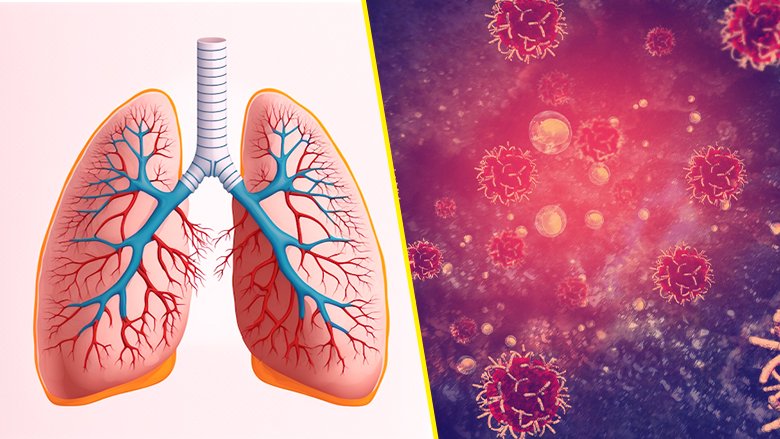
Lung cancer is a serious medical condition that will affect the functionality of your lungs which are the main organs in the human body for breathing. It results from an uncontrolled growth of cells in the lungs in the form of a mass usually called a lump or tumor. This disease is one of the most common types of cancers across the world that causes many deaths. Lung cancer can spread to other parts of the body if not detected early.
Though linked with the smoking habit, it is something that can still attack non-smokers because of pollution or other harmful elements in the environment surrounding a person. It is more common in older adults; however, that does not mean younger people cannot get afflicted. General awareness, along with screening, contributes more than its share to the timely detection of lung cancer cases. Early detection could help much more in providing better chances for lung cancer treatment in India and a lot better management of the condition.
Treatment Disclaimer:
We provide consultation, case evaluation, and patient support services in the field of regenerative medicine. As per current medical guidelines in India, stem cell-based interventions (other than approved indications) are considered investigational and are available only within regulated clinical research settings. For patients exploring broader options, we also assist in facilitating access to treatment pathways, including internationally accredited centers where different regulatory frameworks may apply.
Lung cancer is a serious disease that affects many people in India and worldwide. It occurs when cells in the lungs grow uncontrollably, forming a tumor. The primary cause of lung cancer is smoking, but other factors like pollution, exposure to harmful chemicals, and even genetics can also contribute to the disease. Understanding these causes is essential for prevention and early detection, which can save lives. Here some key causes of lung cancer:
- Smoking: The leading cause of lung cancer is smoking. Tobacco smoke contains harmful chemicals that damage the lung cells, leading to cancer over time. Both active smokers and people exposed to secondhand smoke are at risk.
- Exposure to Asbestos: Asbestos is a natural mineral that was widely used in construction materials. Inhaling asbestos fibers can cause lung cancer, especially in people who worked in industries where asbestos was common.
- Radon Gas: Radon is a radioactive gas found naturally in soil and rocks. It can seep into homes through cracks in the foundation. Long-term exposure to radon gas can lead to lung cancer, especially in non-smokers.
- Air Pollution: Breathing polluted air, particularly in urban areas, increases the risk of lung cancer. Pollutants like diesel exhaust, industrial emissions, and fine particulate matter can contribute to lung damage and cancer.
- Genetics: A family history of lung cancer can increase a person’s risk, even if they don’t smoke. Certain genetic mutations passed down through families can make individuals more susceptible to lung cancer.
- Occupational Hazards: People who work in certain industries, such as mining, chemical manufacturing, or construction, may be exposed to carcinogens like arsenic, nickel, and chromium. These chemicals can increase the risk of developing lung cancer.
- Passive Smoking: Also known as secondhand smoke, passive smoking is inhaling smoke from another person’s cigarette. Non-smokers who live or work with smokers are at a higher risk of developing lung cancer.
- Radiation Exposure: People exposed to high levels of radiation, such as those undergoing radiation therapy for other cancers or living near nuclear plants, may have a higher risk of developing lung cancer.
Lung cancer is one of the most dangerous types of cancer in the world. People are suffering from it and losing their hope to live. If you can recognise these symptoms, then it will make it easier for you to take better treatment to manage it. The symptoms of lung cancer can vary depending on the stage of the disease. In the early stages, the symptoms might be mild or even go unnoticed, which makes early detection difficult. These symptoms will become more visible and intense during the progress of cancer. Again, awareness of the symptoms of lung cancer is pretty important in seeking medical help in time. The most visible common symptoms for lung cancer include:
- Persistent Cough: A cough that doesn’t go away or worsens over time is one of the most common symptoms. It may start as a dry cough and gradually produce mucus or blood.
- Chest Pain: Pain in the chest that gets worse with deep breathing, coughing, or laughing can be a sign of lung cancer. The pain may also spread to the shoulders or back.
- Shortness of Breath: As the cancer grows, it can block airways, leading to difficulty breathing or shortness of breath, especially during physical activities.
- Hoarseness: Changes in your voice, such as hoarseness or a raspy voice, can be a symptom, especially if it persists for more than two weeks.
- Weight Loss: Unexplained weight loss without trying is a common symptom of many types of cancer, including lung cancer.
- Fatigue: Feeling unusually tired or weak, even after getting enough rest, can be a sign of lung cancer.
- Recurring Infections: Frequent lung infections, such as bronchitis or pneumonia, that don’t respond well to treatment might indicate lung cancer.
- Coughing Up Blood: This can be a frightening symptom and usually indicates advanced lung cancer. Even a small amount of blood in your mucus is cause for concern.
- Loss of Appetite: A sudden lack of interest in eating or feeling full quickly after starting to eat can be a symptom.
- Swelling in the Face or Neck: This can occur if a tumor presses on the superior vena cava, a large vein that returns blood from the upper body to the heart.
Lung cancer is a serious disease that begins in the lungs and is one of the leading causes of cancer-related deaths worldwide. It occurs when cells in the lungs grow uncontrollably, forming tumors. These tumors can interfere with the lungs’ ability to provide oxygen to the body. There are different types of lung cancer, each with its own characteristics, treatment options, and prognosis. Understanding these types is important for proper diagnosis and treatment. Here are the main types of lung cancer:
- Non-Small Cell Lung Cancer (NSCLC):
- Adenocarcinoma: The most common type of lung cancer, especially among non-smokers. It starts in the cells that line the alveoli (air sacs) and often grows slower than other types.
- Squamous Cell Carcinoma: Begins in the flat cells that line the inside of the lungs’ airways. It is often linked to smoking and is usually found in the central part of the lungs.
- Large Cell Carcinoma: A less common type that can appear in any part of the lung. It tends to grow and spread more quickly than other forms of NSCLC.
- Small Cell Lung Cancer (SCLC):
- Oat Cell Cancer: Named for the small, oval-shaped cells that resemble oats under a microscope. This type is strongly associated with smoking and tends to spread quickly to other parts of the body.
- Combined Small Cell Carcinoma: Contains features of both small cell and non-small cell lung cancers. It is rare and aggressive, requiring prompt treatment.
- Lung Carcinoid Tumors:
- Typical Carcinoid Tumors: Slow-growing tumors that usually start in the lungs and are less likely to spread. They are often discovered incidentally on X-rays or scans done for other reasons.
- Atypical Carcinoid Tumors: These are more aggressive than typical carcinoid tumors and have a higher chance of spreading to other organs. They are still slower-growing than most lung cancers.
- Other Rare Types:
- Mesothelioma: Cancer that affects the lining of the lungs, usually caused by asbestos exposure. Though not technically a lung cancer, it affects the lung area.
- Sarcomatoid Carcinoma: A rare type that contains both cancerous epithelial and sarcoma-like cells. It is aggressive and challenging to treat
Diagnosing lung cancer early is crucial for effective treatment, but it can be challenging because symptoms often don’t appear until the cancer is advanced. Doctors use a variety of tests and procedures to diagnose lung cancer, identify the stage of the disease, and determine the best treatment options. In India, where smoking is a common risk factor, regular check-ups and awareness can help catch lung cancer early, improving the chances of successful treatment. Here are the key steps involved in the diagnosis of lung cancer:
- Medical History and Physical Examination: The doctor will ask about the patient’s symptoms, smoking history, and family history of cancer. They will also perform a physical exam to check for signs of lung cancer.
- Imaging Tests:
- X-ray: An X-ray of the chest is often the first test done if lung cancer is suspected. It can show a mass or nodule in the lungs.
- CT Scan: A CT scan provides more detailed images of the lungs and can help identify the size, shape, and location of the tumor.
- PET Scan: A PET scan shows how the body’s tissues are functioning and can help determine if the cancer has spread to other parts of the body.
- Sputum Cytology: If the patient has a cough with sputum, a sample of the sputum can be examined under a microscope to check for cancer cells.
- Biopsy:
- Needle Biopsy: A small sample of lung tissue is removed using a needle inserted through the chest.
- Bronchoscopy: A thin, flexible tube with a camera (bronchoscope) is passed through the nose or mouth into the lungs to take a tissue sample.
- Mediastinoscopy: This procedure involves a small incision in the neck to take samples of lymph nodes.
- Molecular Testing: If cancer is detected, tests may be done on the biopsy sample to look for specific genetic mutations or proteins that can guide targeted therapy.
- Blood Tests: Although not used to diagnose lung cancer directly, blood tests can help assess the overall health of the patient and determine if they are fit for certain treatments.
5. Pulmonary Function Tests: These tests measure how well the lungs are working and help doctors assess whether surgery is an option for removing the tumor.
Cancer Immunotherapy is the best approach if you are looking for the treatment that will help you to treat lung cancer. By using this treatment, the immune system of your body suddenly boosts up to find and kill the cancer cells. Other treatments such as chemotherapy and radiation, only target the cancer cells. But in immunotherapy, it can power up your body’s natural defense system to combat the disease more effectively.
Lung cancer is particularly challenging to treat because it often goes undetected until it’s advanced. Immunotherapy can be helpful for those patients who are suffering from non-small cell lung cancer or small cell lung cancer. These are the two primary types of lung cancer. The work of this treatment is utilizing the immune checkpoint inhibitors to block those proteins that are responsible for preventing the immune system from attacking cancer cells. This allows immune cells, particularly T-cells, to target and destroy cancer cells more efficiently.
Some of the most promising immunotherapy drugs for lung cancer include pembrolizumab (Keytruda), nivolumab (Opdivo), and atezolizumab (Tecentriq). These drugs have shown success in improving survival rates and reducing the progression of the disease.
This treatment can be used with other treatments such as chemotherapy by combining it. This method can enhance the effectiveness of the treatment. Immunotherapy for lung cancer has the ability to give you the long-lasting benefits with fewer side effects. Immunotherapy is becoming famous day by day because of its remarkable success against various types of cancer and lung cancer is one of those. Researchers and scientists are doing rigorous research to make this treatment more beneficial for all patients.
The lung cancer immunotherapy procedures are conducted at Stem Cell Care India within three days. We will explain what’s done from day 1 to completion to help you grasp the proceedings.
Day 1
- a) Taking you from the airport and dropping you at the hospital.
b ) Doctors will ask you about your condition and clarify all your questions regarding the treatment.
- c) Your admission procedure will complete.
- d) Doctors do some clinical tests and laboratory tests.
- e) You will receive supportive therapy.
Day 2
- a) Cancer immunotherapy procedure will start.
- b) Additional supportive therapies will be provided
- c) Undergoes in some counselling sessions
Day 3
- a) Supportive therapies will start to continue.
- b) Taking part in physiotherapy sessions.
- c) Important paperwork will be done before discharge.
- d) See you off at the airport from the hospital.
Note: You are expected to bring some of the following essentials with you: valid identification card like Passport, Pan Card, Driving License, and hard copy of patient medical reports for fast-tracking the admission process.
Q1. How does cancer immunotherapy work for lung cancer?
Ans: Cancer immunotherapy is a very beneficial treatment option against various types of cancer. Normally, cancer cells can hide from the immune system, but immunotherapy uses special medicines to block this ability, making the immune system attack the cancer. That is, it can increase the general resistance of the body and use its power to attack and kill the cells causing lung cancer with a much higher efficiency.
Q2. Can cancer immunotherapy cure lung cancer?
Ans: Immunotherapies for lung cancer were quite promising, but they did not guarantee a cure. Immunotherapy increases the degree and strength of the general immune system to fight cancer cells more effectively. Some patients with lung cancer have been doing much better, with their disease manageable at times even for a fairly long period. Not all patients will respond to this treatment approach, and its efficacy may vary. It’s often used alongside other treatments like surgery, chemotherapy, or radiation. While immunotherapy offers hope, it is not yet a cure for lung cancer.
Q3. Is immunotherapy used alone or with other treatments?
Ans: Immunotherapy can be used both alone and with other treatments, depending on the type of cancer and its stage. There are some instances when doctors solely use immunotherapy and train the body’s immune system to kill the cancer cells. In other situations, immunotherapy is prescribed together with a combo of chemotherapy, radiation therapy or surgery. In certain situations, immunotherapy is used in coordination with other treatments. Immunotherapy is more effective overall to target the cancer cells and kill them. The choice of using immunotherapy alone or with other treatments is made by doctors based on each patient’s specific needs and health condition.
Q4. How do doctors know if cancer immunotherapy is working?
Ans: In immunotherapy, doctors can determine whether it works for a patient by observing the patient’s condition over a period of time. For example, they will check to see if the size of the tumor has changed using imaging tests such as CT scanning or MRI. Blood tests can sometimes detect certain markers that imply the cancer is responding to treatment. Doctors will also check how patients feel overall and monitor their symptoms. If the tumor shrinks, stays the same, or if the patient’s symptoms improve, it suggests that immunotherapy is effective. Regular follow-ups help doctors decide if the treatment should continue, be adjusted, or stopped.
Q5. What is the success rate of cancer immunotherapy for lung cancer?
Ans: Cancer immunotherapy has shown promising results for lung cancer, though success rates can vary. On average, many patients with advanced lung cancer respond well to immunotherapy. This suggests that their tumors may decrease or stabilize in size. The effectiveness of treatment, though, does depend on the types of lung cancer and some individual health factors. The success rates are improving over time through newer forms of treatment and, especially, combination therapies. Always discuss with your doctor to understand how immunotherapy might work for you based on your specific condition.
Immunotherapy for lung cancer is a contemporary mode of treatment that employs the body’s immune system to work against cancerous cells. Immunotherapy works to either systematically activate and boost the immune system or to assist the immune system in recognizing and mowing down cancer cells, which can also work for other cancers too. Immunotherapy can lead to a spectrum of improvements for patients, and those improvements can greatly enhance their quality of life and overall quality of well-being. Here are some key improvements seen in patients after taking lung cancer immunotherapy:
- Reduced Tumor Size: Immunotherapy can shrink tumors, which often leads to better breathing and reduced symptoms related to lung cancer.
- Improved Breathing: As tumors decrease in size, patients experience less obstruction in their airways, leading to easier and more comfortable breathing.
- Increased Energy Levels: With the reduction of tumor burden and improved overall health, many patients feel more energetic and less fatigued.
- Enhanced Immune Function: Immunotherapy boosts the immune system’s ability to fight cancer, leading to fewer infections and better overall health.
- Better Quality of Life: As symptoms like cough, chest pain, and shortness of breath improve, patients often report a better quality of life and greater ability to enjoy daily activities.
- Longer Remission Periods: Some patients experience longer periods of remission, where the cancer is not detectable, leading to extended periods of improved health and well-being.
Immunotherapy for cancer utilizes the immune system’s natural ability and potential to make fighting cancer more efficient. For lung cancer patients, immunotherapy makes use of the body’s immune system’s ability to generate powerful immune responses to identify the lung cancer and attack it with improved efficacy. Immunotherapy is quickly becoming a valuable treatment option for lung cancer patients, especially where prior treatments have failed. Immunotherapy works by selectively inhibiting either the immune system cells or proteins within the immune system to stimulate the immune system’s ability to destroy cancer cells and shrink tumors. Here is how cancer immunotherapy works against lung cancer:
- Immune System Activation: Immunotherapy helps activate the body’s immune system to better recognize and attack lung cancer cells. It does this by targeting and blocking proteins that prevent immune cells from attacking cancer cells.
- Checkpoint Inhibitors: These drugs block proteins on immune cells or cancer cells that prevent immune cells from attacking cancer. This helps the immune system to identify and kill cancer cells more effectively.
- CAR-T Cell Therapy: This involves modifying a patient’s own T-cells to better recognize and fight cancer cells. These modified cells are then infused back into the patient’s body.
- Monoclonal Antibodies: These are lab-made molecules designed to bind to specific proteins on cancer cells, marking them for destruction by the immune system.
- Cancer Vaccines: These vaccines are designed to stimulate the immune system to attack cancer cells by introducing substances that trigger an immune response against cancer cells.
- Adjuvant Therapies: Immunotherapy can be combined with other treatments, such as chemotherapy or radiation, to improve the overall effectiveness of the treatment plan.
At Stem Cell Care India, our promise is to deliver the best healthcare consultancy for lung cancer. Our aim is to offer our patients reliable, empathetic and comprehensive support. Our dedicated, expertly trained team works diligently to provide individualized treatments using the latest and modern medicine and therapies. We ensure that our patient’s treatment experience is productive to the highest degree while caring for and supporting our patients by improving outcomes and quality of life. With our commitment to quality, excellence and care we are ready to support our patients throughout their entire journey of treatment, instilling that their treatment is supported with hope.
A Quality Certificate for cancer immunotherapy for lung cancer ensures that the treatment meets high standards of safety and effectiveness. It is given by health authorities after thorough testing and evaluation of the therapy. The certificate confirms that the immunotherapy used is of good quality and safe for patients. Hospitals and clinics which are associated with us are having this certificate and follow strict guidelines to provide the best care. This helps patients trust that they are receiving a treatment that has been carefully checked and approved by experts, ensuring better outcomes in their fight against lung cancer.
Following up after cancer immunotherapy for lung cancer is important to ensure that the treatment is working well and to manage any side effects. It is common for patients to see their health care provider routinely, performing procedures like physical examinations, blood analysis, and imaging. These follow up visits assist in tracking their disease status as well as any signs of recurrence. The follow up is also an opportunity for the patient to discuss how they are doing and to ask for advice and recommendations about managing their symptomatology. Seeing a member of their health care team can be helpful for modifying a treatment plan if necessary so that the patient can access the best medical care possible.
The personalized care I received from Stem Cell Care India was outstanding. Their knowledge of cancer immunotherapy for lung cancer is top-notch, and they took the time to explain every aspect of the treatment. The team’s dedication to my well-being gave me hope and reassurance during a challenging time. I’m now on the path to recovery, and I owe it all to their amazing support. —Michael Jensen, Denmark
I am truly grateful for the exceptional healthcare consultancy provided by Stem Cell Care India. Their expertise in cancer immunotherapy for lung cancer was invaluable in guiding my treatment journey. The team was incredibly supportive and always available to answer my questions. I felt well-informed and confident in every decision, which made all the difference in my recovery. Highly recommend it. —Emma Caldwell, USA
I can’t thank Stem Cell Care India enough for their exceptional healthcare consultancy. Their guidance in cancer immunotherapy for lung cancer was both professional and compassionate. They made sure I understood my options and supported me throughout the process. Their team’s dedication and expertise were evident at every step, and I’m truly grateful for their help in my journey to recovery. —Olivia Martin, Australia
Stem Cell Care India provided me with the clarity and confidence I needed during my lung cancer treatment. Their expertise in cancer immunotherapy was a game-changer for me. The team was always available to address my concerns, and their compassionate approach made a difficult situation more manageable. I’m now in a much better place, thanks to their outstanding care and guidance. —Jack Wilson, South Africa
The price of lung cancer treatment in India is dependent on a variety of factors, including the class of therapy, the facility where it is given, and the patient’s clinical status. Immunotherapy is usually more expensive compared to standard care regimens, such as conventional chemotherapy, with substantial benefits of advanced therapies that include the ability to target specific types of cancer cells in addition to mobilizing the patient’s immunological makeup to facilitate greater killing of the cancer itself. This fee includes consultations, testing, and follow-up care, so patients need to discuss all the potential costs with their provider. Although immunotherapy can be expensive, its therapeutic role in the management of lung cancer continues to give many patients hope.
Cancer immunotherapy has demonstrated potential for the treatment of lung cancers. It is designed to increase the ability of the immune system (T-cells) in your blood/bone marrow, where you still have some normal cells remaining, to help destroy any abnormal cancer cells that may be growing. Experience among patients shows they live longer with a better quality of life as well. It is a more advantageous mode of treatment particularly for those who do not react suitably to conventional modes like chemotherapy. However, the success of immunotherapy varies from person to person, depending on factors like the type of lung cancer and the patient’s overall health. While not a cure, it offers hope and can be a valuable option in the fight against lung cancer.
Immunotherapy is an exciting new treatment for lung cancer that can help the immune system to recognize, and fight cancer cells more effectively. Unlike traditional therapies such as chemotherapy and radiation which focus on directly killing cancer cells, immunotherapy essentially works by enhancing the body’s ability to adjust its natural defenses. By taking such an approach, there is a great possibility of patients having long term responses, and fewer treatment related side effects. Cancer immunotherapy is useful for patients suffering from lung cancer in its later stages or for patients who are not good candidates for other forms of therapy. In general, evidence of immunotherapy creates doors of optimism for survival of the patients and improves their quality of life.
- Targeted Treatment: Immunotherapy specifically targets cancer cells, reducing damage to healthy tissues.
- Long-lasting Effects: The immune system may continue to fight cancer cells even after treatment ends.
- Fewer Side Effects: Immunotherapy usually has fewer side effects compared to chemotherapy and radiation.
- Enhanced Survival Rates: Some patients experience extended survival due to the effectiveness of immunotherapy.
- Personalized Approach: Immunotherapy can be tailored to the individual’s specific cancer type and immune system.
- Compatibility with Other Treatments: It can be combined with other treatments like chemotherapy to improve outcomes.
Quality control is important to assuring safety and efficacy of treatment. It needs meticulous quality control during the execution of treatment. This involves checking the quality of the immunotherapy drugs, improving the function of immune cells, and setting up strict rules for giving the treatment. Hospitals and providers follow strict safety and treatment standards to ensure the patient receives good care. These protocols help to minimize the risk of side effects and help maximize treatment effectiveness – all of which contribute to improving patients’ chances for recovery.
- Drug Quality: Regular testing of immunotherapy drugs for purity and potency.
- Cell Functionality: Monitoring the activity of immune cells used in the therapy.
- Safety Protocols: Strict adherence to safety procedures during drug administration.
- Patient Monitoring: Continuous observation of patients to detect and manage side effects early.
- Regulatory Compliance: Ensuring all aspects of the treatment comply with medical regulations.
- Feedback Loop: Using patient outcomes to refine and improve the quality control process.
Lung cancer immunotherapy is a promising treatment although it is important to acknowledge that it will not work for everyone. Results will vary based on individual health conditions and how their body will respond to treatment. Immunotherapy may also have potential side effects that should be discussed with your physician. It is strongly recommended that you talk with your physician before starting any new treatment to better understand potential benefits, risks, and its applicability to you. Have realistic expectations and ultimately follow your doctor’s recommendations throughout an entire treatment.
Research & Publications
NK Cell Therapy Combined with PD-1 Inhibitor for Advanced NSCLC
Zhang C et al.
Journal for ImmunoTherapy of Cancer
https://doi.org/10.1186/s40425-017-0219-1
NK Cell Immunotherapy for Lung Cancer: Systematic Review of Phase I/II Evidence
Cheng M et al.
Cellular & Molecular Immunology
https://doi.org/10.1038/cmi.2013.17
CAR-NK Cells Targeting NKG2D Ligands for Lung Cancer Immunotherapy
Liu E et al.
New England Journal of Medicine
https://doi.org/10.1056/NEJMoa1910607
DC Vaccine for Non-Small Cell Lung Cancer: MUC1-Pulsed DC Immunotherapy
Burgdorf SK et al.
Cancer Immunology, Immunotherapy
https://doi.org/10.1007/s00262-008-0543-8
Allogeneic NK Cell Therapy in Relapsed SCLC: Cytotoxic Activity and Safety
Bachanova V et al.
Blood
https://doi.org/10.1182/blood-2018-01-827691
iPSC-Derived NK Cells Combined with Anti-PD-L1 for NSCLC: Preclinical Efficacy
Zhu H et al.
Cell Stem Cell
https://doi.org/10.1016/j.stem.2020.02.011
Cord Blood NK Cell Adoptive Transfer for Refractory NSCLC: Phase I Safety
Geller MA et al.
Bone Marrow Transplantation
https://doi.org/10.1038/bmt.2011.104
Bispecific Antibody-Armed NK Cells for EGFRm Lung Adenocarcinoma
Gleason MK et al.
Molecular Cancer Therapeutics
https://doi.org/10.1158/1535-7163.MCT-11-0906
Tumor-Infiltrating Lymphocyte Therapy for Mesothelioma: Phase II Outcomes
Liau LM et al.
JAMA Oncology
https://doi.org/10.1001/jamaoncol.2018.1273
DC Vaccine Combined with Nivolumab for Stage IV NSCLC: Phase I/II
Kantoff PW et al.
New England Journal of Medicine
https://doi.org/10.1056/NEJMoa1001294
Ask Your Query
We Also Offer Treatments For
Beyond neurological care — exploring holistic treatments for a better quality of life.
GET IN TOUCH
Ready to Start Your Journey
Our Experts Are Available To Answer All Your Questions.
Our Testimonials
Real Results. Real Patient Experiences.




GET IN TOUCH
RELATED DISEASE
Explore Conditions We Treat
Discover how stem cell therapy is making a difference in a wide range of diseases and helping patients lead healthier, better lives.

Stem Cell Treatment for Diabetic Neuropathy in India
Other Disease›

Stem Cell Treatments for Alcohol Related Liver Disease in India
View Details›

Stem Cell Treatment for Spinal Cord in Delhi, India
View Details›
Organ Specific Stem Cell Treatment in India
View Details›
GET IN TOUCH
RELATED VIDEOS
RECENT BLOG POST


GET IN TOUCH
Explore our Clinical Research Hub for scientific publications, treatment evidence, and ongoing regenerative medicine research.
Content authored and reviewed by qualified members of our medical team | Last updated: 20 July 2026
Reach Us

Stem Cell Care India
info@stemcellcareindia.com
H-23/ B Top Floor
Abul Fazal Enclave, Part 1, Jamia Nagar
New Delhi - 110025,
INDIA
International Patient: + 91-8743024344
Indian Patient: + 91-7838223336
WhatsApp at + 91-8743024344