📅 Published on: July 16, 2024 | 🔄 Updated on: May 25, 2026 | By: Stem Cell Care India

Key Takeaways
- 01:Stem cell therapy for Hypoxic Ischemic Encephalopathy in India can help to be one of the supporting treatments for kids who have been brain injured due to the lack of oxygen at birth. Some people may exhibit gradual improvement in their motor function, language development, ability to concentrate, coordination of muscles, and performing daily activities after undergoing the treatment procedure.
- 02:Rehabilitation therapies which include occupational therapy, speech therapy, sensory integration therapy, physiotherapy, and diet management are vital components of the treatment that help patients get better faster and become more independent in their life activities.
- 03:The results of stem cell therapy vary depending on several factors, including the age, brain injury status, health condition, support from the therapist, among other factors affecting the treatment outcome positively or negatively.
- 04:At Stem Cell Care India, every patient gets tailored treatment plans and constant support throughout the period.
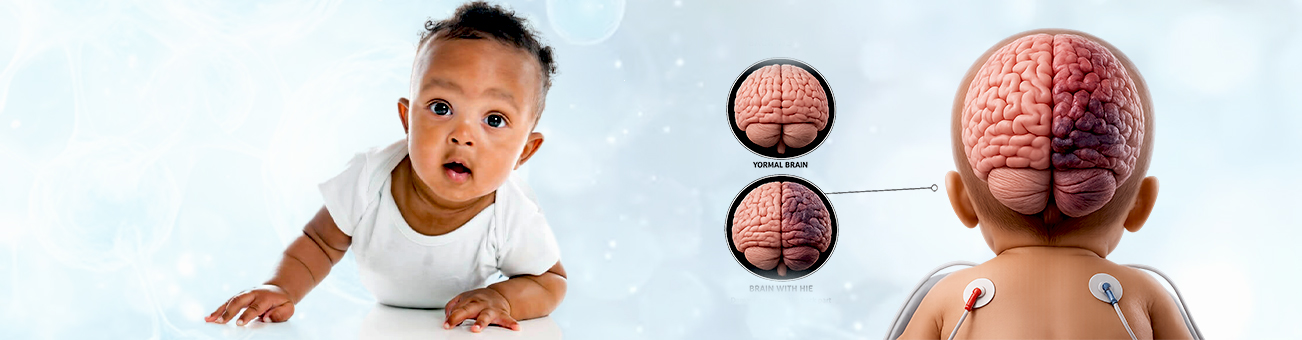
HIE, Hypoxic ischemic encephalopathy is a severe kind of disease that happens because of a lack of oxygen and blood flow to the brain. It often occurs during birth timing. This can lead to significant brain damage, neurological deficits, and even death. Traditional treatments for HIE are primarily supportive and aimed at minimizing further brain injury, such as therapeutic hypothermia. It helps in lowering the body temperature to reduce metabolic demand and subsequent neuronal damage. However, these treatments do not repair the damage already done, highlighting the need for innovative therapies to improve outcomes for affected infants.
Stem cell therapy has emerged as a promising approach to treating HIE due to its potential to repair and regenerate damaged brain tissue. Mesenchymal stem cells (MSCs) and neural stem cells (NSCs) are the most commonly studied types for this purpose. These stem cells can differentiate into many brain cells. It releases neurotrophic factors that promote neurogenesis, reduce inflammation, and protect existing neurons. Experimental studies in animal models have shown that stem cell treatment can improve cognitive and motor functions, reduce brain lesion size, and enhance overall neurological outcomes. These promising preclinical results have led to early-phase clinical trials to assess safety and efficacy in human infants with HIE.
The clinical application of stem cell therapy for HIE includes harvesting stem cells from sources like umbilical cord blood, bone marrow, or even autologous sources from the patient. These cells are then processed and administered to the patient intravenously or directly into the brain. Early clinical trials have reported encouraging results, with improved motor function and reduced neurological deficits in treated infants. However, further research is needed to optimize treatment protocols, determine long-term outcomes, and ensure the safety and efficacy of this innovative therapy. If successful, stem cell treatment could revolutionize the management of HIE. It offers hope for improved neurodevelopmental outcomes in affected children.
Hypoxic-ischemic encephalopathy (HIE) is a serious condition resulting from a lack of oxygen and blood flow to the brain, typically occurring around the time of birth. The symptoms of HIE can vary depending on the severity and duration of the oxygen deprivation. They are generally categorized based on the clinical severity into mild, moderate, and severe HIE. Given below are some key symptoms associated with each severity level:
Neonatal Symptoms:
In newborns, symptoms of HIE can be immediate and severe. They may include:
– Low Apgar Scores: Newborns with HIE often have low Apgar scores, which measure a baby’s color, heart rate, reflexes, muscle tone, and respiration at one and five minutes after birth.
– Difficulty Breathing: Infants may require resuscitation or mechanical ventilation.
– Seizures: Seizures are a common early sign of HIE and can occur within 24 to 48 hours after birth.
– Abnormal Muscle Tone: Infants may exhibit either hypotonia (low muscle tone) or hypertonia (high muscle tone), affecting their movements and posture.
– Feeding Difficulties: Difficulty with sucking and swallowing can occur.
– Altered Consciousness: Newborns with HIE may be sluggish, unresponsive, or have a reduced level of consciousness.
Long-Term Symptoms:
As the child grows, the long-term effects of HIE may become apparent, including:
– Developmental Delays: Children may experience delays in reaching milestones such as crawling, walking, and speaking.
– Cognitive Impairments: Learning disabilities, intellectual disabilities, and memory issues can arise.
– Motor Impairments: Cerebral palsy, characterized by impaired movement and coordination, is a common outcome of HIE.
– Seizure Disorders: Epilepsy can develop as a long-term complication.
– Behavioral and Emotional Issues: Attention deficits, hyperactivity, and behavioral problems may be present.
Other Possible Symptoms:
– Vision and Hearing Problems: Impairments in vision and hearing can occur due to damage to specific brain areas.
– Feeding and Growth Issues: Ongoing difficulty with feeding and growth may persist.
The severity and combination of these symptoms depend on the extent and location of the brain damage. Early diagnosis and intervention are crucial for improving outcomes and providing supportive therapies to manage symptoms and enhance quality of life.
Hypoxic Ischemic Encephalopathy (HIE) is categorized based on the severity of the brain injury and its clinical manifestation. This category helps guide treatment decisions and predict the outcomes. The classification is mainly divided into mild, moderate, and severe HIE. Each type presents distinct characteristics and potential prognoses.
- Mild Hypoxic Ischemic Encephalopathy
Mild HIE is the least severe form of hypoxic ischemic encephalopathy and is characterized by subtle and transient symptoms. Given below are some of the common types of hypoxic ischemic encephalopathy:
- Irritability: Babies may appear more irritable than usual.
- Increased Muscle Tone: Slight stiffness or increased muscle tone may be observed.
- Feeding Difficulties: Infants may have minor problems with feeding, such as difficulty latching or sucking.
- Hyperalertness: These infants may seem unusually alert and active.
- Duration of Symptoms: Symptoms typically resolve within 24 hours without lasting effects.
- Prognosis: Infants with mild HIE generally have a good prognosis, with most showing normal development and no long-term neurological issues.
- Moderate HIE
Moderate HIE involves more noticeable and concerning symptoms, indicating a greater degree of brain injury. Key features include:
- Lethargy: Babies often appear drowsy and less responsive.
- Hypotonia: Reduced muscle tone, resulting in floppy limbs.
- Seizures: Seizures are common and may vary in frequency and intensity.
- Feeding Problems: Significant difficulties with feeding, often requiring intervention.
- Respiratory Issues: Irregular breathing patterns, sometimes requiring support.
- Abnormal Reflexes: Weak suck reflex and abnormal tendon reflexes.
- Prognosis: The prognosis for moderate HIE is variable. With appropriate medical intervention, including therapeutic hypothermia, many infants can recover well, but there is a higher risk of long-term neurological issues compared to mild HIE.
- Severe HIE
Severe HIE is the most serious form and is associated with extensive brain injury and significant neurological impairment. Key features include:
- Coma or Stupor: Infants may be unresponsive and in a coma-like state.
- Severe Hypotonia: Markedly reduced muscle tone, with minimal spontaneous movement.
- Frequent Seizures: Seizures are often frequent and difficult to control.
- Feeding Intolerance: Inability to feed orally, typically requiring tube feeding.
- Autonomic Dysfunction: Problems with regulating heart rate, blood pressure, and body temperature.
- Respiratory Failure: Severe breathing difficulties, often necessitating mechanical ventilation.
- Absent Reflexes: Profoundly abnormal or absent reflexes.
- Prognosis: The prognosis for severe HIE is poor, with a high risk of mortality and severe long-term neurological deficits. Survivors often face significant developmental delays, cerebral palsy, epilepsy, and intellectual disabilities.
- Grading Systems for HIE
A number of grading systems are used to know the severity of HIE and predict outcomes. The most common ones include:
- Sarnat and Sarnat Grading: This system classifies HIE into three stages (I, II, and III) based on clinical and electroencephalographic (EEG) findings. Stage I corresponds to mild HIE, Stage II to moderate HIE, and Stage III to severe HIE.
- Thompson Score: This scoring system assesses the severity of encephalopathy by evaluating various clinical parameters such as consciousness, tone, seizures, posture, and feeding.
Hypoxic-ischemic encephalopathy (HIE) is a type of brain injury caused by a reduction in oxygen (hypoxia) and blood flow (ischemia) to the brain. This condition can occur during pregnancy, labor, delivery, or the neonatal period. Several factors can contribute to HIE, and understanding these causes is crucial for prevention and management. Here are the primary causes categorized into prenatal, perinatal, and postnatal factors:
Prenatal Causes
- Maternal Health Conditions: Chronic conditions such as hypertension, diabetes, and preeclampsia can impair blood flow to the fetus.
- Intrauterine Growth Restriction (IUGR): Poor fetal growth due to placental insufficiency can lead to reduced oxygen supply.
- Infections: Maternal infections such as chorioamnionitis, cytomegalovirus, or toxoplasmosis can cause inflammation and impair fetal oxygenation.
- Placental Issues: Problems like placental abruption (premature separation of the placenta), placenta previa (placenta covering the cervix), and placental insufficiency can compromise the oxygen and nutrient supply to the fetus.
Perinatal Causes
- Umbilical Cord Complications: Conditions such as umbilical cord prolapse (cord slips into the birth canal ahead of the baby), nuchal cord (cord wrapped around the baby’s neck), and true knots in the umbilical cord can restrict blood flow.
- Prolonged or Difficult Labor: Extended labor, especially when combined with fetal distress, can lead to hypoxia. Complications like shoulder dystocia (difficulty delivering the baby’s shoulder) and uterine rupture can also contribute.
- Delivery Complications: Use of forceps or vacuum extraction during delivery, as well as emergency cesarean sections, can sometimes result in trauma and reduced oxygen supply.
- Maternal Hypotension: Low blood pressure in the mother during labor can reduce placental blood flow and oxygen delivery to the fetus.
Postnatal Causes
- Respiratory Distress: Conditions like respiratory distress syndrome (RDS), meconium aspiration syndrome (MAS), and persistent pulmonary hypertension of the newborn (PPHN) can impair oxygenation after birth.
- Cardiac Issues: Congenital heart defects or neonatal heart failure can reduce oxygenated blood flow to the brain.
- Severe Infections: Neonatal sepsis or meningitis can lead to systemic inflammation, reducing blood flow and oxygen delivery to the brain.
- Metabolic Disorders: Conditions such as severe hypoglycemia (low blood sugar) or hyperbilirubinemia (high levels of bilirubin) can contribute to brain injury.
- Traumatic Birth Injuries: Physical trauma during delivery, such as skull fractures or intracranial hemorrhages, can lead to compromised oxygen delivery.
Additional Contributing Factors
- Multiple Births: Twins, triplets, and other multiple births are at higher risk for complications that can lead to HIE, such as preterm delivery and cord entanglement.
- Premature Birth: Preterm infants have underdeveloped organs and are more susceptible to complications like intraventricular hemorrhage (IVH) and respiratory distress, both of which can contribute to HIE.
- Postmaturity: Babies born significantly past their due date (post-term) may experience placental aging, leading to reduced efficiency in oxygen and nutrient delivery.
Diagnosing hypoxic-ischemic encephalopathy (HIE) promptly is crucial for initiating appropriate interventions to minimize brain damage and improve outcomes. The diagnosis involves a combination of clinical assessment, laboratory tests, and advanced imaging techniques. Given below are the key components involved in diagnosing HIE:
Clinical Assessment
Apgar Scores:
Apgar scores are assigned at 1 and 5 minutes after birth based on heart rate, respiratory effort, muscle tone, reflex irritability, and color.
Low scores (especially if prolonged) can indicate distress and the need for further evaluation.
Neurological Examination:
Alertness and Responsiveness: Assessing the infant’s level of consciousness, ranging from alert to lethargic or comatose.
Muscle Tone: Checking for hypotonia (reduced muscle tone) or hypertonia (increased muscle tone).
Reflexes: Evaluating primitive reflexes such as the Moro reflex, sucking reflex, and grasp reflex.
Seizures: Observing for any seizure activity, which is common in moderate to severe HIE.
Laboratory Tests
Blood Gas Analysis:
Arterial Blood Gas (ABG): Measures pH, oxygen, and carbon dioxide levels in the blood. Acidosis (low pH) indicates poor oxygenation.
Lactate Levels: Elevated lactate can indicate anaerobic metabolism due to hypoxia.
Complete Blood Count (CBC):
Evaluate overall health and detect infections, anemia, and other abnormalities that may contribute to or result from HIE.
Electrolytes and Metabolic Panel:
Assesses for imbalances that could exacerbate or result from the hypoxic-ischemic event.
Imaging Studies
Cranial Ultrasound:
Often the first imaging modality is used due to its safety and accessibility.
Can identify gross structural abnormalities, hemorrhage, or edema.
Magnetic Resonance Imaging (MRI):
MRI with Diffusion-Weighted Imaging (DWI): Highly sensitive in detecting early brain injury, often within the first few days of life.
Provides detailed images of brain structure and can identify specific areas of injury, helping to assess the extent and severity of HIE.
Magnetic Resonance Spectroscopy (MRS):
Complements MRI by assessing the metabolic status of brain tissues.
Helps detect metabolic abnormalities associated with hypoxic injury.
Electroencephalography (EEG)
Continuous Video EEG Monitoring:
Monitors brain activity for seizures and evaluates overall brain function.
Can help determine the severity of encephalopathy and guide treatment decisions.
Amplitude-Integrated EEG (aEEG):
Simplified version of EEG used for continuous monitoring in the neonatal intensive care unit (NICU).
Useful for early detection of seizures and assessing the severity of brain injury.
Additional Diagnostic Tools
Echocardiogram:
Evaluate heart function and detect congenital heart defects that might contribute to or result from HIE.
Umbilical Cord Blood Analysis:
Tests blood gases and pH from the umbilical cord at birth, providing immediate information about the newborn’s oxygenation status at delivery.
Early Interventions and Follow-Up
Once HIE is suspected or diagnosed, immediate interventions such as therapeutic hypothermia (cooling therapy) can be initiated to reduce the extent of brain injury. This treatment is most effective when started within six hours of birth.
Regular follow-up with pediatric neurology, developmental assessments, and continued imaging studies are crucial to monitor progress and manage any long-term effects of HIE.
Multidisciplinary care involving neonatologists, neurologists, physical therapists, and other specialists is often necessary to support the infant’s development and address any complications
The treatment of hypoxic ischemic encephalopathy helps to minimize brain damage. It includes immediate interventions and stabilizes the patient. There are therapies to promote brain injury and long-term management strategies. Given below is the treatment for hypoxic ischemic encephalopathy:
Immediate Interventions
- Neonatal Resuscitation
Airway Management: Ensuring the airway is clear to facilitate breathing.
Ventilation Support: Providing oxygen or mechanical ventilation to infants with breathing difficulties.
Cardiovascular Stabilization: Monitoring and supporting heart function to maintain adequate blood pressure and circulation.
- Therapeutic Hypothermia
Whole-Body Cooling: Reducing the infant’s body temperature to 33.5°C (92.3°F) for 72 hours to slow metabolic processes and reduce brain swelling.
Selective Head Cooling: Cooling the head while maintaining normal body temperature. This method is less commonly used than whole-body cooling.
Rewarming: Gradually rewarming the infant over a period of several hours after the cooling period to prevent rapid changes in body temperature.
Supportive Care
- Seizure Management
Antiepileptic Medications: Drugs like phenobarbital or levetiracetam are used to control seizures, which are common in infants with HIE.
Continuous EEG Monitoring: Monitoring brain activity to detect and manage seizures effectively.
- Nutritional Support
Parenteral Nutrition: Providing nutrients intravenously if the infant is unable to feed orally.
Enteral Nutrition: Feeding through a tube directly into the stomach or intestines when the infant is ready for more advanced nutritional support.
- Respiratory Support
Oxygen Therapy: Administering supplemental oxygen to ensure adequate oxygenation of tissues.
Mechanical Ventilation: Using ventilators to support infants who cannot breathe on their own.
Long-term Management and Therapies
- Physical and Occupational Therapy
Early Intervention Programs: Tailored therapy programs to enhance motor skills, strength, and coordination.
Developmental Support: Activities designed to promote cognitive and sensory development.
- Speech and Language Therapy
Feeding and Swallowing: Assisting with difficulties in feeding and swallowing.
Communication Skills: Enhancing verbal and non-verbal communication abilities.
- Stem Cell Therapy
Stem cell therapy is a promising treatment for HIE, focusing on repairing and regenerating damaged brain tissue. The mechanisms through which stem cells exert their effects include neuroprotection, neuroregeneration, and modulation of inflammation. Different types of stem cells, such as mesenchymal stem cells (MSCs) and neural stem cells (NSCs), are used for their potential to differentiate into neural cells and release neurotrophic factors.
Administration Methods:
Intravenous (IV) Injection: Delivering stem cells directly into the bloodstream.
Intrathecal Injection: Injecting stem cells into the cerebrospinal fluid.
Intra-arterial Injection: Delivering stem cells into the arteries supplying the brain.
Expected Outcomes:
Neuroregeneration: Repairing and regenerating damaged neural tissue.
Neuroprotection: Protecting existing neurons from further damage.
Reduction of Inflammation: Decreasing harmful inflammation in the brain.
Enhanced Functional Recovery: Improving cognitive, motor, and sensory functions.
Stem Cell Care India as a leading healthcare consultant in Delhi helps you to find one of the best treatments for you according to your conditions. There is a 3 day procedure that SCCI will provide you for your disease. Given below is the complete procedure for hypoxic ischemic encephalopathy:
Day 1-
- Pick up from the Airport to the Hospital
- Interaction between Dr and Patient, to clear all their doubts at that time
- Admission procedure
- Clinical examination & Lab tests will be done as prescribed by the doctor
- Supportive Therapy
Day 2-
- Stem cell Procedure
- Supportive therapies
- Physiotherapy
Day 3-
- Supportive Therapy
- Physiotherapy
- Discharging formalities
- Drop back to the Airport
Note:
- For Admission, carry the identity card (Passport/PAN card / Driving License)
- Carry the hard copy of Patient reports.
The implantation of stem cell treatment for hypoxic ischemic encephalopathy (HIE) is an emerging therapeutic approach. It helped to repair brain damage and improve neurological outcomes in affected infants. The process includes a number of clinical steps such as the selection of the appropriate stem cells, their administration, and post-treatment monitoring. Given below is the completed implantation procedure of hypoxic ischemic encephalopathy:
- Selection of Stem Cells
The first and most important step is the selection of stem cells. 3 types of stem cells can be used in hypoxic ischemic encephalopathy.
- MSCs, Mesenchymal Stem Cells: these are derived from the source of bone marrow, umbilical cord blood, and adipose tissue. MSCs are favored for their ability to differentiate into a number of stem cells such as neurons and glial cells and for their anti-inflammatory and neuroprotective properties
- Neural Stem Cell (NSCs): These types of stem cells are capable of differentiating specifically into neural cells, making them highly suitable for treating brain injuries.
- Induced Pluripotent Stem Cells (IPSCs): These are adult cells reprogrammed to embryonic stem cell-like states offering the potential for regenerating patients’ specific neural cells.
- Source of Stem Cells
- Autologous Cells: These are derived from the patient’s own tissues. It minimizes the risk of immune rejection.
- Allogeneic Cells: These Cells are derived from the donor cells of an individual. It is often used when the autologous cells are not available.
- Administration of Stem Cells
The third step is to administration of stem cells and preparation.
- Isolation and Culturing: Stem cells are isolated from the source of tissue and cultured to obtain a sufficient number of cells for implantation.
- Quality Control: The cells undergo religious testing to ensure that they are free from contaminants and possess the desired characteristics for therapy.
- Delivery Method
- Intravenous (IV) Injection: Stem cells are administered through an IV line, allowing them to travel through the bloodstream to reach the brain.
- Intrathecal Injection: Direct injection into the cerebrospinal fluid (CSF) surrounding the spinal cord, facilitating direct access to the central nervous system.
- Intra-Arterial Injection: Injection into the arteries supplying the brain, offering targeted delivery to the site of injury.
- Timing
Early intervention is critical, typically within the first few days of life when therapeutic windows are most effective. The timing of administration can significantly influence the efficacy of the treatment.
- Post-Treatment Monitoring and Support
- Immediate Monitoring:
- Vital Signs: Continuous monitoring of the infant’s vital signs to ensure stability.
- Neurological Assessments: Regular evaluations of neurological function to detect any early signs of improvement or adverse effects.
- Imaging Studies:
- MRI and Ultrasound: Follow-up imaging to assess changes in brain structure and confirm the presence of stem cells in the target areas.
- Electroencephalography (EEG): Monitoring brain activity to track any reduction in seizure activity and overall brain function improvements.
- Long-Term Follow-Up:
- Developmental Assessments: Regular assessments by pediatric neurologists and developmental specialists to monitor cognitive, motor, and sensory development.
- Rehabilitation: Physical, occupational, and speech therapies to support ongoing development and address any residual deficits.
- Immune Monitoring: Ensuring that there are no adverse immune reactions, especially when allogeneic stem cells are used.
- Potential Benefits and Challenges
- Benefits:
- Neuroprotection: Stem cells can release neurotrophic factors that protect existing neurons from further damage.
- Neuroregeneration: The potential to differentiate into neural cells and integrate into existing brain tissue, promoting repair and regeneration.
- Inflammation Reduction: Stem cells have anti-inflammatory properties that can mitigate the inflammatory response associated with brain injury.
- Challenges:
- Delivery Efficiency: Ensuring that a sufficient number of stem cells reach the damaged brain tissue.
- Safety: Minimizing the risk of adverse effects, such as immune reactions or inappropriate cell differentiation.
- Standardization: Developing standardized protocols for stem cell preparation, administration, and monitoring to ensure consistent and reliable outcomes.
The implantation of stem cell treatment for HIE holds significant promise for improving outcomes in infants suffering from this devastating condition. The process involves careful selection and preparation of stem cells. It has precise administration methods, and thorough post-treatment monitoring to maximize the therapeutic benefits while minimizing risks. As research and clinical trials continue to advance, stem cell therapy may become an important component of HIE treatment. It offers hope for enhanced recovery and a better quality of life for affected children.
Question: What is hypoxic-ischemic encephalopathy (HIE) and how does it affect infants?
Answer: Hypoxic-ischemic encephalopathy (HIE) is a type of brain injury that occurs when an infant’s brain doesn’t receive enough oxygen and blood flow around the time of birth. This can lead to significant neurological impairment, affecting motor skills, cognitive development, and overall brain function. Symptoms vary based on severity and can include seizures, poor muscle tone, feeding difficulties, and developmental delays.
Question: How do stem cells help in treating HIE?
Answer: Stem cells have the potential to repair and regenerate damaged brain tissue in infants with HIE. They can differentiate into various cell types, including neurons and glial cells, which are essential for brain function. Additionally, stem cells release neurotrophic factors that promote neurogenesis, reduce inflammation, and protect existing neurons from further damage. These properties make stem cells a promising treatment option for improving neurological outcomes in HIE.
Question: What types of stem cells are used for treating HIE, and how are they administered?
Answer: The main types of stem cells used for treating HIE include mesenchymal stem cells (MSCs), neural stem cells (NSCs), and induced pluripotent stem cells (iPSCs). These cells can be derived from sources such as bone marrow, umbilical cord blood, or adipose tissue. Administration methods include intravenous (IV) injection, intrathecal injection (directly into the cerebrospinal fluid), and intra-arterial injection (directly into the brain’s blood supply). The choice of stem cells and delivery method depends on the specific case and treatment goals.
Question: What are the potential risks and challenges associated with stem cell treatment for HIE?
Answer: While stem cell treatment for HIE shows promise, there are several potential risks and challenges. These include ensuring the safe and effective delivery of stem cells to the target brain tissue, minimizing the risk of immune reactions (especially with allogeneic cells), and preventing inappropriate cell differentiation. Long-term safety and efficacy need further investigation through clinical trials. Additionally, standardized protocols for stem cell preparation, administration, and monitoring are necessary to ensure consistent and reliable outcomes.
Question: What kind of improvements can be expected after stem cell treatment for HIE?
Answer: Improvements after stem cell treatment for HIE can vary depending on the severity of the condition and the timing of the intervention. Potential benefits include enhanced motor function and reduced seizure activity. It improves cognitive and sensory development and overall better neurological outcomes. Regular follow-up with developmental assessments and imaging studies helps track progress. While some infants show significant improvements, it’s important to have realistic expectations and understand that ongoing therapy and support may be needed to maximize the benefits of treatment.
Stem cell treatment for hypoxic ischemic encephalopathy (HIE) has shown promising results in improving a number of aspects of neurological function in affected infants. While the degree of improvement can vary based on the severity of the conditions and the specific of the treatment, the protocol, many areas of potential have been observed.
- Neurological Function
Motor Skills
- Increased Muscle Tone and Control: Many infants experience improvements in muscle tone. It reduces the hypotonia (floppiness) and hypertonia (stiffness).
- Enhanced motor Coordination: Better control over movements, which helps in developing milestones like sitting, crawling, and walking.
Cognitive Development
- Improved Cognitive Abilities: Enhancements in attention, memory, and problem solving skills.
- Better Learning and Communication: Infants may show improved language skills and more effective communication.
Seizure Reduction:
- Decreased Seizure Frequency and Severity: many patients experience a reduction in the frequency and intensity of seizures, which is important for overall brain health and development.
- Sensory and Motor improvements:
Sensory processing:
- Enhanced Sensory Integration: Better processing and response to sensory stimuli, including touch, visual input, and sound.
- Improved Reflexes: Restoration of normal reflexes and reduction in abnormal reflex activity.
Fine and Gross Motor Skills:
- Enhanced Fine Motor Skills: Better control over small muscle movements, such as grasping and manipulating objects.
- Gross Motor Skills: Significant improvements in larger movements, such as rolling over, sitting up, and walking.
- Behavioral and Emotional Development
Behavioral Adjustments:
- Reduced Irritability: Many infants show decreased irritability and better overall temperament.
- Improved Sleep Patterns: Better regulation of sleep-wake cycles, leading to more restful sleep.
Emotional Stability:
- Enhanced Emotional Regulation: Improved ability to manage emotions, leading to fewer episodes of crying or distress.
- Overall Health and Quality of Life
Feeding and Growth:
- Improved Feeding Skills: Better ability to suck, swallow, and feed, which can contribute to healthier growth and development.
- Weight Gain and Growth: Enhanced ability to gain weight and grow, indicating improved overall health.
Reduced Hospitalization:
- Fewer Medical Complications: Decreased need for hospital stays and medical interventions due to improved overall health and reduced complications.
Developmental Milestones:
- Achievement of Milestones: Faster and more consistent achievement of developmental milestones compared to those who do not receive stem cell treatment.
- Long-Term Outcomes
Academic and Social Skills:
- School Readiness: Improved readiness for school and learning environments, with better academic performance.
- Social Interaction: Enhanced ability to interact with peers and engage in social activities, fostering better social skills.
Independence:
- Increased Independence: Improved ability to perform daily activities independently, leading to greater self-sufficiency.
- Mechanisms Behind Improvements
The observed improvements are attributed to several key mechanisms facilitated by stem cells:
- Neuroprotection: Stem cells release neuroprotective factors that shield existing neurons from further damage.
- Neuroregeneration: The ability of stem cells to differentiate into neural cells helps replace damaged or lost neurons.
- Anti-inflammatory Effects: Stem cells help reduce inflammation, which is a significant factor in ongoing brain injury.
- Enhancement of Synaptic Connections: Improved synaptic plasticity and connectivity in the brain, aiding in better neural communication and function.
Stem cell treatment for HIE offers a promising avenue for improving various aspects of neurological function and overall quality of life in affected infants. The degree of improvement can vary, but many patients experience significant benefits in motor skills, cognitive development, sensory processing, and overall health. Ongoing research and clinical trials continue to refine these treatments, aiming to maximize their efficacy and ensure safety for all patients.
Stem cell therapy holds great promise for the treatment of hypoxic-ischemic encephalopathy (HIE), a severe brain injury caused by a lack of oxygen and blood flow around the time of birth. The effectiveness of stem cell treatment in HIE is attributed to several complex and interrelated mechanisms. Here’s a detailed overview of how stem cells contribute to brain repair and recovery:
- Neuroregeneration
Differentiation into Neural Cells:
- Multipotency: Stem cells, particularly mesenchymal stem cells (MSCs) and neural stem cells (NSCs), can differentiate into various neural cell types, including neurons, astrocytes, and oligodendrocytes.
- Replacement of Damaged Cells: By differentiating into these specific cell types, stem cells can replace the neurons and glial cells lost or damaged due to hypoxic injury, thereby aiding in the restoration of brain function.
- Neuroprotection
Release of Neurotrophic Factors:
- Brain-Derived Neurotrophic Factor (BDNF): Stem cells secrete BDNF, which supports the survival, growth, and differentiation of neurons.
- Glial Cell Line-Derived Neurotrophic Factor (GDNF): Another key factor secreted by stem cells that protect neurons from apoptosis and promote their health and function.
Anti-apoptotic Effects:
- Inhibition of Cell Death Pathways: Stem cells can inhibit apoptotic pathways, preventing programmed cell death of neurons and other brain cells. It is crucial immediately after a hypoxic injury.
- Anti-inflammatory Effects
Modulation of Inflammatory Response:
- Reduction of Pro-inflammatory Cytokines: Stem cells decrease the levels of pro-inflammatory cytokines, which are typically elevated during brain injury and contribute to further damage.
- Increase of Anti-inflammatory Cytokines: They also boost the production of anti-inflammatory cytokines, promoting a healing environment within the brain.
Immune Modulation:
- Regulation of Immune Cells: Stem cells interact with immune cells, such as microglia and T-cells, modulating their activity to reduce harmful inflammation and promote tissue repair.
- Angiogenesis
Promotion of Blood Vessel Formation:
- Vascular Endothelial Growth Factor (VEGF): Stem cells secrete VEGF and other angiogenic factors, stimulating the formation of new blood vessels.
- Improved Blood Flow: Enhanced blood vessel formation improves oxygen and nutrient delivery to the injured brain, supporting overall recovery and repair processes.
- Reduction of Oxidative Stress
Antioxidant Properties:
- Neutralization of Free Radicals: Stem cells help neutralize free radicals and reduce oxidative stress, which is a significant contributor to cell damage following hypoxic injury.
- Enhancement of Endogenous Antioxidant Systems: They also boost the brain’s own antioxidant defenses, further protecting neural cells from oxidative damage.
- Paracrine Effects
Secretion of Beneficial Molecules:
- Exosomes and Microvesicles: Stem cells release exosomes and microvesicles containing proteins, lipids, and RNAs that can modulate cellular functions and promote repair.
- Cell-Cell Communication: These secreted molecules facilitate communication between stem cells and injured cells, enhancing the overall healing response.
- Enhanced Synaptic Connectivity
Restoration of Neural Networks:
- Formation of New Neuronal Connections: Stem cells support the formation of new neuronal connections, helping to rebuild damaged neural networks.
- Improved Signal Transmission: By improving synaptic connectivity, stem cells enhance the efficiency of signal transmission in the brain, crucial for cognitive and motor functions.
Each family facing such problems will always want to find some hope in better treatment options. At Stem Cell Care India, we appreciate how hard this whole experience may be for our patients and their families. It is the commitment of our center to provide compassionate care and treatment options for those looking for Hypoxic Ischemic Encephalopathy stem cell treatment in India.
We try to offer proper guidance, safe treatment procedure, and individual care to all our patients. At Stem Cell Care India, we believe that each of our patients deserves an opportunity to achieve better results.
How Do We Keep Our Promise?
At Stem Cell Care India, we always aim to be by your side as you look for quality care and assistance in dealing with any neurological disorders. With our Hypoxic Ischemic Encephalopathy stem cell therapy in India, we make sure that the patient gets proper medical attention. We consider that all cases are unique in their own ways, hence providing proper assistance in all aspects.
- Patient assessment is performed prior to the therapy. This allows the doctors to have a clear picture of the patient’s condition.
- We use high-quality techniques and technology to deliver the best results in our Hypoxic Ischemic Encephalopathy stem cell therapy in India.
- After treatment, Stem Cell Care India provides constant monitoring and follow-up assistance to the patient.
- We provide therapeutic programs which may help our patients recover physically and cognitively in a gradual manner.
- Our team strives to keep communication open with family members to ensure that they understand the process, the expectations, and the progress of their loved one’s recovery.
- We strive to offer support emotionally as well since families who have patients with HIE often need encouragement.
The problem of Hypoxic Ischemic Encephalopathy can be dangerous for the child/patient and can create problems regarding his functioning in everyday life. Therefore, there is a requirement of affordable stem cell treatment for Hypoxic Ischemic Encephalopathy in India which can provide proper treatment without costing too much money to the patient’s family. At Stem Cell Care India, we aim at offering a treatment program which will be cost-effective and according to the requirements of the patient. In total, the price will vary based on the patient’s disease, stem cell treatment session, therapy and stay in the hospital.
Factors That Affect Cost of the Treatment
Stem cell treatment costs vary from one individual to another because each condition of Hypoxic Ischemic Encephalopathy has its own significance, requiring distinct health care services. The following considerations need to be noted by those families who are looking for low-cost stem cell treatment for Hypoxic Ischemic Encephalopathy in India.
- Severity of Hypoxic Ischemic Encephalopathy Condition: If the symptoms are severe, they may call for additional care, medications, and increased treatment, making it expensive for the patients.
- Stem Cell Treatment Sessions: Some Hypoxic Ischemic Encephalopathy patients might have to undertake more than one stem cell treatment session for their treatment.
- Length of Hospital Stay: In case the patient is required to stay in the hospital for additional days, the overall expenditure will increase.
- Other Treatment Options: The patient might require physiotherapy, occupational therapy, speech therapy, and rehabilitation apart from the use of stem cells in treatment. This may cause an increase in cost.
- Tests and Evaluations: Prior to the commencement of the treatment, there may be some test and evaluation procedures suggested by the physicians in order to know the patient’s status well.
The damage that the brain suffers due to lack of oxygen at the time of delivery leads to various developmental issues for the child. Due to this reason, parents nowadays opt for stem cell treatment for Hypoxic Ischemic Encephalopathy in India to help their child recover well from the condition. The effectiveness of the procedure may differ in each individual according to the degree of brain damage, age, and health status. Certain patients can see improvement in motor skills, muscle coordination, speech, concentration, and responsiveness following the treatment process. Along with the treatment, Stem Cell Care India offers rehabilitation support to patients.
Factors That Affect Success Rate
There are many critical factors that might influence the effectiveness of stem cell treatment for HIE in India. Each patient has unique circumstances, thus, there may be different outcomes as well. Some critical factors are:
- Severity of Brain Damage: In case the damage to the brain is severe, it might require more time for the patient to recover and the process of improvement can be slower. The mild cases have a greater chance of recovering.
- Age of the Patient: In some cases, younger children show better results due to their age.
- Early Stem Cell Therapy: The initiation of stem cell therapy during an early stage may assist in recovering well and improving brain functioning.
- General Health Status: Adequate nourishment, strong immune system, and sound general health status may aid in healing well after the procedure.
- Rehabilitative Techniques: The use of physiotherapy, speech therapy, and occupational therapy in combination with stem cell therapy may enhance overall recovery.
- Sessions of Stem Cells: Certain individuals might need more than one session of stem cells based on their health condition.
- Care Post Procedure: Consistent monitoring and proper care post the procedure are also essential in promoting long-term recovery.
Stem cell treatment is an emerging and promising treatment for hypoxic-ischemic encephalopathy (HIE). it is a condition characterized by brain injury due to lack of oxygen and blood flow. The unique properties of stem cells offer several advantages that can lead to improved outcomes for affected infants. Given below are some of the key advantages of stem cell treatment for HIE:
- Neuroregeneration and Repair
- Differentiation into Neural Cells: Stem cells have the ability to differentiate into various types of neural cells, including neurons and glial cells. This capability allows them to replace damaged or lost cells in the brain, promoting repair and regeneration.
- Restoration of Brain Tissue: By integrating into the existing brain architecture, stem cells can help restore damaged brain tissue, improving overall brain function and structure.
- Neuroprotection
- Release of Neurotrophic Factors: Stem cells secrete neurotrophic factors that support the survival and growth of neurons. These factors help protect existing neurons from further damage and enhance the brain’s natural repair mechanisms.
- Anti-apoptotic Effects: Stem cells can prevent programmed cell death (apoptosis) in neurons, preserving brain cells that might otherwise be lost due to hypoxic injury.
- Reduction of Inflammation
- Anti-inflammatory Properties: Stem cells possess anti-inflammatory properties that can reduce the inflammatory response associated with brain injury. This reduction in inflammation helps to mitigate secondary damage to the brain tissue.
- Modulation of Immune Response: Stem cells can modulate the immune system, creating a more favorable environment for healing and reducing the likelihood of harmful inflammatory responses.
- Seizure Reduction
- Decreased Seizure Activity: Many infants with HIE suffer from seizures. Stem cell therapy has been shown to reduce the frequency and severity of seizures, which is crucial for preventing further brain injury and improving quality of life.
- Enhanced Cognitive and Motor Function
- Improvement in Motor Skills: Stem cell therapy can lead to significant improvements in motor skills, including increased muscle tone, better coordination, and enhanced ability to perform movements such as sitting, crawling, and walking.
- Cognitive Development: Improvements in cognitive functions such as attention, memory, and problem-solving abilities have been observed in infants receiving stem cell treatment, leading to better developmental outcomes.
- Sensory Processing Improvement
- Better Sensory Integration: Stem cell treatment can enhance the brain’s ability to process and respond to sensory stimuli, leading to improved sensory integration and reflexes.
- Normalization of Reflexes: Restoration of normal reflexes and reduction in abnormal reflex activity are additional benefits of stem cell therapy.
- Overall Health and Quality of Life
- Feeding and Growth: Improvements in feeding skills and weight gain are commonly reported, contributing to healthier growth and development.
- Reduced Hospitalization: Stem cell therapy can decrease the need for prolonged hospital stays and medical interventions by improving overall health and reducing complications.
- Developmental Milestones: Infants treated with stem cells often achieve developmental milestones more quickly and consistently compared to those who do not receive such treatment.
- Long-term Benefits
- Academic and Social Skills: Enhanced readiness for school and better social interaction skills are potential long-term benefits of stem cell therapy.
- Increased Independence: As motor and cognitive functions improve, many children gain greater independence in daily activities, leading to a better quality of life.
- Safety and Feasibility
- Minimally Invasive Procedures: Most stem cell administration methods, such as intravenous or intrathecal injections, are minimally invasive, reducing the risk associated with the treatment.
- Autologous Cells: Using autologous stem cells (derived from the patient’s own body) minimizes the risk of immune rejection and increases the safety of the treatment.
Quality control in stem cell therapy for Hypoxic Ischemic Encephalopathy (HIE) ensures safety and effectiveness through rigorous processes:
- Cell Souce Verification: Confirming stem cells are derived from the appropriate source like umbilical cord or tissue, ensuring purity and suitability.
- Culture and Expansion Monitoring: Regular checks during cell culture to maintain correct growth conditions, prevent contamination, and ensure desired cell characteristics.
- Genetic and Phenotypic Testing: Assessing genetic stability and cell identity to confirm they meet predefined criteria and can differentiate into neural cells.
- Viability and Potency Assays: Testing cell viability post-thaw and assessing potency through functional assays to ensure cells remain viable and effective.
- Endotoxin and Mycoplasma Screening: Ensuring cells are free from bacterial endotoxin and mycoplasma contamination, is crucial for patient safety.
- SterilityTesting: Validating sterility of final cell products to prevent infections or adverse reactions in recipients.
- Clinical Trail Oversight: Conducting trials under strict regulatory guidelines, monitoring patients’ outcomes, and adjusting protocols based on data to enhance therapeutic efficacy and safety.
These measures collectively ensure that stem cell therapies for HIE are safe, reliable, and capable of delivering therapeutic benefits without adverse effects advancing treatment options for affected patients.
Regenerative medicine is providing a ray of hope for infants suffering from brain damage caused due to oxygen deficiency during childbirth. Stem cell treatment for hypoxic ischemic encephalopathy in India is emerging as an effective choice for several parents who would like to see some positive improvements in their infant’s physical and neurological development. Outcomes may vary from patient to patient since recovery will depend greatly upon several factors like age, extent of damage, and rehabilitation efforts.
- Many patients exhibit improvements in motor skills and balance. Many patients are seen to become steady when they sit, stand, or walk with support.
- Many parents observe progress in communication abilities. Improved eye contact, voice recognition, and command comprehension have been observed in many patients.
- In some cases, improvements in cognitive skills have also been observed gradually. The children might exhibit enhanced skills for memorizing, learning, focusing, and observing.
- Decreased muscle tension and body spasticity have been noticed in a few individuals. It will facilitate the kids in carrying out their activities more easily and comfortably.
- Changes in the process of feeding and swallowing have been witnessed in some patients. Children might be capable of chewing and swallowing food safely and conveniently.
- The improvement in sleep patterns and psychological behaviors has also been noted occasionally. Parents claim that their kids become more calm, energetic, and socially interactive.
- Routine physiotherapy, occupational therapy, and speech therapy together with stem cell therapy would assist in achieving better outcomes.
- Physicians in India always keep an eye on the progress of patients after receiving treatment.
Thus, in conclusion, Hypoxic Ischemic Encephalopathy stem cell treatment in India is bringing light to the lives of many parents by improving the quality of life and activities of their children step by step.
Quality and safety considerations play a very critical role whenever family members search for stem cell therapy for Hypoxic Ischemic Encephalopathy in India. At Stem Cell Care India, our aim is to provide stem cell therapy from the center that maintains quality medical standards and certification processes for treatment.
Stem Cell Care India operates under strict quality control processes in all the steps involved during the treatment. Laboratory processing, stem cell storage, testing procedures, and monitoring processes are performed under the controlled medical environment. This plays an important role in maintaining stem cell purity before therapy in the patients.
Ethical considerations along with medical treatments are also followed by our professional medical practitioners. All documentation processes, sterilization techniques, and quality checking processes are carried out effectively.
Quality and safety considerations play a very critical role whenever family members search for stem cell therapy in case of Hypoxic Ischemic Encephalopathy in India. At Stem Cell Care India, our aim is to provide stem cell therapy from the center that maintains quality medical standards and certification processes for treatment.
Stem Cell Care India operates under strict quality control processes in all the steps involved during the treatment. Laboratory processing, stem cell storage, testing procedures, and monitoring processes are performed under the controlled medical environment. This plays an important role in maintaining stem cell purity before therapy in the patients.
Ethical considerations along with medical treatments are also followed by our professional medical practitioners. All documentation processes, sterilization techniques, and quality checking processes are carried out effectively.
The follow-up care for HIE post-stem cell therapy is crucial in India. The specialists at Stem Cell Care India emphasize to parents that treatment does not end with the completion of stem cell therapy. Recovery depends upon the proper follow-up and monitoring of the patient’s health condition.
The specialists remain in touch with the patients’ family even after the completion of therapy. They assist them with medicines, therapies, exercises, daily routines, and diet. Children and patients often require physiotherapy, speech therapy, and occupational therapy along with other treatments.
In Stem Cell Care India, we have requested our patients to keep sending us their updates. This will help our doctors get information on how the body reacts to stem cell treatment for Hypoxic Ischemic Encephalopathy in India. Small variations in motor functions, speech patterns, muscle coordination, and behavioral patterns can often be observed gradually.
We even provide online follow-up services to our international and outstation patients so that they remain connected to our healthcare professionals. The main objective behind this is to ensure that all patients receive proper assistance throughout their entire recovery process.
People are experiencing a number of benefits and improvements after taking stem cell therapy because of its regenerative potential. Diseases like Hypoxic Ischemic Encephalopathy (HIE) can be treated through this innovative medical approach. There are no side effects of this therapy till now. For the information, the outcomes of stem cell therapy are different for each patient because it is still under experiments. Researchers are doing several clinical trial modifications in this treatment to make it effective for everyone. However, in its experimental stage, stem cell therapy is showing good progress among many individuals and they are living their quality of life.
India has provided a hope and healing solution for patients across the world, which can seek advanced solutions for Hypoxic Ischemic Encephalopathy. This medical condition is often a result of birth asphyxia, where the lack of oxygen and blood flow to the brain results in severe neurological challenges. The repair of damaged tissues of the brain can be an answer for this with stem cell therapy.
Given modern medical facilities, expert specialists, and affordable treatment plans, it has become India’s preference to treat patients coming from Europe, USA, UK, Bhutan, Australia, UAE, Indonesia, and South Africa. India opens the door to innovative treatments for international patients; it is also a chance for them to benefit from Hypoxic Ischemic Encephalopathy stem cell therapy in India to enhance the quality of life through medical competence combined with kindness.
What Advantages International Patients Can Take From India’s Medical System?
Facing a condition like Hypoxic Ischemic Encephalopathy requires hope and advanced solutions. That’s why stem cell therapy comes forward. India is the only place that cares about their international patients and gives them the proper care and support, so that they can live their life without any problem. International patients seeks stem cell therapy in India because:
- World-Class Medical Expertise: India has internationally trained, experienced stem cell specialists who would be able to treat complex HIE conditions effectively.
- Advanced Stem Cell Research and Technology: Hospitals and clinics in India would utilize the newest techniques in performing stem cell therapies, which ensure treatment that is safer and more effective.
- Affordable Treatment Costs: Treatment charges in India compared to many other countries are so much lower when receiving high-level stem cell therapy.
- Comprehensive Care: Indian hospitals provide holistic care, which includes pre-treatment counseling, detailed diagnosis, and personalized post-treatment rehabilitation plans.
- Global Accessibility: Major Indian cities like Delhi, Mumbai, and Bangalore are well connected to international destinations, making it easy for global patients to travel for treatment.
- Patient-Centric Approach: Healthcare providers in India focus on compassion and patient satisfaction, ensuring a comfortable treatment experience for international patients.
- No Waiting Periods: Unlike other countries where waiting times are quite long for specific treatments, India provides immediate medical attention and a faster timeline for treatment.
- Multilingual Support: Hospitals in India provide language support for patients from the USA, UK, Europe, and other non-English speaking countries.
With a combination of affordability, quality care, and innovation, makes Hypoxic Ischemic Encephalopathy stem cell treatment in India the best treatment for. International patients benefit from a seamless process, ensuring hope and better outcomes for this challenging condition.
Adequate supportive therapies will play an important role in increasing the quality of life and general wellbeing of children who undergo stem cell therapy for Hypoxic Ischemic Encephalopathy in India. Supportive therapies act together with the treatment and facilitate development physically, emotionally, and mentally of the child.
- Occupational Therapy
It aids children to learn and develop skills in carrying out daily activities. Children suffering from Hypoxic Ischemic Encephalopathy have difficulties when moving, grasping objects, feeding, or performing other basic activities. The therapy promotes independence and facilitates hand-eye coordination and balance.
- Sensory Integration
Children suffering from the disease are sensitive to noises, touch, or strong light. In sensory integration, the brain learns how to process such information effectively. Concentration and relaxation are improved by the therapy. This therapy enhances the social behavior and learning capabilities of the children.
- Modification of Diet
Proper nutrition is vital while conducting stem cell therapy on patients with Hypoxic Ischemic Encephalopathy. The condition may lead to issues with feeding and digestion. Appropriate diet modification is beneficial for improving stamina, physical endurance, and cognitive functions. Healthy nutrition improves recovery rates as well.
- Interventions for Psychological Issues
It is necessary to provide psychological interventions to cope with stress and anxiety experienced by the patient and parents. It will be helpful in reducing mental strain that can influence treatment efficiency. In addition, parents will know about appropriate behavior toward the child.
- Speech Therapy
Children with difficulties in articulation, speech development, or swallowing abilities need speech therapy to enhance language skills and learn to communicate efficiently. It also helps to develop mouth muscles in the process.
- Hyperbaric Oxygen Therapy
This intervention is conducted in order to provide patients with additional oxygen inside a sealed chamber. An increased amount of oxygen in the body may positively influence the healing process due to increased oxygen concentration in brain cells. Children often become more focused and active after the procedure.
Ask Your Query
Conclusion
HIE can have a profound impact on the overall physical, emotional, and cognitive development of the child. Today, a lot of people have started considering stem cell therapy for HIE in India as one of the complementary treatment options available to them. Besides stem cell therapy, there are other factors such as rehabilitation, supportive therapies, follow-up care, and emotional support that play an important role in the healing process. Stem Cell Care India always gives priority to personalized treatments and safety measures when dealing with its clients.
References
National Library of Medicine (PubMed) – Stem Cell Therapy in Neonates with Hypoxic-Ischemic Encephalopathy: A Systematic Review and Meta-analysis
This government medical database article explains that stem cell therapy may help improve neurodevelopmental outcomes in children with Hypoxic Ischemic Encephalopathy. It also discusses safety outcomes and follow-up observations after treatment.
Link: https://pubmed.ncbi.nlm.nih.gov/40847199/
National Center for Biotechnology Information (NCBI) – Stem Cell Therapy for Neonatal Hypoxic-Ischemic Encephalopathy: A Systematic Review of Preclinical Studies
This review explains how stem cell therapy may support improvement in motor skills, cognitive function, brain repair, and rehabilitation in Hypoxic Ischemic Encephalopathy patients. It also discusses the importance of supportive therapies and long-term recovery monitoring.
Link: https://pmc.ncbi.nlm.nih.gov/articles/PMC8003344/
PubMed – Stem Cell Therapy for Neonatal Hypoxic-Ischemic Encephalopathy
This article discusses the role of stem cell therapy in neonatal HIE and explains how rehabilitation programs, monitoring, and supportive care may help improve patient outcomes after treatment.
Link: https://pubmed.ncbi.nlm.nih.gov/25161645/
PubMed – The Fate and Prospects of Stem Cell Therapy in the Treatment of Hypoxic-Ischemic Encephalopathy
This publication explains the possible therapeutic benefits of stem cell treatment for brain injury caused by oxygen deprivation and highlights the importance of recovery support, neurological improvement, and regenerative medicine approaches.
Link: https://pubmed.ncbi.nlm.nih.gov/37161514/
PubMed – Neonatal Hypoxic-Ischemic Encephalopathy: Emerging Therapeutic Strategies Based on Pathophysiologic Phases of the Injury
This article explains different treatment strategies for Hypoxic Ischemic Encephalopathy, including supportive care, rehabilitation therapies, and emerging regenerative medicine approaches that may assist recovery in affected children.
Link: https://pubmed.ncbi.nlm.nih.gov/29681183/