


Skip to content
01
02
03
04
Watch

On Stem Cell Care India




Key takeaways
- MSCs are multipotent adult stem cells that can be sourced from bone marrow, adipose (fat) tissue, or umbilical cord tissue.
- They are studied primarily for anti-inflammatory signalling, immune modulation, and tissue-support effects.
- MSCs from cord tissue are allogeneic (donor-sourced); MSCs from bone marrow or fat are autologous (from the patient).
- Processing follows GMP principles with viability and sterility testing before any cells are approved for use.
Mesenchymal Stem Cell Therapy — Quick Facts
| Aspect | What to expect |
|---|---|
| Cell type | Mesenchymal stem cells (MSCs) — multipotent adult stem cells |
| Common sources | Bone marrow, adipose (fat) tissue, umbilical cord tissue |
| Key properties studied | Anti-inflammatory signalling, immune modulation, tissue-repair support |
| Autologous or allogeneic | Both, depending on source — bone marrow/fat are autologous, cord tissue is allogeneic |
| Processing standard | GMP-controlled expansion and viability testing before clinical use |
01What Is Mesenchymal Stem Cell Therapy and Why Is It Widely Investigated Across Multiple Conditions?
Topic 01 of 4Skip ahead: How SCCI Sources MSCs
The mesenchymal stem cell therapy employs multipotent stromal cells from bone marrow, Wharton's Jelly, and adipose tissue that aid in tissue regeneration and immune modulation. The treatment is being studied in neurology, orthopedics, organ-specific disorders, and autoimmune diseases owing to low immunogenicity, anti-inflammatory secretion, and differentiative potential of MSCs. Autologous as well as allogenic methods are employed. Suitability of the individual for the investigation is determined through multi-disciplinary assessment prior to the implementation of any MSC program.
Mesenchymal Stem Cell Therapy?
Mesenchymal Stem Cells (MSCs) are ideal for cell-based therapy in several inflammatory diseases due to their tissue repair and immunosuppressive properties. Compared with other cell types, the low immunogenicity and immunosuppressive properties add to a reduced or weakened immune response drawn by the implantation of allergenic MSCs. Further investigations are required to enhance the efficacy of MSCs as a cell-based therapy for tissue repair and inflammatory diseases.
MSCs are classified into various groups according to cell source. They are:
- Adipose Tissue-derived MSCs (ASCs)
- Bone marrow-derived MSCs (BM-MSCs) and
- Umbilical Cord Tissue-Derived Mesenchymal Stem Cells (UC-MSCs)
02How SCCI Sources MSCs
Three sources, each processed under GMP conditions.
| Source | Type | Notes |
|---|---|---|
| Bone marrow | Autologous | Collected via needle aspiration from the hip bone; see bone marrow-derived injections |
| Adipose (fat) tissue | Autologous | Collected via mini-liposuction; higher MSC yield per sample; see fat-derived injections |
| Umbilical cord tissue | Allogeneic | Consented donation, screened and GMP-processed; see umbilical cord stem cell therapy |
Adipose Tissue-derived MSCs (ASCs)
Adipose tissue-derived MSCs are extracted from subcutaneous adipose tissue or fat tissue. A liposuction process can quickly harvest these cells in huge quantities with great cellular activity.
ADSCs from younger donors are probably more likely to be viable. When older individuals have an autologous surgery (using your cells), this might become problematic since the older cells might not be as well-suited for the recipient's long-term survival. Younger donors' adipose tissue-derived MSCs (ADSCs) have a greater proliferation rate (survivability after transplant) than older donors, but they retain their ability to differentiate, which gives them an advantage over bone marrow mesenchymal stem cells (BM-MSCs).
Despite their low immunogenicity and modulatory actions, ADSCs are known to retain the ability to develop into mesodermal (middle cell layer) cells. Since less than 1% of them had surface expression of the HLA-DR protein, which has immunosuppressive effects, these cells are appropriate for clinical use in allogeneic transplantation and treatments for immunological illnesses that are resistant to therapy.
The fact that ADSCs may be used in a wide range of situations is well acknowledged. Moreover, ADSCs can be a good option for the majority of orthopedic procedures. Applications such as arthritis, knee discomfort, spinal cord injuries, localized joint inflammation, and other musculoskeletal problems are frequently seen.
Nonetheless, there are still several difficulties in using ADSCs in a therapeutic context. These difficulties include restricted differentiation capacities, protocol standardization, and proliferative restrictions related to cell age.
Bone Marrow-Derived MSCs (BM-MSCs)
Due to their ability to self-renew, differentiate, and modulate immunity, bone marrow-derived mesenchymal stem cells (BM-MSCs), which are categorized as multipotent adult stem cells, are frequently utilized in the treatment of a variety of disorders.
Studies conducted in vitro and in vivo have provided evidence for the mechanisms, safety, and effectiveness of BM-MSC treatment in clinical settings. Phase I and II clinical trial numbers are rising, but they are constrained by subject size restrictions, laws, and guidelines for the handling, administration, and transportation of bone marrow-derived stem cells (BMSCs). As a result, treatment outcomes and inputs are inconsistent.
Limitations
The extraction of bone marrow is an extremely intrusive and unpleasant surgery that necessitates several days of hospital stay under general anesthesia. Only 0.002% of stromal (stem) cells are BM-MSCs, making them an uncommon population whose isolation is dependent on the patient's condition and the amount of material taken.
The amount and quality of bone marrow stem cells decrease with age, much like ADSCs. When using an allogeneic (cells from a third party) therapy, BM-MSCs from younger donors are probably more viable. When older individuals have autologous procedures, this might become problematic since the recipient's older cells might not be as well-suited for long-term survival.
The majority of preclinical and clinical studies have demonstrated the potential of BMSCs to treat a range of illnesses with minimal side effects over follow-up times. BM-MSCs therapy is now being utilized to treat injuries sustained in sports, neurological illnesses, and osteoarthritis.
Umbilical Cord Tissue-Derived Mesenchymal Stem Cells (UC-MSCs)
The peri-vascular zone of the umbilical cord, Wharton's jelly, and the cord lining are some of the sources of UC-MSCs. Since the umbilical cord is frequently discarded tissue, it is a rich source of mesenchymal stromal cells that may be collected non-invasively.
Out of the three types of stem cells described (adipose, bone marrow, and cord tissue), mesenchymal stem cells produced from umbilical cord tissue have the highest rate of proliferation and the capacity to develop into diverse cell types.
Like MSCs produced from bone marrow and adipose tissue, UC-MSCs are known to release chemokines, cytokines, and growth factors that enhance various cell healing pathways. All of these roles support MSCs' immunomodulatory and anti-inflammatory capabilities.
Non-Invasive Cell Product
UC-MSC harvesting is a non-invasive process since the patient does not need to be extracted. The MSCs are extracted straight from a section of a human umbilical cord that has been ethically donated.
Because UC-MSCs proliferate more efficiently in vitro than BMSCs and ASCs do, it is possible to get higher cell numbers with more efficiency.
Given below table shows a comparison between Adipose Tissue-derived MSCs (ASCs), Bone marrow-derived MSCs (BM-MSCs), and Umbilical Cord Tissue-Derived Mesenchymal Stem Cells (UC-MSCs).
| Characteristics | BMSCs | ADSCs | UC-MSCs |
|---|---|---|---|
| Harvesting Procedure | Invasive | Invasive | Non-invasive |
| Effect of age on cell quantity and quality | Declines with donor age | Declines with donor age | Unaffected |
| Potency to differentiate into nerve cells | Lower | Lower | Higher |
| Cell renewal capabilities | Lower proliferative potential | Lower proliferative potential | Higher Proliferative Potential |
| Expression of embryonic markers | Lower | Lower | Higher |
| Immune modulatory properties | Good | Good | Good |
| Allogeneic cell rejection | No | No | No |
| Ethical issues | No | No | No |
| Risk of tumorigenicity (promoting tumor growth) | No | No | No |
03How Do Mesenchymal Stem Cells Work In The Body?
Topic 03 of 4Skip ahead: Conditions Where MSCs Are Investigated
Mesenchymal stem cells use their differentiation, self-renewal, immunomodulatory, anti-inflammatory, and signaling abilities to affect good changes in the body. Additionally capable of self-renewal, mesenchymal stem cells (MSCs) can divide and differentiate into a variety of specialized cell types found in a particular tissue or organ. Since mesenchymal stem cells are adult stem cells and are not derived from embryonic material, they do not raise any ethical issues.
Immunomodulatory (regulating the immune system)
By stimulating an inflammatory response when the immune system is underactivated and decreasing inflammation when the immunological system is overactivated, mesenchymal stem cells (MSCs) can control the immune system. MSCs have the potential to be extremely important in avoiding autoimmune diseases when the immune system attacks the body. A 2013 research by Bernardo et al. claims that MSCs induce an immune-suppressive response to reduce inflammation and support tissue homeostasis in response to exposure to high concentrations of pro-inflammatory signals (cytokines).
Anti-inflammatory (reducing harmful inflammation)
The immune system's reaction to an adverse external stimulus is inflammation, which also serves to support and mend the body. On the other hand, when inflammation is dysregulated, the body may suffer. Long-term immunological dysregulation can result in a number of autoimmune diseases, including lupus, multiple sclerosis, type 1 diabetes, and inflammatory bowel disease.
MSC Secretome And Extracellular Vesicles (Exosome Signaling)
Mesenchymal stem cells can replace damaged tissues and differentiate, but their restorative actions are also mediated by their secretome through paracrine processes.
The body absorbs a range of bioactive substances known as the MSC secretome, which includes cytokines, growth factors, neurotrophins, soluble proteins, lipids, and nucleic acids.
The secretomes that are produced are of growing interest as possible biomarkers and therapeutic targets in illnesses, and they play significant roles in the control of numerous physiological processes.
In comparison to bone marrow-derived (BM-MSCs) and adipose tissue-derived (AT-MSCs), UC-MSCs show increased secretion of neurotrophic factors, including bFGF, nerve growth factor (NGF), neurotrophin 3 (NT3), neurotrophin 4 (NT4), and glial-derived neurotrophic factor (GDNF).
Furthermore, in comparison to BM-MSCs, UC-MSCs release much larger levels of a number of critical cytokines and hematopoietic growth factors, such as G-CSF, GM-CSF, LIF, IL-1α, IL-6, IL-8, and IL-11. This implies that UC-MSCs could have more potency than MSCs from other sources.
Homing Properties: How MSCs Know Where To Go
Given their inherent homing qualities, mesenchymal stem cells have the potential to specifically target regions of concern, which is one of their main advantages. When mesenchymal stem cells are given systemically, their "homing" is the process by which they leave the circulation and go to the site of damage.
Differentiation: Becoming New Types of Cells
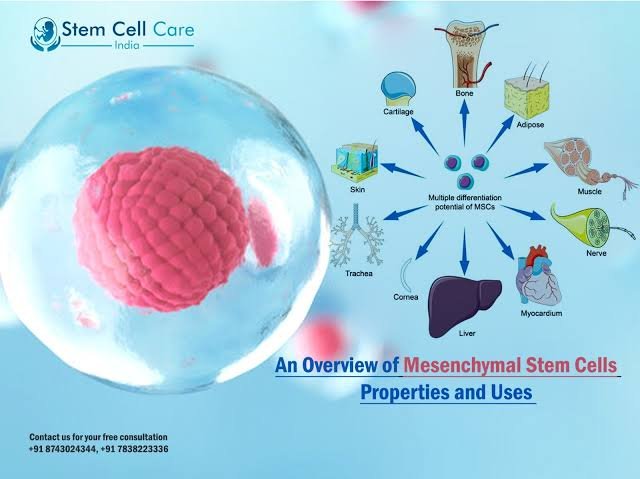
Multipotent stem cells known as mesenchymal stem cells can self-renew and specialize into many cell types. Put differently, mesenchymal stem cells can differentiate into a wide range of cell types, such as hepatocytes, cartilage, muscle, tendon/ligament, bone, and adipose tissue.
Mesenchymal stem cells support tissue homeostasis and function, adaptability to changing metabolic or environmental demands, and tissue repair by aiding in tissue regeneration and differentiation.
To Sum Up. Numerous studies have been conducted on the processes behind mesenchymal stem cells (MSCs). Their many capacities, such as self-renewal, immunomodulatory, anti-inflammatory, signaling, and differentiation features, have been described in several investigations. Because of these qualities, MSCs can be used for various degenerative disorders in a range of therapeutic contexts.
Mesenchymal stem cells (MSCs) produced from umbilical cord tissue (UC-MSCs) are beginning to show signs of potency compared to other sources, which might increase their therapeutic usefulness.
Utilizing mesenchymal stem cells (UC-MSCs) produced from umbilical cord tissue and obtained from an FDA-compliant laboratory, Stem Cell Care India offers enhanced stem cell therapy. Many autoimmune disorders, including Parkinson's, Crohn's disease, multiple sclerosis, and others, can be treated by Stem Cell Care India.
04Conditions Where MSCs Are Investigated
Topic 04 of 4
A cell type studied across several disease categories.
- Orthopedic conditions such as osteoarthritis and degenerative disc disease
- Autoimmune and inflammatory conditions, including rheumatoid arthritis
- Neurological conditions, often alongside standard rehabilitation
- Aging and wellness applications related to systemic inflammation
Frequently Asked Questions
What patients want to know about MSC sourcing and use.
What is mesenchymal stem cell (MSC) therapy?+
It's the investigational use of mesenchymal stem cells — sourced from bone marrow, fat, or umbilical cord tissue — for their anti-inflammatory and tissue-support properties.
Where do mesenchymal stem cells come from?+
Common sources are the patient's own bone marrow or fat tissue (autologous), or consented umbilical cord tissue from a screened donor (allogeneic).
Are mesenchymal stem cells from cord tissue safe to use?+
Cord tissue donations are screened and the resulting cells undergo GMP processing and viability/sterility testing before any use, as detailed on our production of stem cells page.
What conditions are MSCs studied for?+
MSCs are investigated across orthopedic, autoimmune, neurological, and aging-related conditions, though outcomes are not guaranteed for any of them.
Is MSC therapy the same as bone marrow transplant?+
No. A bone marrow transplant replaces the blood-forming (hematopoietic) system, typically for blood cancers, while MSC therapy uses a different cell type for tissue-support and anti-inflammatory purposes.
See also: Why Mesenchymal Stem Cells Umbilical Cord Stem Cell Therapy Bone Marrow-Derived Injections Fat-Derived Stem Cell Injections How Stem Cell Therapy Works Production of Stem Cells Amniotic-Derived Activator Injections Stromal Vascular Fraction (SVF)
Ready to find out if you're a candidate?
Share your diagnosis and reports and our medical team will get back with a free, doctor-reviewed opinion — no obligation.
Related Videos
More videos from the Stem Cell Care India team and our patients.
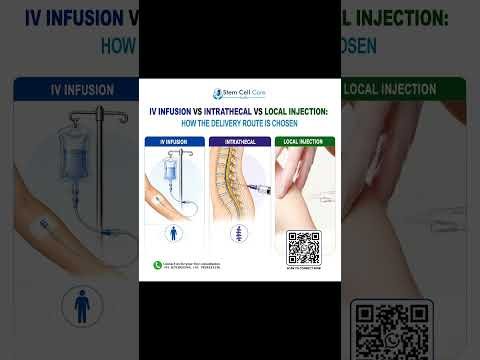
IV Infusion vs Intrathecal vs Local Injection: How the Delivery Route Is Chosen Not every stem cell
IV infusion vs intrathecal vs local injection — how the delivery route is chosen for each patient
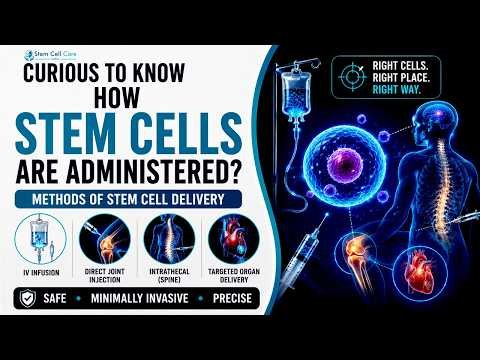
Curious to know how stem cells are really given to patients? | IV, Intrathecal & Local Injections
Osteomalacia Recovery With Exosomes: A New Regenerative Approach | Bone Health
Continue Exploring
Related reading, picked for this page.
Stem Cell Therapy
Why Mesenchymal Stem Cells Are Used So Often
Why mesenchymal stem cell.
Read more ScienceMesenchymal Stem Cells and the Blood-Brain Barrier
Science.
Read more ScienceMesenchymal Stem Cells (MSCs): The Complete Guide
Science.
Read more Patient GuideTestimonials
Patient Guide.
Read more ResourceFrequently Asked Questions About Stem Cell Therapy…
Frequently asked questions.
Read more Get StartedAppointment
Book appointment stem cell care India.
Read more
About this guide: This page is written, reviewed, and medically approved as credited above. Content reflects the investigational status of stem cell and exosome applications under India's National Ethical Guidelines for Biomedical and Health Research (ICMR, 2017) and is not a substitute for individualized medical advice. See our full treatment disclaimer for details.
Keep exploringMesenchymal Stem Cells and the Blood-Brain Barrier5 Myths About Stem Cells: What Science Actually SaysAbout Your Condition: How We Review Your Case
Explore related topics
More depth on the subjects covered in this guide.
Why Mesenchymal Stem Cells
Why MSCs are the default cell choice.
Umbilical Cord Stem Cell Therapy
Donor-sourced MSCs with no collection procedure.
Bone Marrow-Derived Injections
Collection and use of marrow-derived MSCs.
Fat-Derived Stem Cell Injections
Mini-liposuction collection, high MSC yield.
How Stem Cell Therapy Works
The biological mechanisms behind any response.
Production of Stem Cells
How cells are sourced, isolated, and GMP-processed.
Stem Cell Therapy Glossary
Every key term defined in plain English.
Still have a question?
Every case is different. A free medical evaluation gets you a direct, physician-reviewed answer for your specific condition — typically reviewed within about 7 working days.
Keep reading
Articles You May Interest
Watch
Related Videos


Ready to take the next step?
Talk to a case coordinator about your specific condition and treatment options.
24–48hFrom sending your reports to a doctor-reviewed answer
10,000+Patients treated across 65+ countries
4.9 / 5From 196+ verified Google reviews
Sources & Further Reading
Independent public sources for checking the evidence yourself. The PubMed and ClinicalTrials.gov links open live database searches, so results update as new research is published. Listing a source here is not an endorsement of any treatment.