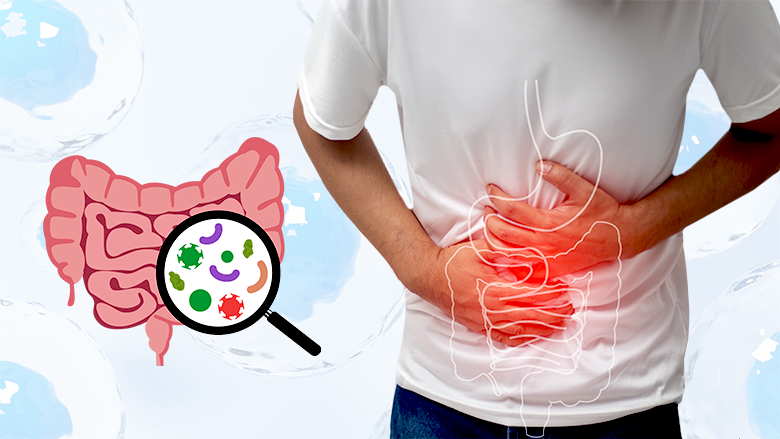
Ulcerative colitis (UC) is a chronic inflammatory bowel disease (IBD) affecting the colon, characterized by inflammation and ulceration of the inner lining. Effective quality control in managing UC revolves around several key principles.
Firstly, accurate diagnosis is crucial. This involves thorough clinical evaluation, including symptom assessment, imaging studies like colonoscopy, and histopathological confirmation via biopsy. Clear diagnostic criteria help ensure proper management from the outset.
Treatment planning in UC demands a multidisciplinary approach. Gastroenterologists, nutritionists, and sometimes surgeons collaborate to tailor therapies to the patient’s needs. Medications such as aminosalicylates, corticosteroids, immunomodulators, and biologics are used based on disease severity and response.
Monitoring disease activity and treatment response is integral. Regular assessments through clinical evaluations, laboratory tests (e.g., C-reactive protein), and imaging track progression and guide adjustments in therapy. This continuous evaluation minimizes disease flare-ups and optimizes patient outcomes.
Patient education is pivotal in UC management. Providing comprehensive information on the disease, treatment options, lifestyle modifications, and potential complications empowers patients to participate actively in their care. This enhances treatment adherence and promotes better health outcomes.
Adherence to evidence-based guidelines ensures consistency and standardization in care delivery. Guidelines from organizations like the American Gastroenterological Association (AGA) or European Crohn’s and Colitis Organization (ECCO) offer structured approaches to diagnosis, treatment, and monitoring, promoting best practices.
Lastly, ongoing research and professional development are vital. Keeping abreast of emerging therapies, diagnostic technologies, and management strategies through conferences, literature reviews, and clinical trials fosters continuous improvement in UC care.
Quality control in ulcerative colitis management hinges on precise diagnosis, multidisciplinary collaboration, vigilant monitoring, patient empowerment, adherence to guidelines, and ongoing education and research. These facets collectively ensure optimized outcomes and improved quality of life for individuals living with UC.