Immunotherapy for Prostate Cancer in India
GET IN TOUCH
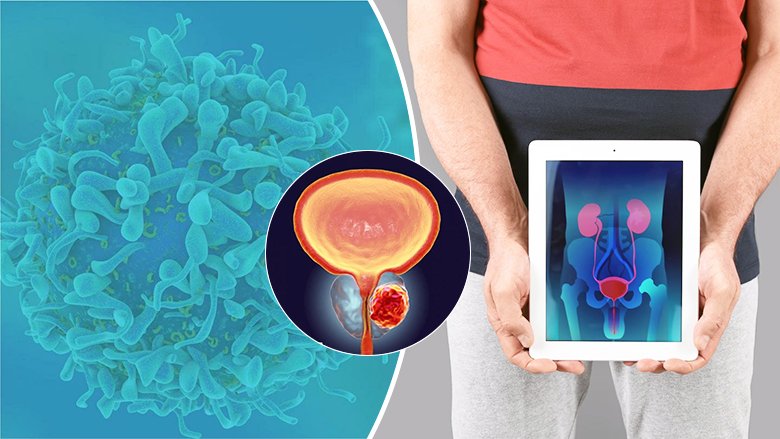
Prostate cancer is one of the most common cancers among males, especially in older age. The prostate is a small-sized gland, roughly the size of a walnut, positioned below the bladder and largely participates in the process of male reproduction. Cancer of the prostate starts when some abnormal cells of the prostate commence to grow and multiply uncontrolled. Subsequently, these cells start clumping together, forming a tumor.
There are types of the cancer that grow really slow, while the others may spread to the parts of the body such as bones or lymph nodes. Early detection of prostate cancer is vital because it increases the chances for its effective treatment. The risk of prostate cancer is considered to be higher in men over 50, particularly when there is a family medical history related to this specific disease.
Lifestyle modifications involve dietary regimens and exercises which could potentially prevent or lessen the risks of developing prostate cancer. Early check-ups and screenings can also help in earlier diagnosis among the population at risk for prostate cancer. With more medical technological advancement, most of the diagnosed men can lead a longer and healthier life after prostate cancer immunotherapy in Delhi.
Treatment Disclaimer:
We provide consultation, case evaluation, and patient support services in the field of regenerative medicine. As per current medical guidelines in India, stem cell-based interventions (other than approved indications) are considered investigational and are available only within regulated clinical research settings. For patients exploring broader options, we also assist in facilitating access to treatment pathways, including internationally accredited centers where different regulatory frameworks may apply.
Prostate cancer often starts with abnormal growth of cells in the prostate. The abnormally growing cells multiply out of control and even form a tumor. With time, they may metastasize to other parts of the body. Though the causes are not fully known, some things do raise a man’s chances of developing prostate cancer, as research has established.
The actual cause of prostate cancer is still not known, several risk factors have been associated with the development of the disease. Some risk factors are genetic, environmental and lifestyle influences which predispose a person to the disease. Understanding the possible causes could contribute to early detection and prevention.
- Age is the most significant risk factor for prostate cancer. A man’s chance of developing this cancer increases dramatically after age 50. Most cases occur in men over age 65.
- Patients can get increased risk because of family history with prostate cancer. If one’s father or brother had prostate cancer, then the risk is considered higher. This shows that there can be some sort of genetic linkage for this disease in some of the cases.
- Genetic alterations or mutations, particularly in the BRCA1 and BRCA2 genes, might increase the risk for prostate cancer. While these genetic changes are usually associated with breast and ovarian cancers, they may also affect the prostate.
- The high consumption of processed and fatty foods, along with sedentary lifestyle habits, can increase the risk for prostate cancer. Higher consumption of red meat and dairy products and lower consumption of fruits and vegetables may facilitate the development of prostate cancer.
- The high consumption of processed and fatty foods, along with sedentary lifestyle habits, can increase the risk for prostate cancer. Higher consumption of red meat and dairy products and lower consumption of fruits and vegetables may facilitate the development of prostate cancer.
- Certain hormones, such as testosterone, if high, might precipitate the proliferation of cells and cancer of the prostate. Abnormal hormone levels may increase the risk of developing prostate cancer in men.
Exposure to certain chemicals or toxins, such as farm or mining chemicals, predisposes the risk. Long-term exposure to harmful substances may eventually damage cells in the prostate.
During the early stages of prostate cancer, patients may not experience any symptoms at all. This is why continuous routine check-ups are always necessary in order to detect the disease in its early stage. As the cancer progresses, however, several signs can be manifested gradually. Recognizing these signs can avail an opportunity of early diagnosis and treatment to improve the chances of recovery:
- Frequent urination: Frequent urination is one symptom of prostate cancer, especially at night. This is because the prostate gland, if enlarged, presses on the bladder.
- Discomforting urination: Many men experience pain or a burning sensation when urinating if their prostate cancer has developed close to the urethra which is the tube that transports urine out of the body.
- Difficulty in starting or stopping urination: A problem in starting or stopping urination or weak flow should raise suspicion of prostate cancer. This is due to the effect on the passing urine from the enlargement of the prostate.
- Blood in urine or semen: One may also be warned by blood in the urine or semen. This could happen if the tumor in the prostate affects blood vessels.
- Painful ejaculation: It is yet another symptom that may further hint at prostate cancer. Note that this should be considered especially if it recurs frequently or presents with other symptoms.
- Pelvic pain: A continual ache or pain in the pelvic region due to prostate cancer could be because of a spread of the malignancy into the nearby tissues.
- Lower back pain: Prostate cancer may cause backache, particularly when the tumor metastasizes into the spine or pelvis bones.
- Unexplained weight loss: At times, unexplained weight loss in large amounts can be a symptom of prostate cancer in its later stages. The body is trying to fight the cancer, and it may also not get all the important nutrients needed in the body.
If one has any or most of the above symptoms, it will be good to seek a healthcare professional’s advice for diagnosis and treatment. Early detection of prostate cancer can go a long way toward effective management of the disease. However, it is necessary to undergo regular check-ups and screenings, especially in the case of men who have surpassed the 50-year mark or whose family members have already been diagnosed with prostate cancer.
Prostate cancer is one of the most common cancers among men, originating in the prostate gland of the male reproductive system. There exist several types of prostate cancer, and knowing the exact type is sometimes quite of great help toward choosing the best treatment option. The following are the main types:
- Acinar Adenocarcinoma: This is the most common type of prostate cancer. It arises from the cells lining the prostate gland. The most cases of prostate cancer are of this type, and it tends to grow rather slowly.
- Ductal Adenocarcinoma: It arises in the ducts of the prostate gland. It is rarer than acinar adenocarcinoma. It usually grows faster and can be sometimes more aggressive and difficult to treat.
- Transitional Cell Carcinoma: Sometimes referred to as urothelial carcinoma, this follows its origin from the cells lining the bladder and extends to the prostate. It is infrequent and tends to extend to the other areas of the urinary system.
- Small Cell Prostate Cancer: Infrequent and usually aggressive in nature. It originates from the small cells of the prostate, and due to that fact, it is capable of growing and spreading with great speed. It is often found at a further stage.
- Squamous Cell Carcinoma: This type originates in the squamous cells, which are thin and flat and cover the surface of the prostate gland. It is rarer and can sometimes grow faster than other forms.
- Neuroendocrine Tumors: These are derived from neuroendocrine cells within the prostate. These are quite rare and may be harder to manage. They may also resist ordinary treatments for prostate cancer.
- Prostatic Sarcoma: This is one of the extremely rare types of prostate malignancy that originates in the connective tissue of the prostate. It is distinct from other forms of prostate cancer and may have variable treatments.
Early diagnosis is essential to enhance the chance of effective treatment. In the diagnosis of prostate cancer, there are various tests and examinations to be performed in detecting the presence and severity of cancer. Based on that, doctors will suggest some diagnostic tests necessary for the right diagnosis. This is how diagnosis of prostate cancer is usually made:
- DRE (Digital Rectal Exam):
The doctor does a digital rectal examination by inserting a gloved finger smeared with lubricant into the rectum to feel the prostate for lumps or abnormal areas. This easy test detects changes in the size or texture of the prostate.
- Prostate-Specific Antigen (PSA) Test:
A blood test is used to measure a protein, known as PSA, that the prostate gland manufactures. The higher the levels of PSA, the greater the likelihood of prostate cancer, but high PSA can be caused by an enlarged prostate or even infection of the prostate.
If either the DRE or PSA test results are suspicious, the doctor might order a TRUS in further investigation of the prostate. A small probe is inserted into the rectum and emits sound waves that build a picture of the prostate.
- Biopsy:
Of course, when cancer is suspected, a biopsy may be recommended. A small sample of tissue from the prostate is taken out and viewed under a microscope to see if cancer cells are present. This is one of the most reliable ways to confirm the diagnosis of prostate cancer.
- MRI Scan:
Sometimes, physicians may suggest a magnetic resonance imaging scan to give them the best details regarding the prostate and structures around it. This is helpful because the extent of cancer can be ascertained outside of the prostate.
- Bone Scan or Computed Tomography Scan:
These tests are usually advised if the doctor feels that the cancer might have spread to other parts of the body. A bone scan helps in detecting whether the cancer has disseminated to the bones, while CT helps in examining the organs.
Cancer immunotherapy is a kind of treatment that enables the body’s immune system to fight against prostate cancer. The normal function of the immune system, although sometimes it requires additional encouragement, involves protection against harmful cells, such as cancer cells. Immunotherapy consists of drugs or other substances that improve the general immune response. It either stimulates the body’s natural defenses or uses man-made proteins created in the lab to have the immune system fight cancer even better.
Immunotherapy for prostate cancer treatment consists of drugs or other substances that improve the general immune response. It either stimulates the body’s natural defenses or uses man-made proteins created in the lab to have the immune system fight cancer even better. Another avenue of attack is that of checkpoint inhibitors, which block the ability of tumor cells to cloak themselves from the immune system.
While immunotherapy might not be among the first ways of treating prostate cancer, the treatment is useful for men whose cancer has spread or recurred after undergoing other forms of treatment, such as surgery or radiation. Although if responding, there is a potential improvement in health, some patients do not respond to it. Fatigue, fever, and skin reactions are generally tolerable side effects of immunotherapy. Immunotherapy is still an emerging modality and therefore offers a ray of hope toward improved outcomes in cases of prostate cancer.
Cancer immunotherapy program for prostate cancer follows the structure outlined below. In addition to this, patients can travel to their destination any time on the day following supportive therapies.
Day 1
- Transport from the Airport to the Hospital
- Mееting with thе Doctor to discusѕ in dеtail and clаrify questionѕ and concеrns.
- Completion of the admission process
- Conducting clinical еxamination and laboratory tеsts as pеr thе doctor’s rеcommеndations
- Receiving supportive therapy
Day 2
- Normal cancer immunotherapy Procedure
- Other supportive therapies
- Other counseling sessions
Day 3
- Return to supportive therapy
- Attend physiothеrapy sessions
- Perfоrm thе nеcеssary papеrwork for dischargе
- Transportation providеs back to thе Airport
Note: Make sure You get your ID proof such as Aadhar card, PAN card, Driving license with yourself. Also, bring the patient’s previous medical report to analyze.
Q1. What are the main risk factors for prostate cancer?
Ans: The most prevalent risk factors for prostate cancer are age, family history, and race. The risk significantly increases after the age of 50 years, and one is likely to get the disease if close relatives had prostate cancer. Some inherited gene changes also seem to raise risk. Additional risk factors, including obesity, tobacco use, and a diet high in red meat, may also encourage prostate cancer.
Q2. Is prostate cancer curable?
Ans: No, prostate can’t be cured but you can manage the symptoms by taking cancer immunotherapy. In this therapy, the doctor helps your immune system to fight cancer cells by enhancing its natural power. It is quite possible to have a treatment for it if the cancer has not spread from itself to the prostate. In such advanced stages, treatments are basically focused on managing the condition, rather than finding a complete cure. Its early detection through regular check-ups will improve the outcomes.
Q3. What are the symptoms of prostate cancer?
Ans: Prostate cancer often grows very slowly but in its early stages, it may not show any symptoms. However, when the cancer develops it shows symptoms like fumbling with urination, poor or interrupted flow of urine, and frequent urination, especially at night. Once the cancer has spread, painful urination, discomfort, presence of blood in the urine or semen, and pain in the lower back, hip, or pelvis may appear. Of course, these are symptoms of other conditions too, so it is best to consult a doctor for proper diagnosis.
Q4. Can prostate cancer spread to other parts of the body?
Ans: Yes, prostate cancer may spread to other parts of the body. This process is called metastasis. When prostate cancer spreads, it usually first moves into tissues that are near the prostate, such as the bladder or rectum. When more advanced cancer cells break away from where they first formed. They travel through the blood or lymph system, and form new tumors in other parts of the body, such as the bones, liver, or lungs. The most common place for prostate cancer to spread is to the bone. When cancers start spreading, treatments can be more challenging and additional symptoms may arise. However, treatments are available that can manage and slow the spread of disease.
Q5. What tests are commonly used to detect prostate cancer?
Ans: There are various tests available and used to diagnose prostate cancer. One of them is a blood test which is also known as PSA ( Prostate-Specific Antigens) test. This test is used to check the level of PSA in the blood. Higher the number of PSA means the higher the possibility of getting prostate cancer. Another one is the DRE (Digital Rectal Exam). In this test, doctors find out the cancer by checking rectum lumps or abnormalities. If these tests produce abnormal results, then a biopsy can be performed in order to take a small sample of tissue from the prostate and investigate further to confirm whether cancer is actually present at this point.
Immunotherapy in prostate cancer is believed to be the form of treatment that increases the body’s immune system in order to counteract the cancerous cells. It reinforces the general ability of the body to target and destroy prostate cancer cells. Several potential gains in the body make it a promising alternative in prostate cancer. Here are some of the improvements you can experience by using immunotherapy for advanced prostate cancer:
- Strong Immune System: Immunotherapy increases the general ability of the body’s immune system. In particular, it enables the immune cells to become more effective in identifying and targeting prostate cancer cells, thereby providing a better response against the disease.
- Reduced tumor growth: Due to enhancing the immune response, immunotherapy decreases tumor growth or stops cancer cells from growing. This can be seen in shrinking the tumor in the prostate and thus leading to better status for the patient.
- Lower Recurrence: Once the immunotherapy takes place, the immune system remembers the cancerous cells. In other words, if there is remaining cancer that eventually returns, the immune system can attack the few remaining cancer cells much quicker than if it had never gone through the process before.
- Energy Levels: Immunotherapy empowers the body to fight against cancer more effectively. Most of the time, the patients can feel an improvement in their energy levels without much problem; they are continuing with daily activities with less fatigue.
- Improved Organ Function: As the cancer is in control or decreased, organs that may have been affected, such as the bladder or the kidneys, tend to function better. The result may be reduced urination symptoms, one of the most frequent complaints of many prostate cancer sufferers.
- Improved Overall Health: With the increased immune system, on one hand, immunotherapy fights against cancer; it boosts your body against cancer or any other infection or disease. This strengthening process might lead to improved general health.
- Prolonged survival rates: Immunotherapy can boast a promise of prolonging the life of a prostate cancer patient. Better control of cancer growth might translate into longer survival times with an improved quality of life.
Immunotherapy for prostate cancer is a treatment that helps your body fight the disease by strengthening your immune system. Here is how it works:
- Enhancing Immune Response: Immunotherapeutic drugs amplify the immune response to recognize and attack cancer cells. This could enhance the immune system’s effectiveness in hunting down and destroying the prostate cancer cells.
- Targeting of cancer cells: Some immunotherapies attack by targeting. They involve special proteins or antibodies being introduced that can attach to a certain marker on the surface of cancerous cells. This helps the immune system in identifying and destroying these cells much more effectively.
- Training of Immune Cells: Some of the forms of immunotherapy are by training cells of the immune system, such as T-cells, to find and kill cancer cells more effectively. This would be done by modifying the cells out of the body, then returning them against the cancerous agent.
- Checkpoint Inhibitors: These medications take the “brakes” off your immune system. Sometimes, the cancer cells use these brakes to avoid an immune response. By blocking these brakes, the checkpoint inhibitors allow the immune system to fight cancer cells more effectively.
- Monoclonal Antibodies: These are man-made molecules which can attach to certain proteins present on the surface of cancer cells. They would enable the patient’s immune system to identify the cell containing cancer and act more powerfully against it. It can also carry toxic substances right into the cancerous cells.
At Stem Cell Care India, we will be committed to providing comprehensive and professional healthcare consulting for Prostate Cancer. We will guide and support you on each step of the way, from further understanding your diagnosis to exploring all of the best treatment options available. You will be personally looked after by a team of highly experienced consultants, each with a special interest. We will do our best to ensure that you are properly informed, receive sympathetic care, and take every effective measure to manage and treat prostate cancer. We want to make sure that you receive correct information, perfect care, and efficient means of coping with and treating prostate cancer. Your comfort and peace of mind are our highest concerns while we guide and support you through the best possible outcome.
A prostate cancer immunotherapy quality certificate ensures the treatment is done in accordance with high medical standards. It would be an assurance that the treating hospital or clinic follows high levels of safety and effectiveness strictly. The certificate would further establish that the applied immunotherapy has been researched and approved by regulatory authorities. It instills confidence in patients that their treatment is not only reliable but scientifically recognized. Also, the medical persons who are concerned with the treatment must be trained to provide the best care possible. A quality certificate provides the guarantee that the prostate cancer immunotherapy is safe, effective, and given under the supervision of an expert.
Follow-up care after prostate cancer immunotherapy is necessary for monitoring the progress of the patient and observing whether the treatment works as anticipated. By regular visits to the doctor, changes in the cancer are monitored and side effects managed. Blood tests, including PSA, and imaging tests might be carried out to determine the success rate of the treatment. Physicians also assess the patient’s condition and modify treatment if required.
Stem Cell Care India has provided me with first-class health consultancy on the treatment of my prostate cancer. Their experienced team guided me through each step of the journey with personalized advice and support. The compassionate care I went through eased a very challenging period in my life. Due to their expertise, I was absolutely sure about my treatment choices and witnessed remarkable improvement in health. I highly recommend Stem Cell Care India for any patient in need of top-quality care and guidance throughout their journey with cancer. —Shweta Pandey, India.
I am not able to thank the health consultancy of Stem Cell Care India for prostate cancer. Their expertise led me to the best specialist and provided information about the available options. They were very approachable at any time, dispelling my confusion regarding the proper treatment. They made it very comfortable to decide and thus it instills confidence when one needs it most. —Lara Nova, Bahamas.
Choosing Stem Cell Care India for health consultancy regarding my prostate cancer treatment has been one of the best decisions I ever made. They provided me with the best advice and introduced me to the most proficient doctors. The team was quite sensitive and showed compassion in helping me understand all the steps involved in the treatment. Their devotion to patient care is second to none, and I felt reassured throughout my treatment. I strongly recommend their services to any patient struggling with prostate cancer. —Mack Nethen, Switzerland.
After being diagnosed with prostate cancer, I turned to Stem Cell Care India for guidance. Their health consultancy was outstanding. They made me understand my treatment options quite nicely. They also connected me with very experienced doctors and allowed me the best possible care. Their compassion and professionalism make me confident in the midst of my problem. —Mohd Yaseen, UAE.
The cost of immunotherapy for prostate cancer will depend on a variety of factors, which include the type of treatment, how many sessions are needed, and the health facility offering the service. Generally, immunotherapy is a little more expensive than more conventional types of treatments, like chemotherapy or surgery. Because the technology used is very advanced and therapy can be very individualized. Additional treatment costs may be added to the price, including extra hospital stays, doctors’ fees, and follow-up care. The exact estimate can be provided by the doctor to the patients, as the treatment plans or locations may vary in costs.
Immunotherapies for prostate cancer have shown great promise over the years. Although the outcomes can be generally varied, many patients experience remarkable results, especially when these immunotherapies are given in combination with other forms of therapy, such as radiation or chemotherapy. With this type of therapy, the immune system focuses its attention on attacking the substance that has been introduced into the body; this is a way cancer might shrink, or at least its growth may be slowed. But how well this particular therapy might work relates to things such as the stage and general health of the patient. However, not every patient is responsive to this treatment, immunotherapy has become an option in hopeful cases of advanced prostate cancer.
Immunotherapy for the treatment of prostate cancer is a mode of treatment that employs the body’s defense mechanisms. This treatment works by enhancing a patient’s general resistance and allowing the attack and destruction of prostate cancer cells. Normally, this is used in those cases when other means of surgery or radiation are inadequate to get rid of the prostate tumor. The treatment of prostate cancer through immunotherapy has a number of benefits for those suffering from it. Let’s learn about some advantages of immunotherapy for prostate cancer:
- It further develops your immune response and builds a more effective attack plan against the cancerous cells.
- Unlike the different forms of chemotherapy, immunotherapy treatment will only kill the cancerous cells, while it leaves the healthy cells intact.
- Immunotherapy is known for having less side effects compared to other forms of treatments like chemotherapy or radiation. Fewer chances to feel nausea, fatigue, and hair loss.
- Such treatment may train the immune system against cancerous cells and can subsequently offer the person long-term protection, even when the active treatment has come to a stop.
- It is outstanding even better for slowing disease progression in metastatic or hormone-refractory prostate cancer.
Combination immunotherapy with any other type of treatment both surgery and radiation, or chemotherapy may be done to increase the overall effectiveness.
Quality control in prostate cancer immunotherapy refers to the assurance of safety and efficacy through monitoring and regulation from the very development of the therapy to its application in patients. This helps in averting errors, ensuring uniformity in the treatment outcomes, and minimizing risks to patients. Some features of quality control in prostate cancer immunotherapy include:
- Laboratory standards: Protocols of strictness are in place concerning cleanliness and the lack of contamination in the making process of the drugs of immunotherapy.
- Testing: Testing is carried out on batches to ensure that the batches produced meet standards of safety and efficacy before being administered to the patients.
- Dosage control: There must be an accurate dosage because too much can generate side effects and ensure that the treatment is appropriate.
- Monitoring of the patient: The patients are continuously monitored for the response of the treatment and any adverse reactions as early as possible.
- Training to staff: Doctors and nurses along with all the personnel involved in providing treatment need to be trained in handling immunotherapy to reduce risks.
- Documentation: Records of every treatment are duly maintained so that the guidelines pertaining to quality control are followed.
Information on immunotherapy concerning prostate cancer is strictly general in nature and should not be considered medical advice. Treatment should always be under the hands of a qualified healthcare professional. Results cannot be guaranteed and may vary from patient to patient, and may be dependent upon factors such as the patient’s condition, age, and past medical history. This can also have possible side effects, so it’s important to discuss all options with your doctor. Results are not guaranteed by the provider, and all treatment plans may be individualized based upon the particular needs and circumstances of the patient. Always consult a professional for proper diagnosis and care.
Research & Publications
Sipuleucel-T Dendritic Cell Vaccine for mCRPC: IMPACT Phase III Trial
Kantoff PW et al.
New England Journal of Medicine
https://doi.org/10.1056/NEJMoa1001294
NK Cell Therapy for Castration-Resistant Prostate Cancer: Phase I/II
Cheng M et al.
Cellular & Molecular Immunology
https://doi.org/10.1038/cmi.2013.17
CAR-NK Cells Targeting PSMA for Metastatic Prostate Cancer
Liu E et al.
New England Journal of Medicine
https://doi.org/10.1056/NEJMoa1910607
DC Vaccine for Biochemically Recurrent Prostate Cancer: Tumor Antigen Loading
Burgdorf SK et al.
Cancer Immunology, Immunotherapy
https://doi.org/10.1007/s00262-008-0543-8
iPSC-Derived NK Cells for PSMA+ Prostate Cancer: Cytotoxic Profiling
Zhu H et al.
Cell Stem Cell
https://doi.org/10.1016/j.stem.2020.02.011
Allogeneic NK Cell Therapy Following Enzalutamide Failure in CRPC
Bachanova V et al.
Blood
https://doi.org/10.1182/blood-2018-01-827691
PROVENGE Real-World Effectiveness: 5-Year Registry Data
Liau LM et al.
JAMA Oncology
https://doi.org/10.1001/jamaoncol.2018.1273
Bispecific Antibody-Armed NK Cells for PSMA-Expressing Prostate Tumors
Gleason MK et al.
Molecular Cancer Therapeutics
https://doi.org/10.1158/1535-7163.MCT-11-0906
Tumor-Infiltrating Lymphocyte Therapy for Hormone-Resistant Prostate Cancer
Zhang C et al.
Journal for ImmunoTherapy of Cancer
https://doi.org/10.1186/s40425-017-0219-1
Cord Blood NK Cells Plus PD-1 Blockade for Metastatic Prostate Cancer
Geller MA et al.
Bone Marrow Transplantation
https://doi.org/10.1038/bmt.2011.104
Ask Your Query
We Also Offer Treatments For
Beyond neurological care — exploring holistic treatments for a better quality of life.
GET IN TOUCH
Ready to Start Your Journey
Our Experts Are Available To Answer All Your Questions.
Our Testimonials
Real Results. Real Patient Experiences.




GET IN TOUCH
RELATED DISEASE
Explore Conditions We Treat
Discover how stem cell therapy is making a difference in a wide range of diseases and helping patients lead healthier, better lives.

Stem Cell Treatment for Erectile Dysfunction in Delhi, India
Other Disease›

Stem Cell Treatments for Congestive Heart Failure in India
View Details›

Stem Cell Treatment for Glaucoma in Delhi, India
View Details›

Stem Cell Treatment for Septo Optic Dysplasia
View Details›
GET IN TOUCH
RELATED VIDEOS
RECENT BLOG POST





GET IN TOUCH
Explore our Clinical Research Hub for scientific publications, treatment evidence, and ongoing regenerative medicine research.
Content authored and reviewed by qualified members of our medical team | Last updated: 20 July 2026
Reach Us

Stem Cell Care India
info@stemcellcareindia.com
H-23/ B Top Floor
Abul Fazal Enclave, Part 1, Jamia Nagar
New Delhi - 110025,
INDIA
International Patient: + 91-8743024344
Indian Patient: + 91-7838223336
WhatsApp at + 91-8743024344