Book Your Appointment


    International Patients : +91 8743024344,  Indian Patients : +91 7838223336
    Patient Reviews Bone Marrow Transplant
    Centre of Excellence
    ✕
    HomeHome
    • About Us
      • Overview
      • Our Team
      • Medical Tourism Company
      • Our Vision & Mission
      • Contact the board
      • Business Strategies
      • Standards and Certificates
      • Stem Cell Scientists & Laboratory Team
      • Opportunities
      • The Brand
      • Medical Team
      • Quality Commitment
      • Quality Control
      • Philosophy
      • International Patient Support Team
      • Contact Us
    • Science
      • Production of Stem Cells
      • How to Choose Right Cells
      • Boosting Stem Cell Therapy
      • Stem Cells
      • Stem Cell Therapy
      • Stem Cell Therapy Safety and Risks
      • Stem Cell Therapy Protocol
      • Platelet Rich Plasma
      • Success Rate of Stem Cell Therapy
      • MSCs
      • Mesenchymal Stem Cells & The Blood Brain Barrier
      • Stem Cells
        • Stem Cell Collection
        • Body’s Stem Cell Bank Account
        • Sources of Adult Stem Cells
        • Types of Stem Cells
        • Limitations of Stem Cell
      • About Stem Cells
      • Stem Cell Care India
      • How Does Stem Cell Therapy Work?
      • Stem Cell Processing
      • Totipotent and Pluripotent Stem Cells
      • Stem Cell Activators
      • Cell Regeneration Therapy
      • Functional Medical Therapies
    • Stem Cell Therapy
      • How Stem Cell Therapy Works
      • Type of Stem Cells
        • Embryonic Stem Cell Therapy Stem Cell
        • Induced Pluripotent Stem Cell
        • Bone Marrow Stem Cell
        • Umbilical Cord Tissue Stem Cell
        • Adipose Tissue Stem Cell
        • Umbilical Cord Blood Stem Cell
        • Stem Cell Therapy Limitations
      • Limitations of Stem Cell Treatment
      • FLOW CHART
      • Mesenchymal Stem Cell Therapy
      • Stem Cell Therapy Safety
      • Why India for Stem Cell
      • Stem Cell Treatment Advantages
      • Stem Cell Therapy Glossary
      • Stem Cell Treatment Awareness
      • Supportive Therapies
      • Why Mesenchymal Stem Cell
      • About your Condition
      • Stem Cell Treatment Procedure
      • Stem Cell Delivery Method
      • 5 Myths About Stem Cells
      • Adverse Effects of Stem Cell Therapy
      • Utilizing Placental Stromal Cells for Treatment
      • Stromal Vascular Fraction SVF Cells
      • Pricing of Stem Cell Treatment
      • Bone Marrow Derived Stem Cell Injections
      • Three-Pillar Regenerative Approach
      • Amniotic Derived Stem Cell Activator Injections
      • Umbilical Cord Stem Cell Therapy
      • Fat Derived Stem Cell Injections
      • Why Stem Cell Therapy Costs Vary
    • Immunotherapy
      • Immunotherapy for Kidney Cancer
      • Immunotherapy for Liver Cancer
      • Immunotherapy for Lung Cancer
      • Immunotherapy for Pancreas Cancer
      • Immunotherapy for Prostate Cancer
    • Exosome Therapy
      • Aging and Longevity
        • Exosome Treatment for Major Skin Abrasions
        • Exosome Treatment For Anti-Aging
        • Exosome Treatment For Feel Fit
        • Exosome Treatment For Hair Loss
        • Exosome treatment for Look Fit
        • Exosome treatment for Skin Burns
        • Exosome Treatment For Vitiligo
      • Neuro Disorder
        • Exosome Treatment For Cerebral Palsy
        • Exosome Treatment For ALS/MND
        • Exosome Treatment For Alzheimer’s Disease
        • Exosome Treatment For ATAXIA
        • Exosome Treatment For Brain Injury
        • Exosome Treatment For Intellectual Disabilities
        • Exosome Treatment For Multiple Sclerosis
        • Exosome Treatment For Muscular Dystrophy
        • Exosome Treatment For Diabetic Neuropathy
        • Exosome Treatment for Parkinson’s Disease
        • Exosome Treatment for Spinal Muscular Atrophy
        • Exosome Treatment For Stroke
      • Eye Disorder
        • Exosome Treatment for Age Related Macular Degeneration
        • Exosome Treatment For Eye Injuries
        • Exosome Treatment For Glaucoma Disease
        • Exosome Treatment For Optic Nerve Atrophy
        • Exosome Treatment For Optic Nerve Hypoplasia
        • Exosome Treatment For Optic Neuropathy
        • Exosome Treatment For Retinitis Pigmentosa
        • Exosome Treatment For Retinal Detachment
        • Exosome Treatment For Retinopathy
      • Organ Specific
        • Exosome Treatment For Buerger’s
        • Exosome Treatment For Cardiovascular
        • Exosome Treatment For Critical Limb Ischemia
        • Exosome Treatment For Erectile Dysfunction
        • Exosome Treatment For Kidney Disorder
        • Exosome Treatment For Liver Disease
        • Exosome Treatment For Lungs Disease
      • Infertility
        • Exosome Treatment For Female Infertility
        • Exosome Treatment For Male Infertility
      • Orthopedic
        • Exosome Treatment For Ankylosing Spondylitis
        • Exosome Treatment for Avascular Necrosis
        • Exosome Treatment For Degenerative Disc
        • Exosome Treatment For Fibromyalgia
        • Exosome Treatment For Osteoarthritis
        • Exosome Treatment For Osteomalacia
        • Exosome Treatment For Osteopenia
        • Exosome Treatment For Osteoporosis
        • Exosome Treatment For Rheumatoid Arthritis
        • Exosome Treatment For Sciatic Nerve Injury and Sciatica
        • Exosome Treatment For Shoulder Injury
        • Exosome Treatment For Spinal Cord Injury
        • Exosome Treatment For Sports Injuries
        • Exosome Treatment For Systemic Lupus
      • Other Disease
        • Exosome Treatment Diabetic Nephropathy
        • Exosome Treatment For Connective Tissue
        • Exosome Treatment For Diabetes
        • Exosome Treatment For Diabetic Foot Ulcer
        • Exosome Treatment For Diabetic Neuropathy
        • Exosome Treatment For Down Syndrome
        • Exosome Treatment For Pancreatitis
        • Exosome Treatment For Type1 Diabetes
        • Exosome Treatment For Type 2 Diabetes
        • Exosome Treatment For Wound
    • Supportive Therapy
      • Exosome Therapy in Delhi, India – Stem Cell Care India
      • Behavioral Therapy
      • Diet Counselling
      • Gene Therapy in India
      • Psychological Intervention Treatment India
      • Rehabilitation Therapy in India
      • Speech Therapy in India
      • Spinal Cord Injury Walking Track
      • Physiotherapy in India
      • Occupational Therapy in India
      • Hyperbaric Oxygen Therapy in India
      • Nutrition Therapy in India
      • Acupuncture Therapy in India
      • Epidural Stimulation Treatment in India
      • Nerve Growth Factor Treatment in India
      • Transcranial Magnetic Stimulation Therapy in India
      • Aqua Therapy in India
      • Natural Killer Cells
      • Cancer Using Dendritic Cells
      • Peripheral Blood Treatment
      • Platelet Rich Plasma
    • Diseases Treated
      • Neurological disorders
        • Neuropathy
        • Intellectual Disabilities
        • ALS/MND
        • Parkinson’s Disease
        • Cerebral Palsy
        • Muscular Dystrophy
        • Alzheimer’s disease
        • Brain Injury
        • Multiple Sclerosis
        • Stroke
        • Spinal Muscular Atrophy
        • ATAXIA
        • Global Developmental Delay
        • Encephalomyelitis
        • Encephalo Dysplasia
        • Viral Encephalitis
        • Syringomyelia
        • Hypoxic Ischemic Encephalopathy
        • Peripheral Neuropathy
      • Organ Specific
        • Obesity & Metabolic Syndrome
        • Myocardial Infarction Heart Attack
        • Ischemic Heart Disease
        • Congestive Heart Failure
        • Liver Disease
        • Kidney Disorder
        • Cardio Vascular
        • Lungs Disease (COPD)
        • Buerger’s Disease
        • Critical Limb Ischemia
        • Erectile Dysfunction
      • Eye Disorders
        • Optic Nerve Atrophy(ONA)
        • Age Related Macular Degeneration
        • Retinitis Pigmentosa
        • Optic Nerve Hypoplasia
        • Optic Neuropathy Stem Cell Treatment
        • Eye Injuries Stem Cell Treatment
        • Stem Cell Treatment for Retinopathy in Delhi, India
        • Glaucoma Disease
        • Retinal Detachment
        • Septo Optic Dysplasia
      • Orthopedic
        • Chronic Back Pain
        • Osteoarthritis
        • Fibromyaligia
        • Osteoporosis
        • Osteopenia
        • Osteomalacia
        • Systemic Lupus
        • Spinal Cord
        • Rheumatoid Arthritis
        • Sports Injuries
        • Ankylosing Spondylitis
        • Avascular Necrosis
        • Degenerative Disk
        • Sciatic Nerve Injury & Sciatica
        • Shoulder Injuries
        • Cartilage Repair
      • Aging & Longevity
        • Vitiligo
        • Anti- Aging
        • Look Fit
        • Hair Loss
        • Skin Burns
        • Major Skin Abrasions
        • Feel Fit
        • Body Performance
        • Supportive Care
      • Diabetes
        • Type 1 Diabetes
        • Type 2 Diabetes
        • Diabetic Foot Ulcers
        • Diabetic Nephropathy
        • Diabetic Neuropathy
      • Other Disease
        • Alcohol Related Liver Disease
        • Chronic Pancreatitis
        • Hashimoto’s Disease
        • Sjogren’s Syndrome
        • Down Syndrome
        • Wound
        • Connective Tissue
        • Pancreatitis
        • Ulcerative Colitis
        • Psoriasis
        • Inflammatory Bowel Disease
        • Sensorineural
        • Crohn’s Disease
      • INFERTILITY
        • Female Infertility
        • Male Infertility
        • Peyronie’s Disease
    • Patient Guide
      • Country Specific Services
        • Africa Services
        • Asia Services
        • Europe Services
        • North America Services
        • South America Services
        • Oceania / Australia Services
      • International Patient Facilities
        • Get Expert Opinion
        • Plan Your Visit
        • Contact Us
        • Facilities
        • Alliance Partners
        • Become Our Partner
        • Virtual Tours
        • Accommodation Services
        • Post Treatment Care
        • Medical Visa Process
        • Immigration Services
        • FAQ
        • FLOW CHART
        • Indian Embassies
      • Domestic Patients
        • Facilities
        • Expat Services
        • Get Expert Opinion
        • Accommodation
        • Virtual Tours
        • Contact Us
        • Allian Patients
        • Plan Your Visit
        • Testimonials
        • FAQ
      • Patient Care & Services
        • Admission Process
        • Free Services
        • Guidelines for Visitors
        • How We Will Help You
        • Patient and Attendant Responsibilities
        • Patient and Attendant Rights
        • Quality Standards & Patient Safety
        • Interpretation Services
        • Discharge Process
        • Patient Safety
        • The Indian Choice
        • Translation
      • Nutritional Counseling
      • Indian Travel Help Desk
      • Patient Information Form
      • Patient Diets
      • Testimonials
      • Media
      • Contact Us
    • FAQ
      • VIP Treatment
      • Production of Stem Cells
      • Pricing
      • Safety and Guarantees
      • Enrolment Step
      • Disease and Therapy FAQ’s
      • Client Care & Travel Support
      • Stem Cell Therapy Services & Procedures
    Schedule An AppointmentClick Here
    phone-icon
    Quick EnquiryClick Now
    doctor-icon
    Contact UsIt's so fast
    phone-icon
    Live Tele ConsultationsSchedule It For Free

    Stem Cell Treatment for Retinal Detachment in Delhi, India

    • Home
    • >
    • Stem Cell Treatment for Retinal Detachment in Delhi, India
    Published on: March 3, 2021
    |
    Updated on: December 19, 2025
    Written By: Nishat Arfin
    |
    Scientific Review By: Tabish Iqbal
    |
    Medically Approved By: Stem Cell Care India Medical Team
    Stem Cell Treatment for Retinal Detachment in Delhi, India
    GET IN TOUCH
    Get Free Medical Evaluation → Upload Medical Reports →
    Stem Cell Treatment
    Exosome Therapy
    Testimonial Video
    Latest Blog
    • Overview
    • Symptoms
    • Diagnosis
    • Treatment
    • Procedure
    • Implantation
    • Improvement
    • Mechanism
    • Follow-Up
    • FAQ's
    • Our Promise
    • Treatment results
    • Testimonials
    • Types
    • Cause
    • Cost
    • Success Rate
    • Advantages
    • Quality Control
    • Related Disorders
    • Trеatmеnt Disclaimеr
    • Country Specific

    Overview

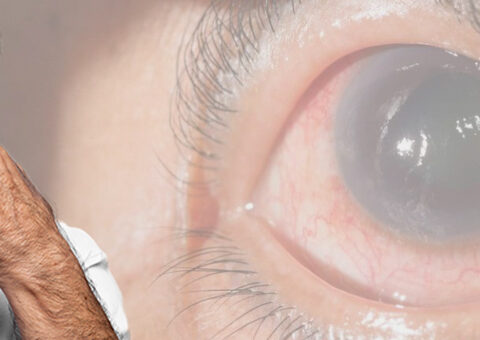
    Retinal detachment is a severe eye disease that occurs when the retina, a light-processing component of tissue at the back of the eye, moves away from the surrounding tissue. It’s also known as disconnected retina by physicians.

    If you don’t get care right away, you might lose your vision forever because your retina can’t function properly. Create an appointment with the eye doctor or pay for someone to accompany you to the emergency department.

    Do you know about Retinal Detachment?

    There’s typically no way to avoid retinal detachment because it’s caused by ageing. When engaging in high-risk events, such as athletics, you can reduce the risk of retinal detachment by wearing safety goggles or other protective eye gear.

    If you think you have a retinal detachment, see the eye specialist or go to the emergency department right away. Early therapy may help avoid vision damage that is severe.

    It’s also important to get extensive dilated eye tests on a daily basis. A dilated eye test can help the eye doctor spot a minor retinal tear or separation before it causes vision issues.

    • Someone can experience retinal detachment.
    • If you have an eye injury or trauma (such as something hitting your eye), you should see an eye doctor right away to rule out retinal detachment.
    • It’s normal to see a few floaters (small dark spots or squiggly lines) in your vision, but if you notice a lot more floaters than usual, get your eyes checked right away.

    Symptoms

    An unattached retina causes no discomfort. It will occur without advance notice. many new “floaters” (small flecks or threads in your vision)

    A “curtain” or “obscurity” that descends to obscure your view, whether to the sides or in the middle

    You may have a detached retina until the retina tears. A detached retina can also be followed by signs including a broken retina. In the case that the retina is torn, a leak will develop in the fluid around your eye, separating the retina from the underlying tissue. A retinal detachment is occurring.

    Create an appointment to visit the eye doctor as soon as possible. If the problem can be addressed in the workplace, they can use a laser technique to solve it. The more it detaches, the more serious your surgery will be.

    Diagnosis

    Diagnosis of Retinal Detachment

    Retinal detachment can be classified into three distinct categories:

    There is retinal vein leakage. This is the most frequently seen variation. A retinal tear triggers it. On the whole, ageing is a big cause of it. This is because when the vitreous gel that covers your eyeball steadily pulls away from the retina, you lose your eyesight. The disease is termed nearsightedness, which is the result of either eye surgery or an injury to the eye, as well as refractive error.

    Acceleration-sensitive. This kind of retinal detachment occurs if the retina has been weakened by diabetes, usually when the blood vessels in the back of your eye have been compromised.

    [in order to] cause exudation. If there is a buildup of fluid behind the retina, this type exists. As the fluid moves the retina away from the tissue behind it, it allows space for new cells to expand. Many common disorders are caused by leaky blood vessels, such as inflammation, and age-related macular degeneration.

    Your doctor will recommend eye drops that dilate (widen) your pupil. To check the retina’s state, they can use a special instrument called a retinal ophthalmoscope. As well as snapping a snapshot of your retina, they will even like to capture your retinas’ blood vessels.

    Treatment

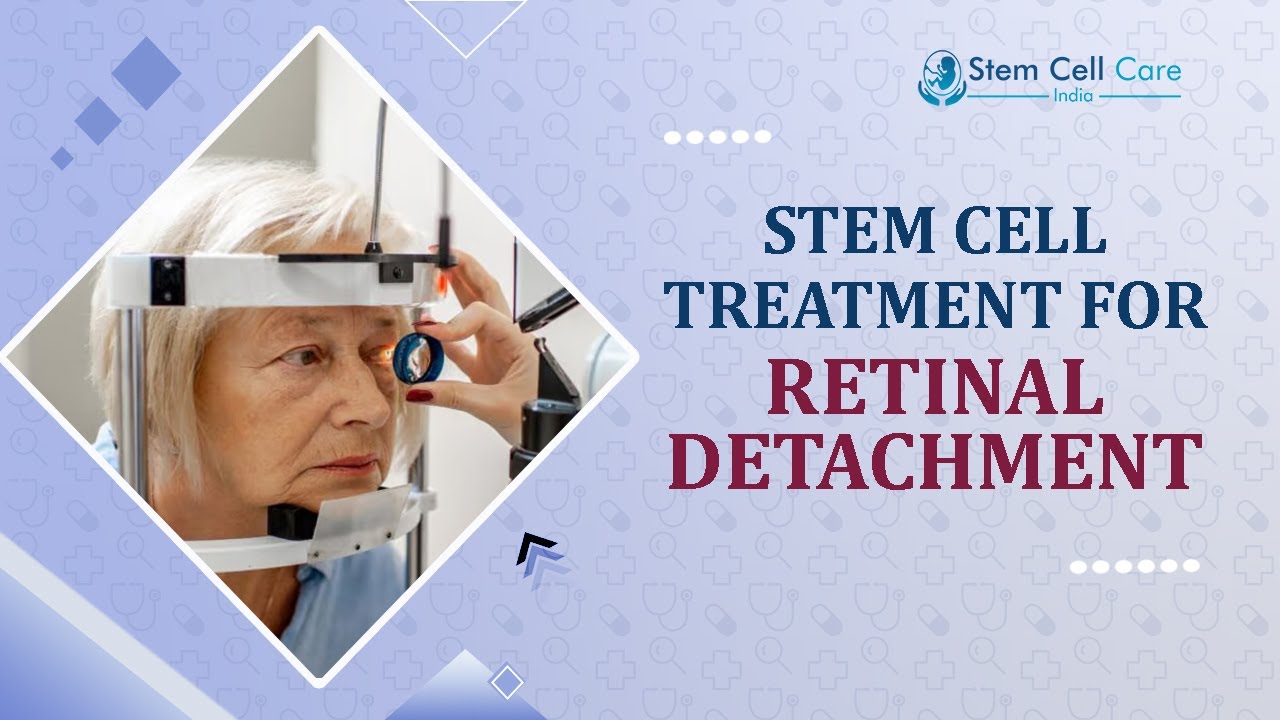
    Get Stem Cell Therapy for Retinal Detachment

    The pigmented layer of cells present in the retina, called the retinal pigment epithelium (RPE), is bundled between the photoreceptors and the nourishing blood vessels found in the back of the eye. The RPE works hand-in-hand with the photoreceptors in the retina to maintain clear vision. In the development of age-related macular degeneration and sub-types of retinitis pigmentosa, the RPE plays a central role. Progressive deterioration of vision, culminating in blindness, frequently follows these disorders.

    Procedure

    Day 1-

    • Pick up from the Airport to the Hospital
    • Interaction between Dr and Patient, to clear all their doubts at that time
    • Admission procedure
    • Clinical examination & Lab test will be done prescribed by the doctor
    • Supportive Therapy


    Day 2-

    • Stem cell Procedure
    • Supportive therapies
    • Physiotherapy


    Day 3-

    • Supportive Therapy
    • Physiotherapy
    • Discharging formalities
    • Drop back to the Airport

    Note:

    • For Admission, carry the identity card (Passport/ Pan Card / Driving License)
    • Carry the hard copy of Patient reports

    Implantation

    The following is the structure that is followed during the implantation stage:

    • Intravenous administration
    • Liberation angioplasty
    • Intrathecal (lumber puncture)
    • Intraarterial
    • Subcutaneous
    • Surgical administration for stroke
    • Intramuscular

    Improvement

    Stem cell therapy is a new method of restoring the health of eyes. It is the use of special regenerative cells that allows the repair and renewal of damaged eye tissues. The patients gain from the therapy by gaining not only better eye health but also several other life-quality improvements. The benefits are gradual as the treated cells begin to take action, leading to long-term stability and ease. Most of the patients experience improvement in clarity of vision, decreased discomfort, and enhanced daily functioning. This treatment provides hope for long-term recovery and enhanced living. Significant improvement after stem cell therapy:

    • Enhanced Visual Clarity: Patients often experience enhanced vision, thereby enabling them to perform activities such as reading, walking, and facial recognition with ease.
    • Improved Light Sensitivity: Stem cells help reduce sensitivity to light, making it easier to adapt to indoor and outdoor lighting conditions.
    • Improved Contrast Vision: The majority of patients experience improved contrast vision for color and shade differentiation, aiding in driving, work, and overall comfort.
    • Reduced Eye Strain: Stem cell repair reduces unnecessary eye strain, leading to reduced fatigue and headaches from constant eye effort.
    • Eye Tissue Healing Support: The procedure fortifies and repairs retinal tissues, guaranteeing long-lasting balance in eye health.
    • Improved Balance and Coordination: When vision is stabilized, patients usually experience improved body balance and coordination, leading to improved mobility and confidence.
    • Boost in Emotional Well-being: With improved vision, individuals gain confidence and independence, which helps in mental well-being and reduces stress caused by vision loss.

    Mechanism

    The stem cell/retinal cell integration platform is focused on doing a perfect job of restoring the retinal cells that have been destroyed as a result of retinal degeneration. To replicate the retinal cells as similarly as possible, these cells should be more analogous to the retinal cells. As this form of cell therapy has been attempted before in the treatment of macular degeneration, in which the peripheral retina’s autologous Retinalpigmentepithelium (RPE) cells are transplanted into the submacular space, it still has the ability to yield positive results. However, the insufficient availability of these cells and genetic deficiencies have limited the effectiveness of cell replacement therapy in such patients. The retinal cells that are derived from the stem cells are an infinite supply of stem cells for cell replacement therapy.

    Alternatively, the stem cells could be grown in an incubator in vitro. This process of inserting a large number of cells into the subretinal space takes some time and it is performed after the large number of cells have formed. Nevertheless, the daunting challenge of maintaining the cultured cells alive in the artificial atmosphere necessitates continuing maintenance of the setting. Additionally, we will use pluripotent cells found in the skin or other tissues, resulting in a more complex approach. In order to grow the retinal pigment epithelium cells, these stem cells were returned to the embryonic stage and differentiated. Any process of developing and injecting cells into the subretinal space carries with it inherent difficulties. When performing the procedure, most of the cells die, with some cells failing to adhere to the retina and still remaining in the subretinal space. For several of these questions, modern therapies focus on tissue engineering. This RPE cell-retinal cell integration technology assists in achieving the necessary RPE cell integration with the retina.

    The retinal condition was treated using the designed microsurgical instrument and the RPE patch engineered to contain a monolayer of human embryonic stem cells. There was an increase in visual acuity in all the patients that received this treatment. The regeneration and longevity of retinal pigment epithelium cells contributed to the change in vision. Immunosuppressive medications were the only form of medication offered. One thing is for sure: With stem cell therapies, patients today have several more treatment opportunities for multiple eye disorders.

    Retinitis pigmentosa is a hereditary condition that starts with gradual weakening of the retina and progresses to complete blindness. Currently, no effective treatment options exist for the condition. A substantial number of these studies use primates. This disease is currently in the early stages of progress for stem cell treatment. Stargardt’s maculardystrophy is a disorder in which patients undergo stem cell treatment in order to create a proof-of-concept.

    An alternative way to regenerate retinal cells is by using Muller glial cells. There is a retinal healing process, like the one in Zebrafish, in cold-blooded vertebrates. The Muller glial cells function as a reservoir of retinal stem cells to assist with retinal damage repair. However, the Muller glial cells (cells in the brain) are not able to go through the cell cycle and differentiate into retinal cells in mammals. Researchers are undertaking human clinical trials to determine whether stem cells derived from these cells could be used for treatment of the eye.

    While the stem cell therapies are in their early stages, great strides have been made in their development, and a number of potential treatments for retinal diseases are in the process of being discovered.

    Follow-Up

    Stem Cell Care India extends the best stem cell treatment with the right tools and equipment along with expert help. You might want to visit a doctor after treatment to be sure that you are healed and feeling better.

    FAQ's

    What injuries typically cause retinal detachments?

    Bottle rockets, BB guns, racquetball, tennis, golf, soccer, boxing, and diving injuries can lead to retinal detachment.

    If one eye develops retinal detachment will the other develop it as well?

    Detachment is more likely to occur if the other eye has the condition (such as lattice degeneration) associated with retinal detachment in the first eye. If only one eye suffers a serious injury or requires eye surgery then, of course, the chance of detachment in the other eye is not increased by the event.

    Can retinal detachment be treated?

    Yes. Early diagnosis and proper treatment is recommended to restore your vision. A small tear in the retina can be treated by laser or gas (Pneumatic Retinopexy). These procedures are in-office procedures. For larger detachment, a scleral buckle procedure is recommended. This procedure is done in a surgical center.

    Our Promise

    At Stem Cell Care India, we strive to provide only the best and most technologically advanced solutions available in the market today. We assign our expert doctors who conduct tailored procedures that are guaranteed to meet each individual patient’s needs in a safe, risk-free environment. For our patients, safety comes above all else and because of this, it is our goal at Stem Cell Care India to give you the necessary support throughout your healing process so you can get the treatment and care you deserve!

    In our quest to be one of the premier stem cell firms in India, we have identified the incredible potential for stem cells to cure a variety of diseases. Many companies are currently trying to get into the business of stem cell treatments, but they lack the specialized training and expertise required to provide this service. This is where we come in. Stem Cell Care India is made up of experts who specialize in the growing industry of stem cell treatment. We strive to improve access to quality care, streamline procedures, and offer services at a reasonable cost while training aspirants in a wide range of specialties related to all facets of this rapidly expanding field.

    Treatment results

    Several studies have looked into the cellular and therapeutic efficacy of MSC-derived factors, cells, and engineered MSCs for the restoration of retinal damage, with positive outcomes. For example, extracellular vesicles derived from human BM-MSCs significantly protected RGCs and prevented retinal nerve fiber layer thinning.

    Given this potential benefit in numerous areas, stem cell therapy remains a solid option for the treatment of retinal degeneration. In addition to transplanting stem cells and their derivatives, future therapeutic options can include the combined co-transplantation of two or more types of cells in order to achieve a better clinical effect. Further still, stem cells can be genetically modified to overproduce regenerative factors in order to create superior therapies for treating retinal disorders. As well as that, scaffolds can be used to culture and implant mature or immature stem cells – potentially leading to even greater clinical benefits later on down the line.

    Testimonials

    Zara Garcia (St Paul, France): I was diagnosed with retinal detachment and my doctor told me that I needed an operation to repair the detached retina. I didn’t want to have surgery, so I started looking for alternative treatments. When I found Stem Cell Treatment I was very excited. It sounded less painful and was less expensive than surgery. I went for it. I got it and I’m happy to report that after just a few months my vision is way better and I can see things clearly. Thank you Stem Cell Care India!

    Colette Cousteau (Lugano, Switzerland): My eye doctor recommended a stem cell treatment. I wasn’t able to get the treatment done in my country, so I got on a plane and went to a clinic in India. The stem cell treatment is available to anyone. The cost was much less than it would have cost me in my own country, and the results were amazing. I had my treatment done 10 months ago and I haven’t had any problems with my eyes since then. I can see well than I did before my retinal detachment.

    Liv A. Sørensen (Copenhagen, Denmark): I had a retinal detachment and I was really afraid to go through surgery and the recovery time. I found that the stem cell treatments were very effective and less time-consuming due to this fear and I am very happy with the results. I will definitely suggest it to anyone who has the same problem.

    Types

    There are three different types of retinal detachment: rhegmatogenous, tractional, and exudative. Each type happens because of a different cause that disturbs the retina in some way and causes it to move away from the back of the eye.

    • Rhegmatogenous retinal detachment: A rhegmatogenous retinal detachment occurs when a break or tear in your retina causes the gel-like liquid to get behind your retina, which then pushes the retina away from the back of your eye, moving it into a more detached position. This is also one of the most common forms of the disease.
    • Tractional retinal detachment: Tractional retinal detachment is often caused by conditions such as diabetic retinopathy, which occurs when your blood vessels in and around the center of your eye become damaged and scarred, leading to retinal detachment. Scar tissues from diabetic retinopathy originate in the bloodstream and eventually get lodged on the retina, where they form an attachment that your retina then has a harder time breaking apart.
    • Exudative retinal detachment: Exudative retinal detachment occurs when a little too much fluid is retained behind the retina and there aren’t any tears or breaks in the retina to account for it. When there’s enough surplus of it, it tends to push the retina away from the optic disc and may even cause it to detach.

    Cause

    The causes of this condition can be classified based on their types as follows:

    • Rhegmatogenous Retinal Detachment- As the vitreous gel inside your eyes shrinks with age, it can pull on the retina and cause it to tear. Other things that can also increase the risk of having retinal detachment apart from being old are eye injuries, surgeries, and being near-sighted.
    • Tractional Retinal Detachment: The main cause of tractional retinal detachment is diabetic retinopathy. Other causes include inflammation and tumors in the eye, macular degeneration, and eye surgery.
    • Exudative Retinal Detachment: An exudative retinal detachment is normally caused by leaky blood vessels at the back of your eye. Other causes can include injury, trauma, AMD, tumors, infectious diseases, etc.

    Cost

    While the costs of most organically regenerative procedures fall above the average price range for people searching for affordable options, India is a rapidly growing economy with its medical industry being particularly competitive – meaning that traveling to India from around the world is not a large sum financially compared to the cost of various organically regenerative procedures available in developed nations. While traveling to India for those who could not otherwise afford stem cell therapy becomes more of an option of thanks as the treatments here are both affordable and of international grade quality, it’s important to note that complications can easily arise when traveling overseas as one leaves their usual comfort zone and country away from home, therefore Stem Cell Care India experts are always there to guide you on every step starting from the journey to the treatment itself.

    The elements that do affect the cost of stem cell therapy are as follows:

    1. Previous medical history, birth disorders, or any past habits can affect the efficiency and effectiveness of the treatment if not informed in advance to the doctors so they can take necessary measures.
    2. Number of stem cells required. This requirement can differ based on the severity of the damage, type of condition, and a variety of other factors including how effective stem cells are on certain patients.
    3. Height and Weight of the patient as this will be used to estimate how strong the physique is or how much difference in the treatment result could be expected to carry out the best possible treatment.

    As a result, if you want a precise price estimate or to ask stem cell therapy experts in India any other questions, we recommend that you sign up for a free consultation.

    Success Rate

    As stem cell therapy is a relatively new concept in the country, Stem Cell Care India has sought to take charge of the challenges presented by such as seemingly daunting task. Patients who’ve been through the process at Stem Cell Care India have expressed greater success than in other centers that do not use advanced technology and outdated methods. Clinics without state-of-the-art equipment are more dangerous than others according to recent studies made by professionals in the industry. Hence it all finally comes down to how good the tech in the faculty is and what is the level of expertise of the professionals working there.

    After conducting an analysis of our past performance records, we have determined that patients who visited our clinic for treatment showed rapid and positive results due to our high-grade latest tech. Furthermore, we have a team of expert specialists on hand to provide you with an even higher level of support throughout your journey.

    Advantages

    Stem Cell Therapy has a variety of advantages that make it an ideal treatment for Retinal Disenchantment in comparison to other treatment methods:

    • Patients who visit a hospital to undergo stem cell therapy typically only need a period of three days for treatment. After this relatively short amount of time, the patient can then resume their normal, everyday tasks without having to worry about finding any side effects or effectiveness issues!
    • The treatment is safe because it utilizes the body’s own natural regenerative capabilities to get results.
    • Stem cells maintain their neuroprotective and neuro-regenerative properties for a long time.
    • Stem Cells are implanted for the sake of accelerating the natural recovery process and to reach damaged tissues as quickly and conveniently as possible, allowing for the optimal treatment results.

    Stem cell therapy is not only a less painful and less invasive alternative, it’s also way more affordable. This means patients will get the same or even better results but with no major side effects!

    Quality Control

    At Stem Cell Care India, we make it a point to ensure that the procedures and regulations surrounding stem cell therapy are always being followed. This is how we strive to be different from our competition. Here is what you can expect from us when getting stem cell therapy at our facility:

    1. We do not store or process stem cells unless they have been tested and proven to be free of all infectious diseases.
    2. To be safe, stem cells are examined multiple times for a range of common and dangerous gram bacteria.
    3. Even the media used in treatment is given a series of tests so that its quality remains unblemished. The different mycoplasma testing and gram screening to make sure that patients don’t come across any complications.
    4. Endotoxins are toxic, small molecules found in the outer membrane. This screening is also known as endotoxin testing and there are set limits if not within it, batches fail the test.
    5. For further safety, after the final wash, there is an additional screening for aerobic and anaerobic microorganisms.
    6. In order to assure and inform our consumers about the quality of stem cells, every batch of stem cells comes with a certificate of analysis.

    Related Disorders

    Related Disorders for Stem Cell Treatment

    optic nerve damage stem cell treatment

    stem cell therapy age related macular degeneration

    stem cells cure retinitis pigmentosa

    is there a cure for optic nerve hypoplasia

    optic neuropathy stem cell treatment

    eye best’s disease treatment with stem cells

    stem cell therapy for retinopathy

    stem cells on glaucomatous optic nerve injury

    Trеatmеnt Disclaimеr

    A patient must understand that stem cell therapy is an experimental therapy that may fail to work at certain times, before undergoing this treatment procedure. Depending on the patient’s health condition a patient might be refused treatment or the proposed protocol might change at the time of procedure.

    At Stem Cell Care India, our primary goal is to provide the best technology available; safety of which has been proven across the world.

    As with any medical treatment, we make no guarantees or claims of cures are made as to the extent of the response to treatment. However, the results may vary from patient to patient, even with a similar diagnosis, as the body’s internal status is unique to each individual patient. Due to this fact, we cannot provide, infer or suggest that there is any certainty of a given outcome. Additionally, we do not use embryonic or fetal cells in any of our treatment process.

    Country Specific

    Retinal detachment is one of those chronic eye disorders which can make your life worse and brings you challenges to see you around. In this condition, the retina which is present inside of your eye pulls away from its locations. Patients who are suffering from this condition get serious vision loss or even blindness.

    Symptoms of this disease are flashes of light, blurry vision, etc. Getting rapid treatment is the best way to treat this eye disorder and one of them is using retinal detachment stem cell therapy. Stem cells are used in this treatment to restore the damaged retinal tissues which helps in improving vision. These cells can be derived from adipose tissue and bone marrow of a patient’s body and that is the reason why it has had no side effects till the date.

    Is India the Worthy Place for International Patients for Stem Cell Therapy?

    Of course, India is now counted on those countries which provide the best stem cell treatment for retinal detachment. People who are coming from different countries like the USA, UK, Europe, Switzerland, Tanzania, Kenya, Oman, UAE, Australia have been experiencing several facilities along with the treatment. They are getting:

    • World-Class Facilities: Indian hospitals and stem cell therapy centers are equipped with state-of-the-art technology and modern labs to ensure accurate diagnoses and effective treatments for retinal detachment.
    • Highly Skilled Specialists: India boasts experienced ophthalmologists and stem cell experts trained in handling complex cases. These professionals offer personalized care to international patients.
    • Affordable Treatment Costs: The treatment costs for stem cell therapy for retinal detachment in India are significantly lower than those in countries like the USA or Europe, and hence accessible to patients all over the world.
    • Cutting-Edge Research: India is one of the most advanced countries in stem cell research, providing innovative therapies that use the latest advancements in regenerative medicine.
    • Comprehensive Care Packages: Many Indian medical centers offer end-to-end care, including consultation, treatment, accommodation, and follow-up, simplifying the process for international patients.
    • Minimal Waiting Times: Unlike some countries, India ensures prompt scheduling for treatments, reducing the stress of prolonged waiting periods.
    • Multilingual Support: Indian medical staff often speak multiple languages or provide translators, ensuring smooth communication for international patients.
    • Tailor-made Treatment Plans: Every patient’s treatment plan is formulated according to the condition of the individual, with a better result for retinal detachment.
    • Holistic Healing Approach: Most centers involve treatment with medical procedures and alternative treatments like yoga and Ayurveda for quick recovery.
    • Tourism Opportunities: International patients can also experience India’s rich cultural heritage during their stay, which makes it a very health-focused and enriching experience.

    Stem cell therapy for retinal detachment in India is affordable and effective. People here are experiencing remarkable results and the rate of improvement increases with good numbers. International patients who take stem cell therapy in India are now living their quality life.

    Ask Your Query

      Request a Call Back
      Upload Medical Reports
      Get an Opinion from our Experts
      Refer a Patient
      Patient Diet Plan
      Exosome Therapy
      Happy Patients

      Other Eye Disorders Conditions We Treat

      Retinitis Pigmentosa
      Optic Nerve Hypoplasia
      Optic Neuropathy
      Eye Injuries
      Retinopathy
      Glaucoma
      Retinal Detachment
      Septo Optic Dysplasia
      Optic Nerve Atrophy
      Age-Related Macular Degeneration
      Explore Organ Treatments
      Explore Eye Treatments
      Explore Orthopedic Treatments
      Explore Anti-Aging Treatments

      Stem Cell Treatment for Retinal Detachment

      Stem Cell Treatment for Retinal Detachment, Stem Cell Therapy for Retinal Detachment in India, Stem Cell Therapy for Retinal Detachment Cost in India, Affordable Stem Cell Therapy for Retinal Detachment in India, Low Cost Stem Cell Therapy for Retinal Detachment in India, Price of Stem Cell Therapy for Retinal Detachment in India, stem cell treatment for Retinal Detachment in Delhi, stem cell treatment for Retinal Detachment in India, stem cell Hospital for Retinal Detachment in Delhi, stem cell Hospital for Retinal Detachment in India

      Improve Life. Make an Enquiry.

      If you have any queries related to stem cell treatments, let us know via phone or email. Our healthcare experts will be happy to provide you with an effective treatment solution.
      Contact Us

      We Also Offer Treatments For

      Beyond neurological care — exploring holistic treatments for a better quality of life.

      🧠

      Explore Organ Treatments

      ›
      👁️

      Explore Eye Treatments

      ›
      🦴

      Explore Orthopedic Treatments

      ›
      ✨

      Explore Anti-Aging Treatments

      ›
      GET IN TOUCH

      Ready to Start Your Journey

      Our Experts Are Available To Answer All Your Questions.

      Call Us: +91 8743024344 WhatsApp Us
      💡

      Improve Life. Make an Enquiry.

      If you have any queries related to stem cell treatments, let us know via phone or email. Our healthcare experts will be happy to provide you with an effective treatment solution.

      CONTACT US
      Our Testimonials

      Real Results. Real Patient Experiences.

      View All Review →
      GET IN TOUCH
      Watch Patient Reviews Whatsapp
      RELATED DISEASE

      Explore Conditions We Treat

      Discover how stem cell therapy is making a difference in a wide range of diseases and helping patients lead healthier, better lives.

      Stem Cell Treatment for Erectile Dysfunction in Delhi, India
      🧠

      Stem Cell Treatment for Erectile Dysfunction in Delhi, India

      Other Disease›
      Immunotherapy for Kidney Cancer in India
      👁️

      Immunotherapy for Kidney Cancer in India

      View Details›
      Cancer Immunotherapy in India
      🛡️

      Cancer Immunotherapy in India

      View Details›
      Stem Cell Treatment for Global Developmental Delay
      🦴

      Stem Cell Treatment for Global Developmental Delay

      View Details›
      GET IN TOUCH
      Learn Treatment Benefits Check Your Eligibility
      RELATED VIDEOS
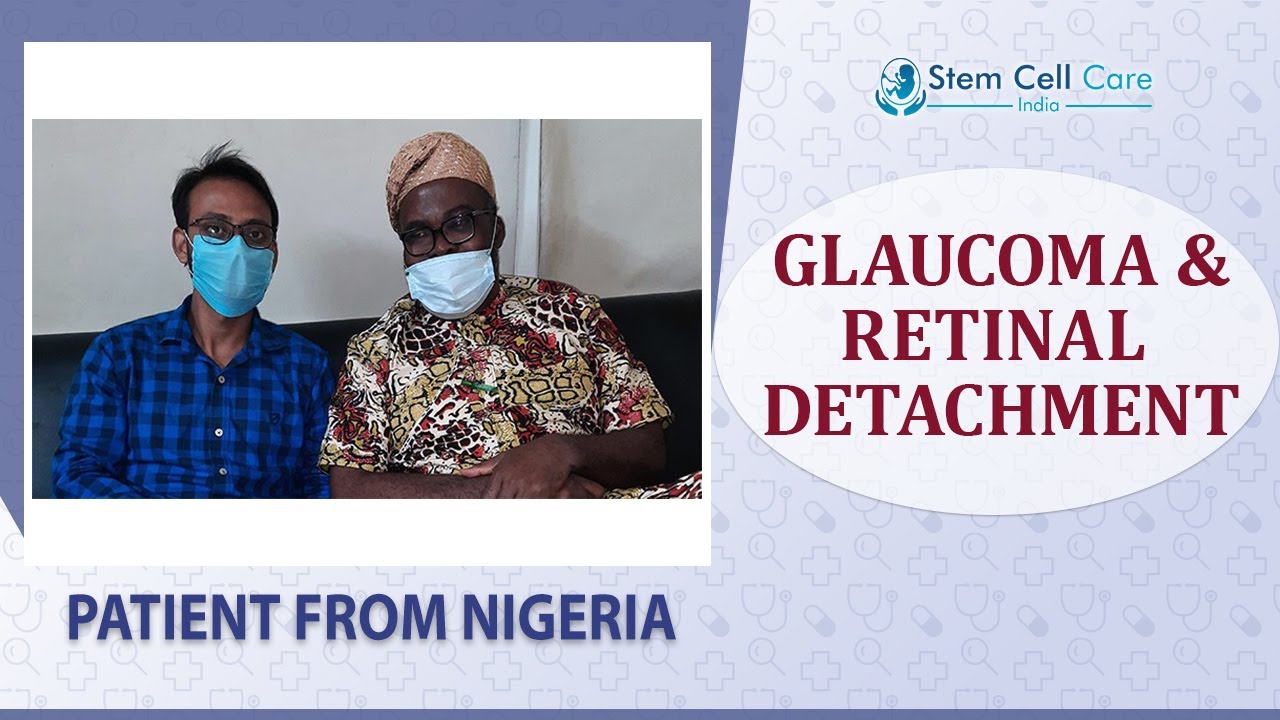
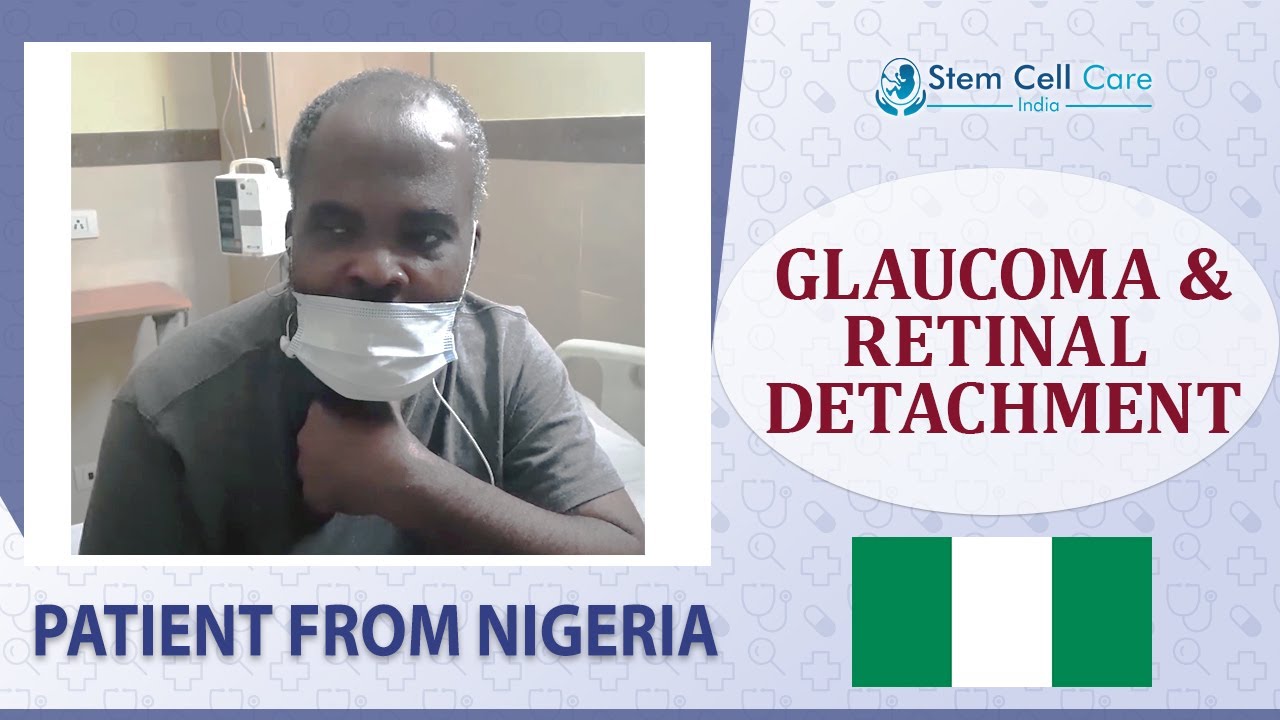
      Patient with Glaucoma and Retinal Detachment shares his experience at SCCI ▶

      Patient with Glaucoma and Retinal Detachment shares his experience at SCCI

      Advanced Eye Regeneration Therapy for Nigerians | Stem Cells for Retinal & Optic Nerve Damage ▶

      Advanced Eye Regeneration Therapy for Nigerians | Stem Cells for Retinal & Optic Nerve Damage

      Retinal Detachment | Best Stem Cell Center In India | Stem Cell Therapy For Eye Disease ▶

      Retinal Detachment | Best Stem Cell Center In India | Stem Cell Therapy For Eye Disease

      Patient with Glaucoma and Retinal Detachment shares his experience at SCCI ▶

      Patient with Glaucoma and Retinal Detachment shares his experience at SCCI

      RECENT BLOG POST
      stem cell

      Regulations & Guidelines for Stem Cell Therapy in India (2026 Update)

      SCCI 20 Jun 2026
      regenerative medicine

      What to Expect During Your Medical Journey in India

      SCCI 15 Jun 2026
      Stem cell

      Stem Cell Therapy for Knee Osteoarthritis: Procedure, Benefits & Recovery

      SCCI 09 Jun 2026
      Regenerative Therapy

      Latest Research on Regenerative Therapy for Crohn’s Disease

      SCCI 06 Jun 2026
      GET IN TOUCH
      Read Success Stories Start Your Recovery Journey
      Stem Cell Treatment for Type 1 Diabetes
      Stem Cell Treatment for Glaucoma in Delhi, India

      Related Diseases

      Stem Cell Treatment for Glaucoma

      Stem Cell Treatment for Glaucoma in Delhi, India

      Eye Disorders
      Stem Cell Treatment for Retinitis Pigmentosa

      Stem Cell Treatment for Retinitis Pigmentosa Delhi, India

      Eye Disorders
      Optic Nerve Hypoplasia Stem Cell Treatment

      Optic Nerve Hypoplasia Stem Cell Treatment in Delhi, India

      Eye Disorders
      Optic Neuropathy Stem Cell Treatment

      Optic Neuropathy Stem Cell Treatment

      Eye Disorders
      • Neurodisorders

      • ALS / MND Treatment
      • Parkinson Treatment
      • Cerebral Palsy Treatment
      • Muscular Dystrophy Treatment
      • Stem Cell Treatment for Alzheimer
      • Multiple Sclerosis Treatment
      • Stroke Treatment
      • Ataxia Treatment
      • Spinal Muscular Atrophy Treatment
      • Brain Injury Treatment
      • Other Disease

      • Ulcer Treatment
      • Skin Burns Treatment
      • Diabetic Foot Treatment
      • Skin Abrasions Treatment
      • Down Syndrome Treatment
      • Intellectual Disabilities Treatment
      • Organ Specific

      • Liver Damage Treatment
      • Kidney Disorder Treatment
      • Cardio Vascular Treatment
      • Burger’s Treatment
      • Lung Disease Treatment
      • Erectile Dysfunction Treatment
      • Orthopedics

      • Osteoarthritis Treatment
      • Fibromyaligia Treatment
      • Osteomalacia Treatment
      • Osteopenia Treatment
      • Osteoporosis Treatment
      • Rheumatoid Arthritis Treatment
      • Systemic Lupus Treatment
      • Spinal Cord Injuries Treatment
      • Sports Injuries Treatment
      • Ankylosing Spondylitis Treatment
      • Exosome Therapy in India
      • Aging & Longevity

      • Anti Aging Treatment
      • Hair Loss Treatment
      • Look Fit Treatment
      • Feel Fit Treatment

      More Info

      • Privacy Statement
      • Terms And Conditions
      • Bone Marrow Transplant
      • Our Blog
      • Testimonials
      • Stem Cell FAQ
      • Contact Us
      • Media
      • Advanced Cell Therapy
      • Stem Cell Therapy Protocol
      • SCCI Network
      • Informed Consent Information
      • Write Review For Us
      • Disclaimer
      • Eye Disorders

      • Optic Nerve Atrophy Treatment
      • Age Related Macular Degeneration Treatment
      • Retinopathy Treatment
      • Eye Injuries Treatment
      • Optic Neuropathy Treatment
      • Optic nerve hypoplasia Treatment
      • Retinitis Pigmentosa Treatment

      Reach Us

      viezec
      Stem Cell Care India
      info@stemcellcareindia.com
      H-23/ B Top Floor
      Abul Fazal Enclave, Part 1, Jamia Nagar
      New Delhi - 110025,  INDIA
      International Patient: + 91-8743024344
      Indian Patient: + 91-7838223336
      WhatsApp at + 91-8743024344

      © 2026 SCCI All rights reserved.

      DISCLAIMER: Please note that Stem Cell Care India is providing stem cell therapy after evaluating patient/disease specific condition only. As with any medical treatment, no guarantees or claims of cures are made from our side as to the extent of the response to treatment, this therapy may be or may not be an effective treatment for some. Results vary from patient to patient, even with a similar diagnosis, as the body’s internal status is unique to each individual patient. Because of this fact, we cannot offer, infer or suggest that there is any certainty of a given outcome. Stem cell treatments are not currently FDA-approved therapy. The data mentioned in our website are only for educational purpose and not to sell or promote stem cell therapy. We do not use embryonic or fetal cells in any of our treatments. As of now stem cell therapy is still in an experimental stage so insurance claim is not possible.

      logo

      Safe & Ethical Practices

      All therapies follow strict ethical guidelines.

      Expert Support

      Get guidance from our experienced team.

      Your Privacy Matters

      We protect your information with the highest standards.

      © 2026 SCCI All rights reserved.

      Disclaimer:

      This website is intended for informational and educational purposes only. By accessing this site, you acknowledge that Stem Cell Care India provides consultation, case evaluation, and patient support services in the field of regenerative medicine. Stem Cell Care India does not provide unapproved stem cell, exosome, or related therapies as standard treatment in India. As per current medical guidelines, most such approaches are considered investigational and are available only within regulated clinical research settings. The content on this website is not intended to replace professional medical advice, diagnosis, or treatment. Patients are strongly advised to consult qualified healthcare professionals and consider standard, approved treatment options. Any patient experiences, testimonials, or case discussions shared on this website are individual in nature and do not guarantee outcomes. Results, where applicable, may vary based on the patient's medical condition and individual health factors. References to therapies or developments are for awareness purposes only and should not be interpreted as promotion or offering of treatment. We do not make any claims regarding effectiveness or outcomes. Insurance coverage for investigational therapies may not be applicable.

      Ethical Care
      Patient First
      Secure & Confidential
      Compassionate Support
      • Call Now Phone Number
      • Whatsapp Us Whatsapp