Book Your Appointment


    International Patients : +91 8743024344,Β  Indian Patients : +91 7838223336
    Patient Reviews Bone Marrow Transplant
    Centre of Excellence
    βœ•
    HomeHome
    • About Us
      • Overview
      • Our Team
      • Medical Tourism Company
      • Our Vision & Mission
      • Contact the board
      • Business Strategies
      • Standards and Certificates
      • Stem Cell Scientists & Laboratory Team
      • Opportunities
      • The Brand
      • Medical Team
      • Quality Commitment
      • Quality Control
      • Philosophy
      • International Patient Support Team
      • Contact Us
    • Science
      • Production of Stem Cells
      • How to Choose Right Cells
      • Boosting Stem Cell Therapy
      • Stem Cells
      • Stem Cell Therapy
      • Stem Cell Therapy Safety and Risks
      • Stem Cell Therapy Protocol
      • Platelet Rich Plasma
      • Success Rate of Stem Cell Therapy
      • MSCs
      • Mesenchymal Stem Cells & The Blood Brain Barrier
      • Stem Cells
        • Stem Cell Collection
        • Body’s Stem Cell Bank Account
        • Sources of Adult Stem Cells
        • Types of Stem Cells
        • Limitations of Stem Cell
      • About Stem Cells
      • Stem Cell Care India
      • How Does Stem Cell Therapy Work?
      • Stem Cell Processing
      • Totipotent and Pluripotent Stem Cells
      • Stem Cell Activators
      • Cell Regeneration Therapy
      • Functional Medical Therapies
    • Stem Cell Therapy
      • How Stem Cell Therapy Works
      • Type of Stem Cells
        • Embryonic Stem Cell Therapy Stem Cell
        • Induced Pluripotent Stem Cell
        • Bone Marrow Stem Cell
        • Umbilical Cord Tissue Stem Cell
        • Adipose Tissue Stem Cell
        • Umbilical Cord Blood Stem Cell
        • Stem Cell Therapy Limitations
      • Limitations of Stem Cell Treatment
      • FLOW CHART
      • Mesenchymal Stem Cell Therapy
      • Stem Cell Therapy Safety
      • Why India for Stem Cell
      • Stem Cell Treatment Advantages
      • Stem Cell Therapy Glossary
      • Stem Cell Treatment Awareness
      • Supportive Therapies
      • Why Mesenchymal Stem Cell
      • About your Condition
      • Stem Cell Treatment Procedure
      • Stem Cell Delivery Method
      • 5 Myths About Stem Cells
      • Adverse Effects of Stem Cell Therapy
      • Utilizing Placental Stromal Cells for Treatment
      • Stromal Vascular Fraction SVF Cells
      • Pricing of Stem Cell Treatment
      • Bone Marrow Derived Stem Cell Injections
      • Three-Pillar Regenerative Approach
      • Amniotic Derived Stem Cell Activator Injections
      • Umbilical Cord Stem Cell Therapy
      • Fat Derived Stem Cell Injections
      • Why Stem Cell Therapy Costs Vary
    • Immunotherapy
      • Immunotherapy for Kidney Cancer
      • Immunotherapy for Liver Cancer
      • Immunotherapy for Lung Cancer
      • Immunotherapy for Pancreas Cancer
      • Immunotherapy for Prostate Cancer
    • Exosome Therapy
      • Aging and Longevity
        • Exosome Treatment for Major Skin Abrasions
        • Exosome Treatment For Anti-Aging
        • Exosome Treatment For Feel Fit
        • Exosome Treatment For Hair Loss
        • Exosome treatment for Look Fit
        • Exosome treatment for Skin Burns
        • Exosome Treatment For Vitiligo
      • Neuro Disorder
        • Exosome Treatment For Cerebral Palsy
        • Exosome Treatment For ALS/MND
        • Exosome Treatment For Alzheimer’s Disease
        • Exosome Treatment For ATAXIA
        • Exosome Treatment For Brain Injury
        • Exosome Treatment For Intellectual Disabilities
        • Exosome Treatment For Multiple Sclerosis
        • Exosome Treatment For Muscular Dystrophy
        • Exosome Treatment For Diabetic Neuropathy
        • Exosome Treatment for Parkinson’s Disease
        • Exosome Treatment for Spinal Muscular Atrophy
        • Exosome Treatment For Stroke
      • Eye Disorder
        • Exosome Treatment for Age Related Macular Degeneration
        • Exosome Treatment For Eye Injuries
        • Exosome Treatment For Glaucoma Disease
        • Exosome Treatment For Optic Nerve Atrophy
        • Exosome Treatment For Optic Nerve Hypoplasia
        • Exosome Treatment For Optic Neuropathy
        • Exosome Treatment For Retinitis Pigmentosa
        • Exosome Treatment For Retinal Detachment
        • Exosome Treatment For Retinopathy
      • Organ Specific
        • Exosome Treatment For Buerger’s
        • Exosome Treatment For Cardiovascular
        • Exosome Treatment For Critical Limb Ischemia
        • Exosome Treatment For Erectile Dysfunction
        • Exosome Treatment For Kidney Disorder
        • Exosome Treatment For Liver Disease
        • Exosome Treatment For Lungs Disease
      • Infertility
        • Exosome Treatment For Female Infertility
        • Exosome Treatment For Male Infertility
      • Orthopedic
        • Exosome Treatment For Ankylosing Spondylitis
        • Exosome Treatment for Avascular Necrosis
        • Exosome Treatment For Degenerative Disc
        • Exosome Treatment For Fibromyalgia
        • Exosome Treatment For Osteoarthritis
        • Exosome Treatment For Osteomalacia
        • Exosome Treatment For Osteopenia
        • Exosome Treatment For Osteoporosis
        • Exosome Treatment For Rheumatoid Arthritis
        • Exosome Treatment For Sciatic Nerve Injury and Sciatica
        • Exosome Treatment For Shoulder Injury
        • Exosome Treatment For Spinal Cord Injury
        • Exosome Treatment For Sports Injuries
        • Exosome Treatment For Systemic Lupus
      • Other Disease
        • Exosome Treatment Diabetic Nephropathy
        • Exosome Treatment For Connective Tissue
        • Exosome Treatment For Diabetes
        • Exosome Treatment For Diabetic Foot Ulcer
        • Exosome Treatment For Diabetic Neuropathy
        • Exosome Treatment For Down Syndrome
        • Exosome Treatment For Pancreatitis
        • Exosome Treatment For Type1 Diabetes
        • Exosome Treatment For Type 2 Diabetes
        • Exosome Treatment For Wound
    • Supportive Therapy
      • Exosome Therapy in Delhi, India – Stem Cell Care India
      • Behavioral Therapy
      • Diet Counselling
      • Gene Therapy in India
      • Psychological Intervention Treatment India
      • Rehabilitation Therapy in India
      • Speech Therapy in India
      • Spinal Cord Injury Walking Track
      • Physiotherapy in India
      • Occupational Therapy in India
      • Hyperbaric Oxygen Therapy in India
      • Nutrition Therapy in India
      • Acupuncture Therapy in India
      • Epidural Stimulation Treatment in India
      • Nerve Growth Factor Treatment in India
      • Transcranial Magnetic Stimulation Therapy in India
      • Aqua Therapy in India
      • Natural Killer Cells
      • Cancer Using Dendritic Cells
      • Peripheral Blood Treatment
      • Platelet Rich Plasma
    • Diseases Treated
      • Neurological disorders
        • Neuropathy
        • Intellectual Disabilities
        • ALS/MND
        • Parkinson’s Disease
        • Cerebral Palsy
        • Muscular Dystrophy
        • Alzheimer’s disease
        • Brain Injury
        • Multiple Sclerosis
        • Stroke
        • Spinal Muscular Atrophy
        • ATAXIA
        • Global Developmental Delay
        • Encephalomyelitis
        • Encephalo Dysplasia
        • Viral Encephalitis
        • Syringomyelia
        • Hypoxic Ischemic Encephalopathy
        • Peripheral Neuropathy
      • Organ Specific
        • Obesity & Metabolic Syndrome
        • Myocardial Infarction Heart Attack
        • Ischemic Heart Disease
        • Congestive Heart Failure
        • Liver Disease
        • Kidney Disorder
        • Cardio Vascular
        • Lungs Disease (COPD)
        • Buerger’s Disease
        • Critical Limb Ischemia
        • Erectile Dysfunction
      • Eye Disorders
        • Optic Nerve Atrophy(ONA)
        • Age Related Macular Degeneration
        • Retinitis Pigmentosa
        • Optic Nerve Hypoplasia
        • Optic Neuropathy Stem Cell Treatment
        • Eye Injuries Stem Cell Treatment
        • Stem Cell Treatment for Retinopathy in Delhi, India
        • Glaucoma Disease
        • Retinal Detachment
        • Septo Optic Dysplasia
      • Orthopedic
        • Chronic Back Pain
        • Osteoarthritis
        • Fibromyaligia
        • Osteoporosis
        • Osteopenia
        • Osteomalacia
        • Systemic Lupus
        • Spinal Cord
        • Rheumatoid Arthritis
        • Sports Injuries
        • Ankylosing Spondylitis
        • Avascular Necrosis
        • Degenerative Disk
        • Sciatic Nerve Injury & Sciatica
        • Shoulder Injuries
        • Cartilage Repair
      • Aging & Longevity
        • Vitiligo
        • Anti- Aging
        • Look Fit
        • Hair Loss
        • Skin Burns
        • Major Skin Abrasions
        • Feel Fit
        • Body Performance
        • Supportive Care
      • Diabetes
        • Type 1 Diabetes
        • Type 2 Diabetes
        • Diabetic Foot Ulcers
        • Diabetic Nephropathy
        • Diabetic Neuropathy
      • Other Disease
        • Alcohol Related Liver Disease
        • Chronic Pancreatitis
        • Hashimoto’s Disease
        • Sjogren’s Syndrome
        • Down Syndrome
        • Wound
        • Connective Tissue
        • Pancreatitis
        • Ulcerative Colitis
        • Psoriasis
        • Inflammatory Bowel Disease
        • Sensorineural
        • Crohn’s Disease
      • INFERTILITY
        • Female Infertility
        • Male Infertility
        • Peyronie’s Disease
    • Patient Guide
      • Country Specific Services
        • Africa Services
        • Asia Services
        • Europe Services
        • North America Services
        • South America Services
        • Oceania / Australia Services
      • International Patient Facilities
        • Get Expert Opinion
        • Plan Your Visit
        • Contact Us
        • Facilities
        • Alliance Partners
        • Become Our Partner
        • Virtual Tours
        • Accommodation Services
        • Post Treatment Care
        • Medical Visa Process
        • Immigration Services
        • FAQ
        • FLOW CHART
        • Indian Embassies
      • Domestic Patients
        • Facilities
        • Expat Services
        • Get Expert Opinion
        • Accommodation
        • Virtual Tours
        • Contact Us
        • Allian Patients
        • Plan Your Visit
        • Testimonials
        • FAQ
      • Patient Care & Services
        • Admission Process
        • Free Services
        • Guidelines for Visitors
        • How We Will Help You
        • Patient and Attendant Responsibilities
        • Patient and Attendant Rights
        • Quality Standards & Patient Safety
        • Interpretation Services
        • Discharge Process
        • Patient Safety
        • The Indian Choice
        • Translation
      • Nutritional Counseling
      • Indian Travel Help Desk
      • Patient Information Form
      • Patient Diets
      • Testimonials
      • Media
      • Contact Us
    • FAQ
      • VIP Treatment
      • Production of Stem Cells
      • Pricing
      • Safety and Guarantees
      • Enrolment Step
      • Disease and Therapy FAQ’s
      • Client Care & Travel Support
      • Stem Cell Therapy Services & Procedures
    Schedule An AppointmentClick Here
    phone-icon
    Quick EnquiryClick Now
    doctor-icon
    Contact UsIt's so fast
    phone-icon
    Live Tele ConsultationsSchedule It For Free

    Stem Cell Treatment for Viral Encephalitis

    • Home
    • >
    • Stem Cell Treatment for Viral Encephalitis
    Published on: July 15, 2024
    |
    Updated on: January 31, 2026
    Written By: Nishat Arfin
    |
    Scientific Review By: Tabish Iqbal
    |
    Medically Approved By: Stem Cell Care India Medical Team
    Stem Cell Treatment for Viral Encephalitis
    GET IN TOUCH
    Get Free Medical Evaluation β†’ Upload Medical Reports β†’
    Stem Cell Treatment for Viral Encephalitis
    Exosome Therapy
    Testimonial Video
    Latest Blog
    • Overview
    • Symptoms
    • Types
    • Causes
    • Diagnosis
    • Treatment
    • Procedure
    • Implantation
    • FAQ's
    • Improvements
    • Mechanism
    • Our Promise
    • Cost
    • Success Rate
    • Advantages
    • Quality Control
    • Treatment Results
    • Testimonial
    • Quality Certificate
    • Follow Up
    • TrΠ΅atmΠ΅nt DisclaimΠ΅r
    • Country Specific

    Overview

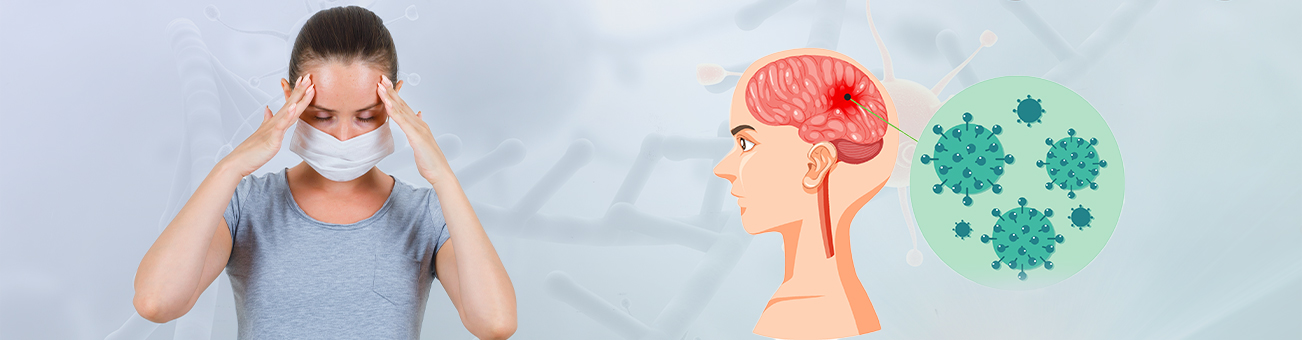
    Viral encephalitis is an inflammation of the brain that is caused by viral infections. This can lead to severe neurological damage and long-term disability. Traditional treatment mainly focuses on supportive care, antiviral medicines, and corticosteroids. It helps in reducing inflammation and also manages the symptoms. But the stem cell therapy emerged as a promising treatment approach for treating viral encephalitis by leveraging the regenerative and immunomodulatory properties of stem cells.

    MSCs- Mesenchymal stem cells are often derived from bone marrow, umbilical cord, and adipose tissue, and are some of the primary types that are used in these therapies. MSCs can modulate the immune response. It reduces inflammation and autoimmune reactions which contribute to neuronal damage in encephalitis. They secrete anti-inflammation cytokines and growth factors, that can help to protect neurons from further damage. It also promotes the repair of damaged neural tissues. Furthermore, MSCs can also enhance the body repair mechanisms by differentiating into neural cells and supporting the regeneration of affected brain areas.

    Administering MSCs can be done through intravenous infusion or direct injection into the cerebrospinal fluid, depending on the severity and specific requirements of the patient. Early clinical trials and preclinical studies in animal models have shown that MSC therapy can improve neurological outcomes, reduce the extent of brain damage, and enhance cognitive and motor functions in encephalitis patients. Additionally, MSCs have shown potential in mitigating secondary complications such as seizures and cognitive deficits, which are common in viral encephalitis survivors.

    While stem cell therapy for viral encephalitis is still in the experimental stage, ongoing research and clinical trials aim to establish its safety, efficacy, and optimal protocols. If successful, this innovative approach could provide a new avenue for treating this debilitating condition, offering hope for improved recovery and quality of life for affected individuals. As research advances, stem cell therapy may become an integral part of the therapeutic arsenal against viral encephalitis.

    Symptoms

    Viral encephalitis can present with a variety of symptoms ranging from mild to severe. The symptoms often depend on the specific virus causing the infection. The area of the brain affected and the overall health. Given below are some of the common symptoms of viral encephalitis:

    • Headache: severe headache is one of the most common symptoms of viral encephalitis. It is because of the inflammation and it increases the pressure in the brain.
    • Fever: High fever is often considered an early stage of viral encephalitis. It indicates the body’s response to infection.
    • Altered Mental Status: Patients who are suffering from viral encephalitis may experience disorientation, confusion, agitation, and sometimes there are some changes in personality and behavior.
    • Seizure: Seizures can mostly occur because of some abnormal electrical activity in the inflamed brain tissue.
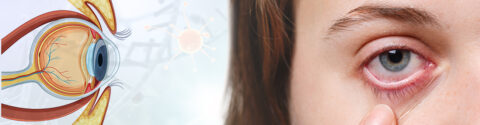
    • Motor Deficits and Sensory: Numbness, weakness and even paralysis in various parts of the body occur depending on the areas of the brain involved.
    • Phonophobia and Photophobia: Some of the common symptoms of viral encephalitis are sensitivity to light is comes under β€œphotophobia” and sensitivity to sound which comes under β€œPhonophobia”.
    • Vomiting and Nausea: Nausea and vomiting are some of the gastrointestinal symptoms that can accompany more severe neurological signs.
    • Neck Stiffness: Rigidity or stiff neck, can be a symptom similar to meningitis, because of inflammation of the meninges.
    • Loss of Consciousness: Patients may experience drowsiness, stupor, and even fall into a coma in severe cases.
    • Memory Impairment and Cognitive: Patients feel difficulty concentrating, memory loss, and other cognitive deficits may be present.
    • Language Problem and Speech: Patients who are suffering from viral encephalitis have difficulty in speaking and understanding language. This can occur if the areas of the brain responsible for these functions are affected.
    • Movement Disorder: Tremors, coordination problems, or involuntary movements are some of the common symptoms of viral encephalitis.
    • Behavioral Changes: Mood swings, irritability, and other behavioral changes are common symptoms of viral encephalitis.

    These symptoms often require prompt medical attention to diagnose and treat the underlying viral infection and manage the neurological complications effectively.

    Types

    Viral encephalitis can be categorized on the basis of a causative virus, mode of transmission, and clinical manifestation. Given below are some of the main types of viral encephalitis:

    1. Herpes Simplex Virus (HSV) encephalitis:
    • HSV1: HSV1 is one of the most common types of viral encephalitis. It is mostly found in adults and this can lead to severe brain inflammation. Some of the most common symptoms of HVS1 are fever, headache, seizure, altered mental status, and focal neurological deficits.
    • HSV2: HSV2 mainly affects newborn babies during the time of delivery, if the mother has active genital herpes infections. Some of the symptoms of HSV2 are lethargy, irritability, poor feeding, and seizures.

    Β 

    1. Arbovirus Encephalitis:Β 
    • West Nile Virus: WNV- West Nile Virus is transmitted by mosquitoes and it can cause headache, fever, muscle, weakness, and neurological symptoms such as confusion, paralysis, and tremors.
    • Eastern Equine Encephalitis: EEE, Eastern Equine Encephalitis is also mosquito-borne, it is rare but a severe form can cause fever, headache, vomiting, coma, and seizure.
    • Lcious Encephalitis: It is another type of mosquito-transmitted virus and it can lead to mild flu-like symptoms or severe neurological impairment, particularly in older adults.
    • Japanese Encephalitis: It is commonly found in parts of It is also a mosquito-borne virus and causes fever, vomiting, headache, confusion, and neurological symptoms.

    Β 

    1. Enterovirus Encephalitis:
    • Coxsackieviruses and Echoviruses: These can cause a range of symptoms from mild febrile condition to severe encephalitis, particularly in children.
    • Tick-Borne Encephalitis (TBE): it is transmitted by ticks, this type can cause fever, headache, muscle pain, and severe neurological symptoms such as confusion, seizures, and paralysis.

    Β 

    1. Rabies Encephalitis:
    • Caused by the rabies virus, mainly transmitted through the bite of an infected animal. Symptoms progress from fever and headache to severe neurological impairment, agitation, hydrophobia, and coma. Rabies encephalitis is almost always fatal once symptoms appear.

    Β 

    1. Measles Encephalitis:
    • Measles virus can lead to acute encephalitis, characterized by fever, headache, seizures, and altered mental status. Subacute sclerosing panencephalitis (SSPE) is a rare, progressive brain disorder occurring years after measles infection.

    Β 

    1. Varicella-Zoster Virus (VZV) Encephalitis:
    • Following chickenpox or shingles, VZV can occasionally cause encephalitis, leading to symptoms such as headache, fever, altered consciousness, and neurological deficits.

    Β 

    1. Mumps Encephalitis:
    • It occurs when the mumps virus spreads to the brain. Symptoms include headache, fever, vomiting, neck stiffness, and neurological symptoms.

    Β 

    1. Human Immunodeficiency Virus (HIV) Encephalitis:
    • It is also known as HIV-associated neurocognitive disorder (HAND), this occurs in the advanced stages of HIV infection, leading to cognitive, motor, and behavioral symptoms.

    Β 

    1. Cytomegalovirus (CMV) Encephalitis:
    • Often affects immunocompromised individuals, such as those with HIV/AIDS or transplant recipients. Symptoms include headache, confusion, fever, and neurological deficits.

    Each type of viral encephalitis has distinct characteristics, transmission methods, and clinical outcomes. Accurate diagnosis and prompt treatment are important to manage symptoms and reduce complications associated with these infections.

    Causes

    Viral encephalitis is caused by a variety of viruses that can infect the brain, leading to inflammation and neurological symptoms. Here are the primary causes categorized by the types of viruses involved:

    Herpesviruses:

    Herpes Simplex Virus (HSV): HSV-1 is the most common cause of severe viral encephalitis in adults, while HSV-2 primarily affects neonates.

    Varicella-Zoster Virus (VZV): After causing chickenpox or shingles, VZV can reactivate and lead to encephalitis, particularly in immunocompromised individuals.

    Epstein-Barr Virus (EBV): Known for causing infectious mononucleosis, EBV can occasionally lead to encephalitis.

    Arboviruses (Arthropod-borne viruses):

    West Nile Virus (WNV): Transmitted by mosquitoes, it can cause encephalitis in humans, particularly in older adults and immunocompromised individuals.

    Japanese Encephalitis Virus (JEV): Another mosquito-borne virus, prevalent in Asia, it can lead to severe brain inflammation.

    St. Louis Encephalitis Virus (SLEV): Mosquito-borne, primarily affecting individuals in the Americas.

    Eastern Equine Encephalitis Virus (EEEV) and Western Equine Encephalitis Virus (WEEV): Transmitted by mosquitoes, these can cause severe encephalitis in both humans and horses.

    Zika Virus: While primarily known for causing birth defects. It can also lead to encephalitis in some cases.Β 

    Enteroviruses:

    Coxsackieviruses and Echoviruses: Part of the enterovirus group, these can cause encephalitis, particularly in young children.

    Poliovirus: Though largely eradicated, poliovirus can cause encephalitis along with its more well-known symptom of paralysis.

    Rabies Virus:

    It is transmitted through the bite of an infected animal, and the rabies virus leads to a nearly universally fatal encephalitis once symptoms appear.Β 

    Measles Virus:

    Besides causing acute encephalitis, it can lead to a rare, progressive, and fatal condition called subacute sclerosing panencephalitis (SSPE) years after the initial infection.

    Mumps Virus:

    It can cause encephalitis as a complication of mumps, particularly in unvaccinated populations.

    Human Immunodeficiency Virus (HIV):

    In advanced stages, HIV can cause encephalitis. It is known as HIV-associated neurocognitive disorder (HAND).Β 

    Cytomegalovirus (CMV):

    Often affects immunocompromised individuals, such as those with HIV/AIDS or organ transplant recipients, leading to encephalitis.

    Tick-Borne Viruses:

    Tick-Borne Encephalitis Virus (TBEV): It is transmitted by ticks. It can cause severe encephalitis in humans.

    Influenza Virus:

    Although rare, severe influenza can sometimes lead to encephalitis. It is especially found in children and immunocompromised individuals.

    The occurrence of viral encephalitis depends on factors such as geographic location, season, and individual immune status. Accurate diagnosis through clinical evaluation, imaging studies, and laboratory tests is crucial for identifying the causative virus and initiating appropriate treatment to mitigate symptoms and prevent complications.

    Diagnosis

    Diagnosing viral encephalitis involves a combination of clinical evaluation, laboratory tests, and imaging studies to identify the causative virus and assess the extent of brain inflammation. Given below is a detailed overview of the diagnostic process:

    1. Clinical Evaluation:
    • Medical History and Physical Examination: The doctor will review the patient’s medical history, including recent travel, exposure to animals, insect bites, vaccination status, and any pre-existing conditions. A thorough neurological examination is performed to assess cognitive function, motor skills, reflexes, and sensory responses.
    • Symptom Assessment: Symptoms such as fever, headache, seizures, confusion, altered mental status, and neck stiffness are evaluated to determine the likelihood of encephalitis.

    Β 

    1. Laboratory Tests:
    • Blood Tests: Blood samples are analyzed for signs of infection, such as elevated white blood cell counts, and specific viral markers. Serological tests can detect antibodies against specific viruses, indicating recent or past infection.
    • Lumbar Puncture (Spinal Tap): Cerebrospinal fluid (CSF) is collected from the spinal column and analyzed for evidence of infection. Elevated white blood cells, protein levels, and glucose levels in CSF can indicate encephalitis. Polymerase chain reaction (PCR) tests can identify viral DNA or RNA in the CSF, providing a definitive diagnosis of the viral cause.

    Β 

    1. Imaging Studies:
    • Magnetic Resonance Imaging (MRI): MRI is the preferred imaging modality for diagnosing encephalitis. It provides detailed images of brain structures, allowing for the detection of inflammation, swelling, and areas of necrosis. Specific patterns of abnormalities on MRI can help identify the causative virus.
    • Computed Tomography (CT) Scan: CT scans are used when MRI is unavailable or contraindicated. They can reveal brain swelling, hemorrhage, and other structural abnormalities, although they are less sensitive than MRI for detecting encephalitis.

    Β 

    1. Electroencephalography (EEG):
    • EEG measures electrical activity in the brain and can detect abnormalities associated with encephalitis, such as seizures or diffuse slowing of brain waves. EEG findings can support the diagnosis and help differentiate encephalitis from other conditions causing altered mental status.

    Β 

    1. Brain Biopsy:
    • In rare and severe cases where the diagnosis remains uncertain, a brain biopsy may be performed. A small sample of brain tissue is obtained and analyzed for signs of viral infection and inflammation. This invasive procedure is typically reserved for cases that do not respond to initial treatment and where other diagnostic methods have failed.

    Β 

    1. Additional Tests:
    • Depending on the suspected virus, additional tests such as PCR for specific viral DNA or RNA, viral cultures, and serological tests for IgM and IgG antibodies may be conducted to identify the causative agent.

    The diagnosis of viral encephalitis needs a multidisciplinary approach involving infectious disease specialists, neurologists, laboratory technicians, and radiologists. Accurate and prompt diagnosis is important for initiating appropriate antiviral treatment, managing symptoms, and preventing complications.

    Treatment

    Treatment for viral encephalitis focuses on managing symptoms, reducing inflammation, and addressing the underlying viral infection. Here are the main approaches:

    Antiviral Medications:

    • Acyclovir: This antiviral drug is commonly used to treat encephalitis caused by herpes simplex virus (HSV) and varicella-zoster virus (VZV). It helps reduce viral replication and mitigate symptoms. Early initiation of acyclovir is crucial for effective treatment.
    • Ganciclovir and Foscarnet: These are used for cytomegalovirus (CMV) encephalitis, particularly in immunocompromised patients. They inhibit viral DNA replication. For other viral causes, specific antiviral treatments may not be available, and supportive care becomes the primary focus.

    Β 

    Supportive Care:

    • Hospitalization: Severe cases of viral encephalitis often require hospitalization for close monitoring and supportive care.
    • Fluids and Electrolytes: Ensuring proper hydration and electrolyte balance is critical, especially if the patient has been vomiting or is unable to eat and drink adequately.
    • Pain Management: Analgesics can be used to alleviate headaches and other pain associated with the condition.
    • Antipyretics: Medications such as acetaminophen may be used to control fever.

    Anti-inflammatory and Immunomodulatory Treatment:

    • Corticosteroids: These may be administered to reduce brain inflammation and swelling, although their use is controversial and depends on the specific case and causative virus.
    • Immunoglobulin Therapy: Intravenous immunoglobulins (IVIG) can be used in certain cases to modulate the immune response and provide passive immunity.

    Β 

    Seizure Management:

    • Antiepileptic Drugs: Medications such as phenytoin, levetiracetam, or valproate may be prescribed to control seizures, which are a common complication of encephalitis.

    Rehabilitation and Long-term Care:

    • Physical Therapy: Helps in regaining strength and motor skills affected by encephalitis.
    • Occupational Therapy: Assists patients in improving daily living skills and adapting to any residual disabilities.
    • Speech Therapy: Beneficial for patients who experience speech and language difficulties as a result of encephalitis.

    Β 

    Monitoring and Follow-up:

    • Regular follow-up appointments are necessary to monitor recovery progress, manage any long-term complications, and adjust treatments as needed.

    Given the variability in causes and symptoms of viral encephalitis, treatment plans are often tailored to the individual patient, taking into account the specific virus involved, the severity of symptoms, and the patient’s overall health status.

    Procedure

    Stem Cell Care India provides a 3-day procedure, with this we provide you with the best treatment according to your conditions. The procedure includes a number of steps such as lab tests, admission procedures, and many more. Given below is the complete procedure for the treatment:

    Day 1-

    • Pick up from the airport to the hospital.
    • Interaction between Dr. and patient, to clear all their doubts at that time
    • Admission procedure
    • Clinical examination & lab tests will be done as prescribed by the doctor
    • Supportive treatment

    Β Day 2-

    • Stem cell procedure
    • Supportive therapies
    • Physiotherapy

    Day 3-

    • Supportive Therapy
    • Physiotherapy
    • Discharging formalities
    • Drop back to the Airport

    Note:

    • For Admission, carry the identity card (Passport/PAN card / Driving License)
    • Please carry the hard copy of the patient reports

    Implantation

    Implantation of stem cell treatment for viral encephalitis involves several critical steps to ensure the delivery of stem cells to the affected brain areas effectively and safely. Here is an overview of the process:

    Patient Evaluation and Selection:

    • Medical Assessment: Patients undergo thorough medical evaluations to determine their eligibility for stem cell therapy. This includes assessing the severity of encephalitis, overall health status, and potential contraindications.
    • Informed Consent: Patients are informed about the potential risks, benefits, and experimental nature of stem cell therapy. Informed consent is obtained before proceeding.

    Β 

    Stem Cell Harvesting:

    • Source of Stem Cells: Mesenchymal stem cells (MSCs) are commonly used and can be sourced from bone marrow, adipose tissue, or umbilical cord blood.
    • Harvesting Procedure: For autologous therapy, stem cells are harvested from the patient’s bone marrow or adipose tissue under local anesthesia. The harvested cells are then processed and cultured in a laboratory to obtain a sufficient number of viable stem cells.

    Β 

    Stem Cell Preparation:

    • Isolation and Expansion: The harvested stem cells are isolated and expanded in culture to achieve the required cell count. Quality control measures ensure the cells are viable, free from contamination, and suitable for implantation.
    • Characterization: Stem cells are characterized to confirm their identity, purity, and differentiation potential. This ensures that the cells can effectively modulate the immune response and promote tissue repair.

    Β 

    Implantation Procedure:

    • Intravenous Infusion: One common method of delivery is intravenous infusion, where stem cells are introduced into the bloodstream. This method is minimally invasive and allows the cells to travel to the site of brain inflammation through the circulatory system.
    • Intrathecal Injection: Another method involves injecting stem cells directly into the cerebrospinal fluid (CSF) via lumbar puncture. This approach allows the cells to bypass the blood-brain barrier and reach the central nervous system more directly.
    • Stereotactic Injection: In some cases, stem cells may be delivered directly to specific brain regions using a stereotactic approach. This involves precise, image-guided injections into targeted brain areas.

    Β 

    Post-Implantation Monitoring and Care:

    • Monitoring: Patients are closely monitored for any adverse reactions or complications following the implantation. Regular follow-ups include neurological assessments, imaging studies, and laboratory tests to track the treatment’s effectiveness and the patient’s recovery.
    • Supportive Care: Alongside stem cell therapy, patients may continue to receive conventional treatments such as antiviral medications, anti-inflammatory drugs, and supportive care to manage symptoms and enhance recovery.

    Long-term Follow-Up:

    • Assessment of Outcomes: Long-term follow-up is essential to evaluate the efficacy and safety of the treatment. This includes monitoring neurological functions, cognitive abilities, and overall quality of life.
    • Research and Data Collection: Data from patients undergoing stem cell therapy for viral encephalitis contribute to ongoing research, helping to refine treatment protocols and improve understanding of the therapy’s long-term benefits and potential risks.

    Implantation of stem cells for viral encephalitis is a difficult and evolving field. It requires collaboration between the neurologists, immunologists, and stem cell researchers. It holds promise for providing new hope to patients with the challenging condition as research progresses.

    FAQ's

    Question: What is viral encephalitis, and how does it affect the brain?

    Answer: Viral encephalitis is an inflammation of the brain caused by viral infections. It can lead to symptoms such as fever, headache, confusion, seizures, and even loss of consciousness. The inflammation results from the body’s immune response to the virus, which can cause damage to brain tissues, leading to neurological deficits and long-term complications.

    Β 

    Question: How does stem cell therapy work for treating viral encephalitis?

    Answer: Stem cell therapy for viral encephalitis works through several mechanisms. Stem cells, particularly mesenchymal stem cells (MSCs), modulate the immune response, reducing inflammation and protecting neurons from damage. They release neurotrophic factors that promote tissue repair and regeneration and can differentiate into neural cells to replace damaged brain tissues. This comprehensive approach helps improve neurological function and recovery.

    Β 

    Question: What are the potential benefits of using stem cell therapy for viral encephalitis patients?

    Answer: The potential benefits of stem cell therapy for viral encephalitis include reduced brain inflammation, improved cognitive and motor functions, better seizure control, enhanced quality of life, decreased dependence on medications, and long-term neuroprotection. Patients may also experience better recovery from physical symptoms like fatigue and pain, and improved social and occupational outcomes.

    Β 

    Question: Are there any risks or side effects associated with stem cell therapy for viral encephalitis?

    Answer: While stem cell therapy holds promise, it is still experimental, and there are potential risks and side effects. These can include immune reactions, infection at the injection site, unintended differentiation of stem cells, and the risk of tumor formation. Patients should undergo thorough evaluation and treatment should be conducted in a controlled clinical setting to mitigate these risks.

    Β 

    Question: How is the effectiveness of stem cell therapy for viral encephalitis monitored over time?

    Answer: The effectiveness of stem cell therapy for viral encephalitis is monitored through regular follow-up appointments that include neurological assessments, cognitive testing, and imaging studies like MRI or PET scans to evaluate brain activity and inflammation. Additionally, monitoring for any adverse effects or complications is essential. Long-term follow-up helps track improvements in symptoms, functional recovery, and overall quality of life.

    Improvements

    Improvements after stem cell treatment for viral encephalitis can be significant. The multifaceted mechanisms by which stem cells exert their therapeutic effects. Patients may experience enhancements in various aspects of their health and neurological function. Given below are some of the potential improvements observed after treatment:

    Reduction in Inflammation:

    • Lowered Brain Inflammation: Stem cell therapy can lead to a noticeable reduction in brain inflammation. It results in decreased symptoms such as headaches, fever, and overall discomfort.

    Β 

    Neurological Function:

    • Cognitive Improvements: Patients often show improvements in cognitive functions, including memory, attention, and executive functions, which are commonly impaired by viral encephalitis.
    • Motor Function Recovery: There can be significant gains in motor skills, coordination, and overall physical abilities. Patients may regain strength and control over movements affected by brain inflammation.

    Seizure Control:

    • Reduced Frequency and Severity of Seizures: Many patients experience a decrease in the frequency and intensity of seizures. This improvement is crucial for enhancing quality of life and reducing the need for anticonvulsant medications.

    Enhanced Quality of Life:

    • Improved Daily Living Activities: Better cognitive and motor functions enable patients to perform daily activities more independently and efficiently.
    • Psychological Well-being: With improved neurological functions and reduced symptoms, patients often report better mood, reduced anxiety, and overall enhanced mental health.

    Recovery from Physical Symptoms:

    • Decreased Fatigue: Many patients experience a reduction in fatigue, allowing them to engage more actively in daily life and physical activities.
    • Pain Relief: Stem cell therapy may alleviate chronic pain associated with brain inflammation and nerve damage.

    Long-term Health Benefits:

    • Neuroprotection and Regeneration: The neuroprotective and regenerative properties of stem cells contribute to long-term brain health. It reduces the risk of further neurological damage and promotes ongoing recovery.
    • Sustained Immune Modulation: Continued immune modulation can prevent recurrent inflammation and additional episodes of encephalitis. It leads to sustained health improvements.

    Reduction in Medication Dependency:

    • Lowered Need for Anti-inflammatory and Antiepileptic Drugs: As symptoms improve, patients often require fewer medications. It reduces the risk of side effects and drug interactions.

    Functional Brain Imaging Improvements:

    • Enhanced Brain Activity: Functional imaging studies, such as MRI and PET scans, often show improved brain activity and reduced signs of inflammation post-treatment, correlating with clinical improvements.

    Better Social and Occupational Outcomes:

    • Increased Social Interaction: Improved cognitive and motor functions enable patients to engage more socially, enhancing their interpersonal relationships and social life.
    • Return to Work or Education: Some patients are able to return to their jobs or educational pursuits, contributing to a sense of normalcy and purpose.

    Customized Rehabilitation Progress:

    • Tailored Rehabilitation Programs: With improvements in neurological functions, patients can benefit more effectively from rehabilitation programs. It can be adjusted to their evolving capabilities and goals.

    These improvements highlight the potential of stem cell therapy to offer significant benefits for patients suffering from the debilitating effects of viral encephalitis. However, individual responses to treatment can vary, and ongoing research is essential to optimize protocols and maximize the therapeutic benefits of stem cell therapy in this context.

    Mechanism

    Stem cell therapy for viral encephalitis operates through many mechanisms to help reduce inflammation, promote neuronal survival, and facilitate tissue repair and regeneration. Given below are some of the primary mechanisms by which stem cells exert their therapeutic effects:Β 

    Immune Modulation:

    • Anti-inflammatory Effects: Mesenchymal stem cells (MSCs) secrete anti-inflammatory cytokines (such as interleukin-10 and transforming growth factor-beta) that help modulate the immune response. This reduces the excessive inflammation that characterizes viral encephalitis.
    • Regulation of Immune Cells: MSCs can alter the activity of various immune cells, including T cells, B cells, natural killer (NK) cells, and macrophages. This helps prevent the immune system from attacking healthy brain tissue.

    Neuroprotection:

    • Release of Neurotrophic Factors: Stem cells produce and release neurotrophic factors (such as brain-derived neurotrophic factor, nerve growth factor, and glial cell line-derived neurotrophic factor) that support neuronal survival, growth, and differentiation.
    • Protection Against Apoptosis: Stem cells can protect neurons from programmed cell death (apoptosis) induced by viral infection and inflammatory mediators.

    Tissue Repair and Regeneration:

    • Neuronal Differentiation: Stem cells, particularly neural stem cells (NSCs), have the potential to differentiate into neurons, astrocytes, and oligodendrocytes, which can replace damaged brain cells and support brain tissue repair.
    • Angiogenesis: Stem cells promote the formation of new blood vessels (angiogenesis), improving blood flow and nutrient delivery to the affected brain regions, which aids in tissue repair and recovery.

    Enhancement of Endogenous Repair Mechanisms:

    • Stimulation of Resident Stem Cells: Stem cell therapy can activate the brain’s own resident stem cells, encouraging them to proliferate and differentiate into functional neural cells, thus contributing to tissue repair.
    • Microenvironment Improvement: By modulating the extracellular environment, stem cells create a supportive milieu for endogenous repair processes, enhancing the brain’s natural ability to heal itself.

    Reduction of Viral Load:

    • Direct Antiviral Effects: Some studies suggest that stem cells might possess direct antiviral properties, helping to reduce the viral load in the brain. This can be achieved through the secretion of antiviral peptides or the enhancement of the host’s antiviral immune responses.

    Prevention of Secondary Damage:

    • Blood-Brain Barrier Protection: Stem cells can help maintain and restore the integrity of the blood-brain barrier (BBB), which is often compromised during viral encephalitis. This prevents further infiltration of inflammatory cells and pathogens into the brain.
    • Oxidative Stress Reduction: Stem cells produce antioxidants that neutralize reactive oxygen species (ROS), reducing oxidative stress and preventing further neuronal damage.

    Synaptic Plasticity and Functional Recovery:

    • Synaptogenesis: Stem cells facilitate the formation of new synaptic connections (synaptogenesis), which is crucial for functional recovery and cognitive improvement following brain injury.
    • Functional Integration: Stem cells integrate into existing neural networks, contributing to the restoration of normal brain function and improving neurological outcomes.

    These mechanisms collectively contribute to the therapeutic potential of stem cell therapy in treating viral encephalitis. However, it is important to note that while preclinical studies and early clinical trials show promising results, further research is needed to fully understand these mechanisms and optimize treatment protocols for safe and effective use in patients.

    Our Promise

    Many people are suffering from viral encephalitis and don’t get the right treatment for it. This is why as the greatest healthcare consultant in India, we promise each and every patient to offer the best possible consultancy. So that they can take the best suitable treatment for their medical condition. Our commitment is to give each patient the best healthcare service by bringing them in place, providing them stem cell treatment in recognized hospitals, and many more. Every individual trusts us whether it is from India or over the sea. So, what are you waiting for? Take the best advice for your condition from our experts to get better treatment and live a happy and quality life.

    Cost

    The cost of stem cell treatment in India is very affordable compared to other Western countries. Because we believe in providing this innovative treatment to each and every individual. Stem cell therapy is the hope of various patients and we don’t want our patients to not get it. However, the cost of stem cell treatment can’t get high but some factors influence it:

    • First is the severity of the condition, If a patient’s condition is worse then it requires special treatment which can influence the cost.
    • Past medical history can also raise the cost of the treatment because there could be a need for higher medication and measurement.
    • Price can be determined if the patient’s BMI is not correct.
    • There are also some other charges such as environmental factors, economic uncertainties, etc.

    Success Rate

    Stem cell therapy has a significant success rate because of its regenerative potential. Many patients experience great improvement in their cognitive function. While some are getting their quality of life back. People are surprised how a treatment will be this good. And their answer is in their improvement. But stem cell therapy is still in its experimental stage which means scientists are still researching it. A number of clinical trials and research are under process to make it more effective and beneficial for every patient. However, the success rate can depend on the age of the patient, the severity of the condition, and many more.

    Advantages

    Stem cell therapy for the treatment of viral encephalitis offers several potential advantages, primarily due to the unique properties of stem cells and their ability to modulate the immune response, promote tissue repair, and support neuronal regeneration. Given below are some key advantages:Β 

    Immune Modulation:

    • Reduction of Inflammation: Stem cells, particularly mesenchymal stem cells (MSCs), can modulate the immune system and reduce inflammation in the brain. This is crucial in viral encephalitis, where excessive inflammation can cause significant neuronal damage.
    • Cytokine Secretion: MSCs secrete anti-inflammatory cytokines and growth factors that help balance the immune response, potentially preventing further damage to brain tissues.

    Tissue Repair and Regeneration:

    • Neuronal Protection: Stem cells can promote the survival of neurons by creating a more favorable environment for neural cells, thus protecting them from viral-induced damage.
    • Tissue Regeneration: Stem cells have the ability to differentiate into various cell types, including neural cells, which can contribute to the repair and regeneration of damaged brain tissue.

    Reduction in Long-Term Complications:

    • Cognitive and Motor Improvements: By promoting repair and reducing inflammation, stem cell therapy may lead to improvements in cognitive and motor functions, which are often impaired in patients with viral encephalitis.
    • Seizure Control: There is potential for stem cells to help manage and reduce the frequency of seizures, a common complication of encephalitis, through their neuroprotective effects.

    Enhanced Recovery:

    • Faster Healing: Patients receiving stem cell therapy may experience a quicker recovery compared to those receiving traditional treatments alone, due to the regenerative capabilities of stem cells.
    • Improved Quality of Life: By addressing both the symptoms and underlying causes of neuronal damage, stem cell therapy can improve the overall quality of life for patients recovering from viral encephalitis.

    Potential for Reduced Medication Use:

    • Decreased Dependence on Steroids and Antiepileptics: Successful stem cell therapy could reduce the need for long-term use of corticosteroids and antiepileptic drugs, which often come with significant side effects.

    Personalized Treatment:

    Autologous Stem Cell Use: Using the patient’s own stem cells (autologous therapy) minimizes the risk of immune rejection and adverse reactions, making the treatment more personalized and safer.

    Quality Control

    Quality control is important in stem cell therapy for viral encephalitis to ensure the safety, efficacy, and reproducibility of the treatment. Given below are the key components of quality control:

    1. Stem Cell Source and Harvesting
    • Selection of Donors: For allogeneic stem cell therapy, donors must be rigorously screened for infectious diseases, genetic disorders, and overall health to ensure the safety of the stem cells.
    • Harvesting Procedure: For autologous stem cells, harvesting is performed under sterile conditions using standardized protocols to minimize contamination and preserve cell viability.

    Β 

    1. Cell Isolation and Expansion
    • Sterile Techniques: All procedures are carried out in sterile, controlled environments to prevent contamination by bacteria, viruses, or fungi.
    • Cell Culture Conditions: Cells are cultured under optimal conditions, including appropriate temperature, humidity, and CO2 levels. Media and reagents used must be free from contaminants and support cell growth and viability.
    • Passage Number Control: The number of cell passages (times the cells are split and grown) is controlled to maintain genetic stability and functionality. Excessive passages can lead to genetic drift and reduced efficacy.

    Β 

    1. Characterization and Verification
    • Phenotypic Characterization: Stem cells are characterized using flow cytometry to confirm the expression of specific surface markers indicative of their identity (e.g., CD73, CD90, CD105 for MSCs) and the absence of unwanted markers.
    • Genetic Stability: Karyotyping or other genetic analyses are performed to ensure the cells have normal chromosomal structures and no mutations that could cause harm.
    • Differentiation Potential: Tests are conducted to verify that stem cells can differentiate into the desired cell types (e.g., neurons, glial cells) to ensure their therapeutic potential.

    Β 

    1. Safety Testing
    • Microbial Testing: Cultured cells are tested for bacterial, fungal, and mycoplasma contamination.
    • Endotoxin Testing: Endotoxin levels are measured to ensure they are below the acceptable threshold to prevent inflammatory reactions in patients.
    • Tumorigenicity Testing: Stem cells are evaluated for their potential to form tumors, ensuring that they will not contribute to malignancies when implanted.

    Β 

    1. Cryopreservation and Storage
    • Cryopreservation Protocols: Cells are cryopreserved using validated protocols to maintain viability and functionality upon thawing. Cryoprotectants are used to prevent ice crystal formation and cell damage.
    • Storage Conditions: Cells are stored in liquid nitrogen at extremely low temperatures to ensure long-term stability and viability.

    Β 

    1. Pre-Implantation Quality Control
    • Viability Testing: Before implantation, cell viability is assessed to ensure a high percentage of live, functional cells.
    • Sterility Testing: Final products are tested again for sterility to confirm that they are free from contaminants.
    • Dosage Verification: The number of cells to be implanted is carefully counted and verified to match the therapeutic dose required for treatment.
    1. Documentation and Traceability
    • Comprehensive Documentation: All steps in the stem cell preparation process are thoroughly documented, including donor screening, cell isolation, culture conditions, and quality control tests.
    • Traceability: Each batch of cells is traceable from donor to patient, ensuring that any issues can be traced back to their source.

    Treatment Results

    Patients are noticing a number of improvements in their bodies after taking stem cell therapy for viral encephalitis. As you know, stem cell treatment is the best treatment option and is preferable among patients. Stem cells are used in this treatment and can be differentiated into different types of specialized cells. Each specialized cell can help to repair the damaged cells and take its place. Through this, patients can experience many benefits such as a reduction in inflammation, improvement in cognitive functions, decrease in muscle weakness, and many more. Stem cells are natural building blocks of your body that can treat several medical conditions without any side effects.

    Testimonial

    Testimonial 1: Β 

    Stem Cell Care India has truly been a game-changer in my healthcare journey. I have been dealing with viral encephalitis for the past few months and I am worried about it then one of my told me about Stem Cell Care India- a healthcare consultant. Their professionalism and dedication to patient care are unmatched. From the initial consultation to the actual treatment, every step was handled with utmost care and expertise. I highly recommend Stem Cell Care India for anyone considering stem cell therapy. β€” Rahul Sharma, Uttar Pradesh.

    Β 

    Testimonial 2:

    I am incredibly grateful to Stem Cell Care India for their exceptional service and support. The team was incredibly knowledgeable and provided clear, concise information about the treatment process. I am Shan from Dubai, I have been fighting this condition for a long time then one of our family members told me about SCCI. They helped me to find the best treatment for my viral encephalitis at the best hospital at an affordable price. Thanks to their expertise, I am experiencing significant improvements in my health. Stem Cell Care India is undoubtedly one of the best healthcare consultants in India. β€” Shan Shah, Dubai

    Β 

    Testimonial 3:Β 

    Hi, I am Jaina Sheikh from Saudi Arabia. Recently I learned that I was diagnosed with viral encephalitis. One of my office friends told me to consult with the best healthcare consultant, Stem Cell Care India. Stem Cell Care India exceeded my expectations in every way. The staff was compassionate, attentive, and highly skilled. They guided me through the entire stem cell treatment process, ensuring I felt comfortable and informed at all times. I couldn’t have asked for a better experience and outcome. β€” Jaina Sheikh, Saudi Arabia

    Β 

    Testimonial 4:

    Choosing Stem Cell Care India was the best decision I made for my health. Their thorough and personalized approach to treatment made all the difference. The results have been remarkable, and I am forever thankful to the entire team for their outstanding care and support. Truly one of the greatest healthcare consultants in India. β€” Henry Joseph, Germany

    Quality Certificate

    A quality certificate for stem cell treatment for viral encephalitis ensures the treatment meets high standards. It confirms that the stem cells are safe, effective, and ethically sourced. This certificate is granted after rigorous testing and evaluation by health authorities. It provides patients and doctors with confidence in the therapy’s safety and reliability. Furthermore, the certification process includes regular inspections and compliance with medical guidelines. By obtaining a quality certificate, stem cell therapy providers demonstrate their commitment to delivering high-quality, trustworthy treatments for viral encephalitis, ultimately aiming to improve patient outcomes and safety

    Follow Up

    Follow-up is one of the most important tasks after taking stem cell treatment.Β  In follow-up, patients visit the doctors for checkups to ensure how progressive stem cell therapy is. The doctor monitors the progress and checks if any side effects start showing. There are a bunch of tests a doctor can do for you. These tests will ensure the effectiveness of the therapy. If a patient witnesses any new symptoms, then it is important to report it to the doctor. Doctors will suggest you with some physiotherapy and supportive therapy to support your recovery. Maintaining open communication with the medical team helps ensure the best outcomes and allows for adjustments in treatment if required.

    TrΠ΅atmΠ΅nt DisclaimΠ΅r

    Stem cell treatment is effective in treating a number of medical conditions such as eye disorders, neurological disorders, liver diseases, lung diseases, and much more. This treatment gives positive results for a number of patients. That is why everyone is considering this disease over conventional. The treatment is very affordable in India in comparison to Western countries and it is effective too. But, the success rate is not the same for each and every patient. Some of the patients get long-term benefits and on the other hand, some of them get short-term benefits. Stem cell treatment is still under research, and a number of scientists are trying to make it effective. However, stem cell treatment is not fully prepared and no side effects are shown to date.

    Country Specific

    Imagine a therapy that will improve the patient to recover from the root cause of Viral Encephalitis. Viral Encephalitis is described as an inflammatory condition of the brain due to viral infections which can lead towards neurological complications and low quality of life. Conventional treatments may fail to repair such damage caused due to the problem.

    However, stem cell therapy for viral encephalitis in India is emerging as a promising solution. This innovative approach through regenerative cells repairs damaged parts of the brain, reduces the inflammation, and promotes recovery in patients. Rising numbers of such patients are looking for this innovative treatment in India, where cutting-edge expertise can be combined with affordability. Stem cell treatment opens up promising avenues for combating Viral Encephalitis and enhancing lifestyles.

    What Makes India a Top Choice for Viral Encephalitis Stem Cell Treatment Globally?

    Any patient wants a place where they get world-class treatment for their Viral Encephalitis. In this case, India has the top-notch hospitals and clinics which offer best viral encephalitis stem cell therapy. Patients from different countries such as the UK, Europe, USA, Nigeria, Philippines, Nepal, and Switzerland are coming to India because of affordability and great success rate. Some of the reasons are as follows:

    • Cutting-Edge Technology: The medical technology of Indian hospitals ensures the correct diagnosis and efficient delivery of Viral Encephalitis stem cell therapy.
    • Qualified Specialists: India is rich in experienced doctors and researchers with stem cell therapy specializations; most have also graduated from prestigious international institutes.
    • Economic Cost of Treatment: As opposed to the west, treatment through Viral Encephalitis stem cell therapy is far more affordable in India and doesn’t lose any quality aspect.
    • Holistic Care Packages: Indian hospitals offer pre-treatment consultation, advanced therapies, rehabilitation programs, and follow-ups.
    • International Accreditation: Many Indian healthcare facilities are accredited by international organizations like JCI and NABH, which ensures high standards of safety and treatment.
    • Short Waiting Periods: Patients in India do not experience long waiting periods, as seen in some countries, which helps in timely and effective treatment.
    • Personalized Treatment Plans: Indian doctors formulate patient-specific plans where the given therapy suits their condition and needs.
    • Warm Hospitality: The people of India along with some language help and patient-friendly care make international patients feel comfortable.
    • Easier Medical Visa Process: India’s is a smooth medical visa process which is hassle-free for international travel.
    • Focus on Innovation: Indian researchers are actively involved in progress in stem cell therapy which makes the innovative treatments easily accessible.

    International patients are increasingly coming for viral encephalitis stem cell treatment in India due to the sophisticated technologies utilized, low treatment costs, and experienced physicians. Under such care, with treatment plans catering to individual needs, India appears to hold promise in helping recover from Viral Encephalitis.

    Ask Your Query

      Request a Call Back
      Upload Medical Reports
      Get an Opinion from our Experts
      Refer a Patient
      Neuropathy Disease
      Intellectual Disabilities
      ALS/MND Disease
      Parkinsons Disease
      Cerebral Palsy
      Muscular Dystrophy
      Alzheimers Disease
      Brain Injury Disease
      Multiple Sclerosis
      Stroke Disease
      Spinal Muscular Atrophy
      Ataxia Disease
      Peripheral Neuropathy
      Encephalomyelitis
      Encephalo Dysplasia
      Viral Encephalitis
      Syringomyelia Disease
      Explore Organ Treatments
      Explore Eye Treatments
      Explore Orthopedic Treatments
      Explore Anti-Aging Treatments

      Improve Life. Make an Enquiry.

      If you have any queries related to stem cell treatments, let us know via phone or email. Our healthcare experts will be happy to provide you with an effective treatment solution.
      Contact Us

      We Also Offer Treatments For

      Beyond neurological care β€” exploring holistic treatments for a better quality of life.

      🧠

      Explore Organ Treatments

      β€Ί
      πŸ‘οΈ

      Explore Eye Treatments

      β€Ί
      🦴

      Explore Orthopedic Treatments

      β€Ί
      ✨

      Explore Anti-Aging Treatments

      β€Ί
      GET IN TOUCH

      Ready to Start Your Journey

      Our Experts Are Available To Answer All Your Questions.

      Call Us: +91 8743024344 WhatsApp Us
      πŸ’‘

      Improve Life. Make an Enquiry.

      If you have any queries related to stem cell treatments, let us know via phone or email. Our healthcare experts will be happy to provide you with an effective treatment solution.

      CONTACT US
      Our Testimonials

      Real Results. Real Patient Experiences.

      View All Review β†’
      GET IN TOUCH
      Watch Patient Reviews Whatsapp
      RELATED DISEASE

      Explore Conditions We Treat

      Discover how stem cell therapy is making a difference in a wide range of diseases and helping patients lead healthier, better lives.

      Diabetes Stem Cell Treatment in India
      🧠

      Diabetes Stem Cell Treatment in India

      Other Diseaseβ€Ί
      Stem Cell Treatments for Chronic Fatigue Syndrome in India
      πŸ‘οΈ

      Stem Cell Treatments for Chronic Fatigue Syndrome in India

      View Detailsβ€Ί
      Stem Cell Treatment for Crohn’s Disease in India
      πŸ›‘οΈ

      Stem Cell Treatment for Crohn’s Disease in India

      View Detailsβ€Ί
      Stem Cell Treatments for Peyronie’s Disease in India
      🦴

      Stem Cell Treatments for Peyronie’s Disease in India

      View Detailsβ€Ί
      GET IN TOUCH
      Learn Treatment Benefits Check Your Eligibility
      RELATED VIDEOS
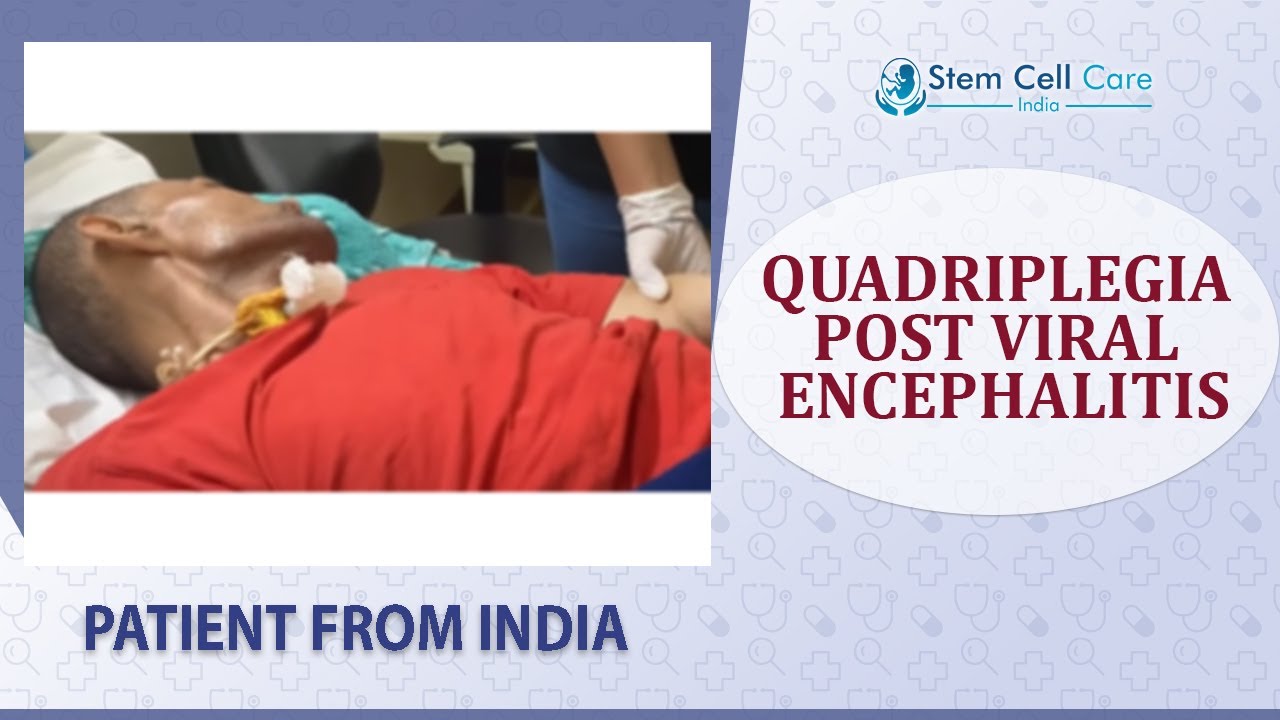
      The Patient From Delhi Physiotherapy Session For Quadriplegia Post Viral Encephalitis β–Ά

      The Patient From Delhi Physiotherapy Session For Quadriplegia Post Viral Encephalitis

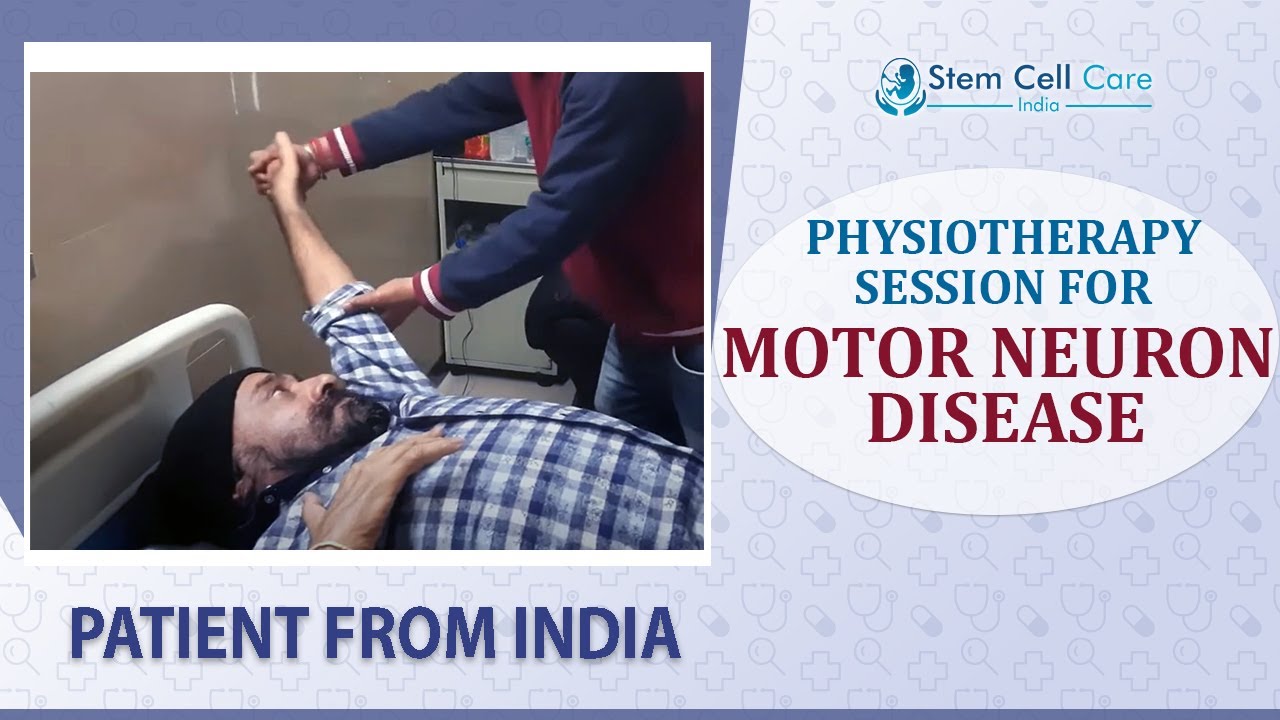
      Physiotherapy session for Motor Neuron Disease patient during stem cell Therapy at SCCI β–Ά

      Physiotherapy session for Motor Neuron Disease patient during stem cell Therapy at SCCI

      RECENT BLOG POST
      Stem Cell Therapy

      Affordable Stem Cell Therapy: How India Makes It Possible

      SCCI 24 Jun 2026
      stem cell

      Regulations & Guidelines for Stem Cell Therapy in India (2026 Update)

      SCCI 20 Jun 2026
      regenerative medicine

      What to Expect During Your Medical Journey in India

      SCCI 15 Jun 2026
      Stem cell

      Stem Cell Therapy for Knee Osteoarthritis: Procedure, Benefits & Recovery

      SCCI 09 Jun 2026
      GET IN TOUCH
      Read Success Stories Start Your Recovery Journey
      Stem Cell Treatment for Encephalo Dysplasia
      Stem Cell Treatment for Ulcerative Colitis

      Related Diseases

      Stem Cell Treatment for Intellectual Disabilities

      Stem Cell Treatment for Alcohol Related Liver Disease in India

      Other Disease
      Stem Cell Treatment for Syringomyelia

      Stem Cell Treatment for Syringomyelia

      Other Disease
      Stem Cell Treatment for Septo Optic Dysplasia 1

      Stem Cell Treatment for Septo Optic Dysplasia

      Other Disease
      Stem Cell Treatment for Psoriasis

      Stem Cell Treatment for Psoriasis

      Other Disease

      Explore our Clinical Research Hub for scientific publications, treatment evidence, and ongoing regenerative medicine research.

      Content authored and reviewed by qualified members of our medical team | Last updated: 17 June 2026

      • Neurodisorders

      • ALS / MND Treatment
      • Parkinson Treatment
      • Cerebral Palsy Treatment
      • Muscular Dystrophy Treatment
      • Stem Cell Treatment for Alzheimer
      • Multiple Sclerosis Treatment
      • Stroke Treatment
      • Ataxia Treatment
      • Spinal Muscular Atrophy Treatment
      • Brain Injury Treatment
      • Other Disease

      • Ulcer Treatment
      • Skin Burns Treatment
      • Diabetic Foot Treatment
      • Skin Abrasions Treatment
      • Down Syndrome Treatment
      • Intellectual Disabilities Treatment
      • Organ Specific

      • Liver Damage Treatment
      • Kidney Disorder Treatment
      • Cardio Vascular Treatment
      • Burger’s Treatment
      • Lung Disease Treatment
      • Erectile Dysfunction Treatment
      • Orthopedics

      • Osteoarthritis Treatment
      • Fibromyaligia Treatment
      • Osteomalacia Treatment
      • Osteopenia Treatment
      • Osteoporosis Treatment
      • Rheumatoid Arthritis Treatment
      • Systemic Lupus Treatment
      • Spinal Cord Injuries Treatment
      • Sports Injuries Treatment
      • Ankylosing Spondylitis Treatment
      • Exosome Therapy in India
      • Aging & Longevity

      • Anti Aging Treatment
      • Hair Loss Treatment
      • Look Fit Treatment
      • Feel Fit Treatment

      More Info

      • Privacy Statement
      • Terms And Conditions
      • Bone Marrow Transplant
      • Our Blog
      • Testimonials
      • Stem Cell FAQ
      • Contact Us
      • Media
      • Advanced Cell Therapy
      • Stem Cell Therapy Protocol
      • SCCI Network
      • Informed Consent Information
      • Write Review For Us
      • Disclaimer
      • Eye Disorders

      • Optic Nerve Atrophy Treatment
      • Age Related Macular Degeneration Treatment
      • Retinopathy Treatment
      • Eye Injuries Treatment
      • Optic Neuropathy Treatment
      • Optic nerve hypoplasia Treatment
      • Retinitis Pigmentosa Treatment

      Reach Us

      viezec
      Stem Cell Care India
      info@stemcellcareindia.com
      H-23/ B Top Floor
      Abul Fazal Enclave, Part 1, Jamia Nagar
      New Delhi - 110025,  INDIA
      International Patient: + 91-8743024344
      Indian Patient: + 91-7838223336
      WhatsApp at + 91-8743024344

      Β© 2026 SCCI All rights reserved.

      DISCLAIMER: Please note that Stem Cell Care India is providing stem cell therapy after evaluating patient/disease specific condition only. As with any medical treatment, no guarantees or claims of cures are made from our side as to the extent of the response to treatment, this therapy may be or may not be an effective treatment for some. Results vary from patient to patient, even with a similar diagnosis, as the body’s internal status is unique to each individual patient. Because of this fact, we cannot offer, infer or suggest that there is any certainty of a given outcome. Stem cell treatments are not currently FDA-approved therapy. The data mentioned in our website are only for educational purpose and not to sell or promote stem cell therapy. We do not use embryonic or fetal cells in any of our treatments. As of now stem cell therapy is still in an experimental stage so insurance claim is not possible.

      logo

      Safe & Ethical Practices

      All therapies follow strict ethical guidelines.

      Expert Support

      Get guidance from our experienced team.

      Your Privacy Matters

      We protect your information with the highest standards.

      Β© 2026 SCCI All rights reserved.

      Disclaimer:

      This website is intended for informational and educational purposes only. By accessing this site, you acknowledge that Stem Cell Care India provides consultation, case evaluation, and patient support services in the field of regenerative medicine. Stem Cell Care India does not provide unapproved stem cell, exosome, or related therapies as standard treatment in India. As per current medical guidelines, most such approaches are considered investigational and are available only within regulated clinical research settings. The content on this website is not intended to replace professional medical advice, diagnosis, or treatment. Patients are strongly advised to consult qualified healthcare professionals and consider standard, approved treatment options. Any patient experiences, testimonials, or case discussions shared on this website are individual in nature and do not guarantee outcomes. Results, where applicable, may vary based on the patient's medical condition and individual health factors. References to therapies or developments are for awareness purposes only and should not be interpreted as promotion or offering of treatment. We do not make any claims regarding effectiveness or outcomes. Insurance coverage for investigational therapies may not be applicable.

      Ethical Care
      Patient First
      Secure & Confidential
      Compassionate Support
      • Call Now Phone Number
      • Whatsapp Us Whatsapp