Q1. What is peripheral neuropathy, and how can stem cell treatment help?
Ans: Peripheral neuropathy is a condition resulting from damage to the peripheral nerves, causing weakness, numbness, and pain, usually in the hands and feet. Stem cell treatment can help by promoting the repair and regeneration of damaged nerve tissues. Mesenchymal stem cells (MSCs) are commonly used because of their ability to differentiate into various cell types, including nerve cells, and release growth factors that reduce inflammation and promote healing. Research has shown promising results in improving nerve function and reducing symptoms in patients with peripheral neuropathy through stem cell therapy.
Q2. What types of stem cells are used in treating peripheral neuropathy?
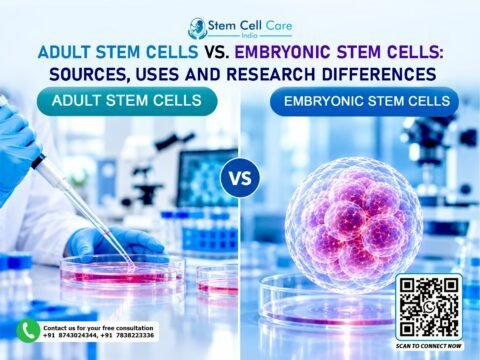
Ans: The primary types of stem cells used in treating peripheral neuropathy are mesenchymal stem cells (MSCs) and induced pluripotent stem cells (iPSCs). MSCs, derived from bone marrow, fat tissue, or umbilical cord blood, are favored due to their ability to differentiate into nerve cells and secrete neurotrophic factors that aid in nerve repair. iPSCs, reprogrammed from adult cells, offer similar regenerative potential but are less commonly used due to more complex preparation processes. Both types have shown potential in regenerating damaged nerves and improving symptoms in clinical studies and trials.
Q3. What are the potential benefits of stem cell treatment for peripheral neuropathy patients?
Ans: Stem cell treatment for peripheral neuropathy offers several potential benefits, including the regeneration and repair of damaged nerve tissues, reduction of pain and inflammation, and improvement in sensory and motor functions. The growth factors released by stem cells can promote healing and enhance nerve function, potentially reversing some of the damage caused by neuropathy. Additionally, stem cell therapy is minimally invasive and uses the patient’s own cells, reducing the risk of rejection and adverse reactions. Patients may experience enhanced quality of life and functional improvements with successful treatment.
Q4. Are there any risks or side effects associated with stem cell treatment for peripheral neuropathy?
Ans: While stem cell treatment is generally considered safe, there are potential risks and side effects. Common side effects may include pain, swelling, or infection at the injection site. There is also a risk of immune reactions, although this is minimized when using the patient’s own cells. In rare cases, there could be complications related to cell differentiation and growth, such as the formation of tumors. It is crucial to undergo treatment at a reputable clinic with experienced medical professionals to minimize these risks and ensure proper monitoring and follow-up care.
Q5. What is the current status of clinical research on stem cell treatment for peripheral neuropathy?
Ans: Clinical research on stem cell treatment for peripheral neuropathy is ongoing and has shown promising results. Various studies and clinical trials have demonstrated the potential of mesenchymal stem cells (MSCs) and induced pluripotent stem cells (iPSCs) in regenerating damaged nerves, reducing pain, and improving nerve function. However, more extensive and long-term studies are needed to establish standardized protocols, determine optimal dosages, and fully understand the mechanisms involved. Regulatory approvals are also necessary before stem cell treatments can become widely available and accepted as standard therapy for peripheral neuropathy.