Table of Contents
Summary: In regenerative medicine, stem cells are being widely researched for their potential role in tissue repair, inflammation control, and organ-related research. This guide hereby explains what current science suggests, limitations, and why it is still under investigation.
When an organ in the body starts to lose its function, daily life starts to change slowly. A person with a chronic condition like liver disease may feel more exhausted compared to a healthy person. Someone with a heart condition can also struggle with small, basic activities like climbing stairs or walking for a long period. In some cases, standard treatment can help patients manage their symptoms, slowing disease progression, but they don’t improve the overall quality of life—as the patient has to remain dependent on certain medicines for life.
Due to this, limited relief led medical science and researchers to study the potential of stem cells, whether they can influence tissue response, inflammation, and influence cellular communication within damaged tissues at the cellular level. However, it should be noted that research must be distinguished from statements made on the internet regarding the benefits of stem cells as a definitive solution. Stem cell-based interventions for organ problems remain experimental and subject to continued research.
What Are Stem Cells?
In simple terms, stem cells are a unique type of cell that researchers study because they have the potential to develop into different types of cells under specific biological conditions. Unlike certain regular cells, they do not have a fixed role, but are flexible in how they respond inside the body.
There are several reasons why scientists want to learn more about stem cells, including:
- Interaction with damaged tissues
- Regulation of inflammation
- Facilitating cell communication
- response to biological signaling during tissue injury
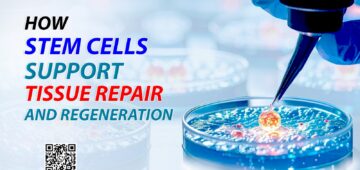
The body already has natural repair mechanisms. For example, when a person experiences a skin injury or bone fracture, biological signaling pathways become active to support healing. Researchers are investigating whether stem cells may influence some of these repair-related processes.
But this field of research is still evolving, and scientists are continually researching how stem cells act under various conditions of disease.
Types of Stem Cells
Stem cells are not uniform in nature and cannot be used for every condition. Each type of stem cell is used in a particular field of medical science for research purposes.
Mesenchymal Stem Cells (MSCs)
Mesenchymal stem cells, which are also referred to as MSCs, have been extensively researched within the context of regenerative medicine.
Mesenchymal stem cells can be sourced from the following:
- Bone marrow
- Fat tissue
- Tissue surrounding the umbilical cord tissue
Studies have sought to establish the ability of MSCs to modulate inflammatory and tissue-supportive effects in joints, nerves, and organs.
Hematopoietic Stem Cells
Stem cells have already been applied in conventional treatment procedures such as bone marrow transplants.
Their uses are mostly related to:
- Leukemia
- Lymphoma
- Some blood diseases
This is one of the very few areas where stem cells have become a standard procedure in medicine.
How Stem Cells Are Harvested
Many people have heard about stem cells, but they do not know where these stem cells are obtained. There are many ways to extract stem cells for study purposes, according to the source used.
Bone Marrow: Stem cells from bone marrow can be obtained from specific procedures, including extraction from the pelvic bone.
Adipose Tissue: Stem cells may also be obtained from fat tissue. Adipose tissue is studied due to its accessibility to mesenchymal stem cells.
Umbilical Cord Tissue: Umbilical cord tissues are collected at birth and are another important source studied in regenerative medicine research. These cells are preserved and studied under guided lab conditions.
Stem Cells and the Body’s Natural Repair Response
As you may have noticed, even a small cut on the hand gets healed with time—this is because the body already has its own healing system. When tissues are injured, different cells and chemical signals become active to help reduce inflammation and start healing.
For Example:
- An injury to the muscle causes inflammation.
- A wound leads to remodeling of the tissues.
- Bone injuries activate repair and remodeling responses within the affected tissue.
There is an investigation into the potential ability of stem cells to affect the natural biological responses mentioned above.
The current research focuses on the following areas:
- Immune signals
- Cell-to-cell communication
- Inflammation pathways
- Scaffolding for tissue support
However, there is currently no conclusive evidence that stem cells can fully regenerate damaged organs in routine clinical practice. The truth is that scientists are trying to learn about the behavior of these cells and why their results may vary from one individual to another.
The Science Behind Stem Cells and Regeneration
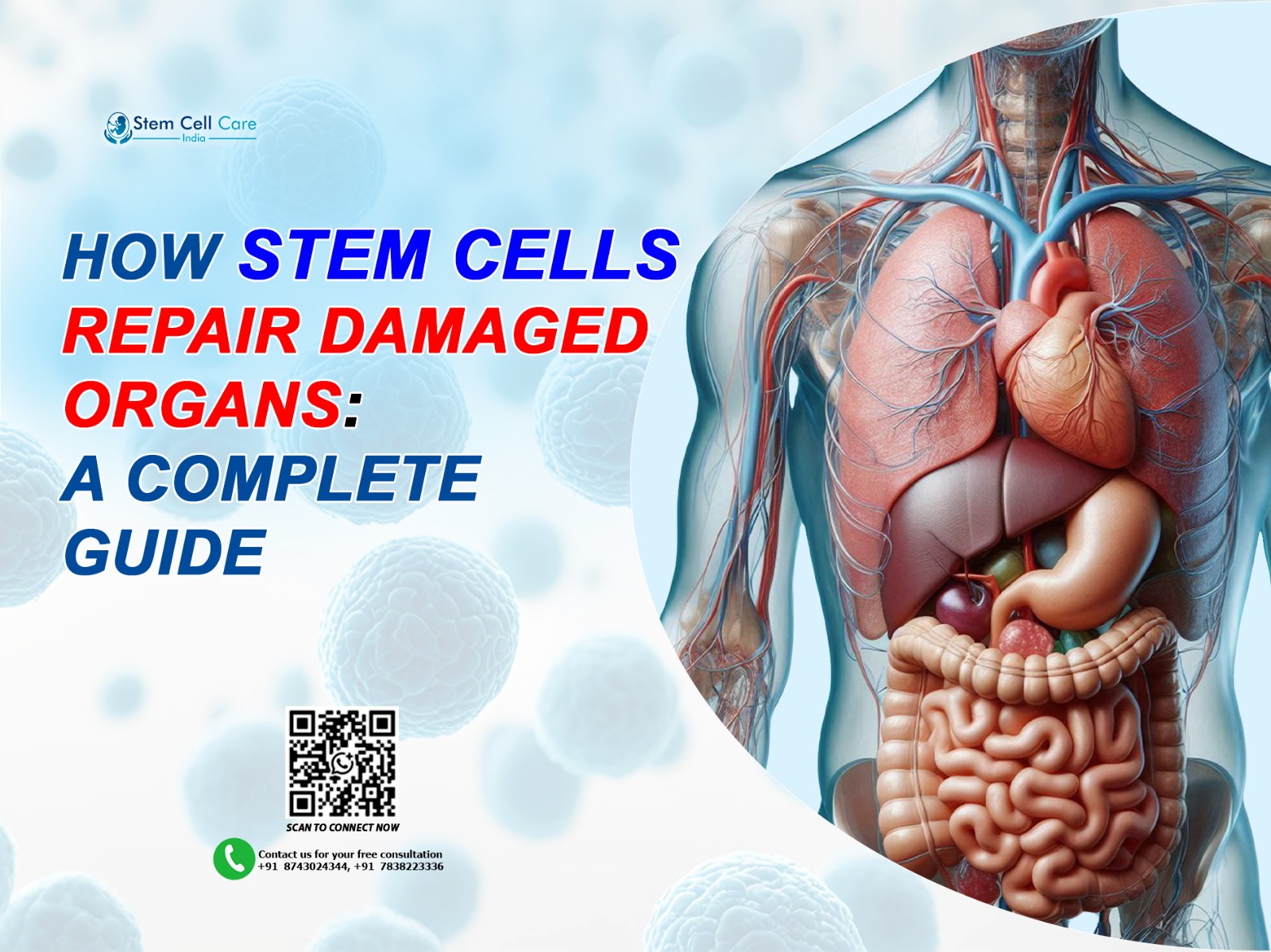
One reason stem cell research continues to attract attention is the possibility that these cells may influence tissue response within organs such as the heart, liver, kidneys, and nervous system.
Organ-Related Conditions Being Studied
Current stem cell research includes:
- Cardiovascular diseases
- Liver diseases
- Kidney disease
- Neurological disorders
- Lung tissue damage studies
Rather than merely concentrating on “replacement,” scientists are increasingly interested in learning about the effects of stem cells on:
- Inflammation
- Immunity
- Communication within tissues
- Cell environments
Some research suggests that stem cells can influence the biological functions related to tissue reaction. At the same time, results are also limited:
- Results vary significantly
- Long-term evidence is limited
- Larger studies are still needed
- Standardized protocols are still developing
This is the reason why almost all stem cell therapies for organs remain investigational rather than established therapeutic approaches.
Putting It All Together
Stem cell research continues to expand across several areas of regenerative medicine, particularly in conditions involving inflammation, tissue injury, and organ dysfunction. While ongoing studies are exploring how stem cells may influence repair-related biological processes, most organ-related applications still remain investigational and require stronger long-term clinical evidence before becoming part of routine medical care.
Patients seeking evidence-based information about regenerative medicine research can consult the team at Stem Cell Care India for further guidance.
Frequently Asked Questions
- Can stem cells regenerate damaged organs completely?
Most stem cell treatments for organs are experimental and are not classified as standard treatment options yet.
- Why are stem cells significant in regenerative medicine studies?
Scientists are examining the potential effects of stem cells on inflammation, cellular interactions, and tissue support reactions.
- Are stem cell-based treatments approved for organ disorders in India?
Most stem cell treatments are experimental and are allowed only within clinical research trials under government regulations.
- What are the sources of stem cells?
Stem cells for experimental purposes can be collected from bone marrow, fat tissue, or umbilical cord tissue.
5. Why do researchers still consider stem cell therapy experimental for many diseases?
The researchers need to conduct larger trials on the patients and prove the safety of the treatments, besides getting consistent results.
Reference Links
(1) Squillaro T, Peluso G, Galderisi U. “Clinical Trials With Mesenchymal Stem Cells: An Update.” Cell Transplantation, 2016.
https://pubmed.ncbi.nlm.nih.gov/26423725/
ClinicalTrials.gov. “Stem Cell Clinical Studies.”
U.S. National Library of Medicine.
https://clinicaltrials.gov/search?term=stem%20cell
Galipeau J, Sensébé L. “Mesenchymal Stromal Cells: Clinical Challenges and Therapeutic Opportunities.”
Cell Stem Cell, 2018.
https://pubmed.ncbi.nlm.nih.gov/30134160/
National Institutes of Health (NIH). “Stem Cells.”
MedlinePlus.
https://medlineplus.gov/stemcells.html