Table of Contents
Summary: Stem cell therapy is an incredible innovation in regenerative medicine, allowing the body to heal itself naturally. However, the real success of the treatment doesn’t end in the clinic. A patient’s lifestyle, nutrition, and daily routines contribute significantly to how efficiently stem cells work after treatment. This blog discusses how nutrition, exercise, sleep, and mental health can maximize healing and provide long-lasting outcomes.
Are you aware that normal daily decisions of yours can have a major impact on how your body reacts to stem cell therapy? The intervention is the one that actually starts regeneration and repair, but still, your food habits, way of living, and thinking will be the ones that will keep the healing going even after you have left the clinic. The right kind of care, food, and harmony may be what separates the two situations of being relieved for a short time and actually being recovered for the long run.
How about we delve into ways you can become an active agent in the healing power of your body, and as a result, stem cell treatment gets more effective? Let’s explore.
What Is Stem Cell Therapy & How Does It Work?
Stem cell therapy is a method that involves the use of special cells from the body to fix the tissues and organs that have been damaged. To these cells are able to deliver the intended result and thus, the healing process is successful, patients are required to maintain a healthy and friendly body environment that would provide the cells with the necessary elements, such as nutrition, good blood flow, stress control, and enough rest.
Role of Lifestyle in Stem Cell Health
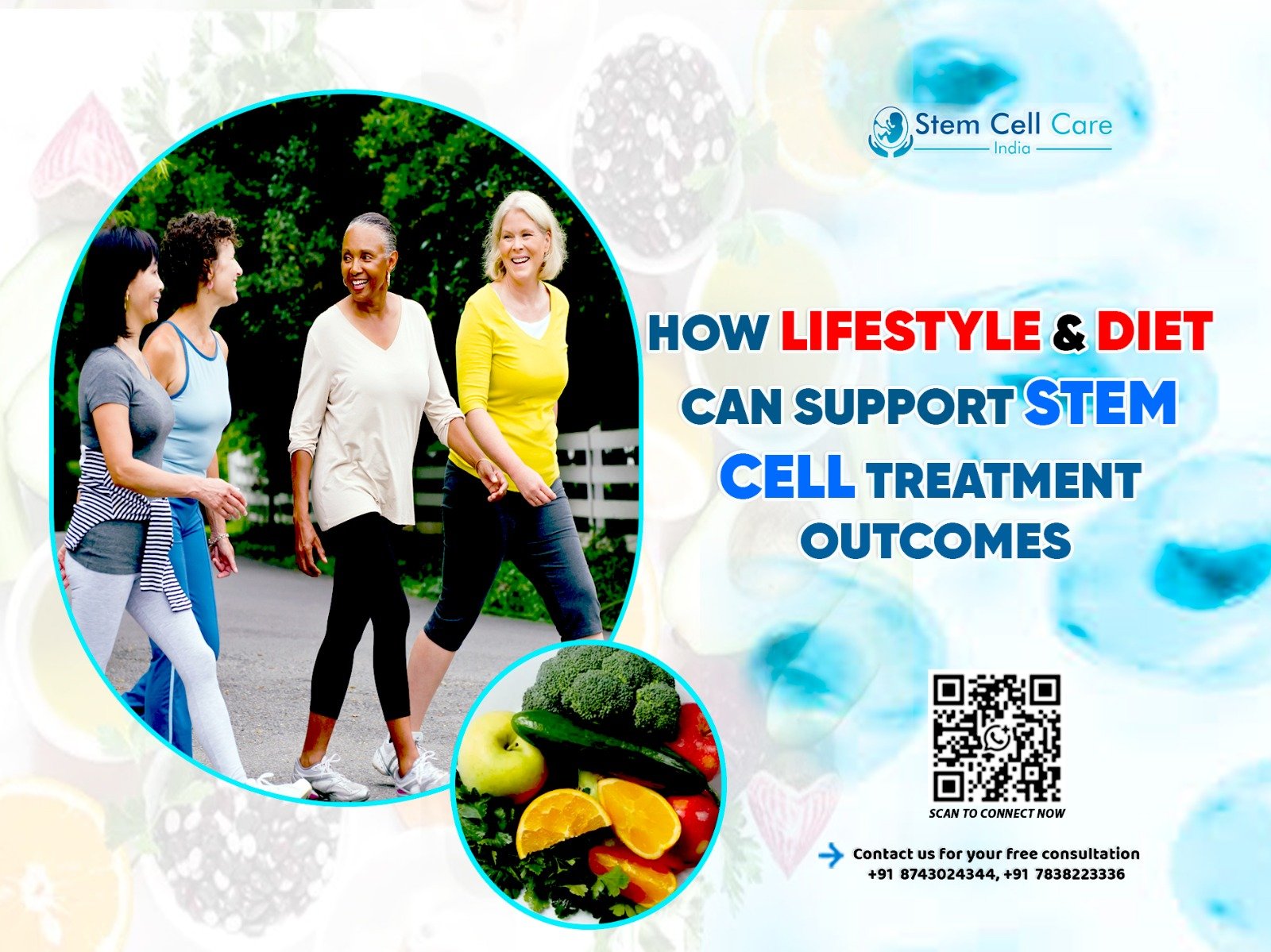
Your body’s healing potential is a mirror of how well you treat your body. Lifestyle determines stem cell function, immune function, and overall regeneration. These are the main components that have the greatest significance:
Balanced Nutrition: Supplies the body with vital vitamins and minerals required for healing.
Daily Exercise: Enhances circulation, bringing oxygen and nutrients to healing tissue.
Proper Sleep: Enables stem cells to divide and regenerate efficiently.
Stress Management: Suppresses cortisol levels that hinder the healing process.
Avoiding Toxins: Alcohol, smoking, and junk food may hinder or even prevent cellular repair.
Essential Dietary Tips to Boost Stem Cell Function
A balanced diet is one of the easiest yet most effective means of nourishing stem cell activity.
Here’s how you can dine to heal:
Consume Foods High in Antioxidants: Berries, green tea, and spinach neutralize free radicals that can harm stem cells.
Include Omega-3 Fatty Acids: They are present in fish, walnuts, and flaxseeds and help in decreasing inflammation and safeguarding new cells.
Include Lean Proteins: Foods like eggs, tofu, and lentils supply amino acids for tissue growth and repair.
Stay Hydrated: Water aids nutrient transport and removes toxins that may interfere with regeneration.
Limit Sugar and Processed Foods: These can trigger inflammation, slowing down the healing process.
By nourishing your body from within, you are giving stem cells the energy and environment they need to do their job effectively.
Exercise & Movements You Can Incorporate
Movement is medicine, particularly following stem cell therapy. Gentle, frequent movement boosts blood circulation, bringing essential nutrients to newly grown tissues.
Here’s what to remember:
- Begin Slowly: Begin with walking, light stretching, or yoga to ensure flexibility without stress.
- Avoid Heavy activity: Heavy workouts too early can inhibit recovery.
- Emphasize Consistency: Small, everyday movements are preferable to occasional heavy exercise.
Exercise not only aids in physical recovery but also helps mood and stress levels — both of which are critical to recovery.
Sleep & Stress Management
It is a deep, 7-8 hour sleep that is very important for the health of stem cells, tissue repair, and immunity. As a matter of equal importance, stress management should also be stressed, but incorporate mindfulness and relaxation techniques to keep yourself in a regenerative state and to fight off the harmful cortisol.
Lifestyle Mistakes You Should Avoid
Even small habits can make a big difference in your healing journey. Avoid:
- Overexertion immediately after treatment.
- Skipping meals or relying on processed food.
- Smoking or drinking alcohol reduces oxygen flow and impairs regeneration.
- Ignoring follow-up advice from your healthcare provider.
- Staying mindful of these habits helps protect your investment in recovery.
Consulting with Experts
Recovery from a stem cell transplant varies from individual to individual. Stem Cell Care India provides expert, tailor-made after-treatment care, which may include lifestyle and nutrition counseling that helps to achieve the fastest and healthiest healing outcomes.
Final Verdict
Stem cell therapy begins the healing process, but your lifestyle and diet determine how far that healing goes. Eating nutritious foods, exercising moderately, managing stress, and following expert guidance can significantly enhance your results.
If you are planning or have recently undergone stem cell therapy, connect with Stem Cell Care India for expert consultation, personalized recovery support, and compassionate care that ensures your body heals naturally and completely.
Frequently Asked Questions (FAQs)
Q1. Can stem cell therapy be affected by lifestyle?
Ans. Yes, good habits like good nutrition, exercise, and sleep make stem cells work better and recover faster.
Q2. What do I eat following treatment?
Ans. Eat greens, fruits, lean protein, and omega-3 foods. Avoid sugar and junk food.
Q3. How much rest is advised following therapy?
Ans. Rest for a few days and then step by step resume light exercises as advised by your physician.
Q4. Why Stem Cell Care India?
Ans. They offer personalized post-therapy rehabilitation with diet, exercise, and recovery programs that are tailored to every patient.
List of References
Dietary Regulation of Adult Stem Cells
Mana MD, Kuo EY-S, Yilmaz ÖH. Dietary Regulation of Adult Stem Cells. Current Stem Cell Reports. 2017.
https://pmc.ncbi.nlm.nih.gov/articles/PMC5614456/
Functional Food Components Influencing Stem Cell Fate
Kot M., Bronowicka-Adamska P., Tyszka-Czochara M. Regulation of Human Stem Cells by Functional Food Components: How Vitamins, Minerals and Phytochemicals Influence Mesenchymal Stem Cells’ Fate and Function. Nutrients. 2025.
https://www.mdpi.com/2072-6643/17/22/3548
Dietary Interventions as Regulators of Stem Cell Behavior
Novak KL, et al. Dietary Interventions as Regulators of Stem Cell Behavior in Homeostasis and Disease. Cold Spring Harbor Perspectives in Medicine. 2021.
https://pubmed.ncbi.nlm.nih.gov/33526586/
Effects of High-Fat and Energy-Restricted Diets on Stem Cells
Chen Z., Ang H., Li J., Yu M., Chen X., Wang L. The Influence of High-Fat Diet and Energy-Restricted Diet on Hematopoietic Stem Cells: Mechanisms and Implications. Frontiers in Immunology. 2025.
https://www.frontiersin.org/articles/10.3389/fimmu.2025.1576118/full
Sleep and Stem Cells: Implications for Regenerative Therapy
The Mutual Impacts of Sleep and Stem Cells: Opportunities for Improved Stem Cell Therapy. Stem Cell Research & Therapy. 2023.
https://pubmed.ncbi.nlm.nih.gov/40158131/