Table of Contents
Summary:
Stem cell therapy is also of great use, as the body is able to heal naturally. It makes use of cells that promote the repair of damaged tissues. Conditions that are chronic in nature include diabetes, arthritis, or heart disease. Such conditions limit the quality of life. Conventional treatments sometimes fail to work or work for only a short while.
Stem cells have distinctive properties that make them capable of developing into varied cell types. They can develop into either skin cells, blood cells, nerve cells, or maybe organ cells. Therefore, these cells are most appropriate for carrying out repairs on damaged tissues. Researchers also employ stem cells to analyze the manner in which diseases develop.
Stem cell therapy offers hope in cases of neurologic disorders like Parkinson’s disease and spinal cord injuries. Stem cell therapy has the ability to heal and improve nerve function and brain activity. problems relating to heart disease, kidneys, and the liver can also potentially be treated through stem cell therapy. Some of the other uses of stem cell therapy include eye problems, bone injuries, diabetes, and aging.
Patients undergo relief from pain, rapid healing, and increased mobility. Swelling and inflammation are decreased in the body naturally. The treatment is safe since it involves the body’s cells. The treatment is limited in the area of rejection and side effects. Stem cell therapy promotes general well-being with minimal invasion.
Suppose your body could heal itself naturally. That’s what stem cell therapy is trying to accomplish. It is a new medical approach that employs specialized cells, known as stem cells, to fix or rebuild injured tissues. Those with chronic health issues, such as joint pain, diabetes, or heart conditions, tend to suffer from everyday misery.
Standard treatments do not always succeed or provide only temporary relief. Stem cell therapy is a hope for healing the body from the inside out. People are getting interested in it as an alternative to pain management and surgery. In this article, let’s look into how stem cell therapy can make life better for individuals with chronic illness. The outcomes may surprise you.
What Are Stem Cells?
Stem cells are unique cells in our body that can develop into all types of cells. They are a repair mechanism, used to replace injured tissue or organs. Stem cells are not like ordinary cells that do a particular job in the sense that they can transform and become skin cells, blood cells, brain cells, etc.
Scientists use stem cells in treatment and research to understand how disease operates and assist the body in repairing itself. Stem cells are hence extremely valuable in medicine and can treat a large number of chronic illnesses.
Diseases That Can Be Treated With Stem Cell Therapy
Some chronic illnesses cannot be treated in the normal way, but hope now exists through stem cell therapy. It accomplishes this through the use of body-specific cells to repair or replace dysfunctional tissue. This is currently in research stages, yet early findings seem promising to treat a vast array of chronic illnesses.
- Neurodisorders: Neurodisorders such as Parkinson’s, Alzheimer’s, stroke, and spinal cord injury can be treated by stem cell therapy. It will fix injured nerves and enhance brain or nerve activity.
- Organ-Specific Diseases: Stem cells are also being explored to treat heart disease, liver disease, and kidney disease. They can repair normal tissue and enhance organ function.
- Eye Diseases: Macular degeneration, corneal damage, and other eye diseases are treated with the help of stem cells by developing new eye cells.
- Aging & Longevity: Individuals use stem cell therapy to improve aging, increase energy, regenerate skin, and increase overall health by reviving old or damaged cells.
- Orthopedic Disorders: Pain in joints, arthritis, and bone fractures come under the category of being treated with stem cells to treat pain, repair damaged tissues, and accelerate healing.
- Diabetes: Stem cells can repair pancreatic insulin cells in diabetic individuals and normalize blood glucose levels.
- Infertility: Stem cells can restore fertility in women and men when reproductive cells are damaged.
What Benefits Will You Experience With Stem Cell Therapy?
If you’ve lived with chronic pain or delayed healing, stem cell therapy is a natural, useful solution. Stem cell therapy taps into the body’s own repair mechanism to attack the source, not the symptoms. Among the most important advantages you could experience are as follows:
- Relief from Recurring Pain: Stem cell therapy can alleviate pain from injury, arthritis, or wear and tear on the joints, with no surgery, no strong drugs required.
- Speeds Up Natural Healing: Stem cells target directly the area that was injured and assist in developing new healthy tissue, thereby enabling your body to recover faster from illness or injury.
- Improves Flexibility and Mobility: Easier movement and improved joint function are experienced by most patients after treatment, which allows them to perform everyday functions once again or engage in physical exercise.
- Reduces Swelling and Inflammation: Chronic inflammation is found in a lot of illnesses. Stem cells quiet the immune system, which reduces inflammation and improves your overall well-being.
- Body-Friendly and Safe: Because the treatment often involves your own cells, there’s very little risk of allergic reaction or rejection. It is a process that naturally harmonizes with you, not against you.
FAQs:
- What is stem cell therapy?
Stem cell therapy is based on the use of specialized cells that regenerate damaged tissues. Such cells can differentiate into various other types, like skin cells, blood cells, or nerve cells. They help the body in healing itself and regaining functions of harmed parts. This treatment attacks the basic cause rather than the symptoms. This method provides hope to the patient suffering from chronic ailments, pains, or injuries. The treatment with stem cells promotes the healing process safely and effectively.
- Which chronic diseases can stem cells treat?
Stem cells can be used for the treatment of neurodisorders, diabetes, heart ailments, and liver problems. Orthopaedic issues, eye ailments, infertility, and aging-related problems can also be treated using stem cells. Stem cell therapy has numerous applications in treating different ailments that have proved to be chronic in nature. The early reports are very encouraging and indicate greater healing properties. People suffering from recurring ailments in their organs can largely benefited by this treatment.
- How does stem cell therapy relieve pain?
Stem cells target the damaged area for repairing and regenerating cells. They also decrease swelling and inflammation around the joints and muscles. Patients also have fewer aches without having to resort to strong medication and surgery. Patients with arthritis, fractures, and bone diseases respond well to this treatment. These cells naturally blend with the body for a healing function. Pain relief also has a long-lasting effect, targeting the cause of the ache.
- Is stem cell therapy safe?
Yes, therapy is generally safe as it uses patient’s own cells. Risk of rejection or allergic reactions is minimal. The procedure is minimally invasive and avoids long-term drug side effects. It works naturally with the body’s repair mechanisms. Clinical studies show positive outcomes for many chronic illnesses. Patients experience faster healing and improved mobility safely. Careful medical supervision ensures effective and secure treatment.
- How does therapy improve mobility and flexibility?
Stem cells restore joint functions, muscles, and tissues. This helps boost mobility and ease stiffness. Patients can regain their flexibility for activities and exercise. It also strengthens bones and joints naturally with time. Increased mobility aids in healing from chronic injuries and arthritis. This treatment also helps in the proper functioning of the whole body and improves performance. Continuous observation helps attain maximum benefits. Patients experience noticeable improvements in a matter of weeks.
- How is stem cell therapy different from surgery?
Therapy does not involve invasive surgery and a prolonged recovery period. Therapy goes for a direct solution of the problem through natural cells for repairs. The process of healing does not include making incisions or the use of anaesthesia and a long hospital stay. The therapy provides minimal side effects when compared with a solution involving prolonged medications. The treatment can be used when a person has a chronic disease and surgery is not a solution. Stem cells restore function and facilitate a safe and natural process of tissue repair.
Conclusion:
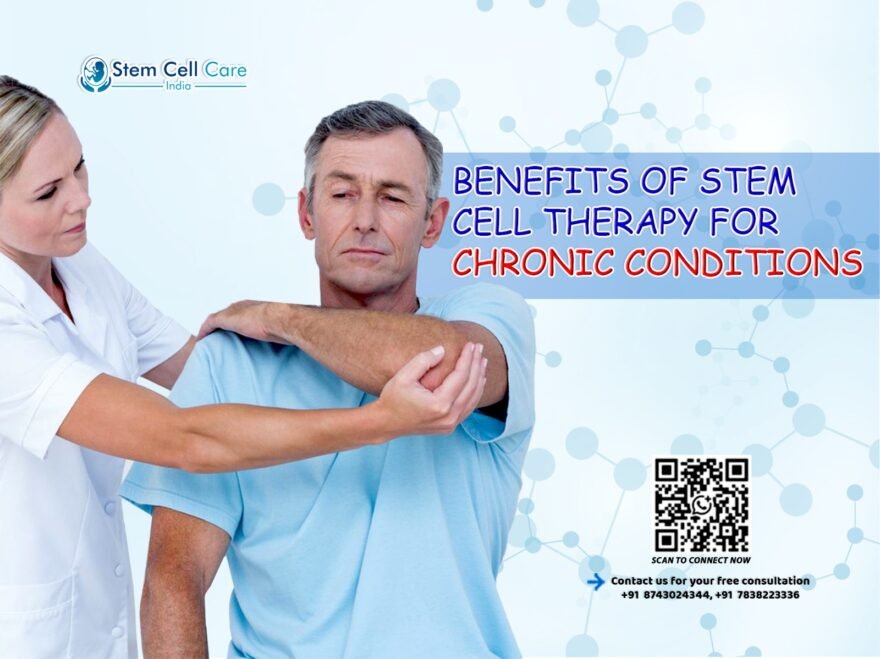
Stem cell therapy offers new promises for patients suffering from long-term ailments like arthritis, diabetes, heart disease, and spinal damage. It uses specialized cells capable of repairing and regenerating damaged tissues in the body. The treatment can reduce pain, improve mobility, and help the body heal naturally. Patients often experience faster recovery and enhanced quality of life after therapy.
Compared to surgery or long-term medication, stem cell therapy is less invasive and carries fewer side effects. Several patients have reported positive outcomes, with ongoing research continuously improving results. Stem cell therapy is a modern treatment that supports natural healing and restores function in affected areas.
Added Content: India has emerged as a global hub for this treatment due to affordable costs, advanced medical facilities, and skilled physicians. Hospitals provide world-class infrastructure and patient-friendly care. Foreign patients benefit from support with travel, accommodation, and interpreters. The government promotes ethical research and ensures proper regulations. With continuous advancements in regenerative medicine, India is expected to lead globally in stem cell therapy, making treatment accessible and reliable for all patients.
Final Verdict
Stem cell therapy offers new promises for patients suffering from long-term ailments like arthritis, diabetes, heart disease, and spinal damage. It uses certain cells capable of repairing and growing damaged tissues in the body. The treatment can subside pain, improve mobility, and enable the body to heal naturally.
Compared to surgery or long-term medication, stem cell therapy is less dangerous and may have fewer side effects. Several patients have reported positive results, with further studies still being conducted. Stem cell therapy is an exciting new treatment that has the ability to improve the well-being of those suffering from chronic disease.
Reference Links:
Mesenchymal stem cells show regenerative potential for chronic conditions:
Stem cells can differentiate, reduce inflammation, and support tissue repair in chronic illnesses like diabetes and organ damage.
https://pubmed.ncbi.nlm.nih.gov/39154207/
Stem cell therapy can help manage chronic pain and improve quality of life:
Clinical reviews highlight positive outcomes in pain relief from chronic conditions and improved functional health.
https://www.ncbi.nlm.nih.gov/pmc/articles/PMC8445610/
Stem cells are explored for repairing diabetic complications:
Regenerative therapy shows promise in treating diabetic microvascular damage through stem cell approaches. https://www.sciencedirect.com/science/article/abs/pii/S0040816623002136
Clinical progress of stem cell uses in rheumatic diseases:
Studies indicate stem cell therapy may reduce inflammation and assist tissue repair in chronic rheumatic conditions.
https://pubmed.ncbi.nlm.nih.gov/40353645/