Table of Contents
Summary:
Stem cell therapy is an advanced regenerative medical treatment. It focuses on healing damaged tissues naturally. Many patients consider it for chronic pain relief. Others seek help for degenerative conditions. The therapy aims to support the body’s natural repair process. It does not offer instant results. Instead, it promotes gradual healing over time.
The treatment process begins with a detailed medical consultation. Doctors review medical history carefully. They assess symptoms and overall health status. Diagnostic tests help determine treatment suitability. Patients receive clear explanations about the procedure. They also understand expected outcomes and possible limitations. Pre-treatment instructions are shared in advance. These often include dietary and medication guidance. Proper hydration is usually recommended. Preparation supports a better treatment response.
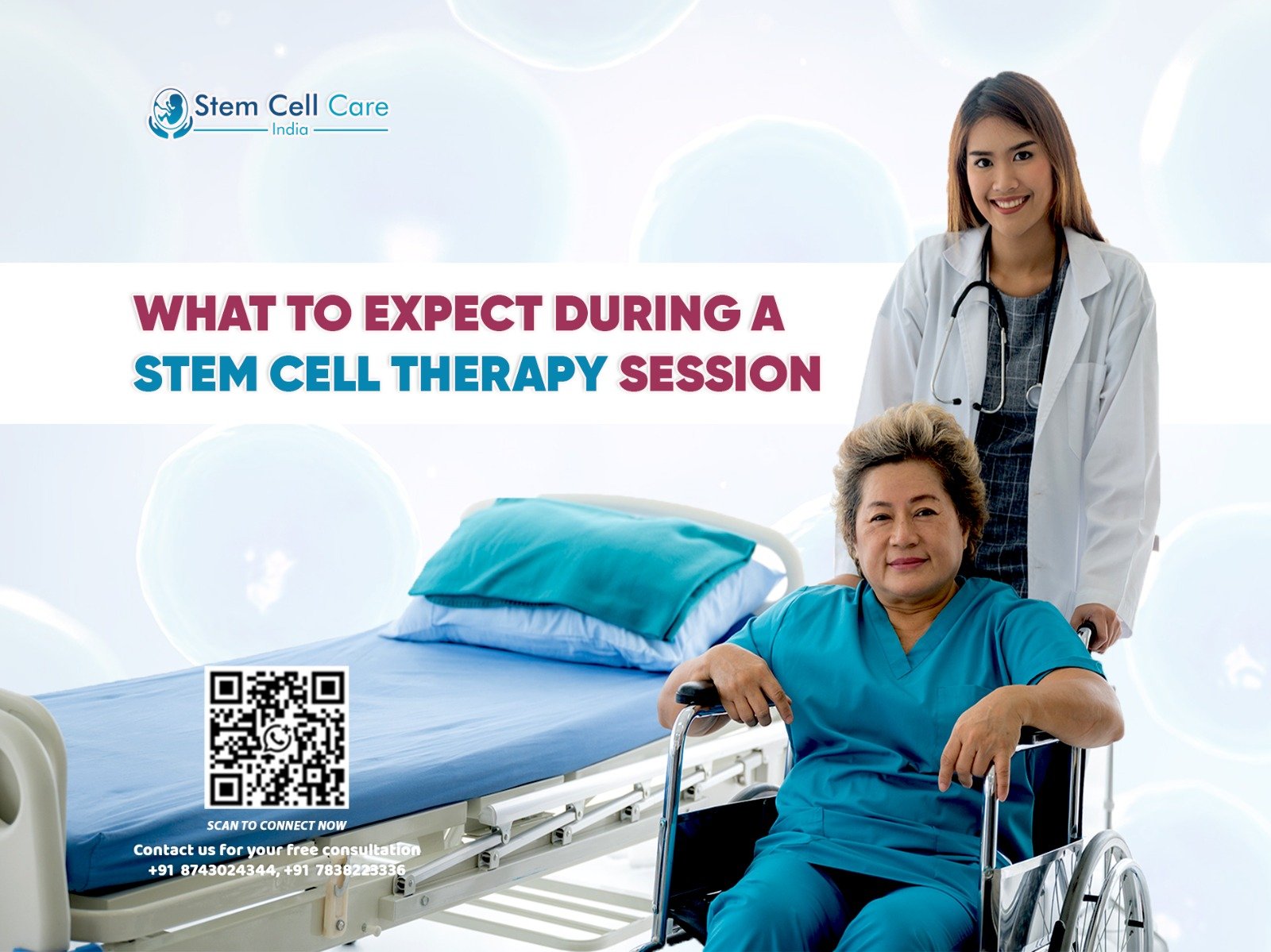
On the treatment day, the clinical environment remains sterile. Strict medical protocols are followed. Most procedures are minimally invasive. Surgical intervention is usually unnecessary. Patients are positioned comfortably during the session. Local anesthesia may be used for comfort. Imaging tools guide precise stem cell placement. Cells are delivered to targeted areas only. The session duration varies by condition. Most treatments last a few hours.
During the procedure, discomfort is minimal. Patients remain monitored throughout the session. After completion, recovery begins immediately. Most people resume daily activities quickly. Mild soreness or fatigue may occur. These effects usually resolve within a few days. Rest is often advised after treatment. Heavy physical activity should be avoided temporarily.
Hydration supports the healing process. Healthy habits improve treatment effectiveness. Follow-up visits track recovery progress. Doctors monitor improvements over time. Results may appear gradually. Healing can continue for weeks or months. The therapy reduces inflammation and promotes regeneration. Conditions affecting joints and nerves may benefit. Autoimmune disorders may also be considered.
Patient response varies by health factors. Realistic expectations are important. Qualified medical professionals ensure safety. Personalized care improves outcomes. Stem cell therapy is a guided healing journey. Proper care supports long-term benefits.
FAQs:
1. What happens during a stem cell therapy session?
A stem cell therapy session is carefully organized. First, stem cells are prepared in a lab. They are made safe and pure. You sit or lie comfortably before treatment starts. Cells are guided to the treatment site with imaging tools. This increases placement precision and effectiveness. Most sessions last between one and three hours. Local anesthesia may be used for comfort. Very few patients report discomfort during procedures. Side effects are usually mild and temporary.
2. How should I prepare before the therapy session?
Preparation starts with a medical consultation before treatment. Doctors review your medical history and health status. You may undergo diagnostic scans and tests. These ensure suitability for therapy and reduce risks. You receive instructions about food, hydration, and medications. Drinking plenty of water often helps your body respond better. Avoiding alcohol and smoking before treatment is advised. Being well rested can improve your comfort level too.
3. How long does the procedure take?
Most stem cell sessions are completed in a few hours. Typical treatment lasts one to three hours total. That includes preparation and delivery of cells. The duration depends on your health condition. Complex cases may take slightly longer. You stay in a comfortable position while cells are administered. Staff monitor you the whole time for safety. You don’t need general anaesthesia for most treatments.
4. What should I expect right after the session?
After treatment, recovery starts quickly for most patients. Mild soreness or tiredness may occur. These effects usually last only a day or two. Doctors often advise rest for 24–48 hours. Drinking water supports your healing process in this time. Avoid heavy exercise for several days after therapy. Alcohol and smoking should be skipped temporarily too. Follow-up visits monitor progress and outcomes.
5. When will I see improvements from treatment?
Improvements from stem cell therapy are gradual, not instant. Your body needs time to heal internally after cells are placed. Some patients notice changes in a few weeks. Others may require a few months for results. Progress depends on your condition and overall health. Follow-up appointments help track improvements over time. Additional sessions may be recommended by doctors. Patience is key to seeing benefits.
6. Are there any common risks or side effects?
Stem cell therapy has minimal side effects for most patients. Mild soreness or fatigue is the most common effect. Some people feel slight discomfort at the treatment site. Serious risks like infection are rare. Healthcare professionals follow sterile procedures to reduce risk. You’ll be monitored before, during, and after therapy to ensure safety. Always talk with your doctor about specific concerns beforehand.
Conclusion:
So, what should you look forward to during a stem cell therapy session? In brief, clarity, concern, and lots of hope. If you are facing severe conditions like bone cancer in the marrow, or merely seeking pain relief from chronic conditions, stem cell therapy throws open doors that were previously shut. With credible specialists such as Stem Cell Care India, you are not merely having a medical treatment, but you are entering an era of healing opportunities.
Beyond the procedure, understanding brings confidence. Clear communication reduces fear and uncertainty. Every step is explained before treatment begins. This helps patients feel informed and prepared. Personalized care remains a key focus throughout the process. Medical teams prioritize comfort and safety at every stage.
The session itself is structured and calm. Patients are monitored continuously by trained professionals. Modern techniques improve accuracy and effectiveness. Most procedures involve minimal discomfort. Recovery usually begins soon after completion. Downtime is often short for most patients.
Healing does not happen overnight. Progress develops gradually over time. The body responds at its own pace. Some patients notice improvement within weeks. Others experience changes over months. Regular follow-ups help track these improvements carefully.
Stem cell therapy also supports emotional reassurance. Patients regain hope where options felt limited. It represents progress in modern medical care. For many, it offers renewed quality of life. Choosing the right medical team is essential. Expert guidance improves outcomes and trust.
Ultimately, stem cell therapy is more than treatment. It is a guided healing journey. Proper care enhances long-term benefits. Informed decisions lead to better experiences. Hope, science, and care work together here.
Have you heard of stem cells and are asking yourself exactly what in the world is happening in a therapy session? Stem cell therapy is one of the most discussed advances in contemporary medicine, and more and more people are seeking it out for hope, healing, and even actual recovery. If you are researching for yourself or a loved one, knowledge of what to anticipate is able to put the mystery and terror of the process to rest.
From bone cancer to chronic pain and degenerative diseases, stem cell therapy in India has come to provide safe, research-backed solutions. And if you are thinking of stem cell treatment, this guide will take you through every step of a standard session.
Preparing for the Session: What Happens Before?
The clinic staff will further educate and medically clear you for treatment prior to your therapy session. If you opt for medical consultation at Stem Cell Care India, for example, they will conduct a one-on-one evaluation to tailor the therapy to your disease and comfort level. These are what you can expect before the therapy:
- A comprehensive medical consultation, including history and present health status
- Diagnostic examinations to assess suitability for stem cell treatment
- Review of what type of stem cells will be used (autologous from your own body or donor-derived)
- Pre-treatment instructions, including hydration, medications, and dietary information
During the Session: What the Process Looks Like
Depending on the condition, either the stem cells, commonly bone marrow or fat tissue’s mesenchymal cells, are taken on the same day or from a donor bank. Treatment is non-surgical in the majority of cases and typically carried out within a sterile clinical environment.
This is what typically happens during the session
- Stem cells are cultured in the lab to render them pure, viable, and safe.
- You are lying or sitting in a relaxed position when the procedure is performed.
- The stem cells are delivered to the region of interest, like joints, spine, blood supply, etc, with imaging equipment for precision.
- The procedure is usually 1 to 3 hours long, depending on the complexity.
- No general anesthetic is required, although some local anesthetic might be used for comfort.
- Very few patients complain of discomfort with the procedure.
After the Session: What You Should Know?
Recovery is usually quite fast, and side effects are no more than a little bit of discomfort, if any. Remember your body is going to be working a lot internally so we want to stress good after care.
Here’s what you might want to prepare for:
- You can expect mild soreness or tiredness in the next day or two.
- Perhaps you are instructed to rest for 24 to 48 hours following treatment.
- You will likely have normal follow-up visits to monitor progress and see if additional sessions are required.
- You should avoid heavy exercise, alcohol, and smoking for a few days.
- With that, you might see improvements over weeks to months, depending on the condition.
Conditions Commonly Treated with Stem Cell Therapy
- Bone marrow cancer and other blood diseases
- Joint aching, osteoarthritis, and musculoskeletal trauma
- Neurodegenerative conditions such as Parkinson’s
- Autoimmune and inflammatory diseases
- Skin trauma, anti-aging treatments, and chronic fatigue
The lead performers in many of these procedures are mesenchymal cells, which have healing, anti-inflammatory, and tissue-regenerating abilities. That’s why they are utilized in both orthopedic and neurological disorders.
Trust the Experts: Why Choose Stem Cell Care India
If you are seeking professional assistance regarding stem cell treatment in India, Stem Cell Care India is a name you can trust. They have their clinic and an experienced team that offers advanced stem cell therapy in Delhi for a number of health problems. They explain each step to you, customize the process as per your medical requirements, and are with you from consultation to recovery.
Their employment of ethically obtained stem cells, sophisticated lab procedures, and patient safety protocols sets them apart as one of the most trustworthy clinics in the regenerative medicine arena.
The Bottom Line
So, what should you look forward to during a stem cell therapy session? In brief, clarity, concern, and lots of hope. If you are facing severe conditions like bone cancer in the marrow, or merely seeking pain relief from chronic conditions, stem cell therapy throws open doors that were previously shut.
With credible specialists such as Stem Cell Care India, you are not merely having a medical treatment, but you are entering an era of healing opportunities.
Reference Links:
- Stem Cell Transplant Treatment Side Effects.” MD Anderson Cancer Center,
www.mdanderson.org/patients-family/diagnosis-treatment/emotional-physical-effects/stem-cell-transplant-treatment-side-effects.html - “What to Expect from Stem Cell Therapy.” Start Stem Cells,
www.startstemcells.com/what-to-expect-stem-cell-therapy.html
- “What to Expect Before and After Stem Cell Therapy.” Stem Cell Mexico,
www.stemcellmexico.org/what-to-expect-before-and-after-stem-cell-therapy/
- “Understanding the Stem Cell Recovery Journey.” THERHA,
therha.org/understanding-the-stem-cell-recovery-journey-what-every-patient-should-know/
- “How to Prepare for Stem Cell Therapy.” Stem Cell MIA,
stemcellmia.com/prepare-for-stem-cell-therapy/ - “What a Stem Cell Therapy Session Really Looks Like.” Cellebration Wellness,
cellebrationwellness.com/behind-the-scenes-what-a-stem-cell-therapy-session-really-looks-like/