Table of Contents
Summary:
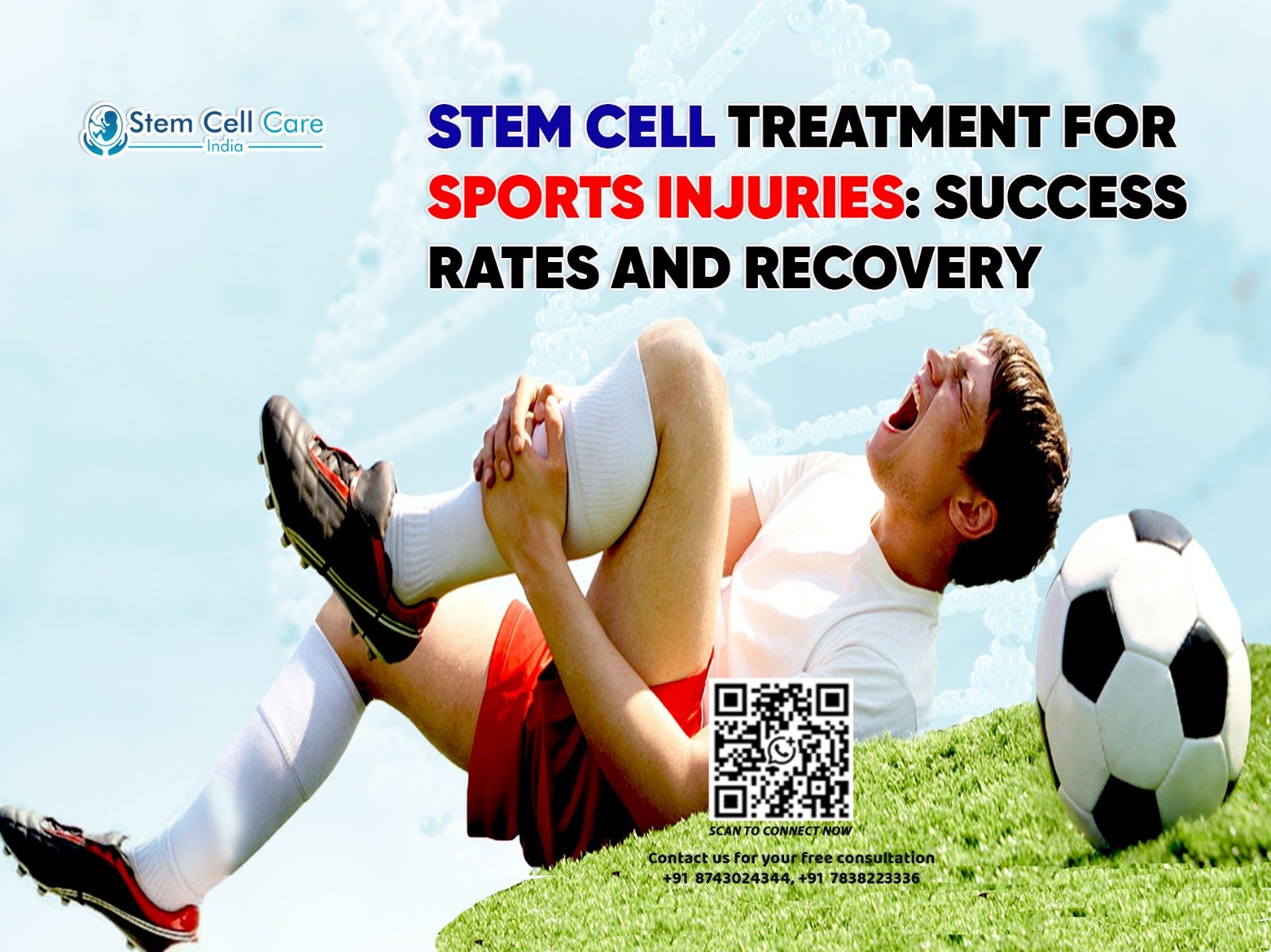
Sports-related injuries can cause a person to be sidelined for several years. Conventional methods used for the healing process include surgery, medication, and physical therapy. However, the above techniques may often fail in restoring normal functionality. Stem cell therapy is an alternative for restoring the function and structure of tissues naturally, since the above techniques may often result in the accumulation of scars, which is prevented in the former. This is because the healing process takes place through the use of stem cells.
Stem cell therapy can promote a quick recovery. Athletes will be able to return to sports sooner. Different stem cells are employed depending on the injury. Bone marrow stem cells assist with the repair of joints/muscles. Mesenchymal stem cells assist with the reduction of inflammation. Adipose-derived stem cells also possess valuable regenerative qualities. Injuries repaired using stem cells include ACL injuries, torn rotator cuff muscles, and tendonitis.
The success rate depends on the injury and the patient’s condition. Many athletes have benefited, experiencing reduced pain and mobility problems. The complication rate is reduced compared to surgery. Recovery times often beat conventional approaches. Some patients resume training in weeks, not months. Therapy also supports tissue rebuilding at the source. It may be repeated for longterm chronic injuries.
Experts tailor treatment plans to each injury case. Rehabilitation and monitoring assist full healing after therapy. Overall, stem cell therapy shows encouraging success rates for sports injuries. Athletes can regain strength, stability, and confidence in performance.
contact-form-7 id=”1ff8845″ title=”Blog Page Form”]
FAQs:
1. How does stem cell therapy help sports injuries heal faster?
Stem cell therapy relies on the body’s natural repair cells to repair injuries. These cells work to reduce swelling and minimize the tissue damage that occurs. They help to rebuild muscle tissue, tendons, ligaments, and cartilage destroyed by injury in the body. Stem cells will help to promote the growth of normal tissue as well as increase blood flow to the affected areas of the body. This will aid in faster recovery from injuries beyond current standard treatments. Many athletes have been able to resume their activities without pain and stiffness after undergoing stem cell therapy.
2. What types of sports injuries can be treated with stem cell therapy?
Stem cell therapy is effective for the treatment of various sports-related injuries. Some of the typical knee problems, such as ACL tears, meniscal tears, restricting the movements of the athlete, are cured. Problems associated with the shoulder, including rotator cuff tears, have shown positive results. Elbow problems, like golf or tennis elbow have also shown good results. Ankle sprains, ligamental tears, hip problems, and the early stages of arthritis have benefited from this treatment. Hamstring, calf, or quadriceps strains have shown faster healing with the treatment. Different treatments are required for each type of injury.
3. What kinds of stem cells are employed in therapy?
Stem cells vary depending on the type of injury and the affected area. Stem cells from the bone marrow are effective in repairing joints and muscles. Mesenchymal stem cells are effective in reducing swelling and healing tissues. Adipose stem cells, sourced from fat, are also effective in rebuilding injured tissue. Stem cells selectively repair particular tissues and stimulate the healing process. A physician examines each patient to determine the most effective stem cell to use. Tailor-made treatment results in better healing, pain relief, and strengthened connective tissue. A particular cell type, along with accurate injection methodology, multiplies the potential for success and facilitates the rapid healing of musculoskeletal sport injuries.
4. How soon can athletes recover from physical therapy?
The time taken for recovery depends on the nature and severity of the damage. Some athletes begin noticing improvements in pain and movement in a few weeks. Others take months to fully recover. Patients often begin to notice decreased swelling and rapid improvements in their overall range of motion shortly after treatment, as the recovery process is aided by early treatment. Physiotherapy follow-up treatment is effective in speeding up the recovery process. Stem cell treatment can dramatically cut recovery time compared to surgical treatments. Athletes can quickly resume training and light physical activities and still sustain optimal recovery of their tissues and optimally maintain performance.
5. Are the results of stem cell treatment reliable?
The degree of success is based upon the type and severity of the injury, the general health of the player, and the level of the therapy performed. A great number of athletes have notably improved levels of pain, flexibility, and overall muscle strength. Stem cells are known to increase the function and overall stability of the injured tissue. Proper application and therapy techniques are believed to increase these potentials. The earlier it is applied, the more successful the results will be, though chronic cases may need several therapy applications. There are many research and clinical trial findings regarding the successful application for musculoskeletal injuries.
6. Comparison between stem cell therapy and surgery.
Stem cell therapy is relatively non-invasive and safer compared to surgery. There is no need for cuts, sutures, and general anaesthesia as with conventional surgery procedures. The chances of infection, scarring, and various complications are therefore reduced and eliminated. Recovery periods take much shorter times compared to conventional surgical procedures. A considerable number of athletes tend to quickly resume their sporting endeavours with little to no pain following this therapy. Stem cell therapies enhance the body’s natural mechanism of regenerating tissues, as opposed to replacing and removing tissues through surgical processes and procedures. Stem cell therapy may be followed by surgical procedures in case of serious injuries. It combines with therapy to enhance strength, flexibility, and joint mobility, in addition to preventing injuries following conventional surgical procedure
Conclusion:
Sports injuries can be annoying, but they don’t need to run your life or define your life. You can recover without surgery and risk, return to the activity you were participating in, and return better than before. This can all be achieved with stem cell therapy.
If you are tired of the pain or sluggish healing, stem cells can be the solution you have long been looking for. Get in touch with Stem Cell Care India and be on your way towards a fresh and energetic life, for the best of you is out there waiting to return!
Stem cell therapy targets the root cause of injuries. It helps muscles, ligaments, tendons, and joints heal naturally. Inflammation is reduced, and damaged tissues regenerate faster. Recovery times are often shorter than with traditional treatments. Many athletes experience improved flexibility and strength after therapy. Continuous monitoring and personalized care enhance success. Combined with physiotherapy, therapy ensures long-term performance and reduces re-injury risk. Stem cell therapy is a modern, safe, and effective solution for sports injuries, helping patients regain confidence, energy, and full mobility.
Dealing with Injuries in sports is painful and frustrating, and typically sidelines athletes for months. Traditional treatment, like surgery, physiotherapy, and medication, does not always restore one to full health. Fortunately, stem cell therapy has been making waves as a revolutionary therapy that promises to heal quickly and regenerate natural tissue.
Here, in this blog, we will talk about how stem cell therapy is helpful for sports injuries, how successful it is, and what the recovery is like. If you want stem cell therapy in Delhi, meeting with Stem Cell Care India will help you make a well-informed decision.
How Stem Cell Therapy Helps Heal Sports Injuries?
The body’s own repair mechanism is the stem cells. They can differentiate into other types of cells and repair damaged tissues. Stem cells can help with sports injuries in the following ways:
- Decrease Inflammation: Stem cells produce anti-inflammatory factors that enhance the speed of the repair process.
- Repair Damaged Tissues: They repair muscles, tendons, ligaments, and cartilage.
- Minimize Scarring: Stem cells repair the tissue naturally without the large scarring as with surgery.
- Avoid Performing Surgery: No major surgical incisions or lingering downtime.
Types of Stem Cells Used in Sports Injury Treatment
Several types of stem cells are related to the injury and patient condition.
- Bone Marrow Stem Cells: Bone Marrow Stem Cells are a type of stem cell isolated from the patient’s bone marrow. Bone marrow stem cells have exceptional properties for joint and muscle injuries.
- Mesenchymal Stem Cells: Mesenchymal Cells are located in fat tissue and the bone marrow. Mesenchymal stem cells have the ability to suppress inflammation and modulate tissue homeostasis.
- Adipose Tissue: Adipose-derived stem cells have increased interest due to their isolation from fat tissue, which has excellent regenerative properties.
Common Sports Injuries Treated with Stem Cells
If you are looking at stem cell therapy in Delhi, here is a list of injuries where outcomes have been particularly favorable:
- Knee injuries: ACL ruptures, tears of the meniscus, and cartilage.
- Shoulder injuries: Rotator cuff rupture and labral rupture.
- Elbow injuries: Tennis elbow and golfer’s elbow.
- Ankle injuries: Sprains, ligament ruptures, and tendonitis.
- Hip injuries: Labral rupture or onset of arthritis.
- Muscle strains: Specifically, hamstrings, calf, and quads.
What makes Stem Cell Recovery so effective?
Stem cell treatment heals naturally in a more focused manner. Here’s why so many athletes and fitness enthusiasts are opting for this solution:
- Non-surgical Procedure: No incisions, stitches, or hospitalizations
- Rapid Recovery Times: Some patients become active again in weeks
- Less Inflammation: It helps manage pain and swelling
- Tissue Rebuilding: Stem cells actually reconstruct the damaged area
- Low Risk of Complications: Particularly when compared to surgery
- Repeatable If Needed: For long-term conditions or chronic pain
Success Rates and Real-World Results
While outcomes vary depending on the injury and individual, research and clinical practice demonstrate that stem cell therapy has high success rates for sports-related conditions. Athletes have experienced pain relief, improved joint function, and faster returns to training.
Indeed, numerous leading sports professionals have begun to use mesenchymal cells taken from their own bone marrow or fat tissues for quicker healing. It’s not merely returning to the game; it’s a matter of becoming stronger, more stable, and more confident.
Get the Right Guidance
Considering stem cell therapy in Delhi or just exploring your options? It all starts with consulting someone who knows the business. That’s where Stem Cell Care India is available.
They offer qualified guidance, tailored treatment options, and access to cutting-edge therapy procedures in the heart of Delhi. Whether your injury is old or new, their experts see that you find the most effective way forward through evidence-based regenerative medicine.
contact-form-7 id=”1ff8845″ title=”Blog Page Form”]
Final Verdict
Sports injuries can be annoying, but they don’t need to run your life or define your life. You can recover without surgery and risk, return to the activity you were participating in, and return better than before. This can all be achieved with stem cell therapy.
If you are tired of the pain or sluggish healing, stem cells can be the solution you have long been looking for. Get in touch with Stem Cell Care India and on your way towards a fresh and energetic life, for the best of you is out there waiting to return!
Reference Links:
- Emerging Applications of Stem Cell and Regenerative Medicine to Sports Injuries – PubMed Review
https://pubmed.ncbi.nlm.nih.gov/26535296/ PubMed - Stem Cell Therapy in Sports Medicine: Current Applications, Challenges and Future Directions – PubMed Review
https://pubmed.ncbi.nlm.nih.gov/37682309/ PubMed - Mesenchymal Stem Cells for Tendon and Ligament Injuries – Clinical Evidence (PubMed)
https://pubmed.ncbi.nlm.nih.gov/33424096/ PubMed - Stem Cell Therapy for Athletes: Benefits and Improved Recovery (Dekabi Stem Cell Clinic)
https://www.dekabi.com/articles/stem-cell-therapy-for-sports-injuries-recovery-and-performance-enhancement dekabi.com - How Regenerative Medicine Helps Athletes Recover from Injuries Faster – Stem Cell Council
https://www.stemcellcouncil.com/article/how-regenerative-medicine-can-help-athletes-recover-from-sports-injuries-faster-and-stronger stemcellcouncil.com