Table of Contents
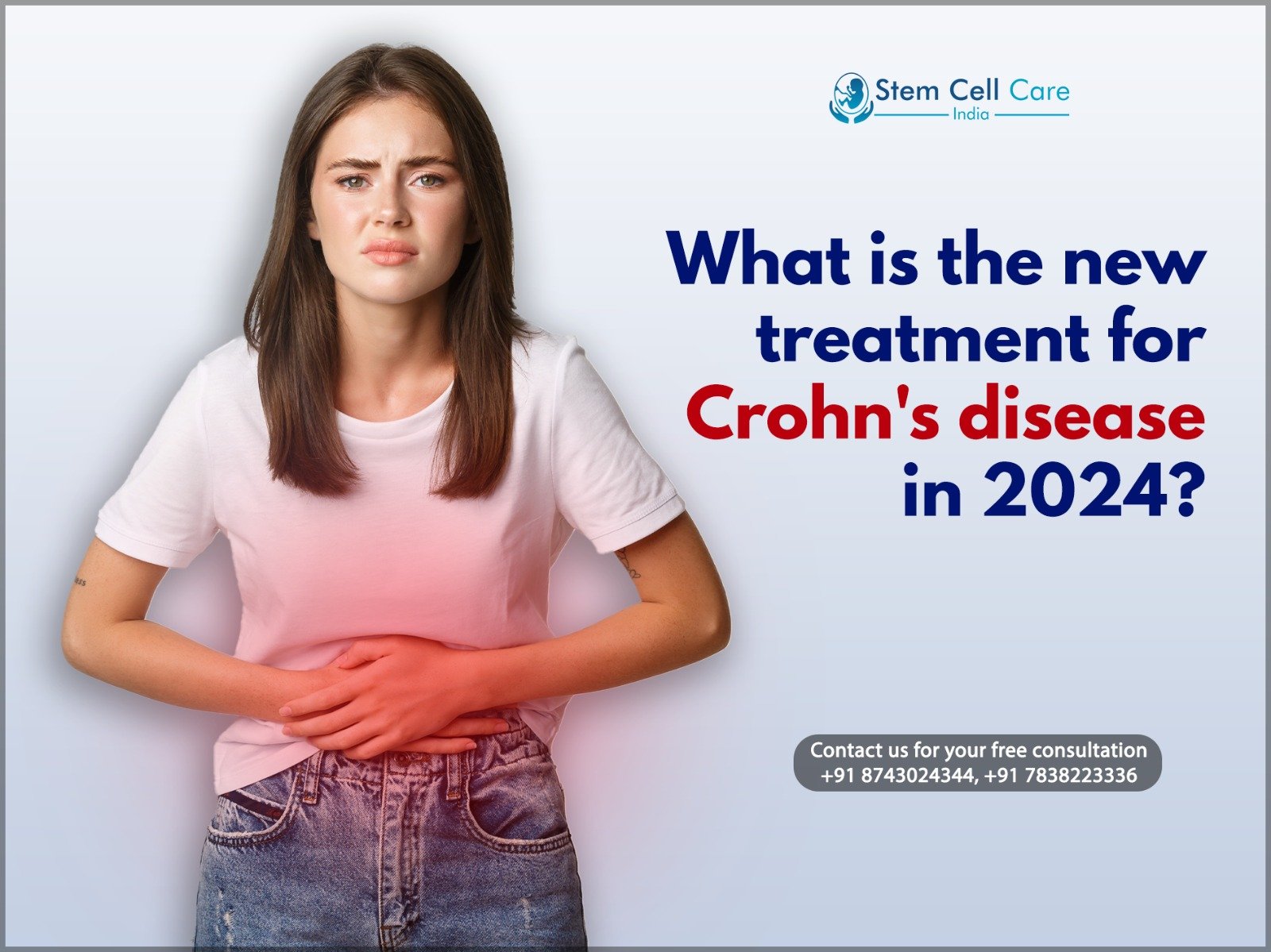
New treatments for Crohn’s disease offer hope for better management and symptomatic alleviation. It is a chronic disease that basically inflames the digestive tract, which leads to symptoms that include pain, diarrhea, and weight loss. Conventionally, individuals have relied on traditional methods, which are primarily meant to control symptoms and reduce inflammation. Modern medical research has brought new hope in this condition.
This blog examines some of the freshest breakthroughs in treatment for Crohn’s disease, medications, and stem cell treatment for crohn’s that hold immense promise. Knowledge about such new options helps patients and their families make informed choices about care.
Symptoms of Crohn’s Disease
Crohn’s disease is an inflammatory condition that affects the digestive tract. Inflammation can be in any part of the GI tract but often involves the lower part of the small intestine. The signs and symptoms vary widely among people and at times depend on which part of the GI tract is affected and the degree of inflammation. For most patients, periods of remission occur in which symptoms actually disappear, and the disease course is mild to severe. Knowledge of these common symptoms will help one to identify early diagnosis and hence early management of the disease. The six important symptoms of Crohn’s disease are as follows:
- Abdominal Pain: In many cases, people suffering from Crohn’s disease have persistent or crampy abdominal pain. Often it is located at the lower right side of the abdomen. It may be severe, with a partial relief at times, in case of bowel movements.
- Diarrhea: Thin, watery stools that may be very frequent. Sometimes, it might be bloody or have mucus in it.
- Fatigue: It is common to feel tired and exceptionally weak. This could come from the body working so hard with constant inflammation and the inability to absorb necessary nutrients.
- Weight Loss: Inadvertent weight loss due to a decrease in appetite or problems with nutrient absorption.
- Fever: Low-grade fever occurs in some patients of Crohn’s disease and hints towards the inflammation or infection of some body part.
- Mouth Sores: Sores or ulcers painful to touch may appear inside the mouth-on the gums, tongue, or on the inner side of the cheeks.
Stem Cell Therapy For Crohn’s Disease
Stem cell therapy for crohn’s disease in Delhi is an emerging form of treatment for those who suffer from this often chronic inflammatory bowel condition known as Crohn’s disease. It is an inflammatory disorder of the digestive tract that generally presents symptoms consisting of abdominal pain, diarrhea, weight loss, and a general feeling of tiredness. Traditional treatments for the disease are by medication and surgery, but this newer way of thinking about treatment is also promising.
These are cells with a possible development into other cell types in the human body. The general principle of applying this treatment to Crohn’s disease is the administration of stem cells to support the repair mechanisms and regeneration of the damaged tissue in the gut. The most widely applied type of stem cell therapy encompasses the use of a patient’s bone marrow for stem cells. These cells are then aspirated, processed, and returned to the patient. The intent is that these stem cells will reduce inflammation and bring healing to the digestive tract.
Research on stem cell therapy for Crohn’s disease is still in its prime stage. However, several studies suggest the high degree of symptom improvement and quality of life that this therapy brings to patients. It may be particularly helpful in those patients who have shown to be poor responders to conventional treatments. As promising as the therapy might sound, it is crucial to say that it is not widely available and can only be found in clinical trials most of the time.
Put It All Together
Stem cell treatment in India is one such hope left in the quest for further management of Crohn’s disease. It has given the person an alternative when the going gets tough with existing treatments and a peek into what can be expected from regenerative medicine in complex, chronic conditions. It may be treated with caution today, but as research is still ongoing, it could be more plausible for managing Crohn’s disease in times to come.