Table of Contents
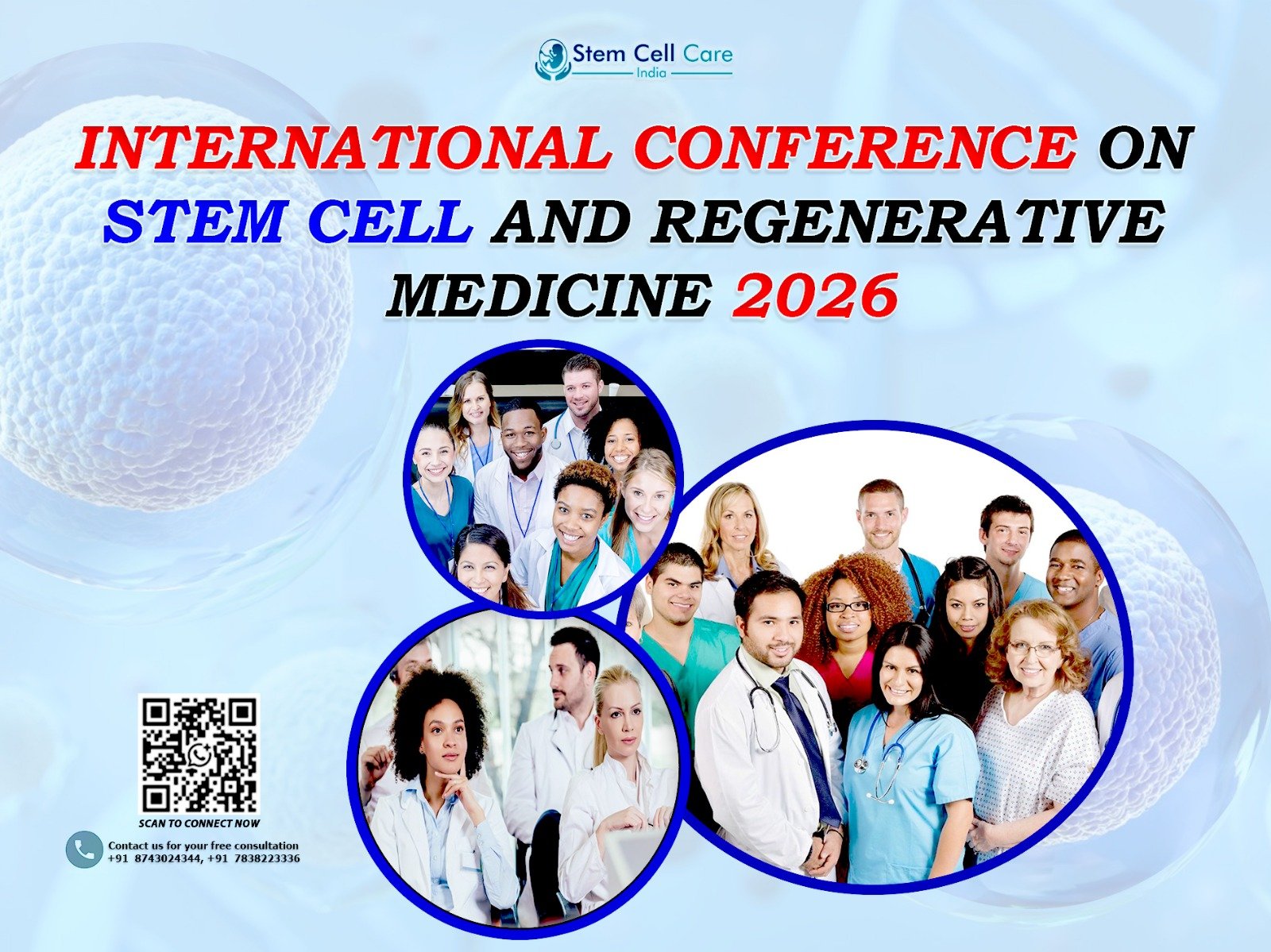
Summary: As we are in 2026, it is almost time for the International Conference on Stem Cell and Regenerative Medicine 2026. Discussions are now more focused on safety, outcome accountability, regulatory standards, and patient-centric care. This blog highlights what these conference means for patients seeking regenerative medicine.
In this advanced era of medical science, patients often seek the most state-of-the-art treatment for their conditions. One of them, as of 2026, is regenerative medicine, which has entered a phase where progress is no longer driven by isolated findings, instead a global collaboration that is guiding how stem cell therapies develop. The International Conference on Stem Cell and Regenerative Medicine, which is scheduled in June 2026, reflects this transition, bringing together researchers, scientists, and regulatory experts, all together to discuss how stem cell therapy can be safer, more predictable, and ethically grounded.
In the case of patients seeking regenerative medicine, recognizing that such events signify something is crucial in differentiating actual scientific advancements from hype, since these events ultimately define actual treatment methodologies far in advance of when they become practical in hospitals.
Why International Stem Cell Conferences Matter in 2026
International stem cell research conferences act as checkpoints in the entire field of regenerative medicine. They focus on what works, what does not work, and the standardized standards shared among countries.
Key outputs of such conferences include:
- Alignment of clinical practices with peer-reviewed research
- Discussion on the safety and ethics, as well as long-term monitoring of the patients.
- Distinguishing between approved clinical use and experimental research
- Collaboration between academic research and clinical application
These discussions consequently have a direct bearing on the practice of regenerative medicine worldwide.
Key Scientific Themes Discussed At International Conferences
The international stem cell and regenerative medicine conferences in 2026 generally examine areas that have direct implications for patients:
- Mesenchymal Stem Cells (MSC): Current research into safety, immunomodulation, and regeneration signals.
- Translational Research: Laboratory results translated into practical clinical protocols.
- Application of Standardized Laboratory Practices: Strong emphasis on GMP-certified cell processing. Quality cell handling.
- Ethical Frameworks: Informed consent, ethical cell sourcing, and patient communication.
- Outcome Measurement: Emphasis should remain on functional improvement instead of functional results.
These points provide indicators of a shift towards responsibility and structure in the world of regenerative medicine.
A Brief on Upcoming Conferences
The International Conference on Stem Cell & Regenerative Medicine will take place on June 25-26, 2026, in London, UK. It is a global platform that acts as a major venue for scientists, researchers, and policymakers to share their insights on the future of healthcare.
Here are some key highlights:
- Central Theme: To highlight recent advancements in stem cell biology, gene editing or CRISPR, tissue engineering, or clinical applications.
- Format: The conference features keynote speeches, oral talks, and panel discussions that aim to translate research findings into practical medical innovations.
- Networking: The aim is to promote global collaboration and partnership between industry leaders and researchers.
- Venue: To be held in London, a nod to its reputation as a top international location for scientific innovation.
What These Conferences Mean for Patients?
Though patients may not attend such events, the results have repercussions on treatment choices all over the world. The findings from the conference are useful because:
- Minimize unsafe or unproven practices.
- Reduce inconsistencies among protocols for stem cell therapy.
- Establish realistic expectations about recovery times.
- Enhance regulatory and ethical controls.
Patients can now look forward to less experimental guesswork and more evidence-supported treatment.
How India Aligns With Global Regenerative Medicine Discussions
The regenerative medicine industry in India today mirrors the scientific interests that emerge during global scientific meets and conventions. Institutions for research, labs, and consultation-based services such as Stem Cell Care India are now based on global evidence instead of marketing trends.
This will help patients from India follow regenerative medicine principles that align with global research while being economical and methodical at the same time.
For Expert Advice: Stem Cell Care India
Scientific conferences produce data, and patients require interpretation. Not all scientific breakthroughs will work for all diseases or patients.
It is at this stage that Stem Cell Care India becomes very important by:
- Interpreting global research for patient relevance
- Evaluating individual suitability for stem cell therapy
- Explaining ethical, regulatory, and biological limitations
- Preventing unrealistic expectations or inappropriate treatment choices
Consultation will ensure that progress in the world of science will be applied appropriately at the international
The Concluding Thoughts
International conferences on stem cell and regenerative medicine in 2026 are to be held to discuss the field that is maturing through collaboration, regulation, and scientific accountability. For patients, these gatherings often lead to shaping a safer treatment, clearer standards, and more reliable care pathways.
Regenerative medicine delivers the greatest value through global research information combined with ethical consultation of Stem Cell Care India and personalized evaluation, ensuring informed healthcare decisions.
Frequently Asked Questions
Q1. Why are international stem cell conferences important for patients?
Ans. These organizations play a crucial role in shaping international treatment norms and guidelines that impact hospitals and patient treatment directly.
Q2. Do conference discussions change how stem cell therapy is used clinically?
Ans. Yes. Research presented may inform refinement, safety, or inclusion/exclusion criteria.
Q3. Are treatments discussed at conferences always available to patients?
Ans. No. Many discoveries are still in the stages of research and need to be validated.
Q4. How do patients benefit from global research collaborations?
Ans. This decreases unsafe care, ensures greater uniformity, and boosts evidence-based care globally.
Q5. Why is consultation necessary even with global research progress?
Ans. Since scientific discoveries have to be assessed for personal applicability, medical history, and ethical implications.
Reference Links
Squillaro T., Peluso G., Galderisi U. – Clinical Trials with Mesenchymal Stem Cells: An Update
PubMed Central
https://pmc.ncbi.nlm.nih.gov/articles/PMC3636724/
Trounson A., McDonald C. – Stem Cell Therapies in Clinical Trials: Progress and Challenges
Nature Reviews Molecular Cell Biology
https://www.nature.com/articles/nrm.2015.10
Galipeau J., Sensébé L. – Mesenchymal Stromal Cells: Clinical Challenges and Therapeutic Opportunities
ScienceDirect
https://www.sciencedirect.com/science/article/pii/S1525001625000930
International Scientific Conference Listings and Themes Referenced from the Global Scientific Forum
https://www.globalscientificforum.com/conferences/stem-cell-research