Book Your Appointment


    International Patients : +91 8743024344,  Indian Patients : +91 7838223336
    Patient Reviews Bone Marrow Transplant
    Centre of Excellence
    ✕
    HomeHome
    • About Us
      • Overview
      • Our Team
      • Medical Tourism Company
      • Our Vision & Mission
      • Contact the board
      • Business Strategies
      • Standards and Certificates
      • Stem Cell Scientists & Laboratory Team
      • Opportunities
      • The Brand
      • Medical Team
      • Quality Commitment
      • Quality Control
      • Philosophy
      • International Patient Support Team
      • Contact Us
    • Science
      • Production of Stem Cells
      • How to Choose Right Cells
      • Boosting Stem Cell Therapy
      • Stem Cells
      • Stem Cell Therapy
      • Stem Cell Therapy Safety and Risks
      • Stem Cell Therapy Protocol
      • Platelet Rich Plasma
      • Success Rate of Stem Cell Therapy
      • MSCs
      • Mesenchymal Stem Cells & The Blood Brain Barrier
      • Stem Cells
        • Stem Cell Collection
        • Body’s Stem Cell Bank Account
        • Sources of Adult Stem Cells
        • Types of Stem Cells
        • Limitations of Stem Cell
      • About Stem Cells
      • Stem Cell Care India
      • How Does Stem Cell Therapy Work?
      • Stem Cell Processing
      • Totipotent and Pluripotent Stem Cells
      • Stem Cell Activators
      • Cell Regeneration Therapy
      • Functional Medical Therapies
    • Stem Cell Therapy
      • How Stem Cell Therapy Works
      • Type of Stem Cells
        • Embryonic Stem Cell Therapy Stem Cell
        • Induced Pluripotent Stem Cell
        • Bone Marrow Stem Cell
        • Umbilical Cord Tissue Stem Cell
        • Adipose Tissue Stem Cell
        • Umbilical Cord Blood Stem Cell
        • Stem Cell Therapy Limitations
      • Limitations of Stem Cell Treatment
      • FLOW CHART
      • Mesenchymal Stem Cell Therapy
      • Stem Cell Therapy Safety
      • Why India for Stem Cell
      • Stem Cell Treatment Advantages
      • Stem Cell Therapy Glossary
      • Stem Cell Treatment Awareness
      • Supportive Therapies
      • Why Mesenchymal Stem Cell
      • About your Condition
      • Stem Cell Treatment Procedure
      • Stem Cell Delivery Method
      • 5 Myths About Stem Cells
      • Adverse Effects of Stem Cell Therapy
      • Utilizing Placental Stromal Cells for Treatment
      • Stromal Vascular Fraction SVF Cells
      • Pricing of Stem Cell Treatment
      • Bone Marrow Derived Stem Cell Injections
      • Three-Pillar Regenerative Approach
      • Amniotic Derived Stem Cell Activator Injections
      • Umbilical Cord Stem Cell Therapy
      • Fat Derived Stem Cell Injections
      • Why Stem Cell Therapy Costs Vary
    • Immunotherapy
      • Immunotherapy for Kidney Cancer
      • Immunotherapy for Liver Cancer
      • Immunotherapy for Lung Cancer
      • Immunotherapy for Pancreas Cancer
      • Immunotherapy for Prostate Cancer
    • Exosome Therapy
      • Aging and Longevity
        • Exosome Treatment for Major Skin Abrasions
        • Exosome Treatment For Anti-Aging
        • Exosome Treatment For Feel Fit
        • Exosome Treatment For Hair Loss
        • Exosome treatment for Look Fit
        • Exosome treatment for Skin Burns
        • Exosome Treatment For Vitiligo
      • Neaurodisoder
        • Exosome Treatment For Cerebral Palsy
        • Exosome Treatment For ALS/MND
        • Exosome Treatment For Alzheimer’s Disease
        • Exosome Treatment For ATAXIA
        • Exosome Treatment For Brain Injury
        • Exosome Treatment For Intellectual Disabilities
        • Exosome Treatment For Multiple Sclerosis
        • Exosome Treatment For Muscular Dystrophy
        • Exosome Treatment For Diabetic Neuropathy
        • Exosome Treatment for Parkinson’s Disease
        • Exosome Treatment for Spinal Muscular Atrophy
        • Exosome Treatment For Stroke
      • Eye Disorder
        • Exosome Treatment for Age Related Macular Degeneration
        • Exosome Treatment For Eye Injuries
        • Exosome Treatment For Glaucoma Disease
        • Exosome Treatment For Optic Nerve Atrophy
        • Exosome Treatment For Optic Nerve Hypoplasia
        • Exosome Treatment For Optic Neuropathy
        • Exosome Treatment For Retinitis Pigmentosa
        • Exosome Treatment For Retinal Detachment
        • Exosome Treatment For Retinopathy
      • Organ Specific
        • Exosome Treatment For Buerger’s
        • Exosome Treatment For Cardiovascular
        • Exosome Treatment For Critical Limb Ischemia
        • Exosome Treatment For Erectile Dysfunction
        • Exosome Treatment For Kidney Disorder
        • Exosome Treatment For Liver Disease
        • Exosome Treatment For Lungs Disease
      • Infertility
        • Exosome Treatment For Female Infertility
        • Exosome Treatment For Male Infertility
      • Orthopedic
        • Exosome Treatment For Ankylosing Spondylitis
        • Exosome Treatment for Avascular Necrosis
        • Exosome Treatment For Degenerative Disc
        • Exosome Treatment For Fibromyalgia
        • Exosome Treatment For Osteoarthritis
        • Exosome Treatment For Osteomalacia
        • Exosome Treatment For Osteopenia
        • Exosome Treatment For Osteoporosis
        • Exosome Treatment For Rheumatoid Arthritis
        • Exosome Treatment For Sciatic Nerve Injury and Sciatica
        • Exosome Treatment For Shoulder Injury
        • Exosome Treatment For Spinal Cord Injury
        • Exosome Treatment For Sports Injuries
        • Exosome Treatment For Systemic Lupus
      • Other Disease
        • Exosome Treatment Diabetic Nephropathy
        • Exosome Treatment For Connective Tissue
        • Exosome Treatment For Diabetes
        • Exosome Treatment For Diabetic Foot Ulcer
        • Exosome Treatment For Diabetic Neuropathy
        • Exosome Treatment For Down Syndrome
        • Exosome Treatment For Pancreatitis
        • Exosome Treatment For Type1 Diabetes
        • Exosome Treatment For Type 2 Diabetes
        • Exosome Treatment For Wound
    • Supportive Therapy
      • Exosome Therapy in Delhi, India – Stem Cell Care India
      • Behavioral Therapy
      • Diet Counselling
      • Gene Therapy in India
      • Psychological Intervention Treatment India
      • Rehabilitation Therapy in India
      • Speech Therapy in India
      • Spinal Cord Injury Walking Track
      • Physiotherapy in India
      • Occupational Therapy in India
      • Hyperbaric Oxygen Therapy in India
      • Nutrition Therapy in India
      • Acupuncture Therapy in India
      • Epidural Stimulation Treatment in India
      • Nerve Growth Factor Treatment in India
      • Transcranial Magnetic Stimulation Therapy in India
      • Aqua Therapy in India
      • Natural Killer Cells
      • Cancer Using Dendritic Cells
      • Peripheral Blood Treatment
      • Platelet Rich Plasma
    • Diseases Treated
      • Neurological disorders
        • Neuropathy
        • Intellectual Disabilities
        • ALS/MND
        • Parkinson’s Disease
        • Cerebral Palsy
        • Muscular Dystrophy
        • Alzheimer’s disease
        • Brain Injury
        • Multiple Sclerosis
        • Stroke
        • Spinal Muscular Atrophy
        • ATAXIA
        • Global Developmental Delay
        • Encephalomyelitis
        • Encephalo Dysplasia
        • Viral Encephalitis
        • Syringomyelia
        • Hypoxic Ischemic Encephalopathy
        • Peripheral Neuropathy
      • Organ Specific
        • Obesity & Metabolic Syndrome
        • Myocardial Infarction Heart Attack
        • Ischemic Heart Disease
        • Congestive Heart Failure
        • Liver Disease
        • Kidney Disorder
        • Cardio Vascular
        • Lungs Disease (COPD)
        • Buerger’s Disease
        • Critical Limb Ischemia
        • Erectile Dysfunction
      • Eye Disorders
        • Optic Nerve Atrophy(ONA)
        • Age Related Macular Degeneration
        • Retinitis Pigmentosa
        • Optic Nerve Hypoplasia
        • Optic Neuropathy Stem Cell Treatment
        • Eye Injuries Stem Cell Treatment
        • Stem Cell Treatment for Retinopathy in Delhi, India
        • Glaucoma Disease
        • Retinal Detachment
        • Septo Optic Dysplasia
      • Orthopedic
        • Chronic Back Pain
        • Osteoarthritis
        • Fibromyaligia
        • Osteoporosis
        • Osteopenia
        • Osteomalacia
        • Systemic Lupus
        • Spinal Cord
        • Rheumatoid Arthritis
        • Sports Injuries
        • Ankylosing Spondylitis
        • Avascular Necrosis
        • Degenerative Disk
        • Sciatic Nerve Injury & Sciatica
        • Shoulder Injuries
        • Cartilage Repair
      • Aging & Longevity
        • Vitiligo
        • Anti- Aging
        • Look Fit
        • Hair Loss
        • Skin Burns
        • Major Skin Abrasions
        • Feel Fit
        • Body Performance
        • Supportive Care
      • Diabetes
        • Type 1 Diabetes
        • Type 2 Diabetes
        • Diabetic Foot Ulcers
        • Diabetic Nephropathy
        • Diabetic Neuropathy
      • Other Disease
        • Alcohol Related Liver Disease
        • Chronic Pancreatitis
        • Hashimoto’s Disease
        • Sjogren’s Syndrome
        • Down Syndrome
        • Wound
        • Connective Tissue
        • Pancreatitis
        • Ulcerative Colitis
        • Psoriasis
        • Inflammatory Bowel Disease
        • Sensorineural
        • Crohn’s Disease
      • INFERTILITY
        • Female Infertility
        • Male Infertility
        • Peyronie’s Disease
    • Patient Guide
      • Country Specific Services
        • Africa Services
        • Asia Services
        • Europe Services
        • North America Services
        • South America Services
        • Oceania / Australia Services
      • International Patient Facilities
        • Get Expert Opinion
        • Plan Your Visit
        • Contact Us
        • Facilities
        • Alliance Partners
        • Become Our Partner
        • Virtual Tours
        • Accommodation Services
        • Post Treatment Care
        • Medical Visa Process
        • Immigration Services
        • FAQ
        • FLOW CHART
        • Indian Embassies
      • Domestic Patients
        • Facilities
        • Expat Services
        • Get Expert Opinion
        • Accommodation
        • Virtual Tours
        • Contact Us
        • Allian Patients
        • Plan Your Visit
        • Testimonials
        • FAQ
      • Patient Care & Services
        • Admission Process
        • Free Services
        • Guidelines for Visitors
        • How We Will Help You
        • Patient and Attendant Responsibilities
        • Patient and Attendant Rights
        • Quality Standards & Patient Safety
        • Interpretation Services
        • Discharge Process
        • Patient Safety
        • The Indian Choice
        • Translation
      • Nutritional Counseling
      • Indian Travel Help Desk
      • Patient Information Form
      • Patient Diets
      • Testimonials
      • Media
      • Contact Us
    • FAQ
      • VIP Treatment
      • Production of Stem Cells
      • Pricing
      • Safety and Guarantees
      • Enrolment Step
      • Disease and Therapy FAQ’s
      • Client Care & Travel Support
      • Stem Cell Therapy Services & Procedures
    Schedule An AppointmentClick Here
    phone-icon
    Quick EnquiryClick Now
    doctor-icon
    Contact UsIt's so fast
    phone-icon
    Live Tele ConsultationsSchedule It For Free

    Stem Cell Treatment for Retinitis Pigmentosa Delhi, India

    • Home
    • >
    • Stem Cell Treatment for Retinitis Pigmentosa Delhi, India
    Published on: June 2, 2018
    |
    Updated on: March 27, 2026
    |
    By: Stem Cell Care India
    Stem Cell Treatment for Retinitis Pigmentosa Delhi, India
    Key Takeaways

    How Stem Cells Help in Neurodisorders

    1. Repair Damaged Nerve Tissue

    Neurodisorders happen when nerve cells get damaged or stop working well. Stem cell therapy supports the body by replacing injured cells with healthier ones. These cells have strong regenerative power. They help restore lost functions slowly and safely. This procedure supports long-term healing. It also encourages the brain and nerves to repair themselves better.

    2. Reduce Inflammation & Protect Nerves

    Therapy reduces inflammation in the nervous system. Chronic inflammation makes many Neurodisorders worse. It interrupts communication between nerves and slows recovery. Stem cells release healing signals that calm inflammation. This helps protect nerve function. It also stops further damage. It also helps to reduce inflammation and make symptoms easier to manage. It improves comfort and mobility over time.

    3. Support Nerve Connections & Communication

    Stem cells support healthier nerve connections. Many neurodisorders disrupt how nerves talk to each other. Stem cell therapy supports the rebuilding of neural ways. It improves communication signals in the brain and body. Better connections support balance, movement, and memory. This leads to steadier progress in recovery. It also improves overall daily function.

    4. Slow Disease Progression & Improve Quality of Life

    Treatment may slow disease progression effectively. Neurodisorders usually worsen with time. Stem cells may slow this progression. They protect nerve cells from rapid decline. They strengthen weak areas of the nervous system. This helps preserve abilities for longer. It also supports a better quality of life. Many patients feel more stable after treatment.

    GET IN TOUCH
    Get Free Medical Evaluation → Upload Medical Reports →

    Contrary to what some may think, Neurological Stem Cell Therapy isn't a sole treatment for a single kind of disease. Nor are neurological syndromes restricted only to the brain. A neurological disease is a disorder or complaint that affects any portion of the body's nervous system. These can consist of the elementary physical structure, biochemistry or electrical functioning of the brain, the spinal cord, or any nerves connected to them. The neurological stem cell therapy treatments at Stem Cell Care India concentrates on isolating and intensifying the patient's own adult Neural Stem Cells from each area that is to be involved in treatment.

    Common symptoms include muscle weakness, tremors, seizures, paralysis, muscular complications, trouble with coordination, losing physical sensations, confusion, pain, or shifts in one's sense of cognizance. Each region of the brain and spinal cord has its own specialty cells. Symptoms vary widely depending on the specific disorder and the areas of the nervous system affected.

    We treat many neurological conditions including Neuropathy, Intellectual Disabilities, ALS/MND Disease, Parkinson's Disease, Cerebral Palsy, Muscular Dystrophy, Alzheimer's Disease, Brain Injury, Multiple Sclerosis, Stroke Disease, Spinal Muscular Atrophy, Ataxia Disease, Peripheral Neuropathy, Encephalomyelitis, Encephalo Dysplasia, Viral Encephalitis, and Syringomyelia Disease.

    Neurological disorders can result from genetic mutations, traumatic injuries, autoimmune responses, vascular diseases, infections, nutritional deficiencies, environmental factors, or progressive degenerative processes. Our specialists assess each patient's unique etiology before designing a personalised treatment plan.

    Diagnosis typically involves neurological examination, MRI/CT imaging, EEG, genetic testing, and cerebrospinal fluid analysis. Our team reviews all diagnostics to determine stem cell therapy candidacy and to design the optimal treatment protocol for each individual patient.

    Our stem cell therapy utilises mesenchymal stem cells (MSCs) and Neural Stem Cells sourced from the patient's own tissue and from Wharton's Jelly umbilical cord tissue. These cells are chosen for their superior regenerative, anti-inflammatory, and immunomodulatory properties.

    The procedure involves a 2–3 week protocol including pre-treatment evaluation, stem cell infusion via intravenous and intrathecal routes, complementary physiotherapy sessions, and ongoing follow-up monitoring. The process is minimally invasive with no major surgery required.

    Stem cells are delivered via lumbar puncture (intrathecal injection) directly into the cerebrospinal fluid, and/or intravenously. This allows cells to travel through the body and home to sites of injury. The choice of delivery method depends on the specific neurological condition being treated.

    Once implanted, stem cells secrete neurotrophic growth factors, reduce oxidative stress, modulate immune responses, and migrate to injured sites. They promote neuroplasticity, support the regrowth of damaged neural networks, and create an optimal environment for recovery over several months following treatment.

    Our Testimonials

    Popular Searches

    • Stem Cell Treatment for Neurodisorder
    • Stem Cell Therapy for Neurodisorder in India
    • Cost of Stem Cell Therapy for Neurodisorder in India
    • Affordable Stem Cell Therapy for Neurodisorder in India
    • Low Cost Stem Cell Treatment for Neurodisorder in India
    • Stem cell treatment for Neurodisorder in Delhi
    • Stem cell Hospital for Neurodisorder in Delhi
    • Stem cell Hospital for Neurodisorder in India
    💬
    Ask Your Query We're here to help you
    Ask Now ›

      Retinitis Pigmentosa
      Exosome Therapy
      Testimonial Video
      Latest Blog

      Key Takeaways

      • Repairing Damaged Retinal Cells Stem cell treatment helps repair damaged retinal cells. It replaces the dying photoreceptor cells responsible for vision. The process may help preserve existing sight and slow further loss. The therapy supports natural healing in the retina, offering hope for vision improvement in Retinitis Pigmentosa patients.
      • Promoting Retinal Regeneration Stem cells can promote regeneration of light-sensitive retinal cells. They release growth factors that stimulate healing and repair. This regeneration can help improve visual signals to the brain. Patients may notice gradual vision enhancement, especially in low-light conditions. It focuses on restoring the retina’s natural function effectively.
      • Slowing Disease Progression Stem cell therapy may slow down vision loss. It works by reducing inflammation and protecting remaining healthy cells. It helps delay retinal degeneration and preserve existing sight for longer. Though results vary, many patients experience stabilization of symptoms and better quality of life with early treatment.
      • Safe and Minimally Invasive Procedure Stem cell therapy for Retinitis Pigmentosa is usually safe. It is performed using a minimally invasive injection into the eye. The procedure has shown limited side effects under medical supervision. Patients can resume normal activities soon after. The safety profile makes it a promising treatment option.
      • Experimental but Promising Results Stem cell therapy is still under research. Clinical trials show promising improvements in some patients. It is not a complete cure but offers potential vision restoration. Continued studies aim to refine the technique and improve outcomes. Early participation in clinical programs may offer new hope for patients.
      • Overview
      • Causes
      • Symptoms
      • Treatment
      • Procedure
      • Improvement
      • Implantation
      • FAQ's
      • Quality Certificate
      • Follow Up
      • Diagnosis
      • Mechanism
      • Our Promise
      • Treatment Results
      • Testimonials
      • Types
      • Cost
      • Success Rate
      • Advantages
      • Quality Control
      • Related Disorders
      • Trеatmеnt Disclaimеr
      • Country Specific

      Overview

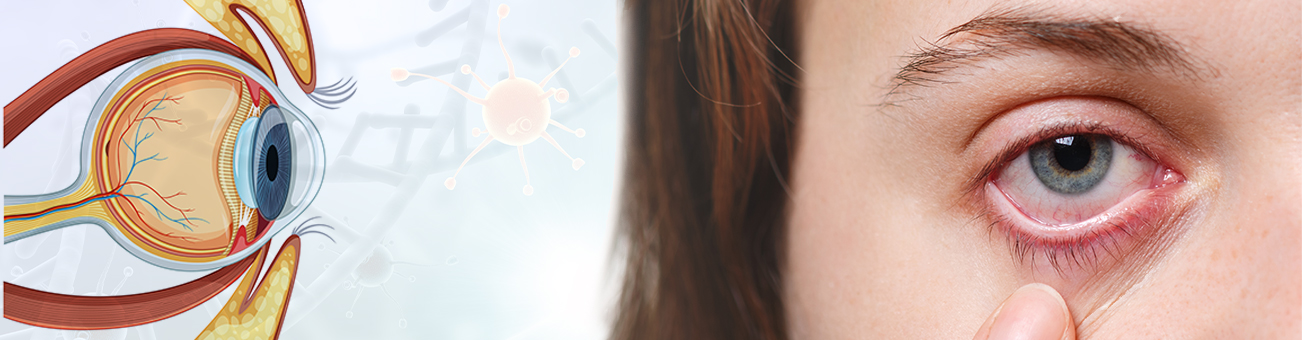
      Retinitis Pigmentosa (RP) is a cluster of genetic sicknesses that affect the retina’s aptitude to respond to light. This congenital degenerative disease causes a slow loss of vision, commencement with reduced night vision and loss of peripheral (side) vision. If untreated, ultimately blindness results. The retina is the layer of light-sensing cells lining the back of your eye that translates light rays into nerve impulses. The impulses are sent via the optic nerve to your brain, where they are recognized as images. With RP, cells in the retina called rods and cones die. With maximum types of RP, rods- which are chiefly in the outer regions of the retina and are accountable for our outlying and night vision, degenerate first. When the retina’s more centrally-located conduits are affected, the outcome is loss of color perception and central (reading) vision.

      Stem cell treatment

      The symptoms can be relieved with the use of stem cells and giving new optimism to the individuals suffering from this ailment by improving their efficacy. Patients suffering from diverse eye related disorders are treated by implanting stem cells via retrobulbar or other effective mode to obtain maximum retrieval. We are enthusiastic by the impressive prospects of stem cells in treating several diseases; hence we are continually updating our knowledge and technology to suit unique stipulations of every patient. Our chief objective has always been stoppage of disease advancement and easing the quality of life to a substantial extent in a non-surgical way. We always promise to deliver safe treatment pattern, by offering Autologous stem cells from your own Bone Marrow/Adipose Tissue. Our top priority is to offer very comprehensive, spot-on treatment pattern with the maximum retrieval. As a part of our treatment, patient’s stem cell are gotten from two sources, Adipose-derived stem cells (ASCs) and Bone marrow-derived stem cells (BMSCs). At times we might use a combination of both, contingent upon the assessment.

      Do you Know about Retinitis Pigmentosa?

      Retinitis pigmentosa (RP) is an inherited eye disease that results in vision loss. Night vision issues and a loss of peripheral vision are among the symptoms (side vision). Individuals can experience “tunnel vision” as their peripheral vision deteriorates. It’s doubtful that you’ll go completely blind. The onset of symptoms is usually gradual and can occur in infancy.

      Retinitis pigmentosa is typically passed on by one’s ancestors. It can be caused by mutations in any of the more than 50 genes. The underlying cause is the progressive loss of rod photoreceptor cells in the back of the eye. Additionally, photoreceptor cone cells are depleted as a result of this. An examination finds black pigment crystals in the eye, and is used to make the diagnosis. Such supporting assessments include an electroretinogram, visual field testing, and genetic testing.

      There is actually no solution for retinitis pigmentosa. Low vision aids, portable lighting, and orientation and mobility training are also options for dealing with the disorder. Vitamin A palmitate supplementation can be useful for incremental deterioration. Vision prosthesis could be a choice for certain people with severe illnesses. It is estimated that 1 in every 4,000 people is affected.

      Patients suffering from this disorder will get the best stem cell therapy in India from Stem Cell Care India, and their symptoms have improved as a result of the stem cell treatment. The only treatment for this disease is stem cell therapy, which aims to repair the dead cells. The best team at Stem Cell Care India is dedicated to the successful management of this medical condition.

      Causes

      RP is an acquired issue due transformations in any of in excess of 50 qualities. These qualities convey the Guidelines for making proteins that are required inside photoreceptor cells of the retina. A portion of the changes, or transformations, inside qualities are extreme to such an extent that the quality can’t make the necessary protein, influencing the cell’s capacity. Different changes produce a protein that is poisonous to the cell. Still other changes lead to an unusual protein that doesn’t work appropriately. In every one of the three cases, the outcome is harm to the photoreceptors.

      Symptoms

      • Loss of night vision. Night blindness is when you cannot see anything in the dark.
      • Gradual loss of peripheral (side) vision. This is known as “tunnel vision.”
      • Loss of central vision. Some people also have problems with central vision.
      • Problems with color vision.

      Treatment

      Retinitis Pigmentosa causes sluggish loss of vision. Symptoms start with diminished night vision and later progress to loss of peripheral (side) vision — generating a “tunnel vision” effect. Some individuals might also have trouble identifying colors. The rate of vision change differs in diverse individuals contingent on the hereditary makeup of their disorder. As night vision drops, the aptitude to fine-tune to darkness becomes more challenging. You might stumble over things in the dark, find driving at dusk and night problematic and see poorly in faintly lit rooms, such as a movie theater. While your vision during the day might be totally normal, your incapability to see in dark conditions is considered “night blindness.” In some circumstances, central vision might be affected first, making detail work problematic, such as reading or threading a needle. This might be referred to as macular dystrophy, since the central area of the retina, called the macula, is affected.

      Get Stem Cell Therapy for Retinitis Pigmentosa

      The area of stem cell therapy for the treatment of retinal degenerative disease holds a lot of hope.

      Stem cells including Umbilical Cord Blood-Derived Stem Cells (UCB-SC), Umbilical Cord Mesenchymal Stem Cells (Ucmsc), and Bone Marrow-Derived Mesenchymal Stem Cells (Bm-Msc) have the capacity to restore and improve vision from lost photoreceptors and retinal neurons.

      How Stem Cell Therapy for Retinitis Pigmentosa works?

      An experimental stem cell-derived treatment designed to preserve and potentially improve vision in people with retinitis pigmentosa (RP) has demonstrated a favourable safety profile in an ongoing Phase I/II clinical trial at the University of California, Irvine. Given that this study is one of the first-ever stem-cell-derived treatments for RP, this safety report is good news and a big step forward. As the experiment continues, we at the Foundation anticipate further conclusions from this study in the coming years.

      The procedure entails injecting retinal progenitors, or stem cells in the process of being retinal cells, into the vitreous, a gel-like substance in the middle of the eye. Researchers conclude that the cells will produce proteins that will preserve the patient’s existing photoreceptors stable, avoiding degeneration and maintaining vision. The proteins could also be able to preserve cones that have stopped producing light but have not completely degenerated, according to the researchers.

      Cones are photoreceptors that have the power to read, remember faces, and see under bright light.

      What Can Retinitis Pigmentosa Patients Expect From Stem Cell Treatment?

      The injection of retinal progenitors, or stem cells in the process of being retinal cells, into the vitreous, a gel-like fluid in the centre of the eye, is needed for stem cell therapy for Retinitis Pigmentosa. Researchers believe that the cells will produce proteins that will keep the patient’s existing photoreceptors stable, preventing degeneration and preserving vision. The proteins could also be able to save cones that have stopped producing light but have not completely degenerated, according to the researchers. Cones are photoreceptors charged with extending the ability to read, identify faces, and see in low-light environments. The patient’s vision improves after getting stem cell therapy from Stem Cell Care India.

      VIP Treatment to Patients at Stem Cell Care India

      • In the VIP recovery room in the advanced facility, the counseling sessions provided to patients at Stem Cell Care India in India occur.
      • The effective care staff ensures 24*7 oversight of the patients.
      • Global Stem Cell Treatment strongly advises that patients continue in the hospital for a minimum of 3 days.

      Procedure

      Stem Cell Care India Treatment Procedure

      The treatments that take place in Stem Cell Care India in Delhi, India usually last for about 3 days. The treatment protocol is safe and non-invasive. The patients can travel the next day. The following is the day-wise schedule for the patients.

      Day 1-

      • Pick up from the Airport to the Hospital
      • Interaction between Dr and Patient, to clear all their doubts at that time
      • Admission procedure
      • Clinical examination & Lab test will be done prescribed by the doctor
      • Supportive Therapy

      Day 2-

      • Stem cell Procedure
      • Supportive therapies
      • Physiotherapy

      Day 3-

      • Supportive Therapy
      • Physiotherapy
      • Discharging formalities
      • Drop back to the Airport

      Note:

      • For Admission, carry the identity card (Passport/ Pan Card / Driving License)
      • Carry the hard copy of Patient reports

      Improvement

      Possible Improvement

      Many people with Retinal Dystrophies and similar retinal conditions whose Unique Access has helped experience innovative therapies have seen major enhancements, including increased perceptual acuity, visual field, light intensity, and night vision, using umbilical cord derived adult stem cells.

      In contrast, the progression of the disease after stem cell surgery has been much slower, resulting in years of vision preservation.

      Pigmentosa Retinitis Patients who have undergone stem cell treatment typically note differences in the following areas:

      • Visual acuity
      • Light experience
      • Eye field Night vision
      • Color vision
      • Nystagmus

      Patients’ effects have improved as a result of stem cell therapy provided by Stem Cell Care India. Patients show substantial changes after undergoing stem cell therapy.

      Implantation

      Implantation Of Stem Cells: The stem cell implantation can be done in the following ways.

      • Intravenous administration
      • Intrathecal (lumber puncture)
      • Intramuscular
      • Intraarterial
      • Subcutaneous
      • Liberation angioplasty
      • Surgical administration for stroke

      FAQ's

      Do I need to habitually examine my eyes?

      Yes, it is always sensible to check your eyes frequently. Young adults between the age group 20-39 should have their eye checkups after every 3-5 years. Whereas grown-ups between the age group 40-64 should have their eye checkups after every 2-4 years. In case of senior citizens above 65 years of age, ophthalmic visit has to be once a year. Regardless of age groups, some individuals congregated under the category of high risk adults should also visit ophthalmologist once a year such as folks with diabetes, strong family history of glaucoma, persons with AIDS, etc.

      Will working at a computer screen or sitting close to TV screen harm my eyes?

      No, there is not yet any scientific indication that these instruments release rays that can be dangerous to the eyes, however long working hours can be wearisome and hence it is often useful to take episodic breaks, looking off in the distance etc.

      Sometimes I notice dark patchy spots or floaters particularly on the white surface. Can this be the reason for me to worry?

      These are the common eye complications which are signs of retinal or corneal malfunctioning. It is always desirable to visit the doctors as timely as possible

      I have slowly found it harder to read without glasses. Why?

      The capability to focus the near objects declines with age and is referred to as presbyopia. The condition is recognized as the natural aging of the optic lens. The condition is often unalterable with conventional treatments; however, stem cell treatment for eyes can to some degree reverse the impairment naturally with complete stoppage of more progression.

      Is my kid likely to inherit some eye problems?

      Yes, some of the eye sicknesses such as glaucoma, photophobia etc. are witnessed to be directly connected up with a hereditary abnormality which can either be genetic or mutational. However, some of the common eye issues such as burns, corneal damage, etc. are associated with environmental impairment.

      Can eyes be transplanted?

      No, there are no confirmations presently to transplant the whole eyes, however portion of the eye can be replaced if an apt donor is found via eye stem cell transplant.

      Can stem cell treatment treat my damage?

      Yes, stem cells are the unspoiled cells of the body, which can give rise to several diverse kinds of cells once they get appropriate signaling. In case of eye disorders, these cells have shown amazing improvements by segregating into photoreceptor cells, rods and cones cells of the inner eyes, optic nerve cells, etc.

      What is Retinitis Pigmentosa (RP) and how does it affect you?

      Retinitis Pigmentosa is an inherited disease that causes a gradual loss of vision, including night vision and peripheral vision. Retinitis Pigmentosa occurs as the retina (photosensitive cells) of the skin is gradually disrupted. Damage to rod cells, which are responsible for vision in the dark, is followed by damage to cone cells, which are responsible for colour vision and acuity.

      What causes Retinitis Pigmentosa (RP) in you?

      Retinitis Pigmentosa is a genetic disease caused by gene defects in one or more of more than 50 genes. External factors, on the other hand, can assess and affect the rate of disease development, but they do not cause it. According to the findings, a variety of gene mutations cause the eye’s photoreceptor cells to fail, resulting in the gradual degeneration of retinal cells.

      Will Retinitis Pigmentosa be passed on from generation to generation?

      Yes, Retinitis Pigmentosa may be passed on from parents to their infants. If either parent holds the dominant gene for this condition, their child has a 1 in 2 chance of inheriting it, while if all parents bear the recessive gene for RP, their child has a 1 in 4 chance of inheriting it.

      How does Retinitis Pigmentosa (RP) manifest itself?

      Retinitis Pigmentosa symptoms can be detected in children as young as ten years old, and while the pattern and severity of this condition varies from person to person, it typically manifests as the following symptoms:

      1: Nighttime visibility is decreased
      2: Smudged and blurred vision
      3: Inconsistent Color Differentiation
      4: View of the Tunnel No.
      5: Photophobia (an increased sensitivity to bright lighting, as well as irritation and pain)

      What are the consequences of Retinitis Pigmentosa on vision?

      Retinitis Pigmentosa has three main effects on vision:
      1: Causes nighttime blindness.
      2: Tunnel vision is a condition that occurs while a person has tunnel vision.
      3: The difference between hue and acuity is unclear.

      Quality Certificate

      Every patient gets an outsider authentication (broadly certify lab), for quality, amount of feasibility of cells.

      Follow Up

      The Staff at Stem Cell Care, India will call you following one month, two months and a half year to see the improvement of the treatment. This encourages us refine our conventions to improve further. You can likewise require some other assistance on the off chance that required.

      Diagnosis

      Eye doctors can check for RP as part of a comprehensive dilated eye exam. The exam is simple and painless – the doctor will give you some eye drops to dilate (widen) your pupil and then check your eyes for RP and other eye problems. A visual field test could also be performed, which checks peripheral (side) vision.

      During a visual field test, the doctor will shine light in your eyes while asking you to look toward the corner of the room or at her finger. By shining different colors of light into each eye, the doctor can determine how well your peripheral vision is functioning which will help diagnose RP.

      Mechanism

      Conventional treatments can contribute to restoring vision for certain eye conditions but cannot restore sight. Regenerative Therapies via Stem Cells allow for damaged cells to be replaced with healthy ones, as this procedure is completely autologous. At SCCI, we offer the treatment which will help treat a large number of vision impairments and is even capable of restoring sight in some cases.

      The procedure entails injecting retinal progenitors, or stem cells in the process of becoming retinal cells into the vitreous, gel-like material in the middle of the eye. Then these newly injected cells produce proteins that help preserve existing photoreceptors stable, preventing degeneration and maintaining vision. The proteins can also be able to preserve cones that have stopped producing light but have not completely degenerated

      Our Promise

      SCCI, the leading stem cell clinic in India, aims to guarantee our patients an exceptional experience during the therapy. Our goal is that the treatment should not only be cost-effective but also most effective for the patient, and this can only be achieved with a safe procedure. This is why we value providing treatments that are affordable and high in quality, while also maintaining the highest level of consumer satisfaction.

      We always do our best to ensure that all of our patients receive a warm and friendly experience when they come to us for help. It doesn’t matter where you’re coming from – because we are here to care for you and our only wish is to make assure that our treatment lays the best results. This is why we also have a follow-up policy to maintain assistance and monitor the patient’s condition as treatment shows its effects.

      Treatment Results

      Many people have seen significant improvements in their quality of life from treatments using umbilical cord-derived adult stem cells. This treatment is helping to make it easier for many people suffering from related conditions to see again better than ever before! In some cases, the feedback we’ve received has been quite encouraging!

      People with similar retinal conditions & those suffering from Retinal Dystrophies have seen improvements with umbilical cord-derived adult stem cells. For example, one showed signs of perceptual acuity, improved night vision, and light intensity after their therapy.

      Testimonials

      Florence L. Buse (California, US): I’m proud to announce that I’ve been a patient of SCCI for three months now, and I’m already seeing great results. I was diagnosed with Retinitis Pigmentosa and knew that stem cell is a viable treatment but they were too expensive in my country. Now, thanks to SCCI’s affordable and international quality treatment, I’m seeing the world in a whole new light. I’ve never felt more hopeful!

      Thury Csongor (Erzsébet, Hungary): Treatment using Stem Cells at Stem Cell Care India is an effective, affordable treatment for Retinitis Pigmentosa. I have been administered with them for a couple of months and I can already see the results. The treatment is much less painful than other treatments I’ve tried and works very rapidly.

      Celina Wysocka (Zielona Góra, Poland): I have retinitis pigmentosa, a degenerative eye disease that destroys the light-sensitive cells in the retina. It is progressive, degenerative and incurable. I was told that I would eventually go blind. Well, I started stem cell treatment and what was once a blurry world is now sharp and clear. I can see the leaves on the trees again and see my grandson’s face. I can see my husband’s face and the love in his eyes clearly once again. I am grateful to the stem cell treatment and the wonderful people at SCCI who have made this possible.

      Types

      Retinitis Pigmentosa is a condition that causes weak vision and eventual blindness as you age. It is a group of genital diseases that could be inherited from either one of the parents. Significant types of RP and some diseases related to it are as follows:

      1. Usher syndrome
      2. Leber’s congenital amaurosis (LCA)
      3. Rod-cone disease
      4. Bardet-Biedl syndrome

      Cost

      Stem cell therapy is the next- gen organically regenerative treatment that helps your body’s healing process by rebuilding the destruction caused by various illnesses, accidents, or injuries. Medical studies show that this treatment has a high success rate overall when it comes down to organic regeneration. This is a key reason why the prices surrounding stem cell therapy treatments are so high because there is such limited access to clinics performing the actual therapy but luckily in India, because of its highly competitive and rapidly growing medical industry, you’ll find facilities at greatly convenient prices.

      The elements that can factor in the price fluctuation of stem cell therapy are as follows:

      1. Past Medical Conditions suffered by the patient.
      2. Current Medical Status of the Patients
      3. Cell Number Requirements for the patient’s treatment.
      4. BMI and overall physique of the patient.

      That’s why for an accurate estimation of price or to ask any other questions, we recommend you to contact our Stem Cell Care India representatives.

      Success Rate

      As stem cell therapy is relatively new in India, Stem Cell Care India has a high success rate compared to others around the country. We do this through our highly skilled team’s state-of-the-art technology which is firmly grounded on practices from abroad. It’s not uncommon for patients to worry about post-procedure follow-up but stay rested, our experts will maintain regular contact with you even after the treatment to assist and guide for better recovery!

      Through careful analysis of our past performance records, we were able to accurately determine that patients who visited our clinic for treatment for Retinitis Pigmentosa showed rapid and positive results due to our international procedures and transparent support by specialists.

      Advantages

      Using stem cell therapy to treat RP has many advantages, some of which are as listed below:

      • Short-Term Hospitalization
      • Organic and Safe (No major side effects).
      • Long Term neuroregenerative and neuroprotective effects.
      • Direct implantation to the infected area for assured affectivity.
      • Affordable in comparison to alternatives.
      • Minimally Invasive and less painful method.

      Quality Control

      At Stem Cell Care India we feel strongly about our commitment to delivering the most secure and effective stem cell therapy options for people in need. Therefore, we follow some quality control guidelines at our center as mentioned below:

      • Stem cell batches are thoroughly tested for any signs of contamination before processing.
      • For maximum safety, stem cells are screened at multiple stages for the possible presence of dangerous gram bacteria.
      • The media used in treatment is sent through a rigorous series of tests including gram bacteria and mycoplasma as well.
      • Stem cell testing involving endotoxin screening is vital for ensuring that each batch of cells meets quality standards at SCCI.
      • After the final wash, the stem cell source is tested for aerobic and anaerobic microorganisms.
      • To assure and elevate the patients’ morale of what they are exactly going to receive, every cell culture batch comes with a certificate of analysis.

      Related Disorders

      Related Disorders for Stem Cell Treatment

      optic nerve damage stem cell treatment

      stem cell therapy age related macular degeneration

      is there a cure for optic nerve hypoplasia

      optic neuropathy stem cell treatment

      eye best’s disease treatment with stem cells

      stem cell therapy for retinopathy

      stem cells on glaucomatous optic nerve injury

      stem cell treatment retinal detachment

      Trеatmеnt Disclaimеr

      A patient must understand that stem cell therapy is an experimental therapy that may fail to work at certain times, before undergoing this treatment procedure. Depending on the patient’s health condition a patient might be refused treatment or the proposed protocol might change at the time of procedure.

      At Stem Cell Care India, our primary goal is to provide the best technology available; safety of which has been proven across the world.

      As with any medical treatment, we make no guarantees or claims of cures are made as to the extent of the response to treatment. However, the results may vary from patient to patient, even with a similar diagnosis, as the body’s internal status is unique to each individual patient. Due to this fact, we cannot provide, infer or suggest that there is any certainty of a given outcome. Additionally, we do not use embryonic or fetal cells in any of our treatment process.

      Country Specific

      Treatment for retinitis pigmentosa can be found everywhere but India is the only country that cares about you and your disease as well. Retinitis pigmentosa is an eye disorder that disrupts the lives of various people all over the world. It can be caused due to gene mutation which is responsible for healthy retinal function. This disease can destroy your eyes’ light sensitive cells. You will start getting night blindness and peripheral vision problems when you are suffering from these medical conditions.

      However, there are many treatments that can provide short term relief from this condition but stem cell therapy for retinitis pigmentosa is the only one that can solve your problem. This therapy uses specialized cells called stem cells which can be derived from your body and helps to restore the damaged cells of your retina.

      What Makes International Patients Choose India For Their Treatment?

      India is a rich diverse country and the home of many successful treatments of various medical conditions. This country shows remarkable results of treating thousands of patients who are affected by retinitis pigmentosa. But there are some other reasons why international patients to choose India:

      • World-Class Medical Infrastructure: India provides modern diagnostic facilities, world-class laboratories, and advanced operating theatres where exact and effective retinitis pigmentosa treatment will be provided.
      • Expert Ophthalmologists and Specialists: Experienced eye specialists are there in the medical fraternity with sound knowledge and handling a large volume of retinitis pigmentosa using the latest modes, including stem cell therapy.
      • Innovative Treatments: Indian hospitals offer innovative therapies like stem cell therapy, gene therapy, and retinal implants that manage and potentially restore lost vision for retinitis pigmentosa patients.
      • Affordable Treatment Costs: Treatment costs in India are much lower than western countries, making it an attractive destination for international patients.
      • Personalized Care Plans: Indian hospitals deliver the customized care plans after considering the specific condition that requires full treatment during their stay in those hospitals.
      • Support in Local Language: To make international patients feel comfortable, most Indian hospitals provide language interpreters and multilingual staff for support.
      • Accommodation and Travel Help: Indian hospitals provide support for travel, visa, and affordable accommodations near medical facilities.
      • Follow-Up Care: Thorough follow-up plans post-treatment are provided, which include virtual consultations and continued monitoring to track the recovery progress.

      These are the facilities that attract international patients from different countries like USA, UK, Europe, UAE, Thailand, Saudi Arab, Nepal, Tanzania, and more other countries. Moreover, India provides better treatment results than various countries who are providing stem cell therapy for retinitis pigmentosa.

      Conclusion:

      Stem cell therapy brings new hope for Retinitis Pigmentosa patients. It helps repair damaged retinal cells and supports vision recovery. The treatment uses the body’s own stem cells, making it safe and natural. It aims to restore eye function and delay vision loss effectively.

      The therapy focuses on stopping disease progression and improving daily life. Many patients experience better light sensitivity and clearer vision after treatment. Though results differ, stem cell therapy shows promising outcomes for many. It offers relief without surgery and with minimal side effects.

      At Stem Cell Care India, each patient receives personalized attention. The team uses advanced methods to ensure maximum improvement and safety. Both bone marrow and adipose-derived stem cells are used for better results. Each case is carefully assessed to provide the best possible outcome.

      While Retinitis Pigmentosa has no complete cure, stem cell therapy offers hope. It helps protect remaining vision and improves the quality of life. With continued research and advanced care, brighter days are now possible for patients living with RP.


      Treatment Disclaimer:
      We provide consultation, case evaluation, and patient support services in the field of regenerative medicine. As per current medical guidelines in India, stem cell-based interventions (other than approved indications) are considered investigational and are available only within regulated clinical research settings. For patients exploring broader options, we also assist in facilitating access to treatment pathways, including internationally accredited centers where different regulatory frameworks may apply.

      Ask Your Query

        Request a Call Back
        Upload Medical Reports
        Get an Opinion from our Experts
        Refer a Patient
        Patient Diet Plan
        Exosome Therapy
        Retinitis Pigmentosa Literature
        Happy Patients

        Other Eye Disorders Conditions We Treat

        Retinitis Pigmentosa
        Optic Nerve Hypoplasia
        Optic Neuropathy
        Eye Injuries
        Retinopathy
        Glaucoma
        Retinal Detachment
        Septo Optic Dysplasia
        Optic Nerve Atrophy
        Age-Related Macular Degeneration

        We Also Offer Treatments For

        Explore Organ Treatments
        Explore Eye Treatments
        Explore Orthopedic Treatments
        Explore Anti-Aging Treatments

        Stem Cell Treatment for Retinitis Pigmentosa Delhi, India

        Improve Life. Make an Enquiry.

        If you have any queries related to stem cell treatments, let us know via phone or email. Our healthcare experts will be happy to provide you with an effective treatment solution.
        Contact Us

        Conclusion

        Neurological stem cell therapy offers new hope today. It supports natural healing in damaged nerve tissue. It also helps restore lost functions safely. The therapy works with the body's own cells. This makes the process gentle and effective. The goal is steady and meaningful recovery.

        Improves Daily Life

        Neurological disorders affect daily life deeply. They disrupt movement and balance. Stem cell therapy focuses on repairing these issues. It strengthens weak nerve pathways.

        Powerful & Adaptive Stem Cells

        The treatment uses powerful stem cells from body fat. They adapt quickly to repair needs. They help restore nerve communication and reduce inflammation in affected regions.

        Supports Many Neurological Conditions

        This therapy supports many neurological conditions. It may help developmental delay, MS, stroke, and injuries. Each plan is designed for personal needs.

        Growing Research. Better Outcomes.

        Neurological stem cell therapy continues to grow. Research shows strong and promising results. More patients now regain better control and comfort with advanced care.

        Treatment Disclaimer

        We provide consultation, case evaluation, and patient support services in the field of regenerative medicine. As per current medical guidelines in India, stem cell-based interventions (other than approved indications) are considered investigational and are available only within regulated clinical research settings.

        For patients exploring broader options, we also assist in facilitating access to treatment pathways, including internationally accredited centers where different regulatory frameworks may apply.
        📞
        REQUEST A CALL BACK
        ›
        📋
        UPLOAD MEDICAL REPORTS
        ›
        👨‍⚕️
        GET AN OPINION FROM OUR EXPERTS
        ›
        👤
        REFER A PATIENT
        ›
        😊
        HAPPY PATIENTS
        ›
        📚
        NEUROLOGICAL LITATURE
        ›
        GET IN TOUCH
        View Conditions We Treat Find Your Treatment Option

        Other Neurological Conditions We Treat

        Comprehensive stem cell therapy solutions for a wide range of neurological disorders.

        🧠
        Neuropathy Disease
        ›
        🧠
        Intellectual Disabilities
        ›
        ⚡
        ALS/MND Disease
        ›
        🫀
        Parkinsons Disease
        ›
        ♿
        Cerebral Palsy
        ›
        💪
        Muscular Dystrophy
        ›
        🧠
        Alzheimers Disease
        ›
        🤕
        Brain Injury Disease
        ›
        🔬
        Multiple Sclerosis
        ›
        💉
        Stroke Disease
        ›
        🦴
        Spinal Muscular Atrophy
        ›
        🔄
        Ataxia Disease
        ›
        ⚡
        Peripheral Neuropathy
        ›
        🧬
        Encephalomyelitis
        ›
        🔬
        Encephalo Dysplasia
        ›
        🦠
        Viral Encephalitis
        ›
        🌀
        Syringomyelia Disease
        ›
        🧩
        Down Syndrome
        ›

        We Also Offer Treatments For

        Beyond neurological care — exploring holistic treatments for a better quality of life.

        🧠

        Explore Organ Treatments

        ›
        👁️

        Explore Eye Treatments

        ›
        🦴

        Explore Orthopedic Treatments

        ›
        ✨

        Explore Anti-Aging Treatments

        ›
        GET IN TOUCH

        Ready to Start Your Journey

        Our Experts Are Available To Answer All Your Questions.

        Call Us: +91 8743024344 WhatsApp Us
        💡

        Improve Life. Make an Enquiry.

        If you have any queries related to stem cell treatments, let us know via phone or email. Our healthcare experts will be happy to provide you with an effective treatment solution.

        CONTACT US
        Our Testimonials

        Real Results. Real Patient Experiences.

        View All Review →
        GET IN TOUCH
        Watch Patient Reviews Whatsapp
        RELATED DISEASE

        Explore Conditions We Treat

        Discover how stem cell therapy is making a difference in a wide range of diseases and helping patients lead healthier, better lives.

        Lupus Stem Cell Treatment In India
        🧠

        Lupus Stem Cell Treatment In India

        View Details ›
        Organ Specific Stem Cell Treatment in India
        👁️

        Organ Specific Stem Cell Treatment in India

        View Details ›
        Stem Cell Treatment for Muscular Dystrophy in Delhi, India
        🛡️

        Stem Cell Treatment for Muscular Dystrophy in Delhi, India

        View Details ›
        Stem Cell Treatment for Glaucoma in Delhi, India
        🧠

        Stem Cell Treatment for Glaucoma in Delhi, India

        View Details ›
        GET IN TOUCH
        Learn Treatment Benefits Check Your Eligibility
        RELATED VIDEOS
        Retinitis Pigmentosa Patients Stories: Vision of Hope | RP Treatment | Stem Cell For Vision Loss ▶

        Retinitis Pigmentosa Patients Stories: Vision of Hope | RP Treatment | Stem Cell For Vision Loss

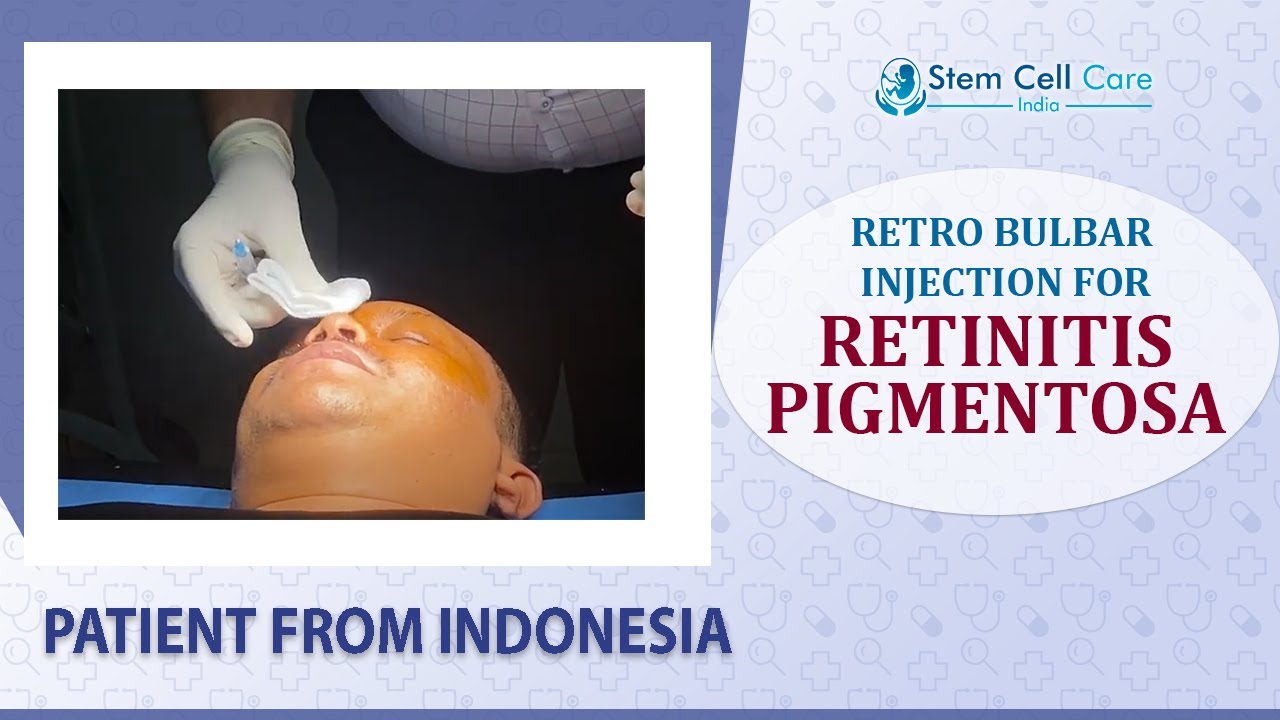
        The Patient from Indonesia, Retro Bulbar Injection for Retinitis Pigmentosa | Stem Cell Therapy ▶

        The Patient from Indonesia, Retro Bulbar Injection for Retinitis Pigmentosa | Stem Cell Therapy

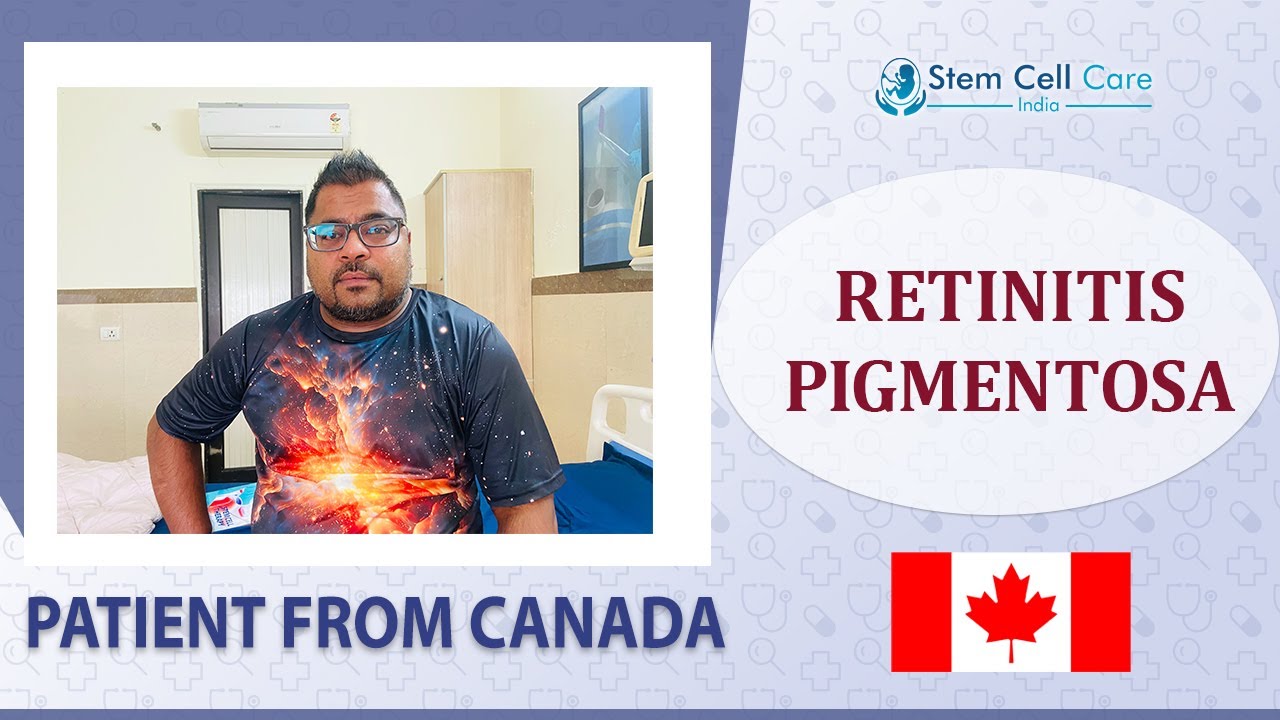
        Canadian Patient Shares His Journey After Stem Cell Therapy for Retinitis Pigmentosa ▶

        Canadian Patient Shares His Journey After Stem Cell Therapy for Retinitis Pigmentosa

        Retinitis Pigmentosa Patients Stories: Eyesight Improvement | Best Treatment For Eye Problems ▶

        Retinitis Pigmentosa Patients Stories: Eyesight Improvement | Best Treatment For Eye Problems

        RECENT BLOG POST
        Stem cell

        Stem Cell Therapy for Knee Osteoarthritis: Procedure, Benefits & Recovery

        Stem Cell Care India 09 Jun 2026
        Regenerative Therapy

        Latest Research on Regenerative Therapy for Crohn’s Disease

        Stem Cell Care India 06 Jun 2026
        Stem Cells

        How Stem Cells Repair Damaged Organs: A Complete Guide

        Stem Cell Care India 04 Jun 2026
        Stem Cell Therapy

        How Stem Cell Therapy Works for Crohn’s Disease Patients

        Stem Cell Care India 25 May 2026
        GET IN TOUCH
        Read Sucess Stories Start Your Recovery Journey
        Stem Cell Treatment for Fibromyalgia in Delhi, India
        Optic Nerve Hypoplasia Stem Cell Treatment in Delhi, India

        Related Diseases

        Stem Cell Treatment for Retinal Detachment

        Stem Cell Treatment for Retinal Detachment in Delhi, India

        Eye Disorders
        Stem Cell Treatment for Glaucoma

        Stem Cell Treatment for Glaucoma in Delhi, India

        Eye Disorders
        Optic Nerve Hypoplasia Stem Cell Treatment

        Optic Nerve Hypoplasia Stem Cell Treatment in Delhi, India

        Eye Disorders
        Optic Neuropathy Stem Cell Treatment

        Optic Neuropathy Stem Cell Treatment

        Eye Disorders
        • Neurodisorders

        • ALS / MND Treatment
        • Parkinson Treatment
        • Cerebral Palsy Treatment
        • Muscular Dystrophy Treatment
        • Stem Cell Treatment for Alzheimer
        • Multiple Sclerosis Treatment
        • Stroke Treatment
        • Ataxia Treatment
        • Spinal Muscular Atrophy Treatment
        • Brain Injury Treatment
        • Other Disease

        • Ulcer Treatment
        • Skin Burns Treatment
        • Diabetic Foot Treatment
        • Skin Abrasions Treatment
        • Down Syndrome Treatment
        • Intellectual Disabilities Treatment
        • Organ Specific

        • Liver Damage Treatment
        • Kidney Disorder Treatment
        • Cardio Vascular Treatment
        • Burger’s Treatment
        • Lung Disease Treatment
        • Erectile Dysfunction Treatment
        • Orthopedics

        • Osteoarthritis Treatment
        • Fibromyaligia Treatment
        • Osteomalacia Treatment
        • Osteopenia Treatment
        • Osteoporosis Treatment
        • Rheumatoid Arthritis Treatment
        • Systemic Lupus Treatment
        • Spinal Cord Injuries Treatment
        • Sports Injuries Treatment
        • Ankylosing Spondylitis Treatment
        • Exosome Therapy in India
        • Aging & Longevity

        • Anti Aging Treatment
        • Hair Loss Treatment
        • Look Fit Treatment
        • Feel Fit Treatment

        More Info

        • Privacy Statement
        • Terms And Conditions
        • Bone Marrow Transplant
        • Our Blog
        • Testimonials
        • Stem Cell FAQ
        • Contact Us
        • Media
        • Advanced Cell Therapy
        • Stem Cell Therapy Protocol
        • SCCI Network
        • Informed Consent Information
        • Write Review For Us
        • Disclaimer
        • Eye Disorders

        • Optic Nerve Atrophy Treatment
        • Age Related Macular Degeneration Treatment
        • Retinopathy Treatment
        • Eye Injuries Treatment
        • Optic Neuropathy Treatment
        • Optic nerve hypoplasia Treatment
        • Retinitis Pigmentosa Treatment

        Reach Us

        viezec
        Stem Cell Care India
        info@stemcellcareindia.com
        H-23/ B Top Floor
        Abul Fazal Enclave, Part 1, Jamia Nagar
        New Delhi - 110025,  INDIA
        International Patient: + 91-8743024344
        Indian Patient: + 91-7838223336
        WhatsApp at + 91-8743024344

        © 2026 SCCI All rights reserved.

        DISCLAIMER: Please note that Stem Cell Care India is providing stem cell therapy after evaluating patient/disease specific condition only. As with any medical treatment, no guarantees or claims of cures are made from our side as to the extent of the response to treatment, this therapy may be or may not be an effective treatment for some. Results vary from patient to patient, even with a similar diagnosis, as the body’s internal status is unique to each individual patient. Because of this fact, we cannot offer, infer or suggest that there is any certainty of a given outcome. Stem cell treatments are not currently FDA-approved therapy. The data mentioned in our website are only for educational purpose and not to sell or promote stem cell therapy. We do not use embryonic or fetal cells in any of our treatments. As of now stem cell therapy is still in an experimental stage so insurance claim is not possible.

        logo

        Safe & Ethical Practices

        All therapies follow strict ethical guidelines.

        Expert Support

        Get guidance from our experienced team.

        Your Privacy Matters

        We protect your information with the highest standards.

        © 2026 SCCI All rights reserved.

        Disclaimer:

        This website is intended for informational and educational purposes only. By accessing this site, you acknowledge that Stem Cell Care India provides consultation, case evaluation, and patient support services in the field of regenerative medicine. Stem Cell Care India does not provide unapproved stem cell, exosome, or related therapies as standard treatment in India. As per current medical guidelines, most such approaches are considered investigational and are available only within regulated clinical research settings. The content on this website is not intended to replace professional medical advice, diagnosis, or treatment. Patients are strongly advised to consult qualified healthcare professionals and consider standard, approved treatment options. Any patient experiences, testimonials, or case discussions shared on this website are individual in nature and do not guarantee outcomes. Results, where applicable, may vary based on the patient's medical condition and individual health factors. References to therapies or developments are for awareness purposes only and should not be interpreted as promotion or offering of treatment. We do not make any claims regarding effectiveness or outcomes. Insurance coverage for investigational therapies may not be applicable.

        Ethical Care
        Patient First
        Secure & Confidential
        Compassionate Support
        • Call Now Phone Number
        • Whatsapp Us Whatsapp