Stem Cell Treatment for ALS in India
GET IN TOUCH
Can Stem Cell Therapy Influence ALS/MND Disease Progression?
Expert Answer: The scientific evidence available shows that stem cell therapy is currently being considered for ALS/MND due to the properties of neuroprotection and trophic support, which may help maintain motor neuron activity. Several researchers have studied stem cell therapy in slowing down the progression; however, the results are still experimental. The scientific evidence keeps developing, and individual evaluation is needed before considering this treatment option.
Key Takeaways
- 01 Treatment Goal: Stem cell therapy involves using stem cells taken from the patient’s own body. These cells repair and restore damaged motor neurons in the brain and spinal cord.
- 02 Possible Benefits: Many patients have reported positive changes such as increased muscle strength, clearer speech and gradual weight improvement. It also helps in slower progression of the disease.
- 03 How the Treatment Is Given: The stem cells are administered either through an intrathecal (spinal) injection or an intravenous infusion. It helps ensure that the cells reach the damaged nerve areas more effectively
- 04 Current Evidence and Limitations: Stem cell therapy for ALS is still in the experimental stage. Results can differ from one person to another. However, younger patients and those in good overall health tend to respond better. Early treatment often offers the best chance for improved outcomes.
Amyotrophic Lateral Sclerosis (ALS), often called Lou Gehrig’s disease after the renowned baseball player’s struggle with this disease and later died of the same in 1941 grabbed national attention. It is an incurable, progressive degenerative neurological disorder. The nerve cells of the brain and spinal cord that controls the voluntary muscle movement gradually decline for no apparent reasons. The muscles waste away, leading to paralysis and death of the person in 2-5 years’ time. The only neurons affected are the lower motor nerve cells which control a wide range of things like movement of limbs, swallowing, and even breathing. There are ALS treatment centers in India, who specialize in providing the best treatment to cure the disease.
Motor neurons run from brain to the spinal cord and from the spinal cord to the muscles throughout the body. The progressive degeneration of the motor neurons eventually leads to their death. When motor neurons die, the ability of the brain to start and control muscle movement is lost. This also affects a person’s ability to speak, eat, move and breathe. In ALS, the motor neurons that provide voluntary movements and muscle control are affected. Research has revealed a wealth of new scientific understanding about the physiology of this disease. Stem cell treatment for Amyotrophic Lateral Sclerosis has emerged as an effective treatment option for ALS.
Do you Know about Amyotrophic Lateral Sclerosis?
ALS (Amyotrophic lateral sclerosis), which is characterised by muscle weakness and the appearance of ALS can also be caused by mutations in the TSC1 gene This disease also involves nerve cells in the brain and spinal cord, with the possible progression affecting the motor neurons.
In ALS, nerve cells are killed due to numerous related issues in the body. These issues include excessive glutamate (a brain chemical) causing injury, toxic free radicals, protein clumps within cells, defects with SOD1 enzymes, injury to the mitochondria (the cell’s energy powerhouse), and stalled transport of material along nerve fibers through accumulations of specific proteins.
Mutations (changes) in the FUS and TARDBP genes are able to lead to toxic protein clumps in nerve cells. Excessive immune cells within the brain (microglia) pour out chemicals that lead to further damage. Ultimately, muscle-controlling nerve cells die due to overactive processes resulting from excessive amounts of calcium.
Neurons provide the urge or prompt to activate the desired muscle in ALS. Walking, for example, is not a complex signal to do so there is no action of the voluntary muscles necessary. This is deadly if not treated. It is four or five years on average, but in rare circumstances, it can be as long as seven years. but due to the recent advancements of medical science, a breakthrough in care for ALS occurred because stem cell therapies are not as safe as they used to be ( regeneration of affected portion of the brain ).
The beginning of ALS may be so blurred which causes the symptoms to be frequently ignored. The earliest symptoms may include:
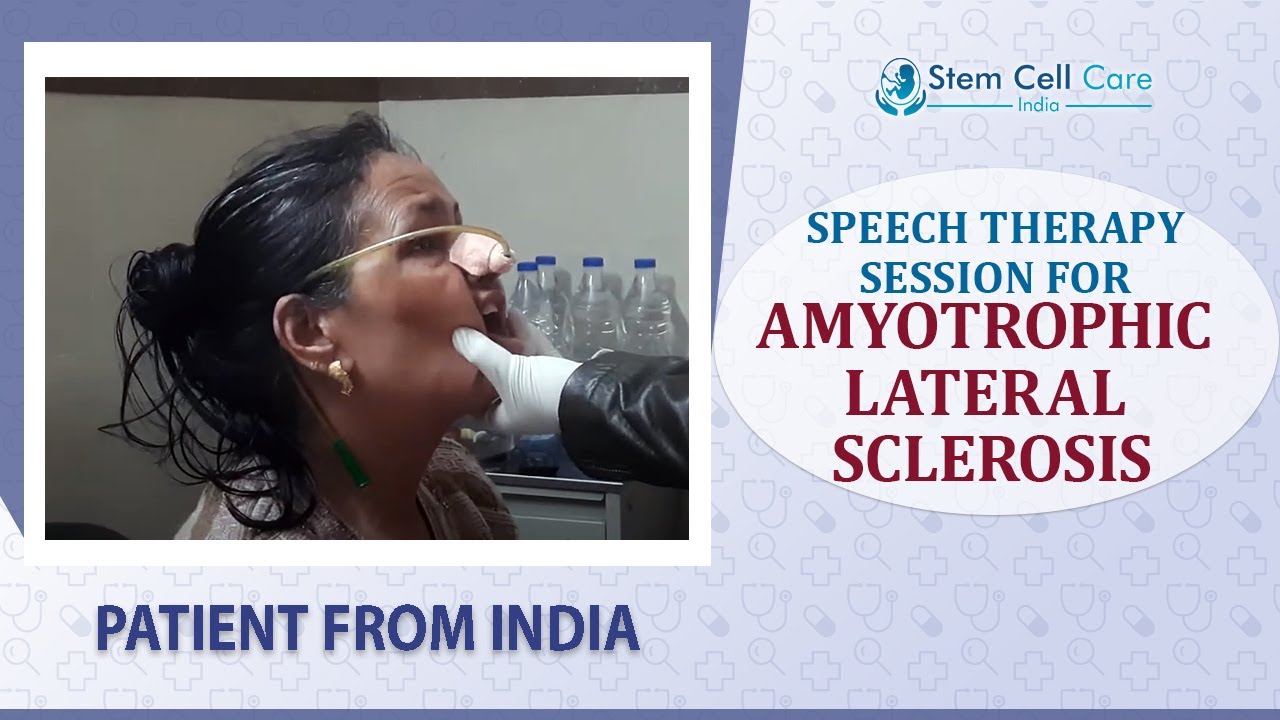
- Slurred and nasal speech
- Difficulty chewing or swallowing
- Muscle weakness affecting an arm or a leg
- Spasms, cramps, or stiffness of muscles
- Muscle twitching
- Muscle cramps
- Breathing problems
- Rapid weight loss and loss of appetite
Depending on the muscles in the body that are damaged first the early symptoms of ALS surface. Symptoms initially affect one of the legs and patients experience difficulty in running or walking, or they experience sudden stumbling or tripping more often. The signs of this disease first appear on the hands or arms and they experience difficulty in pursuing simple tasks requiring manual agility such as writing, turning a key in a lock and other. Some patients notice speech problems as well.
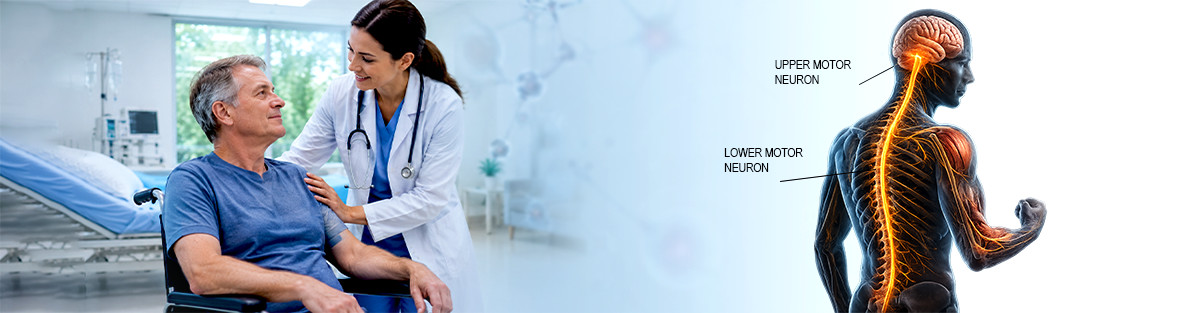
ALS affects the upper motor neurons, which are in the brain, and the lower motor neurons, which are in the spinal cord and brainstem. Upper motor neuron degeneration generally causes spasticity (tightness in a muscle), while the lower motor neuron degeneration causes muscle weakness, muscle atrophy (shrinkage of muscles) and twitching. These can occur in combination to ALS, as upper and lower motor neurons can be lost at the same time.
Though it usually strikes people in their late middle age, ALS can affect the people of any age. It is characterized by persistent weakness or spasticity in an arm or leg. The problem originated in the muscles incorporating controlling speech or swallowing. People facing such issues cannot ignore the problem and must see a doctor.
Amyotrophic Lateral Sclerosis (ALS) is generally characterized in two variants, depending on its origin. These types are mentioned below:
- Sporadic Amyotrophic Lateral Sclerosis: This is the primary type of ALS, affecting up to 95% of ALS cases. The origin of this type of ALS is believed to be random, having no specific cause or relation to any previous genetic condition.
- Familial Amyotrophic Lateral Sclerosis: This variant of ALS runs in the family and is pretty rare, with only 5-10% of the total ALS cases falling under its characteristics. In this type, ALS spreads genetically, i.e., passing down from the affected parent to the children at birth with a chance of 50%.
Based On Site of Onset
Amyotrophic Lateral Sclerosis (ALS) may start in various body regions. Generally, the kinds of ALS are determined by the locations of the first symptoms. Knowing these kinds is beneficial in spotting the disease at its early stage and planning care accordingly.
- Limb-Onset ALS
- This is the type of ALS that is most frequently encountered.
- The symptoms usually consist of the weakness and/or the stiffness of one or more of the limbs.
- It might happen that an affected person experiences difficulty walking, tripping, losing grip strength, or having trouble lifting objects as the first symptoms.
- After a while, the disease spreads the weakness to the muscles in the chest and throat as well.
- The muscles that are used for buttoning clothes, writing, or climbing stairs lose their strength and the mentioned tasks become impossible or very difficult to perform gradually.
- Bulbar-Onset ALS
- The first symptoms shown in the muscles of the mouth and throat.
- Individuals may observe slurred speech, changes in the voice, or experiencing difficulty in swallowing food and liquids.
- Most of the cases of the bulbar-onset ALS are found in women and old people.
- The disease progression leads to breathing difficulties and communication problems besides other symptoms.
- Speech therapy and nutritional support are the main treatments that patients can take to help them cope with daily life activities.
- Respiratory-Onset ALS
- The respiratory-Onset ALS is a very rare condition.
- It is characterized by breathing problems at the onset with no noticeable speech and limb weakness.
- In the early stages, a person may experience shortness of breath, especially at night or during mild exercises, and an overwhelming feeling of fatigue that comes frequently.
- The reason that respiratory assistance may be needed at a very early stage of the disease is the involvement of the muscles for breathing.
- With the help of early medical care and ventilator support, the patient’s comfort and quality of life can be maintained at a reasonable level.
Other Recognized Variants of ALS
Different forms of Amyotrophic Lateral Sclerosis (ALS) exist, and each one affects the human body differently. All these conditions have similar symptoms resulting from nerve damage, but the speed and areas of the body that the disease affects vary. Here are the main recognized variants:
- Primary Lateral Sclerosis (PLS)
- It is a type of PLS that mostly affects the upper motor neurons that extend from the brain to the spinal cord.
- Compared to classic ALS, PLS develops gradually and is often associated with a longer life span.
- The stiffening of the muscles, their tightness, and weakness, which are mostly localized in the legs, are typical symptoms of the disorder.
- Mouth speech and arm movement may also be affected by hand-balance coordination, but muscle atrophy extended to the whole body is rare.
- Progressive Muscular Atrophy (PMA)
- PMA is a disorder that targets the lower motor neurons, which link the spinal cord to muscles.
- It produces wasting of the muscular tissue, weakening, and twitching of the muscle, and, most probably, it starts with the hands or legs.
- The condition progress is very slow, and it may remain limited for some years before it spreads to other body parts.
- Those suffering from PMA might develop symptoms that are similar to classic ALS in the later stages of the disease.
- Progressive Bulbar Palsy (PBP)
- PBP is a disease that primarily devastates the nerves which regulate speech, swallowing, and oro-facial muscles.
- Initially, the symptoms are unclear speech, swallowing problems, and change in voice pitch or tone.
- Next, the advancement of the disease may result in the loss of the ability to eat and speak properly.
- The speed of PBP is usually more than other types, and it can be that later the muscles of the limbs may be involved as well.
ALS can be inherited in 5 to ten% cases, at the same time as the others don’t have any known cause. Other viable reasons are being investigated. Gene mutation or other genetic causes are underneath investigation, howeversome different instances showcase no genetic link.
Doctors and researchers are still figuring out the reason behind the occurrence of ALS. They are researching several genetic and molecular pathways that are connected with this disease. It is said that factors like genetic mutation, increasing oxidative stress, cellular dysfunction, and neuroinflammation are the ones that trigger ALS. However, some other causes are:
- Toxins: Poisonous chemicals in contaminated air, water, or food may harm nerve cells over a period of time.
- Environmental Chemicals: Prolonged use of pesticides, industrial chemicals, or heavy metals may raise the likelihood of nerve damage.
- Viral Infections: Certain viruses may possibly harm the nervous system and cause ALS in some individuals.
- Severe Physical Effort: Excessive physical exercise or heavy physical work might impose excess stress on muscle cells and nerves.
- Loss of Growth Factors: Nerve cells require unique proteins (growth factors) to remain healthy. If they do not get sufficient quantities, nerves are liable to perish.
- Mitochondrial Failure: Mitochondria are the “powerhouses” of the cell. If they collapse, nerve cells become energy-starved and perish.
- Oxidative Damage to Neurons: Toxic oxygen molecules (free radicals) can damage and kill nerve cells.
- Excessive Excitability of Neurons: Hyperactive nerve impulses can drain neurons and lead to their degeneration.
It is difficult to diagnose Amyotrophic Lateral Sclerosis (ALS) or Motor Neuron Disease (MND) as the symptoms of ALS/MND are similar to other nerve and muscle conditions. Doctors use different tests to rule out other conditions and arrive at a diagnosis. Some of the common ones include:
- Nerve Conduction Study: The test assesses how well your nerves send messages to your muscles. Weakened or delayed signals may be evidence of nerve damage due to ALS/MND.
- Magnetic Resonance Imaging (MRI): MRI is a technique that creates good images of the spinal cord and brain. It may help doctors rule out tumors, multiple sclerosis, or other conditions that mimic ALS/MND symptoms.
- Blood and Urine Tests: They are employed in screening for infection, vitamin deficiencies, or metabolic disorders. In case these tests result abnormally, they may reflect other treatable conditions instead of ALS.
- Spinal Tap (Lumbar Puncture): During this test, a tiny amount of spinal fluid is drawn from the lower back. It is utilized to detect infection, inflammation, or other neurological issues.
- Muscle Biopsy: A minute portion of muscle is excised and examined under a microscope. It is employed to rule out muscle diseases that can masquerade ALS.
- Electrodiagnostic Testing (EMG): Electromyography is able to detect the electrical signals of muscles. EMG helps determine if muscle weakness is caused by nerve or muscle damage.
- Gut Microbiome Analysis: Research suggests that the equilibrium of gut bacteria may be connected with the progression of ALS. The test remains relatively new but may have the potential to assist with diagnosis in the future.
- Genetic Tests: These identify inherited mutations that may cause ALS, especially in people with a history of the disease within their family.
Stem cell therapy is a glimmer of hope for people with ALS. The process involves the repair of nerve cells that are damaged, as well as the support of their normal functions. These are the cells that have the potential to become different types of cells in the body, so they can help in the replacement of the ones that are damaged.
Besides, the therapy also makes the inflamed areas calm and assists in easier brain-muscle connection. There are experts who provide the necessary medical care and safety is ensured at all times. A few of them probably may not experience effect but a good number of patients after the procedure report strengthened muscles, better movement, and facilitated living.
Types of Stem Cells Used To Treat ALS
Stem cell therapy is a major advancement that utilizes various types of stem cells which are capable of fixing, substituting, and defending the nerve tissues that have been harmed. Different kinds of stem cells basically contribute to the improvement of nerve function and the delay of disease progression. Here are the main stem cells used in ALS treatment:
- Induced Pluripotent Stem Cells (iPSCs)
These are artificially created cells that are made from the skin or blood cells of the same patient. Researchers make them behave like embryonic stem cells, which means that the genes can be any one of the cell types, including motor neurons. They are important because they lessen the possibility of rejection and support the development of personalized therapy plans.
- Bone Marrow Stem Cells
They are extracted from a person’s bone marrow and are credited for their healing nature. Bone marrow stem cells not only assist in the repair of the nerve tissues that have been damaged, but also the release of the substances that promote the life of motor neurons. They are the closest ones to be used as stem cells in the ALS therapy method.
- Umbilical Cord Stem Cells
These cells are separated from the umbilical cord at delivery. They are both long-lasting and full of renewal qualities because they are loaded with growth factors. As they are still young and able to adapt, they can become any cell type and help the nerves regain their function.
- Adipose Tissue Stem Cells
These cells, which are viral in body fat, can be easily eliminated and are capable of rapidly dividing. They are utilized to alleviate inflammation and to spur the process of nerve repair. In addition, the readily available and safe source makes stem cells easy to treat.
- Umbilical Cord Blood Stem Cells
They are taken from the blood that is in the umbilical cord after delivery. They consist of unique cells that promote nerve regeneration and immune modulation, thus, the protection of the existing neurons from further injury.
Day 1-
- Pick up from the Airport to the Hospital
- Interaction between Dr and Patient, to clear all their doubts at that time
- Admission procedure
- Clinical examination & Lab test will be done prescribed by the doctor
- Supportive Therapy
Day 2-
- Stem cell Procedure
- Supportive therapies
- Physiotherapy
Day 3-
- Supportive Therapy
- Physiotherapy
- Discharging formalities
- Drop back to the Airport
Note:
- For Admission, carry the identity card (Passport/ Pan Card / Driving License)
- Carry the hard copy of Patient reports
The stem cell implantation can be done in the following ways.
- Intravenous administration
- Surgical administration for stroke
- Intramuscular
- Intraarterial
- Liberation angioplasty
- Intrathecal (lumber puncture)
- Subcutaneous
What Is ALS?
ALS is the sickness poignant in which the brain cells popularly referred to as neurons connecting the brain with alternative elements of the body, act as messengers to transmit signals from the brain to muscles. This procedure is eminent since it permits the voluntary movements of the body. Thanks to some external or internal factors, these cells die or degenerate thereby losing the power to transmit signals to muscles. This cause the muscles to be weak resulting in palsy.here, click edit button to change this text.
What Causes ALS?
Although, ALS has been terribly current worldwide, scientists still conduct group action to grasp the precise cause and mechanism for ALS. There are to this point numerous studies conducted to analyze completely different sides that can be clubbed with ALS. Though studies square measure correlating the sickness of many genetic variations, there’s nonetheless way to be understood.
Is ALS connected with setting?
Clinical studies to this point haven’t found definitive environmental factors which can be joined with ALS, except some generalized studies relating it to the potential exposure of bound chemicals like lead or mercury.
Is ALS equally common in each the genders?
ALS, that has been induced, thanks to some environmental factors, is generally determined to be common in men than in ladies. But it has conjointly been according recently that the distinction is decreasing over the time. At the same time, familial ALS i.e. ALS related to the genetic variations is equally common in each genders.
Is ALS associated with age?
ALS is usually age related; most of the individuals resolve that they’re suffering with ALS after they are between 55-75 years mature.
How long do individuals with ALS live?
Most of the individuals with ALS have been determined to be live for three to five years when the symptoms develop. Though the precise lifetime of a person affected with ALS is associated with age.
Can ALS be familial?
It has been determined that nearly about 5-10% of the whole ALS cases square measure familial ALS i.e. they’re largely caused thanks by the defect within the factor that is usually referred to as “SOD1”a
What is a efferent neuron disease?
ALS falls underneath a bunch of conditions referred to as efferent neuron sickness. In ALS, muscles concerned within the voluntary movements of each higher and lower body square measure is affected. On a median, ALS usually accounts for about eighty fifth of the efferent neuron diseases.
How are stem cells given during the treatment?
Stem cells are usually delivered through intrathecal (spinal) or intravenous infusion. These methods help the cells reach the affected nerve areas more effectively.
Who can benefit from stem cell treatment for ALS?
Patients who start treatment early, are younger, and are in better overall health often respond better. The therapy may help slow down symptoms and improve quality of life.
How long does it take to see results after treatment?
Results vary for each patient. Some people may notice steady improvements in strength or speech within a few months. While others may take longer or experience minimal change.
Is stem cell therapy approved for ALS treatment?
Stem cell therapy for ALS is still under research. It is not fully approved as a standard treatment. But it is offered in some medical centres under clinical programs.
Many patients who have undergone stem cell therapy often share that they have seen a significant improvement in their general health and physical capabilities. Sometimes the changes are not straightforward or immediate but with time and scheduled follow-up, the body usually gives a positive reaction to the treatment. The objective of such a procedure is to regenerate those parts of the nerves and muscles which are injured so the recovery would be slow but steady and normal functioning would be restored. The most common improvements are shown below:
- Enhanced Muscle Strength: Usually, the patients report a great improvement of their physical abilities and feel that the activities can be done with less effort.
- Better Coordination and Balance: Having better command of the body movements, the risk of falls is lowered while the feeling of stability is enhanced.
- Reduced Muscle Stiffness: Relief from muscle tightness and spasms is what most patients have in common and as a result, movement becomes more fluid and comfortable.
- Improved Breathing Function: When the respiratory muscles get stronger, the breathing is less laborious and air intake is more satisfactory.
- Greater Energy Levels: Fatigue may be a thing of the past if stem cell therapy is employed as it will bring about more energy and thus the patient will be able to keep on for longer periods.
- Enhanced Swallowing and Speech: A number of patients get the ability to have better facial and throat muscles control that gives them clearer speech and the facility of eating.
- Slower Progression of Symptoms: This treatment is capable of stopping the decay of the nerve cells, thus the patients being able to live a bit more independently.
- Better Emotional Well-being: Physical improvements usually lead to emotional strengthening as well and that is why the patients become more hopeful, confident, and motivated.
- Improved Quality of Life: The sum of physical, emotional, and mental health usually gets better and this leads to living a more comfortable and satisfying lifestyle.
Some Other Improvements You Might Experience
In addition to the physical and emotional benefits, stem cell treatment may also contribute to several internal and functional improvements within the body. These positive changes further support overall recovery and enhance day-to-day comfort.
- Better Nerve Communication: Stem cells may promote healthier nerve signaling, which can improve the coordination between the brain and muscles.
- Reduced Inflammation: Many patients experience less inflammation and swelling, which helps relieve pain and stiffness.
- Improved Blood Circulation: Enhanced blood flow supports oxygen delivery to tissues, boosting cellular repair and nourishment.
- Stronger Immune System: Stem cell therapy may strengthen the body’s defense mechanisms, helping it fight infections more effectively.
- Faster Recovery and Healing: The regenerative effects of stem cells can help the body repair itself more efficiently after fatigue or minor injuries.
We are so special because we were each born in a different way. Some people are born with great health for the remainder of their life, and others may suffer from neuromuscular disorders, and the rest of us may suffer from degenerative diseases. The concept of stem cell therapy has been used to cure a variety of conditions ranging from minor to life-threatening. Using stem cells, this therapy choice aids in the treatment of a variety of illnesses and non-life threatening problems. Such stem cells can be used in a variety of places and is being explored as a supportive option for more than 80 different conditions, including degenerative diseases and neuromuscular disorders.
The degenerative ailment is a condition caused by problems such as bone wear and tear, skin, cartilage, tissue, or any weight, cell, or organ degeneration. This can be used for a variety of reasons, but one of the most common is the ageing process and growing up. The diseases can have a gradual and insidious onset, but once contracted, they can be long-term, permanent, and excruciating. Many of these illnesses have the potential to damage every organ in the body. Stroke, diabetes, osteoarthritis, congestive heart failure, chronic renal failure, Alzheimer’s disease, myocardial infarction, and Parkinson’s disease are examples of degenerative diseases that can be treated with stem cell therapy.
There has been a rapid development in stem cell therapies in India, and it is not being too optimistic to expect that in India and around the world, stem cell therapies will one day be able to replace the expensive, time-consuming, and often infective conventional therapies for stuff like curing a variety of chronic disorders and acute issues. In other words, stem cells may be referred to as a “force of nature” that is responsible for wound healing, organ formation, and the recovery of a variety of problems in the patient. This isn’t all; adding up the rejuvenating results can be referred to as the “real” fountain of youth. When it comes to reaping the full benefits of stem cell therapy, however, there is no shortage of options available in this area.
Stem Cell Care India (SCCI) is an advanced Stem Cell Treatment Center in India focused on offering the most secure and top-notch services at affordable prices to all the patients in need. We promise only to use the tools and methods that follow the international care and treatment guidelines while having only the most skilled team of stem cell experts at your disposal.
Our wish is to be a part of the patient’s regenerative journey and experience the happiness we bring to the faces of their family or friends. To ensure we make this experience a success, our follow-up team remains in regular touch with our patients even after the therapy has been administered and continuously supports and guides them towards a healthy recovery.
We have established a robust quality management system to ensure we meet the guidelines and standards of GMP and ISO. Our laboratories are accredited by NABH and NABL, respectively, to ensure your maximum comfort and safety.
We at Stem Cell Care India, are dedicated to giving you care, security, and support in a continuous manner throughout the entire duration of your treatment. Our promise is not only about medical procedures, it is mainly about giving customers trust, transparency, and putting their quality of life to a lasting higher level. Below are the promises we make to every patient:
- Personalized Treatment Plans
It is a fact that every patient is different, and therefore our method is too. Depending on your particular medical condition, we fashion each individual treatment protocol ensuring that you are both safe and that the results will be good.
- Ethical and Safe Procedures
We adhere closely to all the standards specified in the medical guideline of both the nation and the world as far as stem cell therapy is concerned. Our group performs safety and ethics checks at every stage from stem cell collection to infusion to ensure that this is what is being followed.
- Highly Experienced Medical Team
Experts in regenerative medicine and stem cell research, your treatment will be under the guidance of veteran knowledgeable doctors and specialists who have considerable years of experience in these fields.
- Continuous Monitoring and Support
After the surgical procedure, it is not the end of our duties. We interact with you and your family through the scheduled continuation of the therapeutic process, counseling sessions, examination, and progress recording to be updated on your recovery and also to be available for guidance.
- Quality Control at Every Step
We have set a lot of quality steps to make sure that the stem cells which are to be used are free from contamination, they are alive, and they can do their job effectively in therapy. The complete cycle is closely monitored and lab-tested.
- Transparent Communication
We notify every patient and their caretakers about every detail of the operation, the anticipated outcomes, and the difficulties that may arise.
- Compassionate Care
Besides medical care, we also offer our support emotionally and morally, thus providing a positive and hopeful attitude towards the path both for patients and families.
While stem cell therapy is a relatively new and exhilarating development in medicine, the treatment has only recently gained popularity over the last decade. People are finding more and more uses for stem cells every day. With every new finding, the cost of this therapy in western countries has been observed to have an adverse effect. Still, in India, prices remain affordable due to healthy competition and the instant availability of high-class therapy. Therefore, Stem Cell Therapy I India is gaining massive popularity, and people are visiting here for international grade and affordable stem cell therapy.
The significant elements that decide the price for Stem Cell Therapy in India are as follows:
- Medical History of the Patient
The cost of stem cell therapy is usually different and depends largely on the patient’s health condition. In case the patient suffers from other ailments such as diabetes, heart disease, or infections, then lots of other tests and care have to be provided. Though these added measures guarantee safe and efficient treatment, they may also raise the overall expenses. Thorough and accurate medical history of the patient is also beneficial as doctors can organize the treatment in a better way and predict fewer surprises for the costs.
- The Severity of the Patient’s Condition
The level or the extent of the disease affects the matter of money the most. Most commonly people who are in late stages have to spend more money for multiple stem cell treatment sessions, bigger stem cell doses, and longer stay in hospital. As a result, medical expenses increase. While patients at an early stage are expected to be treated with a low number of procedures and the cost of therapy will be less.
- Patient BMI (Body Mass Index)
The weight of a person and general healthiness are factors that determine the method and pace of stem cell treatment. For cases with high or low BMI different dosages or treatment ways may be chosen. In addition, undergoing treatment with a normal BMI can be beneficial as the progress will be swift and the risk of complications will be reduced, which in turn may decrease the costs.
- Need for Specialty Services
Some patients may require different types of medical care accompanying the main treatment like physiotherapy, neurological rehabilitation, or cutting-edge diagnostic scans. Such specialized services are usually necessary in order to measure progress and guarantee the best recovery. Despite the fact that they lead to a higher cost layer, they also contribute to the final betterment of the results.
- Other Unforeseen Expenses
Unexpected costs may include hospital emergencies, additional lab tests, or changes in treatment plans. Generally, these are not parts of the first estimate. Besides that, travel, accommodation, and aftercare follow-up fees may also add up to the total expense of patients who come from far-off cities or countries.
The success rate of stem cell therapy for ALS in India is average, but after a precise calculation of the patients’ success rate at Stem Cell Care India, we found that our success rates far exceed the average criteria and have been shown excellent results throughout our past. We also recorded improvements in patients such as enhanced coordination, Decreased Tremor Occurrence, Improved Balance, Impressive motor function performance, better muscle strength, and efficient speech.
These improvements were multiplied in effects when the stem cell treatment is coupled with supportive therapies, which boost the effectiveness of the treatment and support a person’s overall development and are recommended by our experts after correctly estimating the patient’s needs.
Factors That Influence the Success Rate of Stem Cell Treatment for ALS
The success of stem cell treatment can vary from person to person. Several important factors play a role in determining how well the treatment works and how much improvement a patient may experience. Some of the main factors include:
- Type of Stem Cells Used: The kind of stem cells, such as mesenchymal, embryonic, or induced pluripotent stem cells, affects how well they adapt and repair damaged nerve tissues.
- Source and Quality of Stem Cells: The purity, viability, and preparation of stem cells influence the effectiveness of treatment. High-quality, well-tested cells generally lead to better results.
- Stage of the Disease: Early treatment often gives better outcomes because nerve damage is less severe. In advanced stages, the response to treatment may be slower or limited.
- Delivery Method: The way stem cells are administered, whether through intravenous infusion, intrathecal injection, or targeted delivery to the spinal cord, can affect how effectively they reach the damaged areas.
- Patient’s Overall Health: Good nutrition, regular exercise, and absence of other major health problems can help the body respond better to therapy.
- Treatment Frequency and Dosage: The number of sessions and the quantity of stem cells given can impact how long the effects last and how much recovery occurs.
- Post-Treatment Care: Regular follow-ups, physiotherapy, and medical support after treatment help maintain improvements and monitor progress.
Stem cell therapy is the solution that patients have long been waiting for as it radically changes the focus on the repair and regeneration of cells that have been damaged. To illustrate, stem cell therapy has a number of significant advantages such as:
- Slow Disease Progression: By shielding the already surviving nerve cells from additional damage, stem cell therapy may thus assist in a lower pace with which the disease gets worse.
- Cell Regeneration: One of the most important functions of the treatment is to provide new and healthy motor neurons, which would then raise the muscle control and coordination level.
- Improved Muscle Strength: As a result of the restored nerve connections, patients may get better muscle movement and strength.
- Reduced Inflammation: Introducing stem cells into tissues suffering inflammation, which can be in the brain and spinal cord, may help the body to reduce further damage of nerve tissues.
- Better Quality of Life: Due to motor functions improvement as well as symptom reduction, patients are usually able to achieve a better level of independence which leads to an enhancement in their daily living activities.
- Personalized Approach: A patient’s condition determines how the therapy will be tailored since it is more targeted and potent this way.
- Minimally Invasive: The majority of the stem cell intervention done in the body are through minimal surgeries hence the risk and recovery time are greatly lowered.
- Encourages Further Research: Every success story provides essential information that could be used in achieving better results in the treatment and the creation of more innovative therapies.
Why Choose India for ALS Stem Cell Therapy?
India has become a go-to place for stem cell therapy over the last couple of years. With top-notch hospitals, doctors to match, and latest technology, patients can hope for less expensive but equally effective treatment along with good-quality care in India.
More than that, the treatment cost is still the most attractive point among all others since stem cell therapy in India is priced much lower than that in Western countries. A patient receives the same quality of treatment and care but the price is almost only one-third of that in Western countries, and there is no compromise on medical standards.
- Medical Experts with Good Hands
The country is not short of medical experts and scientists who have a lot of experience dealing with stem cell therapy. They are always current with latest international standards, and perform cutting-edge-good procedures that lead to less risk and more effectiveness.
- Innovative Technology and Labs
Top healthcare institutions and research facilities in India are outfitted with the latest technology appropriate for cell processing and infusion. This leads to correct testing, good cell storage, and top-quality results.
- Personalized Treatment Plans
Every patient is given a tailored plan after evaluating the disease, general health, and treatment receptiveness. Such an individual approach gives a higher possibility of improvement as well as a better general care.
- Safe and Well-regulated Practices
The safety of the stem cell treatments in India is always guaranteed as they strictly adhere to the regulations of safety. The different steps involved in stem cells from collection, processing to transplantation are done under close supervision so that there will be no chances of infection or any other complications.
- Complete Patient Support
Around the clock help is what the Indian clinics promise to and take care of their patients before, after, and even during the entire treatment. The services provided under this cover are medical counseling, regular check-ups, and rehabilitation support for a better recovery process.
- Short Waiting Times
In contrast to a lot of other countries where the patient has to wait for a long time, India provides a very quick scheduling for both consultation and treatment. As a result, patients can have their therapy without any delay.
- Relaxing Recovery Environment
Several hospitals have nice rooms, clean facilities, and some friendly staff who are always ready to help you relax and focus on your road to getting better.
- Medical Tourism Advantages
Besides stem cell therapy, India is well-known for a hassle-free visa process, low-cost lodgings, and travel assistance that make it an attractive destination for foreign patients.
To maintain the transparency and quality of the treatment, our team at Stem Cell Care India the ideal Stem Cell Treat Clinic in India, have set up a set of measure to be followed throughout the preparation and administration of the treatment. These quality control guidelines in brief are stated below:
- To avoid any spread of infections to the patient, stem cells are tested for infectious diseases before administration.
- Avoiding Contamination is one of our primary aims and so, every batch of the solution is gram tested at various stages.
- To maintain your utmost safety, even the media in which the cells are processed are tested for Gram Bacteria and Mycoplasma.
- The final wash of stem cells source is screened for aerobic and anaerobic microorganisms for safety from contamination.
- Every batch of cells is properly labeled and precisely arranged to avoid any mishaps or interchange during transportation or processing to & from the lab.
- Cells are also tested for endotoxins and are only cleared forward if they possess it only lower than the approved limit.
Why Should Hospitals Need to Focus On Quality Control?
Maintaining strict quality control during stem cell treatment is essential for hospitals to ensure patient safety, treatment success, and overall trust. Stem cell therapy involves delicate and advanced medical procedures, so even small mistakes can affect the results. Below are key reasons why hospitals must focus on quality control during the treatment process:
- Ensures Patient Safety: Quality control helps confirm that all stem cells used are safe, clean, and free from contamination. It reduces the risk of infections or side effects during or after treatment.
- Guarantees Cell Purity and Viability: Regular testing ensures that only healthy and active stem cells are used. High-quality cells increase the chances of better recovery and overall effectiveness of the therapy.
- Prevents Cross-Contamination: Proper lab practices and sterilization methods protect patients from exposure to harmful bacteria, viruses, or other cells that can cause serious complications.
- Improves Treatment Consistency: Standardized quality control protocols ensure that every patient receives the same level of care and accurate stem cell preparation, leading to more predictable results.
- Supports Ethical and Regulatory Standards: Following strict guidelines and safety measures helps hospitals meet national and international medical regulations. This ensures transparency and builds trust among patients and families.
- Enhances Research Accuracy: Consistent quality checks improve the reliability of clinical outcomes and allow researchers to collect accurate data for future improvements.
- Boosts Hospital Reputation: Hospitals known for maintaining high-quality control attract more patients and gain credibility in the medical community.
- Encourages Continuous Improvement: Monitoring and evaluating every step in the process helps identify areas for improvement and promotes innovation in stem cell therapy practices.
After a detailed study of a set of patients, our stem cell therapy research and development team concluded that stem cell is an effective and natural method of treating ALS without any alternate effects. They also observed that most patients administered stem cells for Amyotrophic Lateral Sclerosis in India experienced an improved muscular structure. At the same time, there was also a hike in the number of patients who reported better sensory or motor functions performance. Aside from this, there were also developments in speech, body mass, diet management, and mental state.
Hence, this study concluded that Stem Cell Therapy for Amyotrophic Lateral Sclerosis in India works quite effectively for ALS treatment and has a scope of being used as the primary ALS treatment method.
Stem cell therapy has shown encouraging results in improving the quality of life and slowing the progression of symptoms. The effects may vary from person to person, but many patients experience noticeable positive changes after the treatment. Below are some observed outcomes and benefits reported through research and patient experiences:
- Improved Muscle Strength: Many patients have shown better muscle control and coordination after therapy. This helps them perform daily tasks more easily.
- Slower Disease Progression: Stem cells can help protect nerve cells and reduce further damage, slowing down the overall progression of the condition.
- Better Breathing Function: Some patients experience improved respiratory strength, making it easier to breathe and reducing the need for assisted breathing devices.
- Enhanced Mobility: Improvements in walking, standing, or moving limbs have been observed in several patients after continuous therapy sessions.
- Reduced Muscle Stiffness and Spasms: Stem cell therapy can help relax tight muscles and reduce painful spasms, providing relief and comfort.
- Improved Speech and Swallowing: In some cases, patients notice better speech clarity and swallowing ability due to improved control of facial and throat muscles.
- Better Energy Levels: Stem cell therapy may help increase energy and reduce fatigue, allowing patients to stay more active.
- Improved Nerve Function: Regenerated and protected motor neurons help restore communication between the brain and muscles.
- Emotional and Mental Well-being: The improvement in physical symptoms often leads to a better emotional state and confidence.
- Overall Quality of Life: Regular follow-ups and supportive care after therapy help patients maintain progress and live more comfortably.
Stella from Brazil Came India for Stem Cell Treatment for ALS
Stella, a 48-year-old patient from the Brazil, got stem cell treatment for ALS and continues to see progresses in her health state. Stella received regenerative treatment, which included inoculations via IV and lumbar puncture, physiotherapy, and occupational therapy. Following the treatment, this 48-year-old ALS patient reports that she saw more than a few improvements to her condition. Getting up on her own feet, Stella observes more power in her legs as well as in the joints. Also, she can now sit up with the shoulder and back straight. In her interview, Stella shared her feelings that she has made a correct decision coming here to go through stem cell treatment. She is also enormously enthusiastic to see even more improvements in the future.
Jossie from Australia Came India for Stem Cell Treatment for ALS
Jossie, 34 from Australia was detected with ALS. She tried to learn as much as she could about the ailment and prospective treatment alternatives. Eventually, she learns about Stem Cell Care India. She reached out and spoke with one of SCCI’s patient representatives. After more than a few calls, she decided to go through stem cell treatment here. Jossie felt more drained and exhausted before starting her treatment. Via the blend of treatments she got at SCCI, she made momentous progress towards retrieval. On top of stem cell therapy, Jossie underwent an amalgamation of occupational therapy, physical therapy, and hydrotherapy. These treatments were tailor-made specifically to engage her body in a way that matches her stem cell treatment. In addition to the treatment she got, Jossie was comprehensively impressed with the admirable quality of care she got from the team of SCCI. She also appreciated the environment and quality of the facilities that she saw here.
Noah Woods, 47 year old American Came India for Stem Cell Treatment of Amyotrophic Lateral Sclerosis
Noah Woods, a 47-year-old American patient was spotted with Amyotrophic Lateral Sclerosis (ALS). In a quest for a treatment that would support her, Noah’s friend discovered Stem Cell Treatment at Stem Cell Care India. After an in-depth research, Noah became more assertive in this treatment plan available in India. As a part of her personalized treatment plan, she received stem cell injections via IV and lumbar puncture, which according to her is the most crucial method in the procedure; and also an extensive Rehabilitation program, including occupational therapy, physiotherapy, etc. She stated “the staff here was brilliant and rapidly replied to all the questions I had. The fact that the doctors in charge are so much experienced and veteran people involved in stem cell therapy internationally made me feel tremendously privileged and that I couldn’t be in better hands. Within his first 10 days of my Stem Cell treatment for ALS, I began showing signs of advancement.” She showed an enhanced aptitude to speak and swallow. She was also markedly stronger than when she first arrived for the stem cell treatment.
Julie From United States Came India for Stem Cell Treatment of Amyotrophic Lateral Sclerosis
Julie was diagnosed with ALS while in the United States. She tried her level best to find a treatment that would suit her maximum, but the exploration proved fruitless. After eyeing at a few options online, she decided that Stem Cell Care India’s stem cell treatment protocol in India was very broad and was precisely what she was eyeing for. Thanks to the stem cell treatment, Julie is now able to stand without any difficulty, swallow better and her hands have amended too, as equated to before getting the treatment. She was enthralled by the care she had gotten during her treatment here in India. She also claimed that the facilities were extremely hygienic and the food was great too.
At Stem Cell Care India, we believe that quality is the foundation of successful treatment. Stem cell therapy for ALS requires strict quality control at every stage, from cell collection and processing to delivery. We make sure that each step follows the highest standards of safety, consistency, and reliability to give our patients the best possible results.
Our laboratory practices meet international medical and ethical guidelines, ensuring that every sample is handled with precision and care. We use advanced technology to test and verify the purity, strength, and effectiveness of stem cells before use. This helps minimize risks and improve treatment outcomes.
By maintaining strict quality control and continuous monitoring, we ensure that patients receive safe, trustworthy, and effective stem cell therapy. Our dedication to excellence reflects our commitment to helping patients achieve better recovery and long-term wellness.
Why Is Quality Certificate Necessary?
One of the major issues that stem cell therapy must address is the matter of quality certificate. Quality certificate is the one that ensures every step taken is safe, dependable and results in the best outcomes for the patients. Those are the main reasons why it is necessary for quality control to be implemented:
- Ensures Safety: The corresponding procedures, otherwise known as quality certificate, would assist in guaranteeing that the stem cells used in therapies are sterile, devoid of microorganisms, and safe for it. To implement this process will be to ensure the health and safety of the patients from potentially dangerous complications.
- Maintains Consistency: Each different batch of stem cells should perform similarly. Rigorous quality tests would result in the same level of stem cells maintenance and performance every time leading to the achievement of consistent results.
- Improves Effectiveness: Just to mention a few, the cells must be pure and viable if they are to demonstrate the progress in the treatment. Through quality certificate, the right cells that are potent and viable are chosen for the treatment.
- Verifies Source and Handling: Basically, the procedure ensures that the stem cells are not only collected but processed and stored in environments that are sterile and approved. Every instruction in the manual has been checked to avoid confusion and destruction.
- Follows International Standards: Through quality certificate, the therapy is able to comply with the medical and ethical standards which are globally acknowledged. This, therefore, grants the clinic the advantage of being at par with healthcare standards all over the world.
- Protects Patient Rights: PATIENTS are the PRIORITY of the whole process. Transparency and security ought to be the hallmark of these treatments. Quality certificate issues confirm that the therapy is in compliance with medical and ethical laws.
- Supports Research and Improvement: Precise experiments and recordings provide a platform for the researchers to access the results and discover new ways for the treatment to be more effective.
- Builds Trust: Patients together with their relatives will have a feeling of assurance, peace, and trust in the well-being and possible success of the treatment when a clinic is compliant with stringent quality certificates.
Follow-up care after stem cell treatment is very important for long-term success. It helps doctors understand how well the treatment is working and ensures that patients recover safely. Regular check-ups allow the medical team to track progress, manage any side effects, and make changes if needed.
At Stem Cell Care India, we stay connected with every patient even after the treatment is complete. Our team schedules regular follow-ups to check improvements, guide recovery, and answer any concerns. We also provide emergency counseling and support whenever required.
This close monitoring helps maintain patient confidence and ensures that every individual receives continued care beyond the treatment. Our goal is to make sure that patients feel supported at every stage of their healing journey, helping them achieve the best possible outcomes from their stem cell therapy.
Get Better Follow Up During or After Stem Cell Therapy for ALS
At Stem Cell Care India, we believe that treatment success depends not only on the therapy itself but also on the care that follows. Our follow-up care is designed to ensure lasting recovery, comfort, and safety for every patient.
- Personalized Care Plans: Each patient receives a customized follow-up plan based on their treatment progress and overall health condition.
- Regular Monitoring: Our team stays in constant touch through scheduled check-ups and progress reviews to track improvements.
- Dedicated Medical Support: Experienced doctors and healthcare staff are always available to address any post-treatment queries or concerns.
- 24/7 Assistance: We provide round-the-clock support to help manage any sudden changes or needs after therapy.
- Rehabilitation Guidance: Our experts offer advice on diet, lifestyle, and rehabilitation exercises to enhance recovery.
- Comprehensive Reporting: Regular updates and progress reports are shared with patients and their families for transparency and confidence.
- Emotional and Psychological Support: We understand the importance of mental well-being and offer counseling when needed.
- Long-Term Commitment: Our relationship with patients doesn’t end after treatment — we continue to provide care, guidance, and monitoring for long-term health improvement.
Related Disorders for Stem Cell Treatment
Stem Cell Treatments for Neuropathy
Get Stem Cell Therapy for Intellectual Disabilities
cell replacement therapy for Parkinson’s disease
muscle transplant muscular dystrophy
Alzheimer’s disease symptoms and causes
mild stroke Stem Cell treatment
A patient must understand that stem cell therapy is an experimental therapy that may fail to work at certain times, before undergoing this treatment procedure. Depending on the patient’s health condition a patient might be refused treatment or the proposed protocol might change at the time of procedure.
At Stem Cell Care India, our primary goal is to provide the best technology available; safety of which has been proven across the world.
As with any medical treatment, we make no guarantees or claims of cures are made as to the extent of the response to treatment. However, the results may vary from patient to patient, even with a similar diagnosis, as the body’s internal status is unique to each individual patient. Due to this fact, we cannot provide, infer or suggest that there is any certainty of a given outcome. Additionally, we do not use embryonic or fetal cells in any of our treatment process.
ALS, which is also called MND or Motor Neuron Disease, is a progressive neurodegenerative condition involving motor neurons, causing muscle weakness, paralysis, and breathing problems. Causes can be genetic or unknown. Repairing nerve damage through ALS stem cell therapy in India may relieve symptoms and enhance quality of life. Patients from Europe, the USA, UK, Switzerland, Saudi Arabia, Thailand, and Kenya come to India to undergo ALS stem cell treatment in India.
India is considered to have high-end medical facilities and updated health care at relatively cheaper costs and offers hope in managing ALS with advanced cutting-edge stem cell therapies. Skilled doctors and personalized care help patients from all corners of the earth benefit from the best in contemporary treatments aimed at quality of life and slowing the advance of the disease.
Reasons to Take ALS/MND Stem Cell Treatment in India
A global center for ALS and MND stem cell treatment has emerged from India. From today, patients all over the world will start visiting India for treatment due to its medical facilities, doctor skills, and treatment costs. More than 250 positive reports have so far been found for this advanced treatment in India. Key reasons for choosing India for ALS/MND stem cell treatment:
- Advanced Medical Facilities: Indian hospitals and clinics are advanced with the latest technologies to give world-class treatments.
- Skilled Specialists: There are highly experienced stem cell therapy experts providing each patient with personal care.
- Proven Results: More than 250 patients have improved symptomatically after their stem cell therapy in India.
- Affordable Costs: The treatment for stem cells in India is much more economical than that of Western countries and thus reaches a larger group of patients.
- Comprehensive Care: Integrated care in Indian clinics includes rehabilitation, physiotherapy, and dietary plans for better results.
- Quick Scheduling: Minimal waiting time is guaranteed for international patients, unlike some countries that take time to schedule and treat international patients.
- Support for International Patients: Many clinics provide support with visas, accommodation, and travel, making it easier for global patients to seek treatment.
- Commitment to Research: Continuous advancement in stem cell treatment for ALS in India increases the success rates and effectiveness of the treatment.
ALS can be treated with the help of stem cell therapy in India because it has the potential to repair the damaged nerve and enhance the quality of life.
India has its focus areas on personalized care to ensure a comfortable and supporting treatment journey throughout. This way, India proves to be an effective destination to look for modern and compassionate treatment solutions for ALS.
Research & Publications
Exosome-Based Neuroprotection in ALS: TDP-43 Clearance
Westergard T et al.
Neurobiology of Disease
https://doi.org/10.1016/j.nbd.2016.02.013
Astrocyte Transplantation for ALS: Glutamate Homeostasis
Izrael M et al.
Frontiers in Molecular Neuroscience
https://doi.org/10.3389/fnmol.2018.00012
Human Spinal Cord-Derived Neural Stem Cell Transplantation for ALS: Phase I
Glass JD et al.
Neurology
https://doi.org/10.1212/WNL.0b013e31826236d9
UC Blood MSC for ALS: Immunological and Functional Outcomes
Oh KW et al.
ALS and Frontotemporal Degeneration
https://doi.org/10.3109/21678421.2015.1086472
iPSC-Derived Motor Neuron Modelling and Transplantation in ALS
Bhatt DL et al.
Nature Medicine
https://doi.org/10.1038/s41591-020-0861-5
Adipose Stem Cell Therapy in ALS: Trophic Factor Delivery
Appel SH et al.
PLOS ONE
https://doi.org/10.1371/journal.pone.0023604
Conclusion:
Amyotrophic Lateral Sclerosis (ALS) is a serious health condition. It damages the nerve cells that control voluntary muscle movement. It also causes muscle weakness, speech problems, and breathing difficulties. The disease progresses quickly and lead to paralysis within a few years.
Stem cell treatment for Amyotrophic Lateral Sclerosis (ALS) offers new hope. It helps to repair damaged neurons and restore misplaced functions. Stem cells help reduce inflammation and promote nerve regeneration. It focuses on improving quality of life and slowing disease development.
ALS has no complete cure. But stem cell therapy shows promising results. Patients have experienced better muscle strength and slower decline. The treatment uses the patient’s own cells, making it safe. Research continues to explore new techniques for better outcomes.
Early diagnosis and timely treatment can make a big difference. Patients can live longer and healthier lives with advanced medical care and modern treatments.
Treatment Disclaimer
We provide consultation, case evaluation, and patient support services in the field of regenerative medicine. As per current medical guidelines in India, stem cell-based interventions (other than approved indications) are considered investigational and are available only within regulated clinical research settings. For patients exploring broader options, we also assist in facilitating access to treatment pathways, including internationally accredited centers where different regulatory frameworks may apply.
Ask Your Query
We Also Offer Treatments For
Beyond neurological care — exploring holistic treatments for a better quality of life.
GET IN TOUCH
Ready to Start Your Journey
Our Experts Are Available To Answer All Your Questions.
Our Testimonials
Real Results. Real Patient Experiences.




GET IN TOUCH
RELATED DISEASE
Explore Conditions We Treat
Discover how stem cell therapy is making a difference in a wide range of diseases and helping patients lead healthier, better lives.
Stem Cell Treatment for Fibromyalgia in Delhi, India
Other Disease›

Stem Cell Treatment of ATAXIA in Delhi, India
View Details›

Age Related Macular Degeneration
View Details›

Stem Cell Treatments for Cerebral Vasculitis in India
View Details›
GET IN TOUCH
RELATED VIDEOS

RECENT BLOG POST

GET IN TOUCH


Explore our Clinical Research Hub for scientific publications, treatment evidence, and ongoing regenerative medicine research.
Content authored and reviewed by qualified members of our medical team | Last updated: 4 August 2026
Reach Us

Stem Cell Care India
info@stemcellcareindia.com
H-23/ B Top Floor
Abul Fazal Enclave, Part 1, Jamia Nagar
New Delhi - 110025,
INDIA
International Patient: + 91-8743024344
Indian Patient: + 91-7838223336
WhatsApp at + 91-8743024344