Book Your Appointment


    International Patients : +91 8743024344,  Indian Patients : +91 7838223336
    Patient Reviews Bone Marrow Transplant
    Centre of Excellence
    ✕
    HomeHome
    • About Us
      • Overview
      • Our Team
      • Medical Tourism Company
      • Our Vision & Mission
      • Contact the board
      • Business Strategies
      • Standards and Certificates
      • Stem Cell Scientists & Laboratory Team
      • Opportunities
      • The Brand
      • Medical Team
      • Quality Commitment
      • Quality Control
      • Philosophy
      • International Patient Support Team
      • Contact Us
    • Science
      • Production of Stem Cells
      • How to Choose Right Cells
      • Boosting Stem Cell Therapy
      • Stem Cells
      • Stem Cell Therapy
      • Stem Cell Therapy Safety and Risks
      • Stem Cell Therapy Protocol
      • Platelet Rich Plasma
      • Success Rate of Stem Cell Therapy
      • MSCs
      • Mesenchymal Stem Cells & The Blood Brain Barrier
      • Stem Cells
        • Stem Cell Collection
        • Body’s Stem Cell Bank Account
        • Sources of Adult Stem Cells
        • Types of Stem Cells
        • Limitations of Stem Cell
      • About Stem Cells
      • Stem Cell Care India
      • How Does Stem Cell Therapy Work?
      • Stem Cell Processing
      • Totipotent and Pluripotent Stem Cells
      • Stem Cell Activators
      • Cell Regeneration Therapy
      • Functional Medical Therapies
    • Stem Cell Therapy
      • How Stem Cell Therapy Works
      • Type of Stem Cells
        • Embryonic Stem Cell Therapy Stem Cell
        • Induced Pluripotent Stem Cell
        • Bone Marrow Stem Cell
        • Umbilical Cord Tissue Stem Cell
        • Adipose Tissue Stem Cell
        • Umbilical Cord Blood Stem Cell
        • Stem Cell Therapy Limitations
      • Limitations of Stem Cell Treatment
      • FLOW CHART
      • Mesenchymal Stem Cell Therapy
      • Stem Cell Therapy Safety
      • Why India for Stem Cell
      • Stem Cell Treatment Advantages
      • Stem Cell Therapy Glossary
      • Stem Cell Treatment Awareness
      • Supportive Therapies
      • Why Mesenchymal Stem Cell
      • About your Condition
      • Stem Cell Treatment Procedure
      • Stem Cell Delivery Method
      • 5 Myths About Stem Cells
      • Adverse Effects of Stem Cell Therapy
      • Utilizing Placental Stromal Cells for Treatment
      • Stromal Vascular Fraction SVF Cells
      • Pricing of Stem Cell Treatment
      • Bone Marrow Derived Stem Cell Injections
      • Three-Pillar Regenerative Approach
      • Amniotic Derived Stem Cell Activator Injections
      • Umbilical Cord Stem Cell Therapy
      • Fat Derived Stem Cell Injections
      • Why Stem Cell Therapy Costs Vary
    • Immunotherapy
      • Immunotherapy for Kidney Cancer
      • Immunotherapy for Liver Cancer
      • Immunotherapy for Lung Cancer
      • Immunotherapy for Pancreas Cancer
      • Immunotherapy for Prostate Cancer
    • Exosome Therapy
      • Aging and Longevity
        • Exosome Treatment for Major Skin Abrasions
        • Exosome Treatment For Anti-Aging
        • Exosome Treatment For Feel Fit
        • Exosome Treatment For Hair Loss
        • Exosome treatment for Look Fit
        • Exosome treatment for Skin Burns
        • Exosome Treatment For Vitiligo
      • Neaurodisoder
        • Exosome Treatment For Cerebral Palsy
        • Exosome Treatment For ALS/MND
        • Exosome Treatment For Alzheimer’s Disease
        • Exosome Treatment For ATAXIA
        • Exosome Treatment For Brain Injury
        • Exosome Treatment For Intellectual Disabilities
        • Exosome Treatment For Multiple Sclerosis
        • Exosome Treatment For Muscular Dystrophy
        • Exosome Treatment For Diabetic Neuropathy
        • Exosome Treatment for Parkinson’s Disease
        • Exosome Treatment for Spinal Muscular Atrophy
        • Exosome Treatment For Stroke
      • Eye Disorder
        • Exosome Treatment for Age Related Macular Degeneration
        • Exosome Treatment For Eye Injuries
        • Exosome Treatment For Glaucoma Disease
        • Exosome Treatment For Optic Nerve Atrophy
        • Exosome Treatment For Optic Nerve Hypoplasia
        • Exosome Treatment For Optic Neuropathy
        • Exosome Treatment For Retinitis Pigmentosa
        • Exosome Treatment For Retinal Detachment
        • Exosome Treatment For Retinopathy
      • Organ Specific
        • Exosome Treatment For Buerger’s
        • Exosome Treatment For Cardiovascular
        • Exosome Treatment For Critical Limb Ischemia
        • Exosome Treatment For Erectile Dysfunction
        • Exosome Treatment For Kidney Disorder
        • Exosome Treatment For Liver Disease
        • Exosome Treatment For Lungs Disease
      • Infertility
        • Exosome Treatment For Female Infertility
        • Exosome Treatment For Male Infertility
      • Orthopedic
        • Exosome Treatment For Ankylosing Spondylitis
        • Exosome Treatment for Avascular Necrosis
        • Exosome Treatment For Degenerative Disc
        • Exosome Treatment For Fibromyalgia
        • Exosome Treatment For Osteoarthritis
        • Exosome Treatment For Osteomalacia
        • Exosome Treatment For Osteopenia
        • Exosome Treatment For Osteoporosis
        • Exosome Treatment For Rheumatoid Arthritis
        • Exosome Treatment For Sciatic Nerve Injury and Sciatica
        • Exosome Treatment For Shoulder Injury
        • Exosome Treatment For Spinal Cord Injury
        • Exosome Treatment For Sports Injuries
        • Exosome Treatment For Systemic Lupus
      • Other Disease
        • Exosome Treatment Diabetic Nephropathy
        • Exosome Treatment For Connective Tissue
        • Exosome Treatment For Diabetes
        • Exosome Treatment For Diabetic Foot Ulcer
        • Exosome Treatment For Diabetic Neuropathy
        • Exosome Treatment For Down Syndrome
        • Exosome Treatment For Pancreatitis
        • Exosome Treatment For Type1 Diabetes
        • Exosome Treatment For Type 2 Diabetes
        • Exosome Treatment For Wound
    • Supportive Therapy
      • Exosome Therapy in Delhi, India – Stem Cell Care India
      • Behavioral Therapy
      • Diet Counselling
      • Gene Therapy in India
      • Psychological Intervention Treatment India
      • Rehabilitation Therapy in India
      • Speech Therapy in India
      • Spinal Cord Injury Walking Track
      • Physiotherapy in India
      • Occupational Therapy in India
      • Hyperbaric Oxygen Therapy in India
      • Nutrition Therapy in India
      • Acupuncture Therapy in India
      • Epidural Stimulation Treatment in India
      • Nerve Growth Factor Treatment in India
      • Transcranial Magnetic Stimulation Therapy in India
      • Aqua Therapy in India
      • Natural Killer Cells
      • Cancer Using Dendritic Cells
      • Peripheral Blood Treatment
      • Platelet Rich Plasma
    • Diseases Treated
      • Neurological disorders
        • Neuropathy
        • Intellectual Disabilities
        • ALS/MND
        • Parkinson’s Disease
        • Cerebral Palsy
        • Muscular Dystrophy
        • Alzheimer’s disease
        • Brain Injury
        • Multiple Sclerosis
        • Stroke
        • Spinal Muscular Atrophy
        • ATAXIA
        • Global Developmental Delay
        • Encephalomyelitis
        • Encephalo Dysplasia
        • Viral Encephalitis
        • Syringomyelia
        • Hypoxic Ischemic Encephalopathy
        • Peripheral Neuropathy
      • Organ Specific
        • Obesity & Metabolic Syndrome
        • Myocardial Infarction Heart Attack
        • Ischemic Heart Disease
        • Congestive Heart Failure
        • Liver Disease
        • Kidney Disorder
        • Cardio Vascular
        • Lungs Disease (COPD)
        • Buerger’s Disease
        • Critical Limb Ischemia
        • Erectile Dysfunction
      • Eye Disorders
        • Optic Nerve Atrophy(ONA)
        • Age Related Macular Degeneration
        • Retinitis Pigmentosa
        • Optic Nerve Hypoplasia
        • Optic Neuropathy Stem Cell Treatment
        • Eye Injuries Stem Cell Treatment
        • Stem Cell Treatment for Retinopathy in Delhi, India
        • Glaucoma Disease
        • Retinal Detachment
        • Septo Optic Dysplasia
      • Orthopedic
        • Chronic Back Pain
        • Osteoarthritis
        • Fibromyaligia
        • Osteoporosis
        • Osteopenia
        • Osteomalacia
        • Systemic Lupus
        • Spinal Cord
        • Rheumatoid Arthritis
        • Sports Injuries
        • Ankylosing Spondylitis
        • Avascular Necrosis
        • Degenerative Disk
        • Sciatic Nerve Injury & Sciatica
        • Shoulder Injuries
        • Cartilage Repair
      • Aging & Longevity
        • Vitiligo
        • Anti- Aging
        • Look Fit
        • Hair Loss
        • Skin Burns
        • Major Skin Abrasions
        • Feel Fit
        • Body Performance
        • Supportive Care
      • Diabetes
        • Type 1 Diabetes
        • Type 2 Diabetes
        • Diabetic Foot Ulcers
        • Diabetic Nephropathy
        • Diabetic Neuropathy
      • Other Disease
        • Alcohol Related Liver Disease
        • Chronic Pancreatitis
        • Hashimoto’s Disease
        • Sjogren’s Syndrome
        • Down Syndrome
        • Wound
        • Connective Tissue
        • Pancreatitis
        • Ulcerative Colitis
        • Psoriasis
        • Inflammatory Bowel Disease
        • Sensorineural
        • Crohn’s Disease
      • INFERTILITY
        • Female Infertility
        • Male Infertility
        • Peyronie’s Disease
    • Patient Guide
      • Country Specific Services
        • Africa Services
        • Asia Services
        • Europe Services
        • North America Services
        • South America Services
        • Oceania / Australia Services
      • International Patient Facilities
        • Get Expert Opinion
        • Plan Your Visit
        • Contact Us
        • Facilities
        • Alliance Partners
        • Become Our Partner
        • Virtual Tours
        • Accommodation Services
        • Post Treatment Care
        • Medical Visa Process
        • Immigration Services
        • FAQ
        • FLOW CHART
        • Indian Embassies
      • Domestic Patients
        • Facilities
        • Expat Services
        • Get Expert Opinion
        • Accommodation
        • Virtual Tours
        • Contact Us
        • Allian Patients
        • Plan Your Visit
        • Testimonials
        • FAQ
      • Patient Care & Services
        • Admission Process
        • Free Services
        • Guidelines for Visitors
        • How We Will Help You
        • Patient and Attendant Responsibilities
        • Patient and Attendant Rights
        • Quality Standards & Patient Safety
        • Interpretation Services
        • Discharge Process
        • Patient Safety
        • The Indian Choice
        • Translation
      • Nutritional Counseling
      • Indian Travel Help Desk
      • Patient Information Form
      • Patient Diets
      • Testimonials
      • Media
      • Contact Us
    • FAQ
      • VIP Treatment
      • Production of Stem Cells
      • Pricing
      • Safety and Guarantees
      • Enrolment Step
      • Disease and Therapy FAQ’s
      • Client Care & Travel Support
      • Stem Cell Therapy Services & Procedures
    Schedule An AppointmentClick Here
    phone-icon
    Quick EnquiryClick Now
    doctor-icon
    Contact UsIt's so fast
    phone-icon
    Live Tele ConsultationsSchedule It For Free

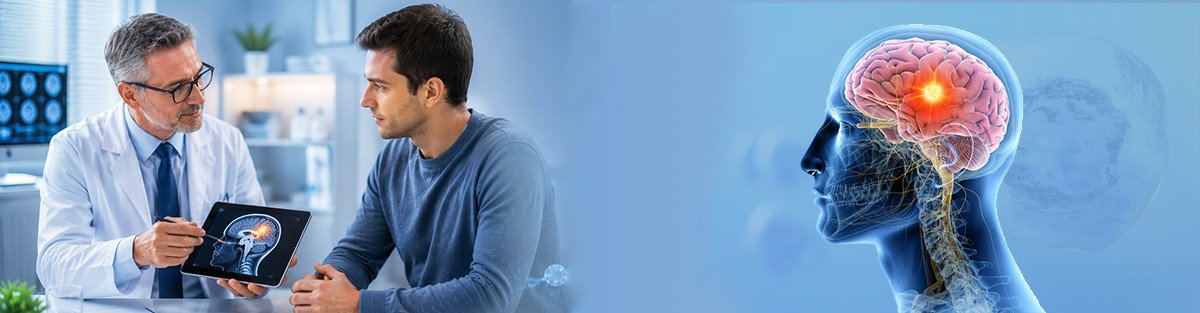
    Brain Injury Stem Cell Treatment in India

    • Home
    • >
    • Brain Injury Stem Cell Treatment in India
    Published on: June 26, 2016
    |
    Updated on: May 12, 2026
    |
    By: Stem Cell Care India
    Brain Injury Stem Cell Treatment in India
    Key Takeaways

    How Stem Cells Help in Neurodisorders

    1. Repair Damaged Nerve Tissue

    Neurodisorders happen when nerve cells get damaged or stop working well. Stem cell therapy supports the body by replacing injured cells with healthier ones. These cells have strong regenerative power. They help restore lost functions slowly and safely. This procedure supports long-term healing. It also encourages the brain and nerves to repair themselves better.

    2. Reduce Inflammation & Protect Nerves

    Therapy reduces inflammation in the nervous system. Chronic inflammation makes many Neurodisorders worse. It interrupts communication between nerves and slows recovery. Stem cells release healing signals that calm inflammation. This helps protect nerve function. It also stops further damage. It also helps to reduce inflammation and make symptoms easier to manage. It improves comfort and mobility over time.

    3. Support Nerve Connections & Communication

    Stem cells support healthier nerve connections. Many neurodisorders disrupt how nerves talk to each other. Stem cell therapy supports the rebuilding of neural ways. It improves communication signals in the brain and body. Better connections support balance, movement, and memory. This leads to steadier progress in recovery. It also improves overall daily function.

    4. Slow Disease Progression & Improve Quality of Life

    Treatment may slow disease progression effectively. Neurodisorders usually worsen with time. Stem cells may slow this progression. They protect nerve cells from rapid decline. They strengthen weak areas of the nervous system. This helps preserve abilities for longer. It also supports a better quality of life. Many patients feel more stable after treatment.

    GET IN TOUCH
    Get Free Medical Evaluation → Upload Medical Reports →

    Contrary to what some may think, Neurological Stem Cell Therapy isn't a sole treatment for a single kind of disease. Nor are neurological syndromes restricted only to the brain. A neurological disease is a disorder or complaint that affects any portion of the body's nervous system. These can consist of the elementary physical structure, biochemistry or electrical functioning of the brain, the spinal cord, or any nerves connected to them. The neurological stem cell therapy treatments at Stem Cell Care India concentrates on isolating and intensifying the patient's own adult Neural Stem Cells from each area that is to be involved in treatment.

    Common symptoms include muscle weakness, tremors, seizures, paralysis, muscular complications, trouble with coordination, losing physical sensations, confusion, pain, or shifts in one's sense of cognizance. Each region of the brain and spinal cord has its own specialty cells. Symptoms vary widely depending on the specific disorder and the areas of the nervous system affected.

    We treat many neurological conditions including Neuropathy, Intellectual Disabilities, ALS/MND Disease, Parkinson's Disease, Cerebral Palsy, Muscular Dystrophy, Alzheimer's Disease, Brain Injury, Multiple Sclerosis, Stroke Disease, Spinal Muscular Atrophy, Ataxia Disease, Peripheral Neuropathy, Encephalomyelitis, Encephalo Dysplasia, Viral Encephalitis, and Syringomyelia Disease.

    Neurological disorders can result from genetic mutations, traumatic injuries, autoimmune responses, vascular diseases, infections, nutritional deficiencies, environmental factors, or progressive degenerative processes. Our specialists assess each patient's unique etiology before designing a personalised treatment plan.

    Diagnosis typically involves neurological examination, MRI/CT imaging, EEG, genetic testing, and cerebrospinal fluid analysis. Our team reviews all diagnostics to determine stem cell therapy candidacy and to design the optimal treatment protocol for each individual patient.

    Our stem cell therapy utilises mesenchymal stem cells (MSCs) and Neural Stem Cells sourced from the patient's own tissue and from Wharton's Jelly umbilical cord tissue. These cells are chosen for their superior regenerative, anti-inflammatory, and immunomodulatory properties.

    The procedure involves a 2–3 week protocol including pre-treatment evaluation, stem cell infusion via intravenous and intrathecal routes, complementary physiotherapy sessions, and ongoing follow-up monitoring. The process is minimally invasive with no major surgery required.

    Stem cells are delivered via lumbar puncture (intrathecal injection) directly into the cerebrospinal fluid, and/or intravenously. This allows cells to travel through the body and home to sites of injury. The choice of delivery method depends on the specific neurological condition being treated.

    Once implanted, stem cells secrete neurotrophic growth factors, reduce oxidative stress, modulate immune responses, and migrate to injured sites. They promote neuroplasticity, support the regrowth of damaged neural networks, and create an optimal environment for recovery over several months following treatment.

    Our Testimonials

    Popular Searches

    • Stem Cell Treatment for Neurodisorder
    • Stem Cell Therapy for Neurodisorder in India
    • Cost of Stem Cell Therapy for Neurodisorder in India
    • Affordable Stem Cell Therapy for Neurodisorder in India
    • Low Cost Stem Cell Treatment for Neurodisorder in India
    • Stem cell treatment for Neurodisorder in Delhi
    • Stem cell Hospital for Neurodisorder in Delhi
    • Stem cell Hospital for Neurodisorder in India
    💬
    Ask Your Query We're here to help you
    Ask Now ›

      brain injury treatment
      Exosome Therapy
      Testimonial Video
      Latest Blog

      Key Takeaways

      • 01 Major Causes of TBI: Motor vehicle accidents, sports injuries, falls, and physical violence are common causes. Struck-by or against injuries also contribute to most brain trauma cases. These accidents can lead to mild or severe brain damage.
      • 02 High Rate of TBI in the U.S.: Each year, millions experience TBI in the United States. Children and older adults are especially at risk. Around 13.5 million Americans live with long-term TBI disabilities. The condition causes both physical and emotional challenges for patients.
      • 03 Role of Stem Cell Therapy: Stem cell therapy may help repair brain tissue naturally. It can reduce inflammation and promote neuron regeneration. Patients often experience lasting improvements, but results vary. It is important to keep realistic expectations from the treatment.:
      • 04 Importance of Care and Awareness: Early diagnosis and care can improve recovery chances. Awareness helps reduce injuries through safety and prevention steps. Proper medical support and rehabilitation are crucial for long-term healing. At StemCellCareIndia, patients can access professional help for TBI recovery.
      • Overview
      • Symptoms
      • Types
      • Causes
      • Diagnosis
      • Treatment
      • Procedure
      • Implantation
      • FAQ's
      • Improvements
      • Mechanism
      • Our Promise
      • Cost
      • Success Rate
      • Advantages
      • Quality Control
      • Treatment Results
      • Testimonials
      • Quality Certificate
      • Follow Up
      • Supportive Therapy
      • Related Disorders
      • Trеatmеnt Disclaimеr
      • Country Specific

      Overview

      Motor vehicle accidents, sports injuries, struck by/against and physical violence are some of the leading causes of traumatic brain injury. It is not a progressive condition. It is definitely possible for the improvements to last longer with stem cell therapy. However, patients and caregivers should maintain realistic expectations with brain injury stem cell treatment. At StemCellCareIndia, you can get assistance regarding brain injury stem cell treatment in Delhi, India

      Do you know about Brain Injury?

      According to the Centers for Disease Control and Prevention (CDC), nearly 2.87 million cases of TBI occurred in the United States in 2014, with over 837,000 cases occurring among children. In the United States alone, an estimated 13.5 million people are disabled as a result of traumatic brain injuries.

      TBI costs are estimated to be $76.5 billion a year in direct and indirect costs.

      Per year, about 288,000 people are treated for TBI, which is more than 20 times the number of people who are hospitalised for spinal cord injury.

      The estimated number of TBI-related emergency room visits, hospitalizations, and deaths has increased by 53% since 2006.

      TBI is responsible for an unprecedented 2,529 deaths, 23,000 hospitalizations, and 837,000 emergency department visits by children aged 14 and younger.

      Per year, 80,000-90,000 people develop long-term or life-long injuries as a result of a traumatic brain injury.

      Males account for 78.8% of all confirmed TBI injuries, while females account for 21.2 percent, with males having higher TBI rates (959 per 100,000) than females (811 per 100,000).

      Around 21% of all TBIs among American children and adolescents are caused by sports and recreational activities.

      Older adults (75 years; 2,232 per 100,000 population), the very young (0 to 4 years; 1591 per 100,000), and young adults have the largest rates of TBI (15 to 24 years; 1081 per 100,000).

      TBI has a mortality rate of 30 per 100,000, resulting in an estimated 50,000 deaths in the United States per year.

      Head accidents are responsible for 34 percent of all violent deaths. After the age of 30, the risk of death from a head injury starts to rise.

      Motor vehicle collisions, murders, and falls are the main causes of TBI-related death.

      Falls (35 percent), motor vehicle-related accidents (17 percent), and hits or blows to the head from or against an impact (17 percent), such as sports injuries, are the main causes of non-fatal TBI in the United States.

      Symptoms

      Injuries to the head can cause a person to think, feel, and behave differently. These symptoms can occur immediately or over time. Some of the symptoms may be minor, while others can be severe. It is therefore crucial to recognize these symptoms early enough so that appropriate support can be given to the person. Here are some of the symptoms that help you in initial treatment:

      • Headache that does not go away or worsens over time
      • Dizzy, unsteady, and having problems balancing
      • Nausea and vomiting, especially if vomiting occurs repeatedly
      • Feeling extremely tired and having little energy
      • Having problems sleeping or sleeping more than usual
      • Sensitivity to light and noise
      • Trouble seeing clearly
      • Confused and feeling “foggy” in the mind
      • Trouble remembering things and having poor memory
      • Trouble concentrating and staying focused
      • Slow thoughts and trouble understanding things
      • Getting easily distracted
      • Mood changes such as irritability and anger
      • Feeling sad, anxious, and depressed
      • Sudden emotional outbursts without any reason
      • No interest in daily activities
      • Slurred speech
      • Difficulty in finding appropriate words while talking
      • Weakness or numbness in parts of the body
      • Poor coordination of body parts
      • Loss of consciousness for a short period
      • Shaking of body parts
      • Clear fluid discharge from nose and ears
      • Differing size of pupils of eyes
      • Changes in behavior that are unusual for that person
      • Difficulty in decision-making
      • Feeling disoriented and unaware of their location

      The symptoms may differ from person to person. Some may occur immediately, while others may take time. These symptoms need to be closely watched to ensure proper and prompt medical attention.

      Types

      A brain injury is a traumatic or non-traumatic injury caused between birth and adulthood. Long-term effects can range from difficulty communicating, dressing, moving around and performing intellectual activities. The types of brain injuries are as follows:

      • Traumatic Brain Injury: Traumatic brain injuries (TBI) are simply a result of head trauma from injury and unfortunately can stem from several different sources such as road traffic accidents, assaults, falls or even home & work accidents.
        • Concussion: Concussions can occur when one’s brain starts to function abnormally as a result of the soft tissues inside the skull hitting the internal walls of the cranial cavity.
        • Edema: Edema refers to the swelling of the brain that can occur as a result of any traumatic brain injury. Although the skull cannot expand to accommodate the swelling, edema can cause pressure on the brain.
        • Diffuse Axonal Injury: Injury to the brain’s axons, which are located on its outermost layer, occurs when a blow to the head is sustained. Even though this type of head trauma does not cause extensive bleeding inside of the cranium, it does give rise to some swelling that puts pressure on the brain from the inside.
        • Hematoma: An intracranial hematoma is characterized by a blood clot usually caused by a ruptured blood vessel inside the brain. There are different types of clots based on their location within the brain.
        • Skull Fracture: Skull fractures are rare. They may affect brain function and can also lead to infection if left untreated. Monitoring thin fractures are usually the best approach but depressed fractures or those that are giving off spinal fluid should be corrected surgically.
      • Non-Traumatic Acquired Brain Injuries: Non-traumatic brain injuries are caused by internal factors such as a lack of oxygen, toxins or pressure from a tumour that disrupts the normal functioning of the brain. Brain injuries not caused externally by physical blows to the head occur because of stroke, aneurysm, tumour, near drowning, and infectious disease.
        • Haemorrhage: Haemorrhage, or uncontrollable bleeding, can occur within the brain tissue (intracerebral) or in the spaces around the brain (subarachnoid). Some haemorrhages are related to head trauma and sometimes others are attributed to an aneurysm bursting. An aneurysm is a bulged blood vessel in the brain which ruptures when too much pressure is placed on it.
        • Hypoxic/Anoxic Brain Injury: A hypoxic brain injury occurs when there is a disruption to oxygen being delivered to an area of the brain, while an anoxic brain injury occurs when this system of delivering oxygen ceases to function altogether. Both of these are usually attributed to disruptions in breathing patterns.
        • Stroke: A stroke occurs when blood flow to the brain is interrupted, often from a blood clot, causing the brain cells to die. There are two main types of strokes: ischemic and haemorrhagic. Ischemic strokes occur when an artery becomes blocked while haemorrhagic strokes take place when a weakened blood vessel leaks or ruptures, causing bleeding within or around the brain.

      Causes

      Brain injury can occur for various reasons and can affect a person’s daily life. It can be mild or severe in nature. It is always beneficial to know the common causes of brain injury so that it can be prevented and cared for in the early stages itself. Here are some of the major causes of brain injury in simple and clear points:

      • Road Accidents: One of the major causes of brain injury is road accidents like car, bike, or bicycle accidents. A severe hit on the head can occur in such accidents and can cause serious damage.
      • Falls: Falling from the stairs, beds, or slippery floors can cause brain injuries, especially in children and old people.
      • Sports Injuries: In sports like football, boxing, and cricket, brain injuries can occur due to collisions and hits on the head.
      • Violence and Physical Assault: Brain injuries can occur if a person is hit on the head while fighting or being assaulted by someone.
      • Workplace Accidents: People who work in construction and factory jobs may suffer brain injuries due to falling objects and slipping.
      • Medical Conditions: Stroke, infection, and lack of oxygen can cause brain injuries.
      • Lack of Oxygen: Injury may be caused by drowning, choking, or respiratory difficulties.
      • Birth-Related Issues: Complications that may occur before birth may, in turn, cause injury to a child’s brain.
      • Substance Abuse: Abuse of alcohol and/or drugs may cause accidents that may, over a period of time, cause injury.
      • Explosions or Blasts: Sudden pressure waves, usually resulting from explosions, may cause injury to a person’s head.
      • Tumors: Abnormal cell growth in a person’s brain may, in turn, cause injury by pressing on brain tissues.
      • Infections: Meningitis and/or encephalitis may cause injury.
      • Shaking or Sudden Movement: Injury may be caused by violent shaking, usually of a child.
      • Electric Shocks: Injury may be caused by strong electric currents that may interfere with a person’s brain activity.
      • Poisoning: Injury may be caused by toxic substances that may interfere with a person’s normal brain functioning.

      Diagnosis

      Diagnosis is the process of identifying the problem and the level of seriousness of the problem. In cases of head trauma, the early and correct diagnosis of the condition is of significant importance. This is because it enables the doctor to comprehend the condition of the person and provide the right kind of treatment in order to prevent further damage and enhance recovery.

      1. Medical History and Symptom Check

      The doctor may ask questions about the condition of the person. For instance, the doctor may ask questions about the accident or the trauma the person experienced. Additionally, the doctor may ask questions about the symptoms experienced by the person.

      1. Physical and Neurological Examination

      A simple physical examination is carried out in order to check the vital signs of the person. A neurological examination is carried out in order to test the memory and awareness of the person.

      1. Glasgow Coma Scale (GCS) 

      This is one of the commonly used tests for assessing the level of consciousness. This test includes assessing eye, verbal, and motor responses. This helps in determining whether it is a mild, moderate, or severe case and how further action should be taken.

      1. Imaging Tests – CT Scan and MRI

      In a case of emergency, a CT scan is usually performed first, as it is a quick test that can reveal bleeding, swelling, or fractures. An MRI provides more detailed images of the brain, revealing even small problems in brain tissues.

      1. Blood Tests and Monitoring

      Blood tests may be conducted to check for oxygen, infection, or other health problems. Monitoring oxygen, heart rate, and brain pressure may be necessary in serious cases to monitor changes in a patient’s condition.

      1. Cognitive and Behavioral Tests

      Doctors may assess cognitive, memory, mood, and behavioral problems. These tests help in understanding how a person’s daily life has been affected by the injury, so that rehabilitation can be done for better recovery in the future.

      Treatment

      Rather than relying on medication, doctors are finding new ways to heal the damaged brain cells. One such treatment is stem cell therapy for brain injury in Delhi. In this therapy, doctors are using special cells that can grow and become different types of cells in the human body. These special cells are injected into the injured part of the brain and can help repair or replace the damaged cells. They can also help reduce swelling and heal the injured parts of the brain. It is still a new therapy and is showing positive signs of healing and improving motor skills, memory, and brain functions.

      Roles of Stem Cells To Treat Brain Injury

      • Stem cells can become different types of brain cells and replace damaged or lost cells following an injury.
      • Stem cells can help repair damaged brain tissue by enhancing natural healing.
      • Stem cells can reduce inflammation, which can protect healthy brain cells from further damage.
      • Stem cells release growth factors that can improve communication between brain cells and repair damaged areas.
      • Stem cells can improve the formation of new blood vessels, which can increase oxygen and nutrients to injured areas.
      • Stem cells can improve functions like memory, movement, and speech.

      Current Research of Stem Cell Therapy for Brain Injury

      Scientists worldwide are working hard to develop new ways to heal the brain. Current studies on stem cell therapy in the treatment of brain injury are giving promising outcomes. Current studies indicate that stem cells are helpful in the healing of damaged tissues in the brain. Different types of stem cells and ways of delivering them are being used in the studies to ensure that the treatment is not only safe but also effective in the healing of the brain.

      Some studies have already shown positive outcomes in the movements and thinking ability of patients undergoing the treatment. However, the treatment is still under study, and more studies are needed to determine the outcomes of the treatment, its safety, and its efficacy in the healing of different types of injuries in the brain.

      Procedure

      Day 1-

      • Pick up from the Airport to the Hospital
      • Interaction between Dr and Patient, to clear all their doubts at that time
      • Admission procedure
      • Clinical examination & Lab test will be done prescribed by the doctor
      • Supportive Therapy

      Day 2-

      • Stem cell Procedure
      • Supportive therapies
      • Physiotherapy

      Day 3-

      • Supportive Therapy
      • Physiotherapy
      • Discharging formalities
      • Drop back to the Airport

      Note:

      • For Admission, carry the identity card (Passport/ Pan Card / Driving License)
      • Carry the hard copy of Patient reports

      Implantation

      Stem cell therapy for brain injuries in India is done by injecting healthy stem cells into the body. This helps in healing and repairing injuries. Doctors use various techniques for injecting stem cells. These techniques depend on the condition of the patient. Each technique helps in reaching the brain via a specific route.

      1. Intravenous Administration (IV)

      In this technique, stem cells are given to the patient via a drip. This is a simple technique. Healthy stem cells enter the blood and reach the brain naturally. This technique is simple and safe. However, there is a possibility that stem cells can get stuck in other parts of the body.

      1. Intrathecal (Lumbar Puncture)

      In this technique, healthy stem cells are injected into the cerebrospinal fluid in the lower back. A needle is used for this purpose. This technique is used because it can directly reach the brain and spine.

      1. Intramuscular Injection

      Stem cells are injected into muscles. These cells release growth factors that are helpful in healing and improve general body functions. It indirectly helps in recovery and strength.

      1. Intraarterial Injection

      In this type of injection, stem cells are injected directly into an artery that supplies blood to the brain. It helps in reaching the damaged areas quickly. It is monitored to prevent any complications.

      1. Subcutaneous Injection

      Stem cells are injected under the skin. It is a simple process and helps in slow release of stem cells into the body. It is helpful in general healing but not directly helpful in repairing the brain.

      1. Liberation Angioplasty

      The process helps in improving blood flow by opening narrowed veins. It helps in reaching the damaged areas quickly by improving blood flow and helps in recovery.

      1. Surgical Administration

      Stem cells are directly injected into the brain through a surgical procedure. It is a direct and effective process but is used in critical conditions.

      FAQ's

      What is a penetrating brain injury, and how can it happen?

      A brain damage caused by a projectile piercing the skull and entering the brain tissue is known as a penetrating head injury.

      What is the concept of a blast injury?

      A blast injury is trauma or destruction caused by a violent explosion or the shock wave generated by an explosion.

      What is the expected duration of my symptoms?

      Mild TBI or concussion symptoms usually change within hours to days, and they nearly often go away entirely within a few days (one to three months). Patients who have suffered a mild to serious TBI can develop long-term medical, physical, and cognitive issues that necessitate clinical care. However, depending on the severity of the TBI and the site of the damage, the signs and consequences can differ considerably from one patient to the next.

      What therapy would be beneficial to my recovery?

      There are many different treatments to choose from, and the care provider will make decisions based on your specific needs. The below are some of the therapies that could be prescribed:

      Physical therapy is a form of treatment that is used.
      Speech therapy is a type of therapy.
      Cognitive behavioral therapy (CBT).
      Neuropsychological evaluation and treatment.
      Occupational therapy is a form of therapy that focuses.
      Recreational therapy is a form of therapy that involves engaging.

      What is a penetrating brain injury, and how can it happen?

      A brain damage caused by a projectile piercing the skull and entering the brain tissue is known as a penetrating head injury.

      What is stem cell therapy for brain injury?

      Stem cell therapy is an advanced treatment that helps repair damaged brain tissues after an injury. It uses stem cells, which have the natural ability to grow into different types of brain cells. These cells help replace damaged neurons, reduce inflammation, and support brain healing. Over time, this therapy may improve thinking, movement, and coordination in patients with brain injury.

      How does stem cell therapy help after a brain injury?

      Stem cell therapy works by targeting the root cause of brain damage. The stem cells reduce inflammation, promote nerve repair, and encourage the brain to heal itself. This process helps restore lost brain connections and improve cognitive functions. Many patients experience better memory, focus, and body control. However, results may vary depending on the severity and location of the injury.

      Is stem cell therapy safe for brain injury patients?

      Stem cell therapy is considered safe when performed by trained medical professionals. The procedure is minimally invasive and has shown positive outcomes in early research. Some patients may experience mild fatigue or headache afterward. However, it’s still an experimental treatment and needs further clinical studies. Doctors usually recommend combining it with rehabilitation and regular medical care for the best results.

      Who can benefit from stem cell therapy for brain injury?

      Patients with traumatic brain injuries (TBI), stroke-related damage, or oxygen loss to the brain may benefit from this therapy. It can help those who have not responded well to traditional treatments. The therapy aims to restore nerve function, improve brain activity, and enhance overall quality of life. A doctor’s evaluation is necessary to determine if a patient is a good candidate.

      Can stem cell therapy fully cure brain injury?

      Currently, there is no complete cure for brain injury. However, stem cell therapy can support recovery and help repair damaged brain cells. It often reduces symptoms like memory loss, weakness, and poor coordination. When combined with rehabilitation, medications, and consistent care, patients may notice gradual improvement. Research continues to explore how stem cells can offer long-term recovery in the future.

      What is the procedure like?

      The procedure we used involves collecting stem cells from the patient’s own body. After that, we processed them in our GMP certified labs and at last administered them into the patient body. There are various administration methods that we use such as intravenous infusion and intrathecal. Our procedure is minimally invasive and requires careful monitoring. It ensures the safety of the patient, before, during and after the treatment.

      What types of stem cells are used in treatment?

      There are different types of stem cells that can be beneficial in the treatment of brain injury. Some of them are: mesenchymal stem cells (MSCs). Adipose tissue stem cells (ASCs), bone marrow stem cells (BSCs), and induced pluripotent stem cells (iPSCs). We start with the one that suits your disease and body well to avoid future problems.

      How much does it cost?

      Stem cell therapy can be expensive in many countries but in India, Stem Cell Care India provides it in an affordable price range. However, there are several factors that can influence the cost such as age, severity of the condition, and types of stem cells used in the treatment. Patients who are old require more stem cells than the younger ones, that’s why it may be a bit expensive. Our cost is transparent and affordable to most of the patients.

      Can stem cell therapy fully cure brain injuries?

      Stem cell therapy and Stem Cell Care India never promised for a full cure of brain injury. This therapy isn’t a final treatment and is still under research. Some patients experience a long-term approach, while others find short-term relief from the disease. The aim of the therapy is to reduce the symptoms and enhance the quality of life rather than fully reversing the damage.

      Improvements

      Brain injury stem cell therapy in Delhi is being used to assist in recovery from a brain injury. These cells have the potential to repair damaged tissues, prevent inflammation, and heal. Though this may vary from one person to another, a patient may recover gradually in terms of physical, mental, and neurological well-being.

      • Improved motor Skills: There may be improvements in motor skills, including better balance and coordination. This may help in easy walking, sitting, or even doing physical activities.
      • Improved Muscle Strength: Stem cells may help in repairing nerves, resulting in stronger muscles and reduced stiffness in those areas.
      • Improved Cognitive Skills: Some people may recover better in terms of cognitive skills, including memory, concentration, and solving problems, as brain cells recover and start functioning.
      • Improvements in Speech: Some people may recover well in terms of speech, including speech difficulties, and may be able to speak, understand, and even express themselves.
      • Reduced Inflammation: The use of stem cells could reduce the amount of brain inflammation, which could reduce the swelling in the brain tissues.
      • Sensory Functions: Patients could experience improvements in their sense of sight, hearing, or touch depending on the areas of the brain affected by the injury.
      • Improved Emotional Stability: Patients could experience reduced emotional instability, such as anxiety, depression, or moodiness as their brain functions stabilize.
      • Faster Recovery Rate: The rate of healing could increase as the stem cell therapy is used in conjunction with medical care.
      • Increased Independence: Patients could achieve independence as their brain functions improve, enabling them to carry out their daily tasks independently.

      Mechanism

      Stem cell treatment for Traumatic Brain Injury (TBI) will concentrate on the subordinate brain injury, which is the upshot of biochemical and physiological events, finally leading to neuronal cell demise. Recent research has specified that the potential therapeutic advantage of stem cell therapy could be the upshot of the following mechanisms:

      1. Secrete growth factors to encourage functional result after brain injury through neurogenesis and Synaptogenesis.
      2. Produce and tempt several cytokines and trophic factors to augment angiogenesis and vascular stabilization in the lesion boundary zone;
      3. Reduce glial scar formation and encourage glial-axonal remodeling;

      Segregate into cells of neural origin including neurons, astrocytes and glial cells.Stem cells consequently act in a pleiotropic way to encourage brain remodeling after brain injury by influencing numerous neural restorative functions such as synaptogenesis, angiogenesis and neurogenesis. Brain injury stem cell treatment in Delhi is all about careful handling of the ailment.

      Our Promise

      Each step towards recovery must be accompanied by the right level of care and guidance. Our promise at Stem Cell Care India is to offer safe, ethical, and advanced solutions through brain injury stem cell therapy in India. Our focus is on providing patients with individualized treatment plans that not only promote recovery but also improve the quality of life. With our team of highly qualified and experienced medical professionals and cutting-edge facilities, patients can expect the right level of care and attention. Our aim is to assist patients and their families with empathy and dedication towards a better and more independent life.

      Who We Are?

      Stem Cell Care India is a specialized healthcare service provider committed to delivering the best regenerative treatments for neurological disorders. Our brain injury stem cell therapy India, which blends the best of modern medical science with the tender touch of caring for our patients. Our staff includes experienced doctors, researchers, and support staff working together as a team to provide individualized care plans for every patient.

      We strive to help our patients achieve the best results, improve the quality of their lives, and offer hope to those struggling with the effects of brain injuries. Our commitment to safety, ethics, and innovation drives Stem Cell Care India to provide the best and most reliable care for our patients at every stage of the treatment process.

      How We Do It?

      At Stem Cell Care India, we follow a well-planned and patient-focused procedure to deliver effective results through brain injury stem cell therapy in India. Every step is designed to ensure safety, comfort, and better recovery outcomes.

      • In-Depth Diagnosis: We thoroughly evaluate the patient’s condition and medical background.
      • Personalized Treatment Strategy: Each patient receives a tailored plan based on their specific needs.
      • Safe Stem Cell Procedure: Therapy is performed under strict clinical protocols by skilled experts.
      • Integrated Care Support: Rehabilitation, nutrition, and lifestyle guidance are included for better healing.
      • Ongoing Monitoring: Regular check-ups help us track progress and refine the treatment plan.

      Cost

      Stem cell treatment is used to treat many diseases including brain injury. Its results seem promising but vary patient to patient. You will experience improvement in brain cells and overall functions. If we talk about the cost of the treatment, it can be high. But in India, it will be affordable than most of the countries. The cost of the treatment fluctuates and the reasons behind it are types of the treatment, the hospital, and further other experiences.

      However, many patients need extra medical sessions which becomes another reason to increase the total cost. Because of these factors many families find it difficult to get quality treatment at an affordable price range. Indian hospitals and stem cell centres provide top-notch medical support without breaking your bank.

      At Stem Cell Care India, it is our aim to provide our customer best care and medical guidance. We inform you about every detail of the stem cell therapy process and stay transparent to you. No hidden cost, no extra pay, just an innovative treatment approach for your brain injury.

      How Does the Cost of Stem Cell Therapy Fluctuate?

      In many countries, the cost of stem cell therapy is highly expensive because of various factors. The cost of stem cell therapy for brain injury in India is not fixed because several factors contribute to these fluctuations, which are:

      • Type of Stem Cell and Source: Stem cell therapy using a patient’s own cell (Autologous therapy) is affordable than using donor cells (Allogeneic therapy).
      • Medical Condition and Severity: Some of the conditions are severe and to treat them it requires more protocols and can cost more than other diseases.
      • Number of Sessions and Dosage: It requires multiple sessions or we can say booster dosage to treat the symptoms of brain injury.
      • Customization and Expert Consultation: Stem Cell therapy is not a one size fit all treatment. Every patient needs an individualized treatment.

      Success Rate

      Brain injury can affect a patient in many ways including serious problems with movement, memory, and daily activities. After years of research, doctors and scientists find a way to treat this medical condition without any side effects. The name of this innovative medical approach is stem cell therapy. In recent studies, it has been shown that stem cell therapy helps in repairing damaged brain tissues and give better support to brain function than conventional treatment.

      But, the success rate of stem cell therapy for brain injury in Delhi can be different for each patient. Some experience positive and long-term results, while some notice short-term relief. However, the success rate of this treatment fluctuates based on several factors which includes, clinical, patient-related, and technical. The outcomes of stem cell therapy vary because of its experimental stage.

      Factors That Influence the Success Rate

      Here are some of the factors that can influence its success rate:

      1. Patient Related Factors
      • Severity of Injury: The primary factor for the success rate is the extent of brain damage. In many cases, patients who have mild to moderate injuries experience a better outcome as compared to severe ones.
      • Timing of Treatment: You must have done the early intervention to get better results. Patients who have long-standing injuries (years after an incident) find difficulty in treating the condition.
      • Age of the Patient: Age is a must in treating any kind of disease. Younger patients have more chances of getting a better and faster repair mechanism than older ones.
      1. Clinical and Technical Factors
      • Source of Stem Cell & Types: Stem cells can be sourced from different parts of the body such as adipose tissue, bone marrow, and umbilical cord. It affects the success rate of the treatment.
      • Multimodal Treatment Approaches: To increase the success rate of the stem cell therapy, doctors often use it with supportive therapies to maximize the results.  These therapies include physical,

      Advantages

      It has been proven that stem cell treatment is safe for use. Many doctors and clinics specializing in this type of therapy are delighted with its usage as it proves its efficacy time and time again. Some of the main advantages of choosing Stem Cells Therapy for your Brain Damage in Delhi, India are as follows:

      1. The stem cell treatment is only a 3-day process in general.
      2. The regenerative and protective effects of this treatment last for a long time.
      3. As the stem cells are implanted in the infected area or a medium of the same, the effectiveness of the treatment remains at its highest.
      4. Stem cell is but an organic way of boosting body regenerative capabilities and hence results in no major side effects.
      5. Stem Cell Therapy is a minimally invasive method and therefore the pain felt by the patient is way less than any surgical method.
      6. Stem Cell Treatment in India, due to severe competition is way less than other alternatives.

      What Will You Get From Us?

      Taking the right treatment from the right source is necessary just like the treatment itself. In this case, Stem Cell Care India stands out. We are one of the best stem cell centres in India which provide innovative treatment approaches with various benefits. Some of them are:

      • You will get a personalized treatment plan for each individual patient.
      • We always use advanced technologies to take care of your treatment procedure.
      • Only work with experienced doctors and scientists for better medical care.
      • From consultation to recovery support, we will stay with you till you get recovered.
      • We not only provide treatment, but also focus on improving quality of life.
      • We stay transparent to our patients and their families, and provide clear information.
      • Our safety protocols and hygienic standards always stay high.
      • We never compromise quality while giving affordable treatment.
      • Experience first-class medical support during the whole process.

      Quality Control

      We use top of the line equipment and follow strict international guidelines to ensure the safety and quality of our stem cell procedures. Here’s a quick overview of our guidelines and procedures followed during the preparation, processing and administration of your treatment:

      • The stem cell source is thoroughly tested before processing to eliminate the chances of infection.
      • Gram Bacteria can spread contamination, therefore we conduct gram screening at various stages of processing.
      • The media in which cells are stored or treated should be equally safe as cells themselves therefore precise Gram bacteria and mycoplasma analysis is performed on media before use.
      • To avoid any exchange or mixture of cells during processing, proper marking and identification procedures are followed.
      • Every cell batch is also screened for endotoxin and only passes if its content is under the threshold limit.
      • To ensure the required cell quantity, cells are counted using an automatic cell counter.
      • To avoid any mutational alterations, every cell batch undergoes a karyotyping study.
      • A “Certificate of Analysis” is issued for every quality batch of cells to assure that they have been carefully tested.

      Treatment Results

      Brain injuries occur all too often and can range from being quite mild to quite severe. When these injuries call for treatment, many doctors turn to one promising method that is showing incredible results: stem cell therapy. The idea behind this new process primes the brain to start healing itself as soon as it enters the body. This triggers natural cell regeneration processes that help patients recover mental functions that otherwise would remain out of reach. In some cases, stem cell therapy offers a new lease on life for those who have accustomed themselves to living with disabilities caused by their brain injury. With stem cells, patients feel more relieved and the recovery is faster than ever before because stem cells while boosting the natural regen ability, can also be transformed into any kind of new tissue necessary to restore what was lost or damaged due to an accident or any other cause.

      Treatment Results You May Experience

      Stem cell therapy can be used to treat brain injury like conditions. After this treatment, many patients experience different outcomes. Some of them got long-term relief from their conditions, while others experienced short-term benefits. The outcomes highly rely on your age, severity of your condition, and other factors. Results may vary from patient to patient, but you may notice improvements like:

      • Your damaged brain cells start getting repaired.
      • Swelling and inflammation in the brain reduces.
      • You may notice better memory and thinking skills.
      • Improvement in movement, balance, and coordination.
      • Your speech and communication gets improved.
      • You experience yourself more actively and alert.
      • Supports the growth of new and healthy cells.
      • Helps your natural healing to heal fast.

      For your information, don’t consider stem cell therapy as a permanent cure for brain injury. Results may take time or not immediately. It will be helpful to use stem cell therapy with other supportive therapies for better results.

      Testimonials

      1. Sandra Wood (Dallas, USA): I was in an accident and got a severe concussion. I tried some pretty scary treatments at other clinics before I found this place. The doctor told me about their stem cell treatment for brain injury. I was scared at first but then I decided to give it a try. The procedure was painless and it has been 4 months and I feel like I am back to normal. I am so grateful that my treatment went without any problems.
      2. Christin Schäfer (Potsdam, Germany): I was experiencing constant headaches and had been to the doctor more than a few times. I was told that I have a brain injury and was recommended stem cell therapy. I was a bit sceptical at first but after I tried it, I felt a lot better, Yeah! It wasn’t like magic, took a little time but help me to finally get rid of that irritating and unproductive all day around pain.
      3. Erik Dreher (Christchurch, New Zealand): I have been suffering from a brain injury for more than a year now. I have tried various ways to address the issue but nothing worked. It was only when I came across stem cell treatment that I found a solution. Stem cells have the capacity to repair the damaged tissues of the brain. Not only is the procedure effective but it is also less painful and safe. I would recommend this to everyone.

      Quality Certificate

      A quality certificate shows that stem cell treatment for brain injury in Delhi you are taking is safe, tried, and follows all medical regulations. It guarantees that the process used in stem cell isolating and obtaining to give to the patients are conducted without any false practices. It helps patients and their families can trust the treatment without any problem.

      Stem Cell Care India has made its name in the world of regenerative therapy by providing safe and certified treatment for brain injury. We don’t charge an extra penny from our patient, you will for the treatment that you need. Our quality certificate ensures that the stem cells we use are clean, healthy, and of best quality. You don’t need to worry about anything because our experienced team of medical experts will be with you in all procedures. The equipment we used examined before every procedure to provide top-quality service.

      This certificate shows that the therapy we use is carried out with ethical practices. For us, our patient’s safety, consent and information are always our top priority. To enhance the effectiveness of our treatment, we constantly check the quality and procedure. For those suffering from brain injuries, this form of therapy can be beneficial in enhancing functionality and quality of life. This quality certificate shows that you are in safe hands with Stem Cell Care India.

      Follow Up

      Stem Cell Care India cares about their patients that’s why we just don’t stop with treatment. After your treatment, we provide you with a regular follow up to analyze your recovery rate. Our structured follow up protocol is to ensure what possible outcomes you will experience after the therapy.

      We check your progress and monitor it closely to find out if you need any kind of immediate post-treatment responses. Our team of medical staff schedule your time to time assessment. It helps us and our patients to track neurological improvements, motor function, cognitive progress, and overall quality of life.

      It is necessary for the patients to follow any prescribed rehabilitation programs, which includes physiotherapy, occupational therapy, and speech therapy. These programs help stem cell therapy to work even better and provide best possible outcomes. A healthy and proper diet is important and supports the healing process.

      Our specialist will report any changes in symptoms with every examination. We will recommend imaging studies and neurological evaluations if necessary to measure recovery progress. At Stem Cell Care India, our dedicated care coordinators remain accessible throughout your follow-up journey, offering guidance, answering questions, and providing emotional support. We believe continuity of care is key to unlocking the full potential of stem cell therapy for brain injury recovery.

      Supportive Therapy

      Stem cell therapy is a best way to manage symptoms of brain injuries but becomes more promising when it combines with supportive therapies. These therapies can support the brain to heal faster and improve the patient’s quality of life. Some of them are:

      • Psychological Intervention Treatment: Depression, anxiety, and behavioral changes are the causes of brain injuries. Taking psychological intervention treatment along with stem cell therapy helps patients to cope with emotional stress and improve mood.
      • Speech Therapy: People who are suffering from brain injury often struggle with speaking, swallowing, or understanding languages. That’s why it will be helpful to take speech therapy with stem cell therapy to retain brain and communication skills.
      • Physiotherapy: With the right physical therapist, it will be helpful for the brain injury patient to regain movement, balance, and muscle strength. Patients can improve coordination and reduce stiffness by doing regular exercises.
      • Hyperbaric Oxygen Therapy (HBOT): Patients can be put inside a pressurized chamber to breathe pure oxygen. Extra and fresh oxygen enters the brain and helps stem cells to fix damaged tissue rapidly.
      • Acupuncture Therapy: Acupuncture is a way to heal the brain tissue faster. In this method, thin needles are placed at specific body points to improve nerve activity and blood flow to the brain.
      • Rehabilitation Therapy: In this therapy, therapists help patients to relearn daily tasks with the combination of exercises and skill building activities.
      • Occupational Therapy: Patients learn about how to perform independent tasks like dressing, eating, and writing to make their life more manageable.
      • Nutrition Therapy: Nutritionists prescribe patients a healthy diet rich with omega-3 fatty acids, antioxidants, and vitamins. It helps in supporting brain repair.
      • Nerve Growth Factor (NGF) Treatment:NGF supports the survival and growth of nerve cells. When used alongside stem cell therapy, they boost nerve repair and improve brain recovery significantly.

      Related Disorders

      Related Disorders for Stem Cell Treatment

      Stem Cell Treatments for Neuropathy

      Get Stem Cell Therapy for Intellectual Disabilities

      Do you know about Amyotrophic Lateral Sclerosis

      cell replacement therapy for Parkinson’s disease

      cerebral palsy and stem cell

      muscle transplant muscular dystrophy

      Alzheimer’s disease symptoms and causes

      multiple sclerosis cure

      mild stroke Stem Cell treatment

      stem cell treatment of spinal muscular atrophy

      the stem cell of ataxia

      Trеatmеnt Disclaimеr

      A patient must understand that stem cell therapy is an experimental therapy that may fail to work at certain times, before undergoing this treatment procedure. Depending on the patient’s health condition a patient might be refused treatment or the proposed protocol might change at the time of procedure.

      At Stem Cell Care India, our primary goal is to provide the best technology available; safety of which has been proven across the world.

      As with any medical treatment, we make no guarantees or claims of cures are made as to the extent of the response to treatment. However, the results may vary from patient to patient, even with a similar diagnosis, as the body’s internal status is unique to each individual patient. Due to this fact, we cannot provide, infer or suggest that there is any certainty of a given outcome. Additionally, we do not use embryonic or fetal cells in any of our treatment process.

      Country Specific

      Patients worldwide are suffering from a neurodisorder known as Brain Injury. In this condition, an individual’s nervous system is affected due to trauma, stroke, infection, or lack of oxygen. Brain injury is one of the dangerous diseases that can disrupt your memory, movement, or cognitive activities. It is hard to find the perfect treatment of this disease that’s why many foreign patients come to India for their treatment.

      There is one treatment which lies on the top of the medical field, known as brain injury stem cell therapy in India. This therapy has its own benefits and promises to provide remarkable results. Countries like the USA, Europe, UK, UAE, Thailand, Nepal, and others believe in India. Let’s check out why India is famous for stem cell therapy for brain Injury.

      What Makes India Ideal for Stem Cell Therapy for Brain Injuries?

      Like other countries, India is also on the list of top medical facilities providers in the world. Our country has the best hospitals and stem cell centres which provide you with the optimal care and support. From airport pickup to supportive therapy, Indian hospitals take care of  their foreign friends in any way they want. Below are some check points that make India a better place for stem cell treatment:

      • State-of-the-Art Medical Facilities: Indian hospitals and clinics have the most up-to-date medical equipment, which allows for the most advanced treatment for brain injuries.
      • Highly Skilled Professionals: India has the largest pool of experienced doctors and researchers, especially those trained overseas, in the field of stem cell therapy.
      • Affordable Treatment Costs: The cost of stem cell therapy for brain injury in India is much cheaper than in Western countries, yet with equal quality.
      • Customized Treat Plans: Personalized treatments for each patient by the Indian healthcare according to the requirements of each patient.
      • Balanced Post-Treatment Care: Complete care that includes physiotherapy, reformational services, and follow-up consultancy to help the patient recover in the best possible manner.
      • Reachability: India is highly connected with international airports; medical visas are available with assistance, and multilingual staff address all the problems that come forward in terms of communication while patients travel from other countries.
      • Positive Success Rates: Most of the patients succeeded in a positive way after their stem cell treatment for brain injuries in India.

      Stem cell therapy is an optimal medical approach to treat medical conditions like brain injury. In this therapy, doctors use specialized cells known as stem cells which have the potential to restore the damaged cells. These cells help your body to manage the symptoms of the disease so that you can live your quality of life again.

      Conclusion:

      Traumatic brain injury (TBI) is a serious condition that can change lives. It may happen because of accidents, sports injuries, or physical violence. While it is not a progressive disease, recovery often takes time and patience. Stem cell therapy offers new hope for those living with brain injury. It helps repair damaged cells, improves brain function, and supports long-term healing.

      At StemCellCareIndia, patients receive advanced care using safe and well-tested stem cell procedures. The therapy aims to improve quality of life and promote steady recovery. Many patients have shown better focus, movement, and memory after treatment. However, every case is different, and results may vary.

      It’s important for patients and families to have realistic expectations during the healing journey. Continuous care, therapy, and medical follow-up can enhance recovery outcomes. Stem cell treatment is not a cure, but it offers a meaningful step forward. With proper guidance and care, patients can experience lasting improvements and renewed hope for a healthier future.


      References

      NIH (National Institute of Neurological Disorders and Stroke)
      Covers symptoms like headache, confusion, vomiting, slurred speech, memory issues, and behavioral changes.
      https://www.ninds.nih.gov/health-information/disorders/traumatic-brain-injury-tbi

      FDA (U.S. Food & Drug Administration)
      Lists symptoms such as dizziness, confusion, memory loss, nausea, and speech problems.
      https://www.fda.gov/consumers/consumer-updates/traumatic-brain-injury-what-know-about-symptoms-diagnosis-and-treatment

      CDC (Centers for Disease Control and Prevention)
      Explains causes like falls, road accidents, sports injuries, and assaults.
      https://www.cdc.gov/traumatic-brain-injury/index.html

      FDA (Government Source)
      States that brain injury occurs due to blows, jolts, or penetrating head injuries.
      https://www.fda.gov/consumers/consumer-updates/traumatic-brain-injury-what-know-about-symptoms-diagnosis-and-treatment

      NIH / NINDS
      Describes neurological symptoms and need for medical evaluation.
      https://www.ninds.nih.gov/health-information/disorders/traumatic-brain-injury-tbi

      CDC Clinical Guidance
      Provides guidance on diagnosis, monitoring, and management.
      https://www.cdc.gov/traumatic-brain-injury/index.html

      PubMed (U.S. National Library of Medicine – Government Database)
      Explains how stem cells may help repair brain tissue and reduce damage.
      https://pubmed.ncbi.nlm.nih.gov/32204311/

      PubMed Research Article
      Shows regenerative potential of stem cells in brain injury recovery.
      https://pubmed.ncbi.nlm.nih.gov/29372464/

      PubMed (Latest Research 2025)
      Discusses advanced strategies to improve stem cell therapy effectiveness.
      https://pubmed.ncbi.nlm.nih.gov/40000574/

      CDC Data & Statistics
      Brain injury affects thinking, behavior, and daily functioning.
      https://www.cdc.gov/traumatic-brain-injury/data-research/facts-stats/index.html


      Treatment Disclaimer:
      We provide consultation, case evaluation, and patient support services in the field of regenerative medicine. As per current medical guidelines in India, stem cell-based interventions (other than approved indications) are considered investigational and are available only within regulated clinical research settings. For patients exploring broader options, we also assist in facilitating access to treatment pathways, including internationally accredited centers where different regulatory frameworks may apply.

      Brain Injury Stem Cell Treatment in India

      Stem Cell Treatment for brain injury, Stem Cell Therapy for brain injury in India, Stem Cell Therapy for brain injury Cost in India, Affordable Stem Cell Therapy for brain injury in India, Low Cost Stem Cell Therapy for brain injury in India, Price of Stem Cell Therapy for brain injury in India, stem cell treatment for brain injury in Delhi, stem cell treatment for brain injury in India, stem cell Hospital for brain injury in Delhi, stem cell Hospital for brain injury in India

      Ask Your Query

        Request a Call Back
        Upload Medical Reports
        Get an Opinion from our Experts
        Refer a Patient
        Patient Diet Plan
        Exosome Therapy
        Brain Injury Literature
        Happy Patients

        Other Neurological Conditions We Treat

        Neuropathy Disease
        Intellectual Disabilities
        ALS/MND Disease
        Parkinsons Disease
        Cerebral Palsy
        Muscular Dystrophy
        Alzheimers Disease
        Brain Injury Disease
        Multiple Sclerosis
        Stroke Disease
        Spinal Muscular Atrophy
        Ataxia Disease
        Peripheral Neuropathy
        Encephalomyelitis
        Encephalo Dysplasia
        Viral Encephalitis
        Syringomyelia Disease

        We Also Offer Treatments For

        Explore Organ Treatments
        Explore Eye Treatments
        Explore Orthopedic Treatments
        Explore Anti-Aging Treatments

        Our Testimonials

        My aunt life went miserable when she was hit with a brain injury. Then, I insisted upon availing the medical facilities of StemCellCareIndia. Thankfully, she got back in good health again.
        Jack Smith
        Zupah Interactive

        Improve Life. Make an Enquiry.

        If you have any queries related to stem cell treatments, let us know via phone or email. Our healthcare experts will be happy to provide you with an effective treatment solution.
        Contact Us

        Conclusion

        Neurological stem cell therapy offers new hope today. It supports natural healing in damaged nerve tissue. It also helps restore lost functions safely. The therapy works with the body's own cells. This makes the process gentle and effective. The goal is steady and meaningful recovery.

        Improves Daily Life

        Neurological disorders affect daily life deeply. They disrupt movement and balance. Stem cell therapy focuses on repairing these issues. It strengthens weak nerve pathways.

        Powerful & Adaptive Stem Cells

        The treatment uses powerful stem cells from body fat. They adapt quickly to repair needs. They help restore nerve communication and reduce inflammation in affected regions.

        Supports Many Neurological Conditions

        This therapy supports many neurological conditions. It may help developmental delay, MS, stroke, and injuries. Each plan is designed for personal needs.

        Growing Research. Better Outcomes.

        Neurological stem cell therapy continues to grow. Research shows strong and promising results. More patients now regain better control and comfort with advanced care.

        Treatment Disclaimer

        We provide consultation, case evaluation, and patient support services in the field of regenerative medicine. As per current medical guidelines in India, stem cell-based interventions (other than approved indications) are considered investigational and are available only within regulated clinical research settings.

        For patients exploring broader options, we also assist in facilitating access to treatment pathways, including internationally accredited centers where different regulatory frameworks may apply.
        📞
        REQUEST A CALL BACK
        ›
        📋
        UPLOAD MEDICAL REPORTS
        ›
        👨‍⚕️
        GET AN OPINION FROM OUR EXPERTS
        ›
        👤
        REFER A PATIENT
        ›
        😊
        HAPPY PATIENTS
        ›
        📚
        NEUROLOGICAL LITATURE
        ›
        GET IN TOUCH
        View Conditions We Treat Find Your Treatment Option

        Other Neurological Conditions We Treat

        Comprehensive stem cell therapy solutions for a wide range of neurological disorders.

        🧠
        Neuropathy Disease
        ›
        🧠
        Intellectual Disabilities
        ›
        ⚡
        ALS/MND Disease
        ›
        🫀
        Parkinsons Disease
        ›
        ♿
        Cerebral Palsy
        ›
        💪
        Muscular Dystrophy
        ›
        🧠
        Alzheimers Disease
        ›
        🤕
        Brain Injury Disease
        ›
        🔬
        Multiple Sclerosis
        ›
        💉
        Stroke Disease
        ›
        🦴
        Spinal Muscular Atrophy
        ›
        🔄
        Ataxia Disease
        ›
        ⚡
        Peripheral Neuropathy
        ›
        🧬
        Encephalomyelitis
        ›
        🔬
        Encephalo Dysplasia
        ›
        🦠
        Viral Encephalitis
        ›
        🌀
        Syringomyelia Disease
        ›
        🧩
        Down Syndrome
        ›

        We Also Offer Treatments For

        Beyond neurological care — exploring holistic treatments for a better quality of life.

        🧠

        Explore Organ Treatments

        ›
        👁️

        Explore Eye Treatments

        ›
        🦴

        Explore Orthopedic Treatments

        ›
        ✨

        Explore Anti-Aging Treatments

        ›
        GET IN TOUCH

        Ready to Start Your Journey

        Our Experts Are Available To Answer All Your Questions.

        Call Us: +91 8743024344 WhatsApp Us
        💡

        Improve Life. Make an Enquiry.

        If you have any queries related to stem cell treatments, let us know via phone or email. Our healthcare experts will be happy to provide you with an effective treatment solution.

        CONTACT US
        Our Testimonials

        Real Results. Real Patient Experiences.

        View All Review →
        GET IN TOUCH
        Watch Patient Reviews Whatsapp
        RELATED DISEASE

        Explore Conditions We Treat

        Discover how stem cell therapy is making a difference in a wide range of diseases and helping patients lead healthier, better lives.

        Stem Cell Treatments for Cerebral Vasculitis in India
        🧠

        Stem Cell Treatments for Cerebral Vasculitis in India

        View Details ›
        Stem Cell Treatment for Retinitis Pigmentosa Delhi, India
        👁️

        Stem Cell Treatment for Retinitis Pigmentosa Delhi, India

        View Details ›
        Stem Cell Treatment for Kidney Disorder in Delhi, India
        🛡️

        Stem Cell Treatment for Kidney Disorder in Delhi, India

        View Details ›
        Stem Cell Treatment of Spinal Muscular Atrophy in India
        🧠

        Stem Cell Treatment of Spinal Muscular Atrophy in India

        View Details ›
        GET IN TOUCH
        Learn Treatment Benefits Check Your Eligibility
        RELATED VIDEOS
        Patient Attendant from Indonesia, share his experience after stem cell therapy for RP ▶

        Patient Attendant from Indonesia, share his experience after stem cell therapy for RP

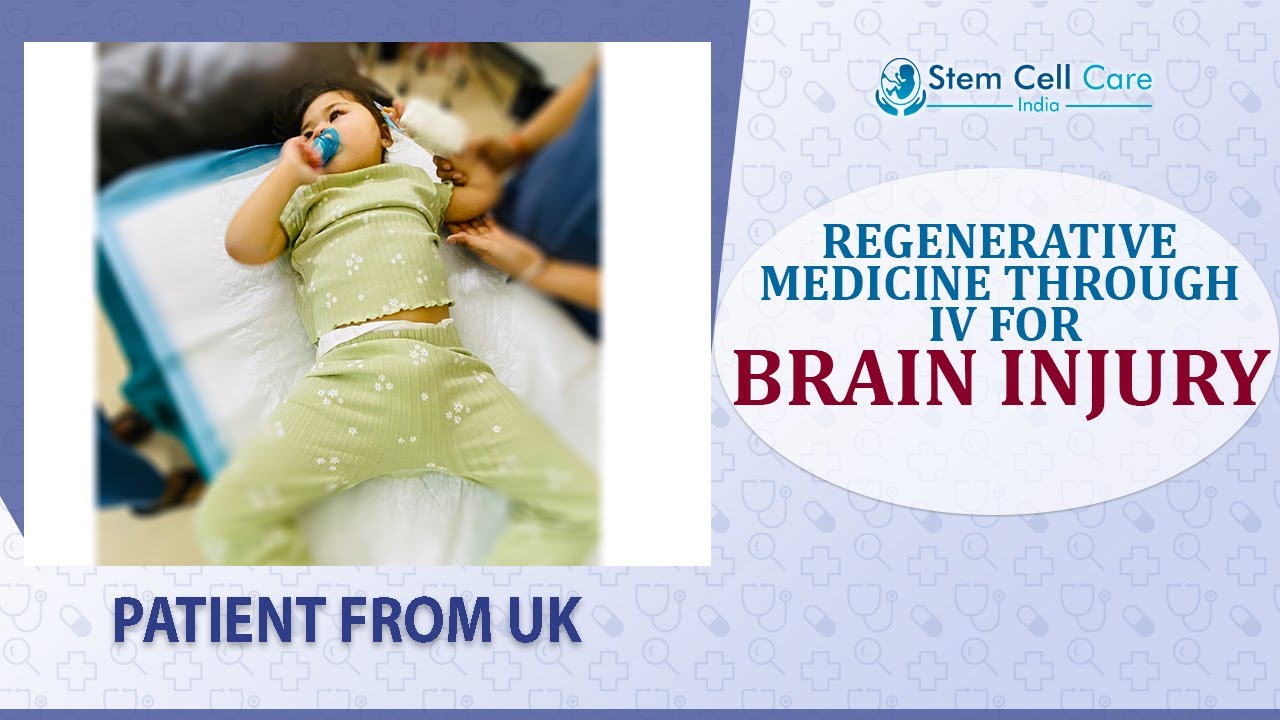
        The Patient from UK, Regenerative Medicine through IV infusion for Brain Injury ▶

        The Patient from UK, Regenerative Medicine through IV infusion for Brain Injury

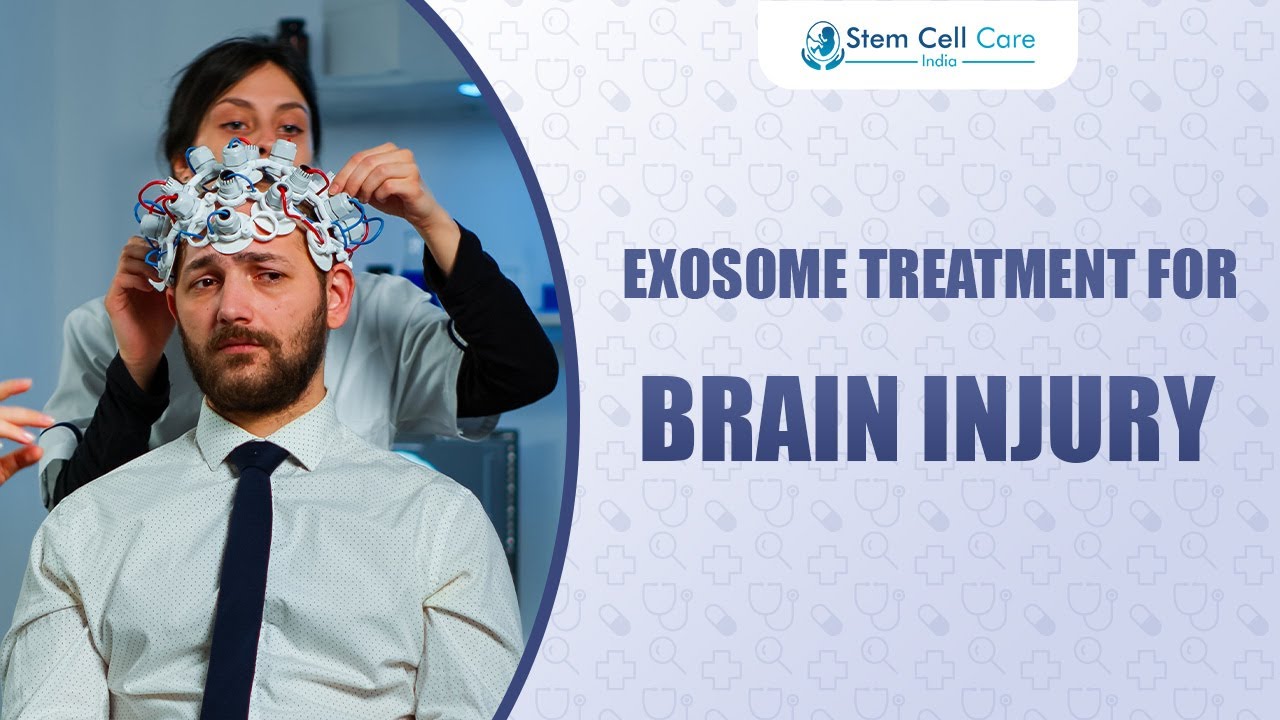
        Brain Injury Recovery with Exosomes: New Hope in Regenerative Medicine ▶

        Brain Injury Recovery with Exosomes: New Hope in Regenerative Medicine

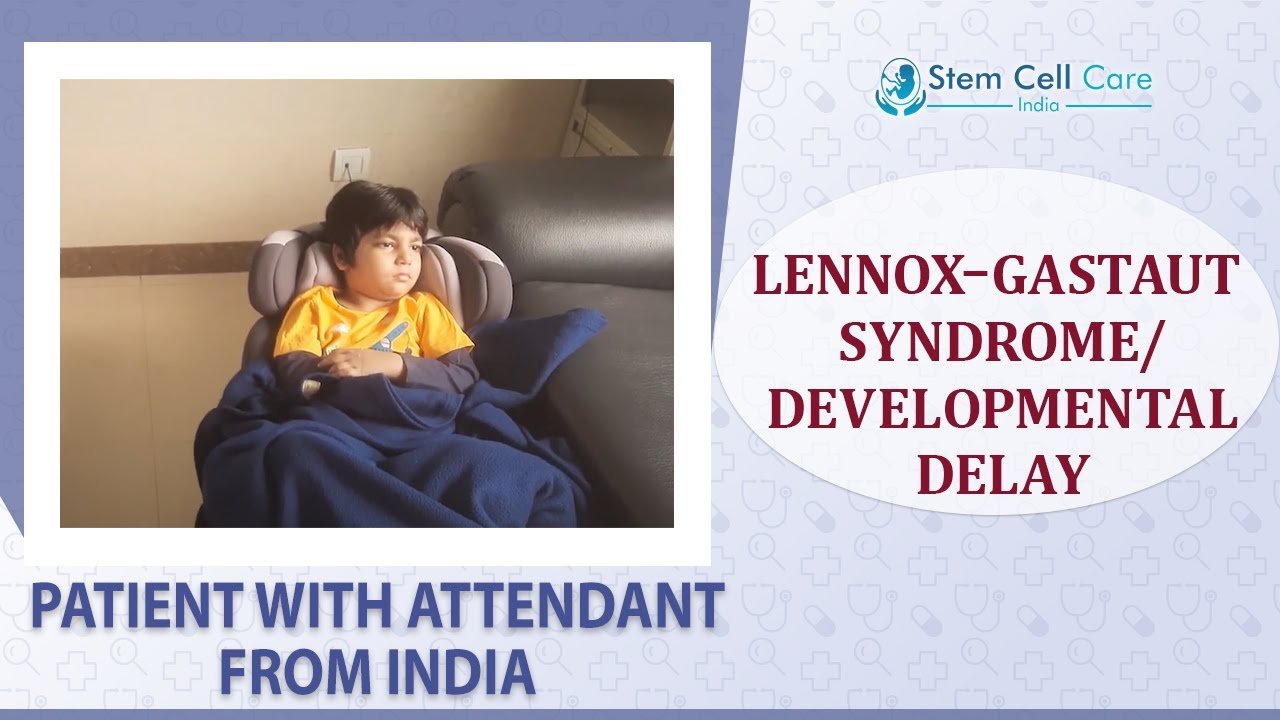
        Patient's father shares his experience after stem cell therapy for Developmental Delay treatment ▶

        Patient's father shares his experience after stem cell therapy for Developmental Delay treatment

        RECENT BLOG POST
        Stem cell

        Stem Cell Therapy for Knee Osteoarthritis: Procedure, Benefits & Recovery

        Stem Cell Care India 09 Jun 2026
        Regenerative Therapy

        Latest Research on Regenerative Therapy for Crohn’s Disease

        Stem Cell Care India 06 Jun 2026
        Stem Cells

        How Stem Cells Repair Damaged Organs: A Complete Guide

        Stem Cell Care India 04 Jun 2026
        Stem Cell Therapy

        How Stem Cell Therapy Works for Crohn’s Disease Patients

        Stem Cell Care India 25 May 2026
        GET IN TOUCH
        Read Sucess Stories Start Your Recovery Journey
        Stem Cell Treatment for Anti Aging in Delhi, India
        Stroke Stem Cell Treatment in Delhi, India

        Related Diseases

        Stem Cell Treatment for Intellectual Disabilities

        Stem Cell Treatment for Alcohol Related Liver Disease in India

        Other Disease
        Stem Cell Treatment for Syringomyelia

        Stem Cell Treatment for Syringomyelia

        Other Disease
        Stem Cell Treatment for Septo Optic Dysplasia 1

        Stem Cell Treatment for Septo Optic Dysplasia

        Other Disease
        Stem Cell Treatment for Psoriasis

        Stem Cell Treatment for Psoriasis

        Other Disease
        • Neurodisorders

        • ALS / MND Treatment
        • Parkinson Treatment
        • Cerebral Palsy Treatment
        • Muscular Dystrophy Treatment
        • Stem Cell Treatment for Alzheimer
        • Multiple Sclerosis Treatment
        • Stroke Treatment
        • Ataxia Treatment
        • Spinal Muscular Atrophy Treatment
        • Brain Injury Treatment
        • Other Disease

        • Ulcer Treatment
        • Skin Burns Treatment
        • Diabetic Foot Treatment
        • Skin Abrasions Treatment
        • Down Syndrome Treatment
        • Intellectual Disabilities Treatment
        • Organ Specific

        • Liver Damage Treatment
        • Kidney Disorder Treatment
        • Cardio Vascular Treatment
        • Burger’s Treatment
        • Lung Disease Treatment
        • Erectile Dysfunction Treatment
        • Orthopedics

        • Osteoarthritis Treatment
        • Fibromyaligia Treatment
        • Osteomalacia Treatment
        • Osteopenia Treatment
        • Osteoporosis Treatment
        • Rheumatoid Arthritis Treatment
        • Systemic Lupus Treatment
        • Spinal Cord Injuries Treatment
        • Sports Injuries Treatment
        • Ankylosing Spondylitis Treatment
        • Exosome Therapy in India
        • Aging & Longevity

        • Anti Aging Treatment
        • Hair Loss Treatment
        • Look Fit Treatment
        • Feel Fit Treatment

        More Info

        • Privacy Statement
        • Terms And Conditions
        • Bone Marrow Transplant
        • Our Blog
        • Testimonials
        • Stem Cell FAQ
        • Contact Us
        • Media
        • Advanced Cell Therapy
        • Stem Cell Therapy Protocol
        • SCCI Network
        • Informed Consent Information
        • Write Review For Us
        • Disclaimer
        • Eye Disorders

        • Optic Nerve Atrophy Treatment
        • Age Related Macular Degeneration Treatment
        • Retinopathy Treatment
        • Eye Injuries Treatment
        • Optic Neuropathy Treatment
        • Optic nerve hypoplasia Treatment
        • Retinitis Pigmentosa Treatment

        Reach Us

        viezec
        Stem Cell Care India
        info@stemcellcareindia.com
        H-23/ B Top Floor
        Abul Fazal Enclave, Part 1, Jamia Nagar
        New Delhi - 110025,  INDIA
        International Patient: + 91-8743024344
        Indian Patient: + 91-7838223336
        WhatsApp at + 91-8743024344

        © 2026 SCCI All rights reserved.

        DISCLAIMER: Please note that Stem Cell Care India is providing stem cell therapy after evaluating patient/disease specific condition only. As with any medical treatment, no guarantees or claims of cures are made from our side as to the extent of the response to treatment, this therapy may be or may not be an effective treatment for some. Results vary from patient to patient, even with a similar diagnosis, as the body’s internal status is unique to each individual patient. Because of this fact, we cannot offer, infer or suggest that there is any certainty of a given outcome. Stem cell treatments are not currently FDA-approved therapy. The data mentioned in our website are only for educational purpose and not to sell or promote stem cell therapy. We do not use embryonic or fetal cells in any of our treatments. As of now stem cell therapy is still in an experimental stage so insurance claim is not possible.

        logo

        Safe & Ethical Practices

        All therapies follow strict ethical guidelines.

        Expert Support

        Get guidance from our experienced team.

        Your Privacy Matters

        We protect your information with the highest standards.

        © 2026 SCCI All rights reserved.

        Disclaimer:

        This website is intended for informational and educational purposes only. By accessing this site, you acknowledge that Stem Cell Care India provides consultation, case evaluation, and patient support services in the field of regenerative medicine. Stem Cell Care India does not provide unapproved stem cell, exosome, or related therapies as standard treatment in India. As per current medical guidelines, most such approaches are considered investigational and are available only within regulated clinical research settings. The content on this website is not intended to replace professional medical advice, diagnosis, or treatment. Patients are strongly advised to consult qualified healthcare professionals and consider standard, approved treatment options. Any patient experiences, testimonials, or case discussions shared on this website are individual in nature and do not guarantee outcomes. Results, where applicable, may vary based on the patient's medical condition and individual health factors. References to therapies or developments are for awareness purposes only and should not be interpreted as promotion or offering of treatment. We do not make any claims regarding effectiveness or outcomes. Insurance coverage for investigational therapies may not be applicable.

        Ethical Care
        Patient First
        Secure & Confidential
        Compassionate Support
        • Call Now Phone Number
        • Whatsapp Us Whatsapp