Book Your Appointment


    International Patients : +91 8743024344,  Indian Patients : +91 7838223336
    Patient Reviews Bone Marrow Transplant
    Centre of Excellence
    ✕
    HomeHome
    • About Us
      • Overview
      • Our Team
      • Medical Tourism Company
      • Our Vision & Mission
      • Contact the board
      • Business Strategies
      • Standards and Certificates
      • Stem Cell Scientists & Laboratory Team
      • Opportunities
      • The Brand
      • Medical Team
      • Quality Commitment
      • Quality Control
      • Philosophy
      • International Patient Support Team
      • Contact Us
    • Science
      • Production of Stem Cells
      • How to Choose Right Cells
      • Boosting Stem Cell Therapy
      • Stem Cells
      • Stem Cell Therapy
      • Stem Cell Therapy Safety and Risks
      • Stem Cell Therapy Protocol
      • Platelet Rich Plasma
      • Success Rate of Stem Cell Therapy
      • MSCs
      • Mesenchymal Stem Cells & The Blood Brain Barrier
      • Stem Cells
        • Stem Cell Collection
        • Body’s Stem Cell Bank Account
        • Sources of Adult Stem Cells
        • Types of Stem Cells
        • Limitations of Stem Cell
      • About Stem Cells
      • Stem Cell Care India
      • How Does Stem Cell Therapy Work?
      • Stem Cell Processing
      • Totipotent and Pluripotent Stem Cells
      • Stem Cell Activators
      • Cell Regeneration Therapy
      • Functional Medical Therapies
    • Stem Cell Therapy
      • How Stem Cell Therapy Works
      • Type of Stem Cells
        • Embryonic Stem Cell Therapy Stem Cell
        • Induced Pluripotent Stem Cell
        • Bone Marrow Stem Cell
        • Umbilical Cord Tissue Stem Cell
        • Adipose Tissue Stem Cell
        • Umbilical Cord Blood Stem Cell
        • Stem Cell Therapy Limitations
      • Limitations of Stem Cell Treatment
      • FLOW CHART
      • Mesenchymal Stem Cell Therapy
      • Stem Cell Therapy Safety
      • Why India for Stem Cell
      • Stem Cell Treatment Advantages
      • Stem Cell Therapy Glossary
      • Stem Cell Treatment Awareness
      • Supportive Therapies
      • Why Mesenchymal Stem Cell
      • About your Condition
      • Stem Cell Treatment Procedure
      • Stem Cell Delivery Method
      • 5 Myths About Stem Cells
      • Adverse Effects of Stem Cell Therapy
      • Utilizing Placental Stromal Cells for Treatment
      • Stromal Vascular Fraction SVF Cells
      • Pricing of Stem Cell Treatment
      • Bone Marrow Derived Stem Cell Injections
      • Three-Pillar Regenerative Approach
      • Amniotic Derived Stem Cell Activator Injections
      • Umbilical Cord Stem Cell Therapy
      • Fat Derived Stem Cell Injections
      • Why Stem Cell Therapy Costs Vary
    • Immunotherapy
      • Immunotherapy for Kidney Cancer
      • Immunotherapy for Liver Cancer
      • Immunotherapy for Lung Cancer
      • Immunotherapy for Pancreas Cancer
      • Immunotherapy for Prostate Cancer
    • Exosome Therapy
      • Aging and Longevity
        • Exosome Treatment for Major Skin Abrasions
        • Exosome Treatment For Anti-Aging
        • Exosome Treatment For Feel Fit
        • Exosome Treatment For Hair Loss
        • Exosome treatment for Look Fit
        • Exosome treatment for Skin Burns
        • Exosome Treatment For Vitiligo
      • Neaurodisoder
        • Exosome Treatment For Cerebral Palsy
        • Exosome Treatment For ALS/MND
        • Exosome Treatment For Alzheimer’s Disease
        • Exosome Treatment For ATAXIA
        • Exosome Treatment For Brain Injury
        • Exosome Treatment For Intellectual Disabilities
        • Exosome Treatment For Multiple Sclerosis
        • Exosome Treatment For Muscular Dystrophy
        • Exosome Treatment For Diabetic Neuropathy
        • Exosome Treatment for Parkinson’s Disease
        • Exosome Treatment for Spinal Muscular Atrophy
        • Exosome Treatment For Stroke
      • Eye Disorder
        • Exosome Treatment for Age Related Macular Degeneration
        • Exosome Treatment For Eye Injuries
        • Exosome Treatment For Glaucoma Disease
        • Exosome Treatment For Optic Nerve Atrophy
        • Exosome Treatment For Optic Nerve Hypoplasia
        • Exosome Treatment For Optic Neuropathy
        • Exosome Treatment For Retinitis Pigmentosa
        • Exosome Treatment For Retinal Detachment
        • Exosome Treatment For Retinopathy
      • Organ Specific
        • Exosome Treatment For Buerger’s
        • Exosome Treatment For Cardiovascular
        • Exosome Treatment For Critical Limb Ischemia
        • Exosome Treatment For Erectile Dysfunction
        • Exosome Treatment For Kidney Disorder
        • Exosome Treatment For Liver Disease
        • Exosome Treatment For Lungs Disease
      • Infertility
        • Exosome Treatment For Female Infertility
        • Exosome Treatment For Male Infertility
      • Orthopedic
        • Exosome Treatment For Ankylosing Spondylitis
        • Exosome Treatment for Avascular Necrosis
        • Exosome Treatment For Degenerative Disc
        • Exosome Treatment For Fibromyalgia
        • Exosome Treatment For Osteoarthritis
        • Exosome Treatment For Osteomalacia
        • Exosome Treatment For Osteopenia
        • Exosome Treatment For Osteoporosis
        • Exosome Treatment For Rheumatoid Arthritis
        • Exosome Treatment For Sciatic Nerve Injury and Sciatica
        • Exosome Treatment For Shoulder Injury
        • Exosome Treatment For Spinal Cord Injury
        • Exosome Treatment For Sports Injuries
        • Exosome Treatment For Systemic Lupus
      • Other Disease
        • Exosome Treatment Diabetic Nephropathy
        • Exosome Treatment For Connective Tissue
        • Exosome Treatment For Diabetes
        • Exosome Treatment For Diabetic Foot Ulcer
        • Exosome Treatment For Diabetic Neuropathy
        • Exosome Treatment For Down Syndrome
        • Exosome Treatment For Pancreatitis
        • Exosome Treatment For Type1 Diabetes
        • Exosome Treatment For Type 2 Diabetes
        • Exosome Treatment For Wound
    • Supportive Therapy
      • Exosome Therapy in Delhi, India – Stem Cell Care India
      • Behavioral Therapy
      • Diet Counselling
      • Gene Therapy in India
      • Psychological Intervention Treatment India
      • Rehabilitation Therapy in India
      • Speech Therapy in India
      • Spinal Cord Injury Walking Track
      • Physiotherapy in India
      • Occupational Therapy in India
      • Hyperbaric Oxygen Therapy in India
      • Nutrition Therapy in India
      • Acupuncture Therapy in India
      • Epidural Stimulation Treatment in India
      • Nerve Growth Factor Treatment in India
      • Transcranial Magnetic Stimulation Therapy in India
      • Aqua Therapy in India
      • Natural Killer Cells
      • Cancer Using Dendritic Cells
      • Peripheral Blood Treatment
      • Platelet Rich Plasma
    • Diseases Treated
      • Neurological disorders
        • Neuropathy
        • Intellectual Disabilities
        • ALS/MND
        • Parkinson’s Disease
        • Cerebral Palsy
        • Muscular Dystrophy
        • Alzheimer’s disease
        • Brain Injury
        • Multiple Sclerosis
        • Stroke
        • Spinal Muscular Atrophy
        • ATAXIA
        • Global Developmental Delay
        • Encephalomyelitis
        • Encephalo Dysplasia
        • Viral Encephalitis
        • Syringomyelia
        • Hypoxic Ischemic Encephalopathy
        • Peripheral Neuropathy
      • Organ Specific
        • Obesity & Metabolic Syndrome
        • Myocardial Infarction Heart Attack
        • Ischemic Heart Disease
        • Congestive Heart Failure
        • Liver Disease
        • Kidney Disorder
        • Cardio Vascular
        • Lungs Disease (COPD)
        • Buerger’s Disease
        • Critical Limb Ischemia
        • Erectile Dysfunction
      • Eye Disorders
        • Optic Nerve Atrophy(ONA)
        • Age Related Macular Degeneration
        • Retinitis Pigmentosa
        • Optic Nerve Hypoplasia
        • Optic Neuropathy Stem Cell Treatment
        • Eye Injuries Stem Cell Treatment
        • Stem Cell Treatment for Retinopathy in Delhi, India
        • Glaucoma Disease
        • Retinal Detachment
        • Septo Optic Dysplasia
      • Orthopedic
        • Chronic Back Pain
        • Osteoarthritis
        • Fibromyaligia
        • Osteoporosis
        • Osteopenia
        • Osteomalacia
        • Systemic Lupus
        • Spinal Cord
        • Rheumatoid Arthritis
        • Sports Injuries
        • Ankylosing Spondylitis
        • Avascular Necrosis
        • Degenerative Disk
        • Sciatic Nerve Injury & Sciatica
        • Shoulder Injuries
        • Cartilage Repair
      • Aging & Longevity
        • Vitiligo
        • Anti- Aging
        • Look Fit
        • Hair Loss
        • Skin Burns
        • Major Skin Abrasions
        • Feel Fit
        • Body Performance
        • Supportive Care
      • Diabetes
        • Type 1 Diabetes
        • Type 2 Diabetes
        • Diabetic Foot Ulcers
        • Diabetic Nephropathy
        • Diabetic Neuropathy
      • Other Disease
        • Alcohol Related Liver Disease
        • Chronic Pancreatitis
        • Hashimoto’s Disease
        • Sjogren’s Syndrome
        • Down Syndrome
        • Wound
        • Connective Tissue
        • Pancreatitis
        • Ulcerative Colitis
        • Psoriasis
        • Inflammatory Bowel Disease
        • Sensorineural
        • Crohn’s Disease
      • INFERTILITY
        • Female Infertility
        • Male Infertility
        • Peyronie’s Disease
    • Patient Guide
      • Country Specific Services
        • Africa Services
        • Asia Services
        • Europe Services
        • North America Services
        • South America Services
        • Oceania / Australia Services
      • International Patient Facilities
        • Get Expert Opinion
        • Plan Your Visit
        • Contact Us
        • Facilities
        • Alliance Partners
        • Become Our Partner
        • Virtual Tours
        • Accommodation Services
        • Post Treatment Care
        • Medical Visa Process
        • Immigration Services
        • FAQ
        • FLOW CHART
        • Indian Embassies
      • Domestic Patients
        • Facilities
        • Expat Services
        • Get Expert Opinion
        • Accommodation
        • Virtual Tours
        • Contact Us
        • Allian Patients
        • Plan Your Visit
        • Testimonials
        • FAQ
      • Patient Care & Services
        • Admission Process
        • Free Services
        • Guidelines for Visitors
        • How We Will Help You
        • Patient and Attendant Responsibilities
        • Patient and Attendant Rights
        • Quality Standards & Patient Safety
        • Interpretation Services
        • Discharge Process
        • Patient Safety
        • The Indian Choice
        • Translation
      • Nutritional Counseling
      • Indian Travel Help Desk
      • Patient Information Form
      • Patient Diets
      • Testimonials
      • Media
      • Contact Us
    • FAQ
      • VIP Treatment
      • Production of Stem Cells
      • Pricing
      • Safety and Guarantees
      • Enrolment Step
      • Disease and Therapy FAQ’s
      • Client Care & Travel Support
      • Stem Cell Therapy Services & Procedures
    Schedule An AppointmentClick Here
    phone-icon
    Quick EnquiryClick Now
    doctor-icon
    Contact UsIt's so fast
    phone-icon
    Live Tele ConsultationsSchedule It For Free

    Stem Cell Treatment for Muscular Dystrophy in Delhi, India

    • Home
    • >
    • Stem Cell Treatment for Muscular Dystrophy in Delhi, India
    Published on: June 27, 2016
    |
    Updated on: March 27, 2026
    |
    By: Stem Cell Care India
    Stem Cell Treatment for Muscular Dystrophy in Delhi, India
    Key Takeaways

    How Stem Cells Help in Neurodisorders

    1. Repair Damaged Nerve Tissue

    Neurodisorders happen when nerve cells get damaged or stop working well. Stem cell therapy supports the body by replacing injured cells with healthier ones. These cells have strong regenerative power. They help restore lost functions slowly and safely. This procedure supports long-term healing. It also encourages the brain and nerves to repair themselves better.

    2. Reduce Inflammation & Protect Nerves

    Therapy reduces inflammation in the nervous system. Chronic inflammation makes many Neurodisorders worse. It interrupts communication between nerves and slows recovery. Stem cells release healing signals that calm inflammation. This helps protect nerve function. It also stops further damage. It also helps to reduce inflammation and make symptoms easier to manage. It improves comfort and mobility over time.

    3. Support Nerve Connections & Communication

    Stem cells support healthier nerve connections. Many neurodisorders disrupt how nerves talk to each other. Stem cell therapy supports the rebuilding of neural ways. It improves communication signals in the brain and body. Better connections support balance, movement, and memory. This leads to steadier progress in recovery. It also improves overall daily function.

    4. Slow Disease Progression & Improve Quality of Life

    Treatment may slow disease progression effectively. Neurodisorders usually worsen with time. Stem cells may slow this progression. They protect nerve cells from rapid decline. They strengthen weak areas of the nervous system. This helps preserve abilities for longer. It also supports a better quality of life. Many patients feel more stable after treatment.

    GET IN TOUCH
    Get Free Medical Evaluation → Upload Medical Reports →

    Contrary to what some may think, Neurological Stem Cell Therapy isn't a sole treatment for a single kind of disease. Nor are neurological syndromes restricted only to the brain. A neurological disease is a disorder or complaint that affects any portion of the body's nervous system. These can consist of the elementary physical structure, biochemistry or electrical functioning of the brain, the spinal cord, or any nerves connected to them. The neurological stem cell therapy treatments at Stem Cell Care India concentrates on isolating and intensifying the patient's own adult Neural Stem Cells from each area that is to be involved in treatment.

    Common symptoms include muscle weakness, tremors, seizures, paralysis, muscular complications, trouble with coordination, losing physical sensations, confusion, pain, or shifts in one's sense of cognizance. Each region of the brain and spinal cord has its own specialty cells. Symptoms vary widely depending on the specific disorder and the areas of the nervous system affected.

    We treat many neurological conditions including Neuropathy, Intellectual Disabilities, ALS/MND Disease, Parkinson's Disease, Cerebral Palsy, Muscular Dystrophy, Alzheimer's Disease, Brain Injury, Multiple Sclerosis, Stroke Disease, Spinal Muscular Atrophy, Ataxia Disease, Peripheral Neuropathy, Encephalomyelitis, Encephalo Dysplasia, Viral Encephalitis, and Syringomyelia Disease.

    Neurological disorders can result from genetic mutations, traumatic injuries, autoimmune responses, vascular diseases, infections, nutritional deficiencies, environmental factors, or progressive degenerative processes. Our specialists assess each patient's unique etiology before designing a personalised treatment plan.

    Diagnosis typically involves neurological examination, MRI/CT imaging, EEG, genetic testing, and cerebrospinal fluid analysis. Our team reviews all diagnostics to determine stem cell therapy candidacy and to design the optimal treatment protocol for each individual patient.

    Our stem cell therapy utilises mesenchymal stem cells (MSCs) and Neural Stem Cells sourced from the patient's own tissue and from Wharton's Jelly umbilical cord tissue. These cells are chosen for their superior regenerative, anti-inflammatory, and immunomodulatory properties.

    The procedure involves a 2–3 week protocol including pre-treatment evaluation, stem cell infusion via intravenous and intrathecal routes, complementary physiotherapy sessions, and ongoing follow-up monitoring. The process is minimally invasive with no major surgery required.

    Stem cells are delivered via lumbar puncture (intrathecal injection) directly into the cerebrospinal fluid, and/or intravenously. This allows cells to travel through the body and home to sites of injury. The choice of delivery method depends on the specific neurological condition being treated.

    Once implanted, stem cells secrete neurotrophic growth factors, reduce oxidative stress, modulate immune responses, and migrate to injured sites. They promote neuroplasticity, support the regrowth of damaged neural networks, and create an optimal environment for recovery over several months following treatment.

    Our Testimonials

    Popular Searches

    • Stem Cell Treatment for Neurodisorder
    • Stem Cell Therapy for Neurodisorder in India
    • Cost of Stem Cell Therapy for Neurodisorder in India
    • Affordable Stem Cell Therapy for Neurodisorder in India
    • Low Cost Stem Cell Treatment for Neurodisorder in India
    • Stem cell treatment for Neurodisorder in Delhi
    • Stem cell Hospital for Neurodisorder in Delhi
    • Stem cell Hospital for Neurodisorder in India
    💬
    Ask Your Query We're here to help you
    Ask Now ›

      Exosome Therapy
      Testimonial Video
      Latest Blog

      Key Takeaways

      • 01 Treatment Approach: Stem cell therapy for muscular dystrophy in India uses regenerative cells. These cells help slow muscle damage and improve body movement.
      • 02 Patient Benefit Reports: Many patients notice stronger muscles and better movement control after the treatment. Some also experience less muscle loss and improved daily mobility.
      • 03 Research and Evidence Status: The therapy is still in the experimental stage. More research and long-term studies are required for stronger evidence.
      • 04 Cost and Access in India: Stem cell treatment in India is more affordable and widely available. This makes India a popular destination for patients from other countries.
      • 05 Risks and Patient Guidance:
        Patients should visit only certified and trusted treatment centres. They must understand possible risks like infection or immune reaction. It is also important to take standard care should continue along with stem cell therapy.
      • Overview
      • Symptoms
      • Types
      • Causes
      • Diagnosis
      • Treatment
      • Procedure
      • Implantations
      • FAQ's
      • Improvements
      • Mechanism
      • Promise
      • Cost
      • Success Rate
      • Advantages
      • Treatment Results
      • Testimonials
      • Quality Control
      • Follow-Up
      • Related Disorders
      • Trеatmеnt Disclaimеr
      • Country Specific
      • Supportive Therapy

      Overview

      Dystrophy stands for a group of inherited diseases in which the voluntary muscles progressively weaken. In some forms of this disease, the heart and other organs are also affected. There are 9 types of muscular dystrophy:

      • Myotonic
      • Duchenne
      • Becker
      • Limb-girdle
      • Facioscapulohumeral
      • Congenital
      • Oculopharyngeal
      • Distal
      • Emery-Dreifuss

      In Dystrophy, a particular part of the body weakens or wastes away. In muscular dystrophy, the weakness affects the muscles. An inherited genetic mistake prevents the body from making a protein that helps build muscles and keep them strong. Children who are born with muscular dystrophy usually develop normally in the first few years of life. They may suddenly show signs of clumsiness. These signs include:

      • Trouble walking
      • Difficulty raising the front of their foot (called foot drop)
      • Falling

      Over the years, children with muscular dystrophy can become weaker and weaker, walk, losing the ability to sit, and lifting objects. The disease can also affect muscles in the heart and lungs, serious heart and breathing problems can also occur. There are different types of muscular dystrophy. Muscle weakness is a trademark of each type. But the symptoms can differ and start at different ages. Some muscular dystrophies are gentle. Others are extreme and cause superior muscle loss. StemCellCareIndia provides effective stem cell muscular dystrophy treatment in Delhi, India.

      Do you know about Muscular Dystrophy?

      Muscular dystrophies are a category of inherited and genetic muscle disorders characterised by skeletal muscle fatigue that worsens over time. The death of muscle cells and tissues is normally caused by a mutation or deficit in important muscle proteins. Any forms of muscular dystrophy may affect cardiac and smooth muscle. The following are the most common forms of muscular dystrophy:

      • Becker’s muscular dystrophy (BMD) is a form of muscular dystrophy that normally manifests in adolescence.
      • Congenital muscular dystrophy (CMD) is a form of muscular dystrophy that appears at birth.
      • Distal muscular dystrophy is a form of muscular dystrophy that affects the
      • Duchenne muscular dystrophy (DMD) is a form of muscular dystrophy that (DMD)
      • Emery-Dreifuss muscular dystrophy is a form of muscular dystrophy (EDMD)
      • Facioscapulohumeral dystrophy is a form of facioscapulohumeral dystrophy (FSHD)
      • Fukuyama congenital muscular dystrophy is a form of congenital muscular dystrophy (FCMD)
      • Limb-girdle muscular dystrophy is a form of muscular dystrophy that affects the limbs (LGMD)
      • Myotonic muscular dystrophy (MMD) is a type of muscular dystrophy that affect
      • Oculopharyngeal muscular dystrophy is a form of muscular dystrophy that affects the eyes, mouth, and
      • Autosomal recessive muscular dystrophy (ARMD) is a severe autosomal recessive muscular dystrophy that affects children.

      Statistical data

      The most prevalent form of inherited disorder is muscular dystrophies. Duchenne muscular dystrophy is the most common form of muscular dystrophy, followed by facioscapulohumeral and myotonic dystrophy. The below is a rough estimate of the incidence:

      • 1 in 3300 live male births has DMD.
      • 1 in every 18000 live male births, according to BMD
      • 1 in 10,000 births has congenital myotonic dystrophy.
      • 1 in 20,000 people have FSFHD. Males are afflicted rather than females. Muscular dystrophy may manifest itself at any age, from birth to puberty, depending on the form.

      Symptoms

      In muscular dystrophy, the weakness is in the muscles. A genetic abnormality prevents the body from making a protein that helps build muscles and keep them strong. Different forms of muscular dystrophy will have different symptoms, however, some of the common signs are:

      • Difficulty standing
      • Difficulty rising from a lying or sitting position
      • Trouble breathing
      • Trouble learning to sit independently and walk
      • Muscle weakness that begins in the hips, pelvis, and legs
      • Clumsiness, falling often
      • Trouble climbing stairs
      • Unsteady, waddling gait
      • Larger-than-normal calves that is sometimes painful
      • Breathing problems that may eventually require the use of a ventilator
      • Walking on the toes or balls of the feet
      • Learning disabilities or behavioral problems
      • Vision problems
      • Difficulty speaking and swallowing
      • Partial paralysis

      Curvature of the spine (scoliosis) causing one hip to rise higher than the other.

      Types

      There are more than 30 types of muscular dystrophy. Some of the common types of muscular dystrophy are given below:

      Duchenne muscular dystrophy (DMD): The most prevalent kind of muscular dystrophy is called Duchenne muscular dystrophy (DMD). Children assigned female at birth (AFAB) may potentially have a weaker form of it. It mostly affects children assigned to males at birth (AMAB). Your heart and lungs are affected by DMD as it worsens.

      Becker Muscular Dystrophy (BMD): The second most prevalent kind of muscular dystrophy is called Becker muscular dystrophy (BMD). The illness mostly affects AMAB individuals, while AFAB individuals may experience lesser symptoms. Though they can start at any age between 5 and 60, BMD symptoms usually start in adolescence. Each person has a BMD to a different degree.

      Myotonic Dystrophy: The most prevalent kind of muscular dystrophy to be diagnosed in adults is myotonic dystrophy. Adults AMAB and AFAB are similarly affected. Myotonic dystrophy patients have trouble unwinding their muscles after utilizing them. In addition to affecting the heart and lungs, the illness can lead to endocrine problems including diabetes and thyroid disease.

      Congenital Muscular Dystrophies (CMD): The term “congenital” refers to a class of muscular dystrophies that manifest at or close to birth (“present from birth”). Overall muscular weakness and potential joint stiffness or looseness are symptoms of CMD. Depending on the kind, CMD may also include respiratory problems, cerebral or learning difficulties, seizures, visual problems, or spinal curvature (scoliosis).

      Distal Muscular Dystrophy: This kind of impacts the lower limbs, hands, feet, and legs. People in their 40s and 60s are usually the ones affected.

      Emery-Dreifuss Muscular Dystrophy (EDMD): The majority of patients with Emery-Dreifuss muscular dystrophy (EDMD) are children and young people with AMAB. Muscle weakness usually occurs in the shins, upper arms, and shoulders. Your heart is also impacted by EDMD. Usually, the illness advances slowly.

      Facioscapulohumeral Muscular Dystrophy (FSHD): Muscles in your face, shoulders, and upper arms are most frequently affected by facioscapulohumeral muscular dystrophy (FSHD). Usually, symptoms start to show up before age 20. In the United States, 4 out of every 100,000 persons had this kind.

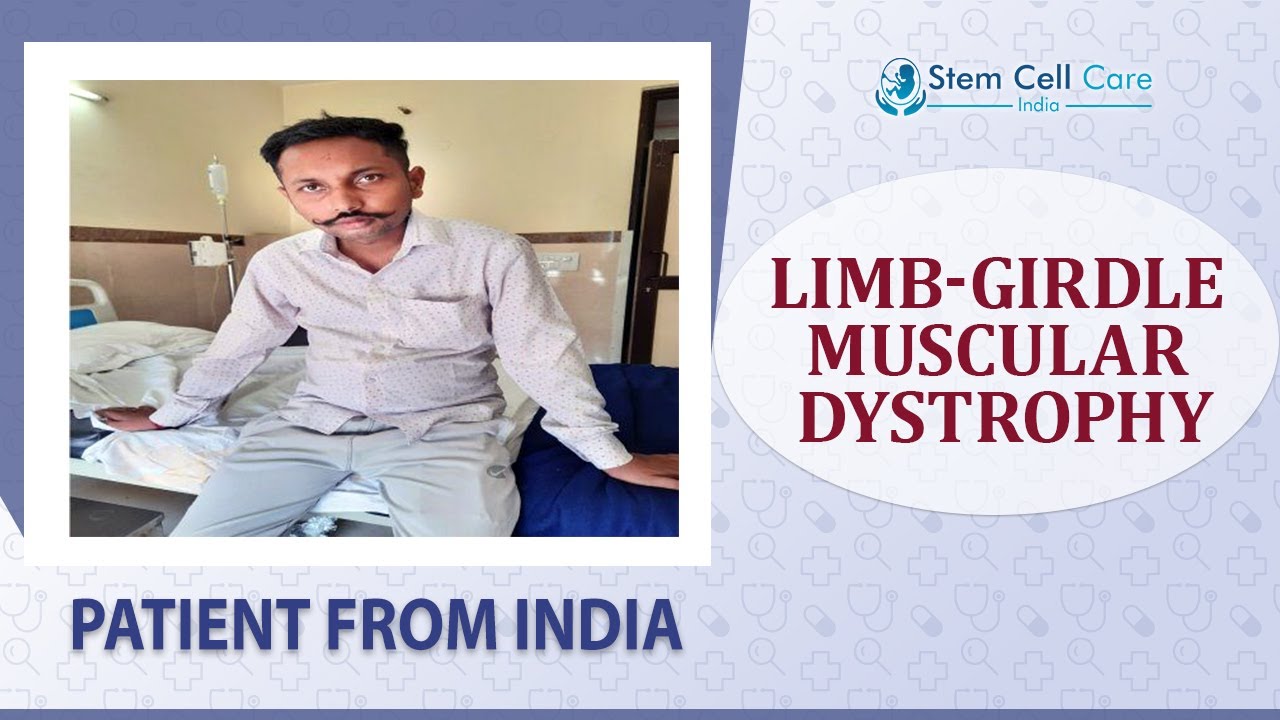
      Limb-Girdle Muscular Dystrophy (LGMD): LGMD, or limb-girdle muscular dystrophy, affects the muscles in your hips, shoulders, upper legs, and upper arms. Individuals of various ages are impacted. In the United States, 2 persons per 100,000 have LGMD.

      Oculopharyngeal Muscular Dystrophy (OPMD): Oculopharyngeal muscular dystrophy diminishes the strength of the muscles in your neck and eyelids. In your 40s or 50s, symptoms like drooping eyelids (ptosis) and trouble swallowing (dysphagia) frequently manifest. One in 100,000 persons suffers from OPMD.

      Causes

      Muscular​‍​‌‍​‍‌​‍​‌‍​‍‌ dystrophy arises as a result of genetic and external factors that influence the development and regeneration of muscles. The sources mainly revolve around gene changes that code for proteins that support muscles. The changes in the genes can both be inherited and acquired. The main causes of the disease are described below in simple terms:

      1. Inheritable mutations

      One of the leading causes of the disease is inheritable mutations in genes regulating muscle structure and function. The defective genes can be inherited from one or both parents. If the gene fails to perform its function, muscle cells gradually get weaker and the ability of the cells to self-repair after normal usage is lost, so muscle wasting sets in.

      1. X-linked heritage

      Muscular dystrophy types that are linked to mutations of the gene located on the X chromosome. Males tend to be affected as they have only one X chromosome, and if the gene is defective they will be symptomatic. Females, on the other hand, with two X chromosomes, can be a carrier of the gene without symptoms, but they may still pass it on to their children.

      1. Autosomal recessive heritage

      The scenarios where this disease shows up in a child that got a defective gene from each parent and only then will the condition manifest are examples of autosomal recessive heritage. These parents are both carriers and have no symptoms themselves. The muscles cannot make the needed amount of proteins when both defective genes are present, which causes the muscles to become weak and degenerate.

      1. Robotic mutations

      There are times when mutations come about in a person who has no history of the disease in the family. Such new or “robotic” mutations take place in the formation of sperm or egg cells or very early in the baby’s development. They are not passed down genetically but can be passed down to the next generation.

      1. Age-related mutations

      With age, cells in the body gradually get worn out. Sometimes new mutations in muscle-related genes due to aging can be identified. That can limit the muscle’s ability to regenerate, leading to the late-onset varieties of the disease.

      1. Environmental factors

      Even though genetic causes are the major ones, the condition can be exacerbated or triggered by some environmental factors. The exposure to toxins, poor nutrition, and viral infections can affect gene expression and impair muscle function even ​‍​‌‍​‍‌​‍​‌‍​‍‌more.

      Diagnosis

      Age-Related Muscular Degeneration (AMD) is actually a disease that does not show any signs or symptoms at early stage, which unfortunately makes it hard for people to diagnose themselves and treat it as soon as possible. Annual eye examinations with your eye healthcare provider are the only solution in this case, by its help, you will be able to catch the disease at its earliest stages prior to symptom development, enabling you to start treatments as early as possible. These annual examinations can include the following test:

      • Visual field test: This test screens your eye for its range, blind spots and sensitivity.
      • Dilated eye exam: In this test, eye drops are used to dilate or widen, the pupils. After this dilatation process is complete, a specific lens called an ophthalmoscope is used by the doctor to look inside various areas of your eyes including the back of your eyeball (retina) more clearly.
      • Fluorescein angiography: Your doctor puts a yellow dye into your arm called fluorescein. The dye travels through your blood vessels, and then a camera takes pictures that shows any leaks under the macula.
      • Optical coherence tomography (OCT): Optical coherence tomography isn’t invasive or painful. You simply look into a lens while it helps take pictures of the back of your eye, including the retina and macula which could then be analysed by doctors to better understand your eye’s condition.

      Treatment

      How Stem Cell Therapy for Muscular Dystrophy works?

      Latest researches have revealed that MSCs can help repair and renew nerve cells, improving symptoms and prolonging lives. Steroids and other disease modifying drugs cannot cover all the symptoms and are aimed to manage only specific symptoms. Again, the concern of critical side effects of drugs is also there. With MSC treatment, there is no such concern.

      1. Rebuilding and Replacing Muscle Fibers

      Stem cells have the ability to change into other cells naturally. In muscular dystrophy, they have the ability to change into healthy muscle cells. They replace weak or damaged muscle fibers with new cells, restoring muscle function and strength in the long run.


      1. Facilitating Muscle Regeneration

      Stem cells release certain growth factors that activate the body’s own muscle stem cells to work. This action helps to repair minute damage in the muscle, triggering extra recovery and endurance.


      1. Reduction of Inflammation in Muscles

      Muscular dystrophy has the implication of causing chronic inflammation. Stem cells suppress the immune system and cut down on this unwanted reaction. By suppressing inflammation, they avoid further damage to muscles and decelerate the progression of the disease.


      1. Slowing Scar Tissue (Fibrosis)

      Damaged muscles in dystrophy are usually replaced by stiff scar tissue that prevents movement. Stem cells retard the scarring process, keeping muscles pliable and functional.


      1. Enhancing the Circulation of Blood to Muscles

      Stem cells promote the creation of new blood vessels. Increased blood flow provides a consistent supply of oxygen and nutrients to ensure the survival and optimal function of muscles.


      1. Preventing Muscle Cell Death

      Stem cells protect current muscle cells from early death. Such conservation prevents loss of strength in muscles and delays the advancement of symptoms.

      Procedure

      Day 1-

      • Pick up from the Airport to the Hospital
      • Interaction between Dr and Patient, to clear all their doubts at that time
      • Admission procedure
      • Clinical examination & Lab test will be done prescribed by the doctor
      • Supportive Therapy

      Day 2-

      • Stem cell Procedure
      • Supportive therapies
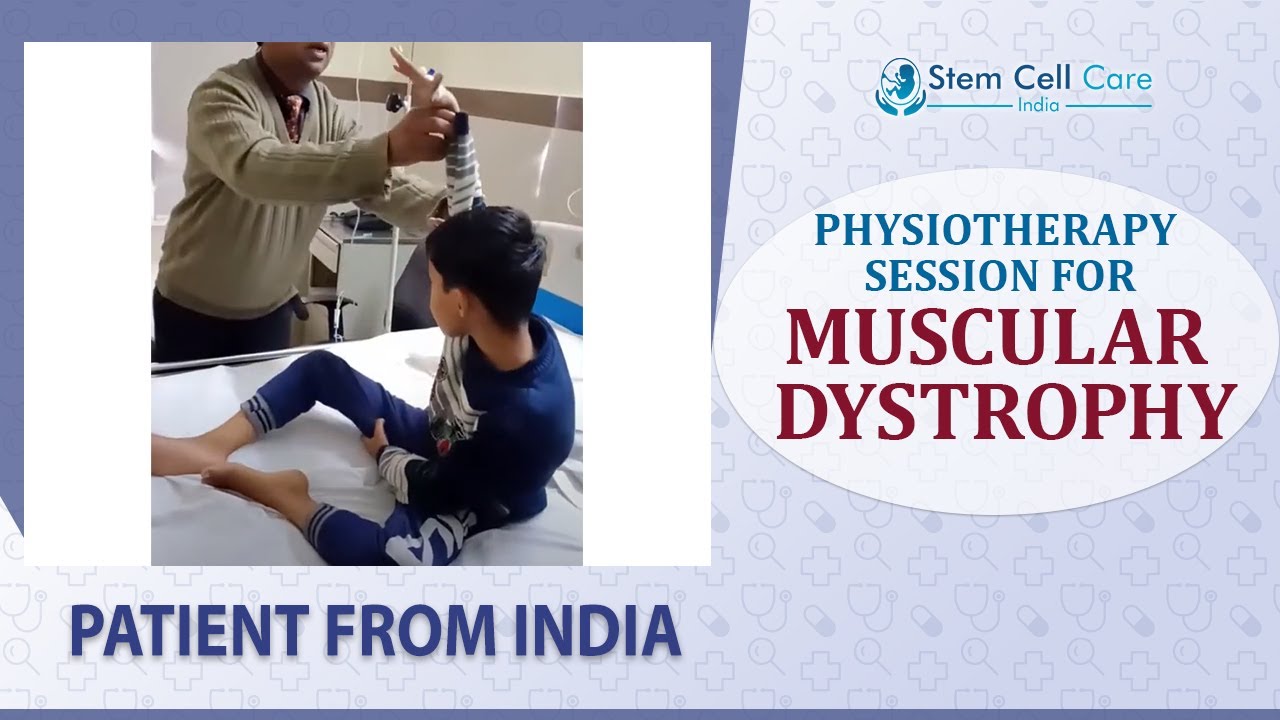
      • Physiotherapy

      Day 3-

      • Supportive Therapy
      • Physiotherapy
      • Discharging formalities
      • Drop back to the Airport

      Note:

      • For Admission, carry the identity card (Passport/ Pan Card / Driving License)
      • Carry the hard copy of Patient reports

      Implantations

      Muscular dystrophy is a group of disorders characterized by degeneration of skeletal muscles, hence the name. These diseases are all associated with the defective gene known as Dystrophin, which creates an adverse effect on the production of muscle proteins and subsequently leads to progressive damage to muscle cells and tissue. There are nine different types of muscular dystrophies but they are all multi-system disorders that have many symptoms affecting many of your body’s systems such as the cardiovascular system, gastrointestinal system, and nervous system among others.

      As a result, children with muscular dystrophy usually succumb to paralysis and ultimately die in their early twenties because of respiratory failure and cardiac complications. In most cases, the symptoms are apparent at an early age by the time children are three or four years old when they have trouble walking and controlling their muscles.

      Types Of Stem Cells Implantation

      Stem ​‌‍​‍‌​‍​‌‍​‍‌cell therapy through various implantation methods brings new possibilities to improve muscle strength and function. The main purpose is to bring stem cells to the damaged tissues in a way that they can do the repairing and regenerating of the muscle fibers. Depending on a patient’s condition, the type of stem cells used, and the therapeutic effect desired, different routes of stem cell delivery can be utilized. Here are the commonly used methods of stem cell implantation:

      • Intravenous Administration: It is the least invasive and simple method. Stem cells are introduced into a vein, from where they actively travel throughout the body via the bloodstream and naturally find the places of injury. However, due to the fact that some cells might be taken up by other organs such as the lungs or liver, only a limited number of cells are able to reach the muscles.
      • Liberation Angioplasty: Before stem cells are delivered this way, the goal of this method is to facilitate blood flow. Opening the narrowed veins with the help of a small balloon may not only allow more cells to reach tissues that need repair but also it can provide oxygen in the areas where cells have been implanted and assist in muscle recovery if done simultaneously with stem cell infusion.
      • Intrathecal (Lumbar Puncture): This method involves delivering stem cells into the fluid surrounding the brain and spinal cord through the lower part of the back. It facilitates them coming to the central nervous system. This path is generally chosen when the nerve or spinal parts are most likely to be the reasons for the loss of muscle control and strength.
      • Intraarterial Injection: With this method, stem cells are induced directly into arteries that provide blood to the muscles that are diseased. Compared to intravenous procedures, this gives a patient a much more precise and targeted treatment as less dilution of the cells occurs and few cells are lost en route to the eventual site.
      • Subcutaneous Injection: The technology here is one where stem cells go under the skin. It is a minor intervention technique generally employed as a means of local delivery or adjunctive therapy. From their implantation place in the vicinity, stem cells slowly but surely can migrate to the tissues that are close and that need to be healed.
      • Intramuscular Injection: It is the most direct and efficient method among the others. Through this, stem cells get into the badly functioning muscles which then encourages the local regeneration and repair. In other words, the procedure is helpful in the rebuilding of muscle structures, and the patient can see the functional improvement more ​‍​‌‍​‍‌​‍​‌‍​‍‌accurately.

      FAQ's

      What is inherited disorder and may stem cells help?

      MD’s are a gaggle of disorders characterized by hereditary defects in the muscle super molecule, death of muscular cells and muscular weakness.  Mutations in the genes, concerned in muscular membrane structure and performance may welcome the deformity. In theory, if stem cells treatment for muscular dystrophy is opted then you will notice that stem cells manufacture traditional muscle cells that are non-practical as a result of the faulty genes. Some quite stimulations may be useful to multiply residential stem cells and differentiate on their own to muscle cells.

      What are the various stem cells which will supply facilitate for MD?

      Stem cell treatment for Muscular Dystrophy in India is of various sorts starting from allogeneic Mesenchymal stem cells, funiculus blood derived stem cells, autologous bone marrow and fat derived stem cells, etc. However, out of those, autologous mode of vegetative cell transplantation is thought to be the foremost helpful as body’s own cells are used they do not impose any threat of rejection of infection.

      How many numbers of stem cells injections are needed to treat MD?

      Stem cell injection will begin showing leads to one injection itself, though it’s troublesome to interpret as a result of the therapeutic effectivity of this treatment depends upon the patient’s condition relying upon the uptake of stem cells, severity of the unwellness and age of the patient.

      Does the endocrine drug medical aid used as a traditional means of treating MD is useful?

      Rehabilitation in terms of workout is critical, but strenuous means of exercise ought to be avoided. Considering endocrine medical aid, it’s continuously been established to be medically subjective and restricted in usage and thus their future use are avoided. The basic goal of steroids is to scale back inflammation throughout the inherited disorder. However, their future usage will have an effect on the overall good condition of the patient.

      What are the probabilities that a patient can begin walking after stem cells treatment?

      Stem cells isolated from autologous tissue sources in conjunction with inhibitor stimulation will improve the muscular strength by making better muscle cells. The event has been ascertained in numerous clinical trials, but the results could vary from person to person. Stem cell muscular dystrophy hospital helps provide best possible treatment for the underlying disease.

      In my family if my elder brother has doctor’s degree, what are the probabilities of my son obtaining affected with constant and can stem cells injection may be associate degree option?

      There exists five hundredth probabilities of doctor’s degree deformities in your younger son. However, it’s to be confirmed by molecular nosology and different tests. The stem cells medical aid will work higher in younger patients than older one. The sooner you’ll undergo the treatment, you’ll recover outcomes.

      How will stem cells be helpful to treat?

      Undifferentiated adult autologous stem cells are changeable and may Metamorph into unnumbered numbers of cells as per the necessity. This exceptional property of stem cells may be exploited for treating a range of diseases. These cells may be isolated from the foremost potent sources of our own body referred to as animal tissue and Bone Marrow. Upon implanting into the body, these cells will apace multiply with bigger speed to push regeneration of muscular cells, to help management over your mood swings, to enhance the good condition and overall quality. To boot the stimulation, medical aid may be applied, whereby the organ is aroused to multiply resident stem cells and secrete growth factors to form micro environment. This treatment can act as a booster to push the regeneration.

      Why is vegetative cell treatment higher than standard treatment approach?

      Conventional treatment approach is extremely invasive related to several facet effects. Though stem cells are sure to naturally heal the body from injury and regenerate the lost tissue specific cells to enhance impaired functions. To boot, since body’s own cells are used for repairing, the whole treatment is minimally invasive with none facet effects.

      How do I do know if I’m the correct candidate for the vegetative cell treatment?

      There are several necessary problems to be addressed before choosing the stem cell muscular dystrophy treatment, which might satisfactorily answered solely by specialists. Thus, it’s continuously wise to consult, and want the correct vegetative cell treatment pattern.

      Who can get stem cell therapy for muscular dystrophy?

      Patients with mild or moderate symptoms are usually suitable. Doctors check health history and muscle condition before recommending therapy. It is important to get a full medical evaluation first.

      How soon do results appear after stem cell therapy?

      Results vary from person to person. Some notice small changes in a few months. Others may take longer, depending on body response and treatment plan.

      Can stem cell therapy cure multiple sclerosis completely?

      No, it cannot completely cure MS right now. It may slow the disease and improve symptoms. Results depend on the person’s condition and response to therapy.

      Can stem cell therapy fully cure muscular dystrophy today?

      No, it cannot cure the disease completely. However, it helps slow muscle loss and improve movement. Patients often gain better strength and energy for daily tasks.

      Improvements

      • Improvement​‍​‌‍​‍‌​‍​‌‍​‍‌ of Muscle Strength: As tissue damage is mended and the old cells are replaced by the new, many patients observe that their muscles become stronger. This, in turn, makes the performance of the daily tasks more comfortable.
      • Enhancement of Gait and Mobility: The treatment leads to the improvement of muscle control and coordination, patients become more stable in walking and are able to move to a greater extent of freedom.
      • Fall Risk Reduction: With better muscle tone and coordination, the risk of tripping and falling is significantly decreased, the patients get more self-assurance and feel that they are able to live independently.
      • Reduced Creatine Kinase Levels: The stem cell therapy that led to less muscle damage is followed by lowering the levels of creatine kinase, a muscular injury indicator enzyme.
      • Life Span Extension: The overall health of the person gets better due to the stronger muscles and improved organ function, mainly the heart and lungs, the possibility of living longer is increased.
      • Improved Respiratory Function: Respiratory muscles become stronger the breathing is easier and more oxygen is taken in which results in less fatigue and shortness of breath.
      • Better Balance and Coordination: Muscle regeneration along with the restored nerve connections enables the patients to have good posture and stability.
      • Better Fine Motor Skills: Many patients say that they have more ease in making precise movements such as writing, dressing with buttons, or holding small things.
      • Enhancement in the Number of Muscle Fibers: The use of stem cells paves the way for New muscle fibers overall muscle volume and strength will be ​‍​‌‍​‍‌​‍​‌‍​‍‌higher.

      Mechanism

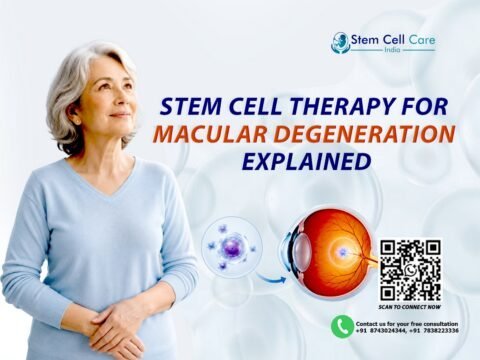
      Stem cell therapy for AMD is an effective treatment option for patients with vision loss due to wet or dry age-related macular degeneration (AMD). Additional research is investigating stem cell therapy for people with vision loss due to dry age-related macular degeneration. Stem cell therapy is the use of stem cells to replace dead or damaged cells in the body due to their amazing and next-gen mechanism and organic nature.

      Stem cell treatment for dry AMD is most often based on RPE replacement strategies. The RPE cells support the photoreceptors and so replacing the damaged ones with healthy ones can alleviate visual functional deficits by restoring lost functionality from the photoreceptors. Studies done with AMD patients proved that transplanted cells survive in the host eye and contribute to visual improvement by making it easier for them to see. What’s more, no adverse events or complications such as rejection were observed in any of these patients.

      1. Replacing​‍​‌‍​‍‌​‍​‌‍​‍‌ Damaged Muscle Cells

      The decay of muscle fibers is a major feature of muscular dystrophy. Through stem cell therapy, the damaged muscle cells can be replaced by the new and healthy ones that are derived from stem cells. As a result, the muscles regain their lost strength and become functional again.

      1. Promoting Muscle Regeneration

      Activation and stimulation of the generated stem cells in the muscles leads them to induce healing in the body. Along with this, they secrete certain proteins and growth factors that bring about repair in muscle cells and the production of new fibers.

      1. Reducing Inflammation and Scarring

      Inflammation that lasts for a long time is one of the factors that can exacerbate muscle damage. At the same time, stem cells have the capability to alleviate the inflammation and diminish the scar tissue formed. Accordingly, muscle growth and recovery are facilitated in a favorable environment.

      1. Supporting Genetic Repair

      Certain advanced cellular therapies involve the use of genetically corrected stem cells. The team of researchers genetically engineers the patient’s stem cells by correcting the defective gene that causes the weakness of muscles, and returning the corrected cells to the body. With this, the new cells in the body will be able to generate normal muscle tissue with proper genes.

      1. Improving Muscle Strength and Endurance

      As a result of the growth of new and repaired muscle fibers, patients will possibly be able to move better and also have improved balance, as well as the increase of overall strength. In this way, muscle wasting can be slowed and daily life activities can be enhanced.


      1. Potential for Long-Term Improvement


      One of the features of stem cells is that they can continuously self-renew. Even after getting attached to the muscle tissue, they can keep doing their work of making new muscle cells there for quite some time. In other words, the therapy can be a source of quite long-term benefits instead of just temporally ​‍​‌‍​‍‌​‍​‌‍​‍‌relief.

      Promise

      We being one of the leading stem cell clinics in India believe that every patient must get only the safest and comfortable experience while undergoing through the therapy that is not only affordable, but also extremely effective. This is a new era while technology and medical developments are most accessible that it ever was in the past and we would like to keep it that way. We serve both national and international patients with our unmatched and welcoming procedure if stem cell. It is our promise to always stay in reach even after the treatment has been completed to better observe and assist your improvements. We also promise to follow the safest industry procedures and certified international guidelines while also maintaining internal regulations to accompany your experience. Our managers also assure that the experts assigned to you are always the best can professionally handle your situation while aiming for the most positive outcome.

      What We Promise You?

      We​‍​‌‍​‍‌​‍​‌‍​‍‌ recognize at our center that you need to be supported, informed, and cared for during your stem cell therapy treatment, and we certainly aim to provide that. We assure performing the comfort, safety, and progress of the patient during the therapy. Our facility is a synergistic combination of individualized attention and scientific accuracy to ensure that you obtain the best results possible in your treatment. We commit to providing you these services during your stem cell therapy for muscular dystrophy:

      • Personalized Treatment Plan: Human nature is different, and the human body is very complex in its own unique way. We design a treatment plan that is appropriate for your health, past medical experiences, and target.
      • Use of Safe and Ethical Stem Cells: The stem cells used are retrieved from ethical sources, are of good quality, and are kept sterile in certified labs. We always put your health and safety first.
      • Expert Medical Team: A competent and experienced team of doctors, stem cell specialists, and therapists who are well-versed in regenerative medicine will take care of you.
      • Advanced Medical Technology: Our methods of obtaining, purifying, and administering stem cells are cutting-edge and carried out in our facility designed with the newest and most advanced technology, making it safe and effective.
      • Comprehensive Care and Support: We engage with you before the initiation of treatment to perform the needed assessments and stay with you after therapy, following up and being available for consultations.
      • Comfortable and Caring Environment: We try to provide an environment that is the least stressful and the most comfortable for your experience. The main point is that you are provided with compassionate care by the members of staff who are trained for this.
      • Focus on Functional Improvement: We strive to improve your muscle strength, coordination, and overall quality of life. We monitor your progress methodically and plan any changes needed in your treatment protocol.
      • Long-Term Commitment: The commitment we show you will not only be during the time of therapy but also after, when we will remain in contact. We keep in touch through appointments that are regular and through counseling that is continuous to make sure your recovery stays on the right ​‍​‌‍​‍‌​‍​‌‍​‍‌track.

      Cost

      Stem cell therapy is both a new and emerging medical procedure. People are finding more and more useful ways to use stem cells for the treatment of ailments. And we here at Stem Cell Care India believe that clients should have access to this kind of revolutionary treatment without breaking the bank. That’s why we at Stem Cell Care India are determined to provide affordable high-quality treatments in India.

      1. Medical​‍​‌‍​‍‌​‍​‌‍​‍‌ Severity of the Patient

      The seriousness of the patient’s condition is a major factor in determining the overall hospital bill. Commonly, those who have advanced or severe medical issues come to require intensive care, increased monitoring, or longer treatment sessions, they are the main cause of the increasing rates due to the time, materials, and skills that are pulled out.

      1. Past and Present Diseases/Disorders

      The health history of a patient is the cornerstone of the treatment journey. In case a patient has or had various infections, chronic diseases, or any kind of organ-related issues, then it is a given that the patient will require special assistance. Handling such dangerous potentialities may call for more medical tests, tailored care plans, and professional supervision, which set higher prices in the healthcare sector.

      1. Height and Weight of the Patients

      The matter of composition may dictate how many cells or treatment materials will be required from the side of the patient. Take for instance the case where a patient has a greater body weight or is larger in stature; in such a scenario, this person is the one who by comparison will have to be given the largest amount of cells or dosage, whereas a person of smaller body size would be given less. What this means is that the pricing is determined by how much has to be given.

      1. Required Number of Cells

      The amount of cells available for one treatment varies from individual to individual. Typically, the larger the number of cells, the more complex the preparation and longer the laboratory work will be. Consequently, the cost of production and quality assurance go up accordingly.

      1. Other Unprecedented Needs/Complications

      Sometimes, the treatment journey is accompanied with the consideration of some unexpected medical needs. Among these there are scenarios of complications, take additional medication, or have a longer hospital stay. Besides, these unforeseen demands consume more resources, the use of manpower, and time which eventually leads to adjustments in ​‍​‌‍​‍‌​‍​‌‍​‍‌prices.

      Success Rate

      Stem​‍​‌‍​‍‌​‍​‌‍​‍‌ cell therapy remains one of the most vibrant treatment options explored to reverse the effects of muscular dystrophy. However, the therapy’s success rate fluctuates widely from one patient to another. The effectiveness of such treatment depends on numerous critical factors. By knowing these factors, you can see that explaining the human response recorded so far is a direct consequence of the variation in the studies and the necessity for more experiments to reach a certain level of trust and high efficiency.

      1. Type of Stem Cells Used

      The development of induced pluripotent stem cells or mesenchymal stem cells is among the one few genetically based solutions for different diseases including muscular dystrophy. Out of these three, the researchers are not sure which would have the best fusion of growing the muscle tissues from current data, it seems that the integration of the damaged tissues of type one, is the most viable one while type two doesn’t last long enough to cause any such effect.

      1. Source and Quality of Cells

      The impact of a cell on a human ultimately boils down to this one parameter: Where did it come from and how pure is it? The cells obtained from well-vetted healthy donors are the ones that usually work better than cells gotten from less trusted sources. The contamination rate in cells if allowed in the final product not only increases the risks for patients but can diminish the success of the therapy.

      1. Patient’s Age and Health Condition

      Comparatively, younger patients or those who are less complicated have a greater chance of receiving the desired results from the treatment. As dystrophy advances, muscles get heavily scarred, consequently, making stem cells incapable of mending or substituting the ones there.

      1. Delivery Method

      Methods such as direct injection of stem cells into the skeletal muscle versus a drug or intravenous infusion, albeit uncertain in the effect of the treatment, it may still decide whether stem cells arrive at the area, which is to be treated or not, as well as their longevity.

      1. Immune System Response

      The immune system would reject or attack the introduced stem cells at an interval leading to failure. Although the immune suppressive drugs may alleviate the situation, they still have side effects.

      1. Rehabilitation and Supportive Care

      The positive aspects of one therapy can be further enhanced if combined with other elements such as physiotherapy, a balanced diet, and consistent medical check-ups. Apart from these, the progress made can be maintained too.

      1. Research and Technology Differences

      Result variation due to the difference in methods, instruments, or experience is a major scientific concern acknowledged by researchers. Equipment and technique errors may point to one study while another may be far superior leading to such divergent outcome ​‍​‌‍​‍‌​‍​‌‍​‍‌levels.

      Advantages

      Where​‍​‌‍​‍‌​‍​‌‍​‍‌ as most traditional pharmaceuticals typically only focus on the symptom management part of the disease, stem cell treatment actually goes down to the root level where it revitalizes and substitutes the injured muscle tissues. Patients who have been ailing and have had a hard time finding a way out in the past, now get the light of a new dawn through this groundbreaking therapy.

      Stem cells are equipped with the inherent property to transform to any kind of cells among which are also muscle cells. These stem cells can significantly contribute to the body rebuilding and repair the muscle fibers, recovering muscle function, and regulating the body”s strength and mobility when they are implanted in it. In most cases, patients manifest improvements in daily activities, stamina, and general health condition as time goes by. Here are some of the major benefits of stem cell therapy in the treatment of muscular dystrophy.

      1. Improved Muscle Strength

      Stronger muscles are one of the major rewards of stem cell therapy. The factors causing the muscle damage are disposed of as stem cells set about to fix the damaged fibers and to produce freshly obtained fibers already stemming from healthy ones. The new ones work well together with the remaining muscles, resulting in less disorder and more strength in the muscle capacity, which is one of the reasons why daily routines are performed easily and with less fatigue.

      1. Improved Gait and Mobility

      Movement and walking skills are two of the most common things that patients talk about after their stem-cell treatment. As muscle power gets better, so does the interaction between different parts of the body and therefore it becomes possible for the patient to move more elegantly and naturally. They are now able to walk longer distances and take part in various types of exercise.

      1. Lower Risk of Falling

      The strengthening of muscles and good coordination are the factors that bring about a decrease in the likelihood of falls and injuries. The therapy is a great help in achieving not only physical but also mental independence and making sure that the patient feels safe throughout everyday life.

      1. Lower Creatine Kinase Levels

      Creatine kinase (CK) is an enzyme that is spilled into the blood when muscle fibers are harmed. Elevated CK levels are an indication of muscle injury. Through the different ways stem cell therapy promotes muscle repair and inhibits the progression of muscle tissue breakdown, it can efficiently bring down the CK levels. These are the signs that indicate that the muscles are healing and turning stronger.

      1. Increased Life Span

      If firstly, the weakening of muscles is slowed down and secondly, important communication like breathing and mobility are improved then it is quite possible that stem cell therapy helps in lengthening the lifetime of a person. On the whole, thanks to the improvement in muscle and body functions, as well as the reduction of the secondary diseases that could eventually become a serious problem for the patient”s life, the later could live longer.

      1. Improved Respiratory Function

      Among other things, stem cell therapy strengthens the muscles that are needed for breathing. These muscles, when strong, are capable of letting the air in all the way down and also out – the patient can now breathe comfortably and free of worries. This leads to less breathing struggles and applauded with conversely lower chances for the development of lung infections and other respiratory-related diseases.

      1. Improved Balance

      Definitely, due to improved muscle control and better coordination, clients reform noticeable better equilibrium than before. This skill has several implications apart from mobility, namely safety and the ability to take care of oneself independently in everyday life.

      1. Improved Fine Motor Capabilities

      Moreover, stem cell therapy may significantly influence the small muscle groups, like those located in the areas of the hands and fingers, which in turn will be capable of performing the necessary tasks. Writing, buttoning the clothes, or using the utensils could then be done in a more effortless and accurate manner.

      1. Enhanced Number of Normally-Functioning Muscle Fibers

      Among the most essential results of stem cell therapy is the development of new, healthy muscle fibers which perform their normal functions. The regeneration process facilitated by the therapy not only aids the muscles to get back their natural framework and strength but also leads to a long-term increase in muscle performance and general ​‍​‌‍​‍‌​‍​‌‍​‍‌health.

      Treatment Results

      In recent times stem cell therapy for muscular dystrophy has been proven effective. In humans, stem cells have shown a capacity to regenerate scarred tissue and in lab analysis of animals with muscular dystrophy, it has been found that embryonic-like stem cells can not only repair existing damaged muscles but also create new ones.

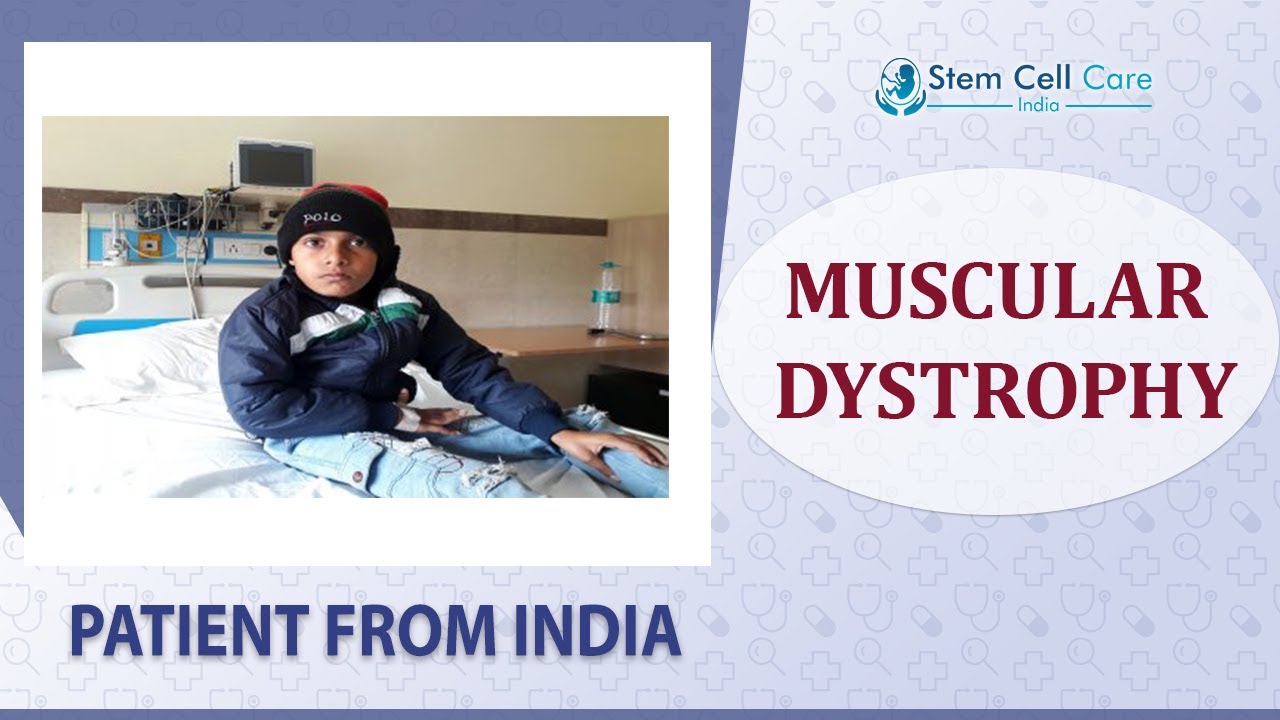
      After Muscular Dystrophy Stem Cell Treatment, the patient undergoes a significant improvement. So far, we have observed that the majority of the MD patients who are treated using Stem Cell Therapy have shown well-improved results like increased muscle strength, better tissue quality, lessening of tremor occurrences, and an improved range of movement.

      A​‍​‌‍​‍‌​‍​‌‍​‍‌ lot of patients who’ve undergone stem cell therapy have reported significant gains in their muscle function, endurance, and the ability to carry out everyday activities. Clinical trials and patient experiences indicate that stem cell therapy has the power to decelerate the muscle weakness process, and in some instances, it can even lead to symptom reversal. After the treatment with stem cells for muscular dystrophy, here are some of the most frequently noticed results:

      1. Improved Trunk Muscle Strength

      The very first improvement to be pointed out after stem cell therapy is the trunk (core) muscle strength gets a lift of the power. With more powerful trunk muscles, patients are better able to keep their posture, sitting upright for longer hours, and doing simple daily routine work with lesser effort. In addition, good core control lessens the chance of falling and facilitates better breathing and balance.

      1. Improved Limb Strength on Manual Muscle Testing and Balance

      The patients usually demonstrate significant improvements in limb strength when manually tested by a healthcare professional. This change allows for the arm and leg movements to become more controlled. Apart from that, the boosted limb strength resulting from the exercises helps even more to attain good balance, stability as well as confidence when one is standing or walking.

      1. Advancements in Walking

      Pretty much all persons have gained a substantial improvement in their walking capability. There are some who were initially dependent on the help of others or wheelchair but now, they have the ability to take independent steps. While others point out that they are able to walk longer distances without getting tired. The progress made in walking is a result of the communication between muscles and nerves becoming coordinated as the case may be, stem cells then assist in repairing and regenerating them.

      1. Improved Hand Function

      The improvement of the patients’ fine motor skills and hand coordination is likewise very apt to take place. Patients are now able to complete the tasks of which previously they found it difficult like writing, eating, buttoning clothes, or holding objects. So, by far, this accomplishment in hand function leads to great independence and the confidence of being able to live daily life on one’s own.

      1. Increase in Stamina

      The major achievement that most patients have voiced is better stamina. Muscle weariness occurs much later than it did before the treatment, which is why individuals are granted the opportunity to be active for extended periods. The increase of the endurance capacity is the reason why these people can take part in physio therapy sessions, doing their exercises, as well as the recreational activities, which in turn, further works their muscles.

      1. Better Trunk Balance

      Quite often the patients who have undergone stem cell therapy are in a position to control their body’s center of gravity better. The improved trunk balance makes it possible to move from sitting to standing without being unsteady or falling; also, changing positions between walking and sitting become simpler. By preventing the occurrence of rhythm irregularities during breathing, it assists an individual’s comfort whether they choose to rest or ​‍​‌‍​‍‌​‍​‌‍​‍‌move.

      Testimonials

      Justin from Ireland Came India for Stem Cell Therapy for Muscular Dystrophy

      Hello, I am Justin, 42 years from Ireland. I came to India for stem cell therapy for muscular dystrophy. One day, I observed having trouble in breathing and also began experiencing feebleness in my facial muscles affecting my communication. I also began feeling feebleness in my arms and legs. After visiting my local hospital, my physician urged me to go through lab tests and afterward I was detected with muscular dystrophy. My physician told me to go through stem cell treatment. But the hefty expenditures incurred for this treatment made me search for an economical treatment. I explored several websites of a medical group in Singapore, Thailand, India, etc. offering economical stem cell treatment. Inept to take the final decision, one of my friends suggested SCCI in India as his family member had visited India and had a brilliant experience with the excellence of service and attention while undergoing treatment in India. Once I arrived in India, The hospital staff was quite welcoming, caring and kindhearted. I underwent the stem cell treatment that was very successful. It has been a wonderful experience getting my treatment done via SCCI.

      Pascal Joackim Came to India from Tanzania for Motor Neuron Disorder

      Hi, I am Pascal Joackim and I came to Delhi from Tanzania. I am a doctor by profession. From the last 4-5 months, I was encountering symptoms of Motor Neuron Disorder. I was experiencing some very marked symptoms such as loss of balance, learning weakness, dragging of my limbs and sometimes I used to fall because of loss of balance. Also, I at times faced difficulty in reading and writing, particularly with my right hand. I used to play a lot before but after I experienced these symptoms, I could play anymore. I went to seek medical help in my own nation and there I was detected with motor neuron disease. The doctors there suggested me to come here to India for diagnosis confirmation and to seek any possible treatment for this. I came to Delhi as I have heard a lot about stem cell treatment and decided to undergo it. I referred the internet and got in touch with Stem Cell Care India. I explained all my symptoms and previous reports to the doctor. The staff explained all the process to me clearly. My treatment started soon with stem cells. The doctors are really nice and very knowledgeable. There was a new hope in me that I will get better soon. I was admitted to a very comfortable place in the hospital. After I got my treatment, I felt quite better than before. Thanks Team!

      Seema Kumari Saini Came to Delhi from Jaipur, Rajasthan for Muscular Dystrophy Treatment

      Hi, my name is Seema Kumari Saini. I came to Delhi from Jaipur, Rajasthan. I was suffering from muscular dystrophy since past 10-15 years. Initially, I was living a normal life without any impediments. However, as the time and years passed by, I started experiencing weakness and trouble in carrying out normal day-to-day activities. After the diagnosis, I came to know that I am suffering from muscular dystrophy. To treat this problem, I underwent every type of treatment i.e. Allopathy, Ayurvedic, etc. but nothing soothed my pain and suffering. These treatments gave me a relief of 1-2 months but again the disease starts showing its repercussions. Then we researched about stem cell treatment and got to know about Stem Cell Care India. After gathering all the information, we came to Delhi and SCCI’s team conducted some major tests of mine. Once the doctors got to know that my reports are normal, they started with my stem cell treatment for muscular dystrophy. The stem cells injections were given to my on the spots where my muscles were very weak. After the injections, I am feeling very positive and relief. My treatment is still going to take 2-3 months more. The doctors here gave me a lot of hope and optimism that I can be in the best of my health very soon. My husband is also a great support to me. I am noticing a lot of improvement in my movement in fingers, thighs, feet, etc. I am satisfied with the treatment. Thanks Team!

      Bent Mark from California Came India for Stem Cell Therapy for Muscular Dystrophy

      I am Bent Mark from California and I was a victim of muscular dystrophy from past 5 years. I decided to opt for stem cell treatment via SCCI in India. Once I arrived here, the executive of SCCI sounded pretty welcoming and asked me to send my medical reports. He clarified to me about the whole process and what I should anticipate with this treatment. I also communicated with the doctor who clarified to me that the stem cell treatment targets to regenerate the impaired and missing muscles and help avert further complications. After conversing it with my family, I decided to fly opt for this treatment. After I underwent the treatment, I found that I am recovering fast. I am awestruck with the high-quality facilities and care I got here and would recommend you to anybody wanting an economical treatment in India.

      Quality Control

      To ensure the quality of our stem cell treatments, we follow a strict set of guidelines and use state-of-the-art equipment as mentioned below:

      • A stem cell source is tested for infectious diseases to limit the spread or transmission of infections to the patients.
      • To avoid contamination, each batch of cells is tested for gram content at various processing stages.
      • Gram staining and mycoplasma tests are performed even on the media in which the cells are processed.
      • The final wash of the stem cell source is screened for aerobic and anaerobic microorganisms to maintain the safety of patients.
      • Every single cell batch is screened for endotoxin and only passes if the measured level is less than the limit.
      • Automated cell counters are used to count cells. Results are delivered for each batch.
      • To ensure that the quality is always up to expectations, we issue a “Certificate of Analysis” for each batch of cells.

      Why Do We Check Quality Control?

      Stem cell treatment involves complex biological processes that require strict supervision and standardization. To make stem cell therapy safe, effective, and reliable, quality control is absolutely necessary. Without it, even small mistakes can lead to serious health risks or treatment failure. Here are some key reasons why quality control is essential in stem cell therapy for muscular dystrophy:

      • Ensures Cell Purity: Quality control helps confirm that only the right type of stem cells are used. Contamination with unwanted or harmful cells can cause severe side effects or reduce treatment success.
      • Maintains Consistency: Each batch of stem cells must be produced under the same conditions. Consistent quality ensures that results are predictable and safe for all patients.
      • Prevents Infection: Stem cells are often grown in lab conditions. Strict quality testing helps detect and prevent bacterial, viral, or fungal infections that could harm patients.
      • Checks Cell Viability: It is important that the cells used are healthy and alive. Quality control ensures that cells maintain their natural function and ability to repair tissue.
      • Verifies Genetic Stability: Over time, cells can develop unwanted genetic changes. Quality testing helps detect mutations that could turn cells harmful or ineffective.
      • Regulates Dosage and Delivery: The right number of cells must be given to achieve the best results. Quality control ensures that dosage and administration methods are accurate and standardized.
      • Fulfills Ethical and Legal Standards: Proper quality measures ensure compliance with medical regulations and ethical guidelines, protecting both patients and researchers.
      • Builds Patient Trust: Consistent and transparent quality checks build confidence among patients, doctors, and regulators, helping stem cell therapy gain wider acceptance.

      Follow-Up

      Follow-up care after stem cell therapy for muscular dystrophy is very important. It helps doctors check how well the treatment is working and if there are any side effects. Regular follow-up visits allow doctors to monitor muscle strength, movement, and overall progress. Blood tests and scans may also be done to see how the stem cells are behaving inside the body.

      During follow-up, doctors can adjust medicines or recommend physical therapy to improve recovery. It also helps in finding any problems early, such as infections or unwanted immune reactions. Patients and families can share any changes they notice, which helps doctors plan better care.

      Long-term follow-up is important because stem cell therapy effects may take months or years to appear. Careful and continuous monitoring ensures safety, supports recovery, and helps researchers improve future treatments for muscular dystrophy.

      Why Do You Need To Follow Up After Treatment?

      Getting the stem cell treatment for muscular dystrophy is only one part of the recovery process. Regular follow-up after stem cell therapy is very important to ensure the best results and to monitor how the body is responding. Follow-ups help doctors track progress, make changes to the treatment plan if needed, and prevent possible complications. Here are some important reasons why follow-up care after stem cell therapy is necessary:

      • To Check the Body’s Response: Follow-up visits allow doctors to see how well the body is accepting and responding to the stem cells. This helps understand if the therapy is working as expected.
      • To Monitor Muscle Improvement: Regular check-ups help measure muscle strength, flexibility, and function over time, giving a clear picture of recovery progress.
      • To Manage Side Effects: Stem cell therapy is generally safe, but mild side effects like swelling, pain, or fatigue may occur. Follow-ups help doctors detect and manage these early.
      • To Adjust Treatment Plans: Every patient responds differently. Follow-up visits help the medical team decide if more sessions or additional therapies are needed.
      • To Provide Rehabilitation Support: Doctors often combine follow-up care with physiotherapy, exercise plans, or nutritional advice to improve results.
      • To Track Long-Term Benefits: Some effects of stem cell therapy appear slowly. Regular follow-ups help record long-term changes and benefits.
      • To Ensure Emotional and Mental Support: Living with muscle problems can be stressful. Follow-ups offer patients emotional guidance and motivation to stay consistent with care.
      • To Collect Valuable Data: Monitoring each patient’s progress helps doctors improve future treatment methods and outcomes for others.

      Related Disorders

      Related Disorders for Stem Cell Treatment

      Stem Cell Treatments for Neuropathy

      Get Stem Cell Therapy for Intellectual Disabilities

      Do you know about Amyotrophic Lateral Sclerosis

      cell replacement therapy for Parkinson’s disease

      cerebral palsy and stem cell

      Alzheimer’s disease symptoms and causes

      stem cells and brain damage

      multiple sclerosis cure

      mild stroke Stem Cell treatment

      stem cell treatment of spinal muscular atrophy

      the stem cell of ataxia

      Trеatmеnt Disclaimеr

      A patient must understand that stem cell therapy is an experimental therapy that may fail to work at certain times, before undergoing this treatment procedure. Depending on the patient’s health condition a patient might be refused treatment or the proposed protocol might change at the time of procedure.

      At Stem Cell Care India, our primary goal is to provide the best technology available; safety of which has been proven across the world.

      As with any medical treatment, we make no guarantees or claims of cures are made as to the extent of the response to treatment. However, the results may vary from patient to patient, even with a similar diagnosis, as the body’s internal status is unique to each individual patient. Due to this fact, we cannot provide, infer or suggest that there is any certainty of a given outcome. Additionally, we do not use embryonic or fetal cells in any of our treatment process.

      Country Specific

      Muscular dystrophy is a type of neuropathy that causes muscles to weaken, eventually leading to loss of motor function. It is brought about by mutations in the genes responsible for protein production, which are crucial to muscle strength and function. Eventually, this progresses to affect the muscles, making a person immobile.

      Muscular dystrophy stem cell therapy in India has presented a new face of hope before the eyes of every patient around the world. Because stem cells seem to regenerate muscular tissue, specialists are now employing them to reduce the rate at which muscular dystrophy progresses and improve muscles’ functions.

      For international patients coming from European, USA, UK, Iran Iraq, Kuwait, Ghana and also other countries, India provides world-class medical facilities specialized in the treatment of muscular dystrophy using stem cells, an affordable and effective solution.

      What Indian Medical Hospitals Give To International Patients?

      For the past years, India has made its way to the top countries which provide stem cell therapies for different diseases including muscular dystrophy. International patients getting benefits of stem cell therapy for muscular dystrophy in India at an affordable price range and experience remarkable results. Some of the other reasons to choose India are:

      • Cost-Effective Treatment: India offers superior stem cell therapies at costs that are certainly minimal compared to many Western countries. This is a place which shall not drain their finances but keep their wallet intact while seeking high-quality treatment.
      • Experienced Medical Professionals: Indian doctors and specialists in the field of regenerative medicine are well-experienced and qualified, with many years of experience in stem cell therapy. Most of them have been educated and trained by world-class international institutions.
      • Access to Latest Technology: The state-of-the-art hospitals and medical facilities in India make use of the latest technology in stem cell research and treatments to ensure the best care for the patients.
      • International Recognition: Quite a few hospitals in India gain international recognition based on the medical excellence of stem cell therapy and regenerative medicine. Each of these institutes follows international guidelines for the standards of care offered to the patient.
      • No Long Waiting Times: The Indian hospitals are in contrast with many developed countries where long waiting times for stem cell treatments were common, and patients receive faster relief.
      • Infrastructural Setup for Medical Tourism: The Indian medical tourism industry is well established and offers excellent support services such as visa assistance, accommodation, and transportation.

      India is the best destination for muscular dystrophy stem cell treatment, mainly because of its advanced medical facilities, experienced doctors, affordable cost, and personalized care. Patients believe in innovative therapies and positive results in India, so they find a hope and improved quality of life.

      Supportive Therapy

      Supportive therapies assist in the optimization of quality of life and the optimization of aggressive treatment benefits. Supportive therapies are intended to address daily challenges, reduce complications, and allow individuals to be independent as long as possible. Major supportive methods are:

      • Physical Therapy: Light exercises, flexibility, and facilitation of movement maintain soft muscles, reduce stiffness, and prevent joint problems. Regular physical therapy also improved posture, balance, and mobility.
      • Occupational Therapy: Occupational therapy assists in the modification of daily living activities to the needs of an individual. Training for the utilization of aids, home adjustment, and learning energy-conserving techniques is included, and all this makes day-to-day life easier and safer.
      • Speech and Respiratory Therapy: Some individuals may have difficulty in speaking, swallowing, or breathing. Speech therapy improves communication and swallowing functions, and exercise in breathing with professional guidance strengthens lung capacity and reduces respiratory infection risks.
      • Nutritional Support: An optimum, balanced diet brings in the necessary energy and nutrients for strength. Nutritionists may recommend specific dietary changes or supplements to improve muscle condition and prevent unwanted weight gain, which subjects the body to excessive stress.
      • Rehabilitation and Psychological Support: Rehabilitation therapy involves the integration of multiple specialists to formulate long-term care. Counseling and emotional support are also critical to handle stress, build confidence, and improving overall well-being.

      Conclusion:

      Muscular dystrophy is a serious disorder that weakens muscles gradually. It affects both children and adults, depending on the type. The disease causes progressive loss of muscle strength and control. Patients may also face difficulty walking or lifting objects. In some cases, the heart and lungs may also affect.

      There are many types of muscular dystrophy that show unique symptoms. Some begin early in life, while others appear later. The condition develops due to a genetic mutation in muscle proteins. Without these proteins, muscles become weak. Early signs may include frequent falls, poor balance, and fatigue.

      Stem cell therapy offers a promising approach for managing muscular dystrophy. It helps to repair damaged muscle tissues and improve mobility. Though still under research, many patients report better strength and daily function. Treatment, combined with physiotherapy and medical support, can improve quality of life. With ongoing research, the future of muscular dystrophy treatment looks more hopeful each day.


      Treatment Disclaimer:
      We provide consultation, case evaluation, and patient support services in the field of regenerative medicine. As per current medical guidelines in India, stem cell-based interventions (other than approved indications) are considered investigational and are available only within regulated clinical research settings. For patients exploring broader options, we also assist in facilitating access to treatment pathways, including internationally accredited centers where different regulatory frameworks may apply.

      Stem Cell Treatment for Muscular Dystrophy in India

      Stem Cell Treatment for muscular dystrophy, Stem Cell Therapy for muscular dystrophy in India, Stem Cell Therapy for muscular dystrophy Cost in India, Affordable Stem Cell Therapy for muscular dystrophy in India, Low Cost Stem Cell Therapy for muscular dystrophy in India, Price of Stem Cell Therapy for muscular dystrophy in India, stem cell treatment for muscular dystrophy in Delhi, stem cell treatment for muscular dystrophy in India, stem cell Hospital for muscular dystrophy in Delhi, stem cell Hospital for muscular dystrophy in India

      List of Reference:

      • https://www.mdpi.com/1420-3049/20/10/18168
      • https://www.ncbi.nlm.nih.gov/pmc/articles/PMC5869704/
      • https://www.ncbi.nlm.nih.gov/pmc/articles/PMC8673537/
      • https://mjmr.journals.ekb.eg/article_219852_cba4685af15a1359aecf97306dcfae1c.pdf
      • https://pubmed.ncbi.nlm.nih.gov/24070109/

      Ask Your Query

        Request a Call Back
        Upload Medical Reports
        Get an Opinion from our Experts
        Refer a Patient
        Patient Diet Plan
        Exosome Therapy
        Muscular Dystrophy Literature
        Happy Patients

        Other Neurological Conditions We Treat

        Neuropathy Disease
        Intellectual Disabilities
        ALS/MND Disease
        Parkinsons Disease
        Cerebral Palsy
        Muscular Dystrophy
        Alzheimers Disease
        Brain Injury Disease
        Multiple Sclerosis
        Stroke Disease
        Spinal Muscular Atrophy
        Ataxia Disease
        Peripheral Neuropathy
        Encephalomyelitis
        Encephalo Dysplasia
        Viral Encephalitis
        Syringomyelia Disease

        We Also Offer Treatments For

        Explore Organ Treatments
        Explore Eye Treatments
        Explore Orthopedic Treatments
        Explore Anti-Aging Treatments

        Our Testimonials

        My uncle was suffering from a serious ailment of muscular dystrophy. His life was truly hard. He then underwent the stem cell muscular dystrophy treatment at StemCellCareIndia and fortunately, is now living a healthy and disease-free life.
        John
        New York

        Improve Life. Make an Enquiry.

        If you have any queries related to stem cell treatments, let us know via phone or email. Our healthcare experts will be happy to provide you with an effective treatment solution.
        Contact Us

        Conclusion

        Neurological stem cell therapy offers new hope today. It supports natural healing in damaged nerve tissue. It also helps restore lost functions safely. The therapy works with the body's own cells. This makes the process gentle and effective. The goal is steady and meaningful recovery.

        Improves Daily Life

        Neurological disorders affect daily life deeply. They disrupt movement and balance. Stem cell therapy focuses on repairing these issues. It strengthens weak nerve pathways.

        Powerful & Adaptive Stem Cells

        The treatment uses powerful stem cells from body fat. They adapt quickly to repair needs. They help restore nerve communication and reduce inflammation in affected regions.

        Supports Many Neurological Conditions

        This therapy supports many neurological conditions. It may help developmental delay, MS, stroke, and injuries. Each plan is designed for personal needs.

        Growing Research. Better Outcomes.

        Neurological stem cell therapy continues to grow. Research shows strong and promising results. More patients now regain better control and comfort with advanced care.

        Treatment Disclaimer

        We provide consultation, case evaluation, and patient support services in the field of regenerative medicine. As per current medical guidelines in India, stem cell-based interventions (other than approved indications) are considered investigational and are available only within regulated clinical research settings.

        For patients exploring broader options, we also assist in facilitating access to treatment pathways, including internationally accredited centers where different regulatory frameworks may apply.
        📞
        REQUEST A CALL BACK
        ›
        📋
        UPLOAD MEDICAL REPORTS
        ›
        👨‍⚕️
        GET AN OPINION FROM OUR EXPERTS
        ›
        👤
        REFER A PATIENT
        ›
        😊
        HAPPY PATIENTS
        ›
        📚
        NEUROLOGICAL LITATURE
        ›
        GET IN TOUCH
        View Conditions We Treat Find Your Treatment Option

        Other Neurological Conditions We Treat

        Comprehensive stem cell therapy solutions for a wide range of neurological disorders.

        🧠
        Neuropathy Disease
        ›
        🧠
        Intellectual Disabilities
        ›
        ⚡
        ALS/MND Disease
        ›
        🫀
        Parkinsons Disease
        ›
        ♿
        Cerebral Palsy
        ›
        💪
        Muscular Dystrophy
        ›
        🧠
        Alzheimers Disease
        ›
        🤕
        Brain Injury Disease
        ›
        🔬
        Multiple Sclerosis
        ›
        💉
        Stroke Disease
        ›
        🦴
        Spinal Muscular Atrophy
        ›
        🔄
        Ataxia Disease
        ›
        ⚡
        Peripheral Neuropathy
        ›
        🧬
        Encephalomyelitis
        ›
        🔬
        Encephalo Dysplasia
        ›
        🦠
        Viral Encephalitis
        ›
        🌀
        Syringomyelia Disease
        ›
        🧩
        Down Syndrome
        ›

        We Also Offer Treatments For

        Beyond neurological care — exploring holistic treatments for a better quality of life.

        🧠

        Explore Organ Treatments

        ›
        👁️

        Explore Eye Treatments

        ›
        🦴

        Explore Orthopedic Treatments

        ›
        ✨

        Explore Anti-Aging Treatments

        ›
        GET IN TOUCH

        Ready to Start Your Journey

        Our Experts Are Available To Answer All Your Questions.

        Call Us: +91 8743024344 WhatsApp Us
        💡

        Improve Life. Make an Enquiry.

        If you have any queries related to stem cell treatments, let us know via phone or email. Our healthcare experts will be happy to provide you with an effective treatment solution.

        CONTACT US
        Our Testimonials

        Real Results. Real Patient Experiences.

        View All Review →
        GET IN TOUCH
        Watch Patient Reviews Whatsapp
        RELATED DISEASE

        Explore Conditions We Treat

        Discover how stem cell therapy is making a difference in a wide range of diseases and helping patients lead healthier, better lives.
        Stem Cell Treatment for Syringomyelia
        🧠

        Stem Cell Treatment for Syringomyelia

        View Details ›
        Stem Cell Treatment for Alzheimer’s Disease
        👁️

        Stem Cell Treatment for Alzheimer’s Disease

        View Details ›
        Stem Cell Treatment for Osteoporosis in Delhi, India
        🛡️

        Stem Cell Treatment for Osteoporosis in Delhi, India

        View Details ›
        Stem Cell Treatment for Alopecia Areata (Hair Loss) in Delhi
        🧠

        Stem Cell Treatment for Alopecia Areata (Hair Loss) in Delhi

        View Details ›
        GET IN TOUCH
        Learn Treatment Benefits Check Your Eligibility
        RELATED VIDEOS
        Physiotherapy session for Duchenne muscular dystrophy patient during stem cell Therapy at SCC ▶

        Physiotherapy session for Duchenne muscular dystrophy patient during stem cell Therapy at SCC

        The patient father shares his experience for Duchenne muscular dystrophy at SCCI ▶

        The patient father shares his experience for Duchenne muscular dystrophy at SCCI

        Patient with Limb-Girdle Muscular Dystrophy shares his experience at SCCI| Stem Cell for LGMD ▶

        Patient with Limb-Girdle Muscular Dystrophy shares his experience at SCCI| Stem Cell for LGMD

        RECENT BLOG POST
        Stem cell

        Stem Cell Therapy for Knee Osteoarthritis: Procedure, Benefits & Recovery

        Stem Cell Care India 09 Jun 2026
        Regenerative Therapy

        Latest Research on Regenerative Therapy for Crohn’s Disease

        Stem Cell Care India 06 Jun 2026
        Stem Cells

        How Stem Cells Repair Damaged Organs: A Complete Guide

        Stem Cell Care India 04 Jun 2026
        Stem Cell Therapy

        How Stem Cell Therapy Works for Crohn’s Disease Patients

        Stem Cell Care India 25 May 2026
        GET IN TOUCH
        Read Sucess Stories Start Your Recovery Journey
        Stem Cell Treatment for Spinal Cord in Delhi, India
        Stem Cell Treatment for Look Fit in Delhi, India

        Related Diseases

        Stem Cell Treatment for Retinal Detachment

        Stem Cell Treatment for Retinal Detachment in Delhi, India

        Eye Disorders
        Stem Cell Treatment for Glaucoma

        Stem Cell Treatment for Glaucoma in Delhi, India

        Eye Disorders
        Spinal Muscular atrophy

        Stem Cell Treatment of Spinal Muscular Atrophy in India

        Neurodisorders
        Ataxia

        Stem Cell Treatment of ATAXIA in Delhi, India

        Neurodisorders
        • Neurodisorders

        • ALS / MND Treatment
        • Parkinson Treatment
        • Cerebral Palsy Treatment
        • Muscular Dystrophy Treatment
        • Stem Cell Treatment for Alzheimer
        • Multiple Sclerosis Treatment
        • Stroke Treatment
        • Ataxia Treatment
        • Spinal Muscular Atrophy Treatment
        • Brain Injury Treatment
        • Other Disease

        • Ulcer Treatment
        • Skin Burns Treatment
        • Diabetic Foot Treatment
        • Skin Abrasions Treatment
        • Down Syndrome Treatment
        • Intellectual Disabilities Treatment
        • Organ Specific

        • Liver Damage Treatment
        • Kidney Disorder Treatment
        • Cardio Vascular Treatment
        • Burger’s Treatment
        • Lung Disease Treatment
        • Erectile Dysfunction Treatment
        • Orthopedics

        • Osteoarthritis Treatment
        • Fibromyaligia Treatment
        • Osteomalacia Treatment
        • Osteopenia Treatment
        • Osteoporosis Treatment
        • Rheumatoid Arthritis Treatment
        • Systemic Lupus Treatment
        • Spinal Cord Injuries Treatment
        • Sports Injuries Treatment
        • Ankylosing Spondylitis Treatment
        • Exosome Therapy in India
        • Aging & Longevity

        • Anti Aging Treatment
        • Hair Loss Treatment
        • Look Fit Treatment
        • Feel Fit Treatment

        More Info

        • Privacy Statement
        • Terms And Conditions
        • Bone Marrow Transplant
        • Our Blog
        • Testimonials
        • Stem Cell FAQ
        • Contact Us
        • Media
        • Advanced Cell Therapy
        • Stem Cell Therapy Protocol
        • SCCI Network
        • Informed Consent Information
        • Write Review For Us
        • Disclaimer
        • Eye Disorders

        • Optic Nerve Atrophy Treatment
        • Age Related Macular Degeneration Treatment
        • Retinopathy Treatment
        • Eye Injuries Treatment
        • Optic Neuropathy Treatment
        • Optic nerve hypoplasia Treatment
        • Retinitis Pigmentosa Treatment

        Reach Us

        viezec
        Stem Cell Care India
        info@stemcellcareindia.com
        H-23/ B Top Floor
        Abul Fazal Enclave, Part 1, Jamia Nagar
        New Delhi - 110025,  INDIA
        International Patient: + 91-8743024344
        Indian Patient: + 91-7838223336
        WhatsApp at + 91-8743024344

        © 2026 SCCI All rights reserved.

        DISCLAIMER: Please note that Stem Cell Care India is providing stem cell therapy after evaluating patient/disease specific condition only. As with any medical treatment, no guarantees or claims of cures are made from our side as to the extent of the response to treatment, this therapy may be or may not be an effective treatment for some. Results vary from patient to patient, even with a similar diagnosis, as the body’s internal status is unique to each individual patient. Because of this fact, we cannot offer, infer or suggest that there is any certainty of a given outcome. Stem cell treatments are not currently FDA-approved therapy. The data mentioned in our website are only for educational purpose and not to sell or promote stem cell therapy. We do not use embryonic or fetal cells in any of our treatments. As of now stem cell therapy is still in an experimental stage so insurance claim is not possible.

        logo

        Safe & Ethical Practices

        All therapies follow strict ethical guidelines.

        Expert Support

        Get guidance from our experienced team.

        Your Privacy Matters

        We protect your information with the highest standards.

        © 2026 SCCI All rights reserved.

        Disclaimer:

        This website is intended for informational and educational purposes only. By accessing this site, you acknowledge that Stem Cell Care India provides consultation, case evaluation, and patient support services in the field of regenerative medicine. Stem Cell Care India does not provide unapproved stem cell, exosome, or related therapies as standard treatment in India. As per current medical guidelines, most such approaches are considered investigational and are available only within regulated clinical research settings. The content on this website is not intended to replace professional medical advice, diagnosis, or treatment. Patients are strongly advised to consult qualified healthcare professionals and consider standard, approved treatment options. Any patient experiences, testimonials, or case discussions shared on this website are individual in nature and do not guarantee outcomes. Results, where applicable, may vary based on the patient's medical condition and individual health factors. References to therapies or developments are for awareness purposes only and should not be interpreted as promotion or offering of treatment. We do not make any claims regarding effectiveness or outcomes. Insurance coverage for investigational therapies may not be applicable.

        Ethical Care
        Patient First
        Secure & Confidential
        Compassionate Support
        • Call Now Phone Number
        • Whatsapp Us Whatsapp