Stem Cell Treatments for Cerebral Vasculitis in India

GET IN TOUCH
Key Takeaways
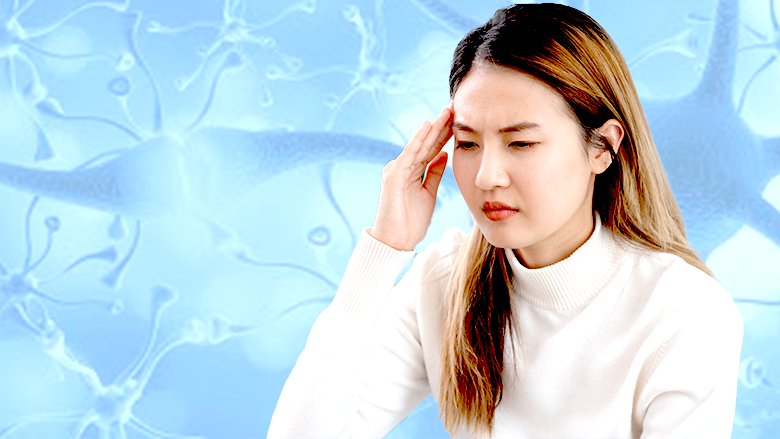
- Cerebral Vasculitis is a condition where the blood vessels in the brain become inflamed. This inflammation can reduce blood flow and oxygen supply to brain tissues. As a result, a person may experience headaches, confusion, weakness, vision problems, seizures, or stroke-like symptoms. Early recognition of warning signs and timely medical evaluation are very important to prevent serious complications and long-term brain damage.
- Proper diagnosis requires detailed medical history, neurological examination, blood tests, MRI scans, and sometimes specialized procedures like angiography or lumbar puncture. Since symptoms can look similar to other brain conditions, doctors must carefully rule out infections, tumors, and other immune disorders before confirming the diagnosis. Accurate diagnosis helps in planning safe and effective treatment.
- Treatment mainly focuses on controlling inflammation and protecting brain function. Conventional medical therapy remains essential. Stem cell therapy is being explored as a supportive option to help regulate immune response and promote healing, but it is not a guaranteed cure.
- Long-term monitoring, follow-up care, healthy lifestyle habits, and emotional support play an important role in improving daily functioning, stability, and overall quality of life for patients.
The brain is functioning through a very sensitive network of blood vessels which provide oxygen and nutrients to nerve cells. Any severe failure in this system for a long time might cause the brain to lose its normal balance and regulation. That’s what cerebral vasculitis does to the brain. Cerebral vasculitis appeared for the first time as a disorder in the medical literature in the middle of the twentieth century when doctors started associating unexplained brain inflammation to changes in blood vessels.
Gradually, research has led to a better understanding of the involvement of the immune system and the inflammatory responses within the brain. Development in imaging and laboratory tests has been beneficial to doctors in recognizing the condition more accurately. Nowadays, it is seen as a complex neurological disorder that needs thorough assessment, observation, and tailored medical care depending on the patient’s general state.
What is Cerebral Vasculitis?
Cerebral vasculitis refers to the inflammation of the blood vessels in the brain. This inflammation can lead to narrowing or weakening of the vessels which results in less blood being delivered to the brain. If the brain does not receive sufficient blood and oxygen, it can lead to symptoms such as headaches, confusion, memory loss, seizures, or stroke. The damage over time can be manifested in the impairment of thinking, movement, and the performance of daily activities.
Cerebral vasculitis is capable of affecting anybody irrespective of age, although it is more frequently seen in adults with autoimmune disorders, infections, or compromised immune systems. Immediate diagnosis and treatment are vital to maintaining brain function and avoiding complications that could be life threatening.
Cerebral vasculitis varies from person to person and depending on the cause and the pattern of blood vessel involvement, it can be divided into different types. The main types are illustrated below in simple words.
- Primary Cerebral Vasculitis (PACNS): This type is limited to the brain and spinal cord. One does not find disease in other parts of the body. The cause is generally unknown.
- Secondary Cerebral Vasculitis: This type comes about due to another illness. It is not uncommon for it to be secondary to autoimmune diseases, infections, or certain cancers.
- Autoimmune, Related Cerebral Vasculitis: The immune system of the body attacks, by mistake, blood vessels that are perfectly healthy in the brain. Diseases such as lupus or rheumatoid disorders are usually the ones involved.
- Infection, Related Cerebral Vasculitis: Brain blood vessels can get inflamed due to infections like tuberculosis, HIV, or viral infections. Proper infection control is necessary to prevent further complications.
- Drug-Induced Cerebral Vasculitis: A few medications or street drugs may cause brain- blood vessels to become irritated or even be damaged.
- Childhood Cerebral Vasculitis: This type primarily impacts kids and might come on suddenly. It can lead to seizures, one, sided body weakness, or difficulty speaking.
- Large-Vessel Cerebral Vasculitis: The larger arteries in the brain are the ones mainly affected by this type. The lack of blood supply can cause major strokes or severe headaches.
- Small-Vessel Cerebral Vasculitis: The very small blood vessels are the ones affected, and they may not be always visible on the scans.
Cerebral vasculitis is an inflammation of the blood vessels in the brain, which may result from several different causes. The main factors behind most cases include disorders of the immune system, infections, or other illnesses. Here are the common causes in simpler words:
- Autoimmune Diseases: Your immune system gets confused and attacks your blood vessels as if they were enemies, causing brain vessels to get inflamed. Lupus or rheumatoid arthritis are examples.
- Immune System Disorders: At times, the body’s defense mechanism goes haywire for no apparent reason and starts harming the brain’s blood vessels directly.
- Bacterial Infections: Infectious diseases like tuberculosis or syphilis may cause inflammation of the brain’s blood vessels.
- Viral Infections: Viruses, for instance, herpes, hepatitis, or HIV may cause damage and inflammation to the brain vessels.
- Fungal Infections: When the immune system is compromised, fungus may invade the brain and cause inflammation of blood vessels.
- Drug Reactions: Certain drugs, such as some antibiotics or recreational drugs, can lead to an abnormal immune reaction that damages the vessels in the brain.
- Cancer-Related Immune Response: Some types of cancer can change the immune system in a way that the blood vessels of the brain are indirectly damaged.
- Blood Vessel Disorders: The diseases of blood vessels in other parts of the body can also affect the brain vessels.
- Chronic inflammatory conditions: Prolonged inflammation in any part of the body can lead to an increased risk of vessel inflammation in the brain.
- Unknown causes: Sometimes, even after thorough testing, the cause remains unknown. This is termed idiopathic cerebral vasculitis.
Cerebral vasculitis may bring about a variety of symptoms since it disrupts the blood flow in the brain. These symptoms might come gradually or suddenly, and they can be different for each individual. Often, the first symptoms are quite mild, but they may develop into a serious condition if left untreated. Here are some of the most typical symptoms that are described in simple words.
Changes in Vision
- Vision may become blurry, one may see two images or lose sight in one or both eyes
- One may have a hard time focusing or seeing things clearly
- These issues occur when the brain areas responsible for vision do not get enough blood
Constant Headaches
- Headaches that are continuous or very painful and do not get better with common medicines
- The pain may be of a different quality from usual headaches
- Headaches may get worse with time because of inflammation of the blood vessels in the brain
Problems with Memory
- One may forget things that have just happened or conversations
- One may have trouble thinking clearly or even making simple decisions
- Feeling confused, slow, or mentally exhausted when doing everyday activities
Muscle Weakness
- Weakness of the arms, legs, or one side of the body
- Inability to walk properly, stand, or hold objects
- Loss of balance or poor coordination can also be symptoms
Seizures or Stroke, like Episodes
- Sudden seizure, like movements, temporary loss of consciousness, or fainting
- Speech problems, drooping of face, or numbness in the body
- These signs require immediate medical help
Changes in Behaviour or Mood
- Being irritable, anxious, or experiencing sudden mood swings
- Disinterest in normal activities
- Unusual tiredness or restlessness
General Symptoms
- Fever without any obvious cause
- Feeling extremely tired and having little energy
- Feeling generally unwell or weak
Diagnosis is a thorough and deliberate process that guides physicians in discovering the exact cause of brain inflammation. Since the symptoms may be similar to other brain or nerve problems, physicians employ a variety of tests together to arrive at an accurate and safe diagnosis. Early and precise diagnosis is crucial for proper treatment and improved outcomes.
- Reviewing Medical History: First, doctors inquire about symptoms, how long they have lasted, previous illnesses, infections, autoimmune conditions, and drugs.
- Physical and Neurological Examination: A detailed examination evaluates balance, muscle power, reflexes, speech, sight, and memory. These results will serve as a compass for physicians in selecting the appropriate tests.
- Blood Tests: Blood tests are helpful in the detection of inflammation, immune system response, infections, or autoimmune markers. They can also be utilized to exclude other diseases that may be harmful to the brain.
- Brain MRI Scan: MRI is the most frequently used method to check for inflammation, edema, or damage to the brain tissue. It delivers high-resolution images and facilitates identifying the areas involved.
- Angiography: By revealing blood vessels in the brain, this diagnostic method provides information about their condition. Thus, it is possible to identify areas of vessel narrowing, blockage, or irregular vessel pattern indicating vessel wall inflammation.
- Lumbar Puncture (Spinal Tap): A very small amount of cerebrospinal fluid is drawn for analysis in order to find out if there is inflammation, infection, or unusual immune activity in the area of the brain and spinal cord.
- Brain Biopsy (in Selected Cases): Occasionally in very rare or difficult cases, a small piece of brain tissue is removed by surgical procedure. This method provides the most accurate diagnosis but is rarely used.
- Excluding Other Conditions: The team of doctors thoroughly checks for infections, tumors, stroke, and other immune disorders so as to facilitate diagnosis.
The concept of healing from within is the key to stem cell therapy in cerebral vasculitis. Stem cell therapy involves the use of unique cells referred to as “stem cells.” These cells possess the power of healing and repairing damaged tissues. In cerebral vasculitis, the blood vessels in the brain are inflamed, leading to decreased blood flow and damage to brain cells.
Stem cell therapy can help to reduce the inflammation and aid the body in healing. The therapy can help to heal the blood vessels, shield brain cells, and increase blood flow to the brain. Stem cell therapy is a complementary treatment that helps to improve brain function.
How Stem Cells Work To Treat Cerebral Vasculitis?
Stem cells aid the body’s natural healing process and help regulate the inflammation resulting from cerebral vasculitis. They function in several ways to heal and protect the brain and the blood vessels.
- Decrease inflammation in the brain’s blood vessels
- Aid in the healing of the damaged lining of the blood vessels
- Enhance blood flow to the brain tissue
- Shield the brain cells from any further damage
- Aid the body’s natural healing process and enhance brain function
Role of Stem Cells
Stem cells are very important in aiding the body to heal itself. They are capable of repairing tissues that have been damaged and lowering inflammatory response. When it comes to conditions of the brain, stem cells promote healthy circulation of blood and protect the nerve cells from getting damaged further. They also assist in regulating the immune system, which is quite significant when inflammation is affecting the blood vessels.
By producing beneficial substances, stem cells stimulate the body’s own repair and recuperation processes.Their function is essentially supportive, facilitating the body in healing itself gradually. Although stem cells are not a remedy, they may lead to an improvement of the overall functioning, delay the disease progression, and increase the quality of life in a mild and natural way.
Stem Cell Therapy for Cerebral Vasculitis in India is normally done within a three-day treatment schedule. This is a planned program to ensure the safety and comfort of the patients. Below is a rewritten version of the same information, expressed in a clear and simple manner:
Day 1: Evaluation and Preparation
- The patient is picked up by cab and taken to the hospital.
- A detailed discussion is held with the medical team to explain the treatment process and answer all patient questions.
- Hospital admission formalities are completed.
- Necessary pre-treatment tests and medical screenings are conducted.
- Supportive therapies are provided to prepare the body for the procedure.
Day 2: Treatment Day
- Stem cell therapy for Cerebral Vasculitis is administered.
- Supportive therapies are continued as advised by the doctors.
- Physiotherapy sessions are provided to support mobility and overall recovery.
Day 3: Monitoring and Discharge
- The patient receives additional supportive therapies.
- Physiotherapy sessions continue to help improve strength and healing.
- Final medical checks are done, and discharge procedures are completed.
- The patient is safely dropped back at the airport.
How does stem cell therapy benefit patients with cerebral vasculitis?
Stem cell therapy can benefit patients by reducing immune-related inflammation, increasing blood flow to the brain’s vessels, and helping damaged nerve cells. This will result in improved brain function and symptom control.
Is stem cell therapy a cure for cerebral vasculitis?
Stem cell therapy is not a complete cure for cerebral vasculitis. It is a complementary therapy that can be used to manage symptoms and slow disease progression when combined with conventional medical treatment.
Who should consider stem cell therapy for cerebral vasculitis?
Patients who have not responded to conventional treatment or are seeking alternative complementary therapies can consider stem cell therapy. This is subject to medical assessment and the patient’s current health status.
Is stem cell therapy safe for cerebral vasculitis?
Stem cell therapy is safe when conducted according to proper medical standards. This ensures that the treatment is risk-free for the patient.
How long does it take to notice the effects of therapy?
The effects of therapy may differ from person to person. Some patients may experience improvements in their condition over a period of weeks or months as the stem cells take time to work by reducing inflammation in the brain.
Does stem cell therapy replace conventional treatment?
Stem cell therapy does not replace conventional treatment. It is often administered in addition to conventional treatment to help patients with cerebral vasculitis.
Are there any side effects of stem cell therapy?
Most patients experience mild side effects, including fatigue or discomfort at the site of injection. Serious side effects are rare if the treatment is carried out by qualified medical professionals.
How is stem cell therapy administered?
Stem cells can be administered in a variety of ways, including intravenous infusion. The method of administration depends on the patient’s condition and the treatment plan devised by the medical team.
Can stem cell therapy help patients function better?
Stem cell therapy can help patients experience improvements in their daily functioning, as well as improvements in their strength and overall well-being.
What kind of stem cells are usually employed in this treatment?
There are different kinds of stem cells that can be employed depending on the treatment. These cells are chosen for their ability to decrease inflammation, heal, and repair the damaged blood vessels and brain tissues.
Is hospitalization necessary for stem cell treatment?
Hospitalization is not always necessary. Many patients will only require observation, while others may require a brief stay in the hospital, especially during the early stages of treatment.
Can older patients also receive stem cell treatment?
Age is not a barrier. The patient’s health status, the severity of the disease, and medical history are more important factors in determining whether an older patient can receive stem cell treatment.
How many treatments of stem cell therapy are required?
The number of treatments required will depend on the patient. Some patients may only need one treatment, while others may need several depending on their response to treatment and medical advice.
Can stem cell therapy also decrease inflammation in the brain?
Stem cells have anti-inflammatory effects. They can help to calm the immune system in the brain, which can decrease inflammation and prevent further damage to the blood vessels.
Recovery may start slowly, with some subtle but important changes being observed over a period of time. After stem cell treatment for Cerebral Vasculitis, patients may notice some improvements in various body functions. Such improvements may help ensure better comfort, balance, and functioning in daily life, along with proper medical attention.
- Reduced Inflammation in the Brain: Stem cells may help reduce inflammation in the affected blood vessels. This may reduce constant inflammation and promote a favorable environment for the proper functioning of brain cells.
- Enhanced Blood Flow to Brain Tissues: Improved vessel health may promote smooth blood flow. Enhanced blood flow may help ensure the delivery of oxygen and nutrients necessary for the proper functioning of the brain.
- Relief from Frequent Headaches: As inflammation is reduced, patients may experience fewer or less severe headaches, making daily activities easier to handle.
- Improved Muscle Strength and Coordination: Improved nerve impulses may help patients experience improved muscle control. This may ensure steadier movements and alleviate feelings of weakness.
- Balance and Walking Functions: Patients may find it easier to balance and walk due to enhanced communication between the brain and nerves, thus reducing the chances of falling.
- Clear Thinking and Concentration: Patients may find it easier to concentrate on simple tasks for longer periods, and their minds may be clearer.
- Less Occurrence of Seizure Attacks: Reducing inflammation in the brain may help reduce irritation of the brain tissues, thus reducing the chances of seizure attacks.
- Improved Energy Levels: Patients may find it easier to move around due to reduced fatigue, thus feeling more energetic throughout the day.
- Emotional and Mood Balance: Patients may find it easier to control their emotions and moods, thus reducing irritability and anxiety.
- Improved Quality of Life: All these benefits may work together to help patients feel more confident and independent in their daily lives.
The human body has a natural healing process, but in the case of chronic inflammation of the brain, this process is weakened. Stem cell therapy is based on the stimulation of the brain’s healing process and the restoration of damaged blood vessels. In the case of Cerebral Vasculitis, stem cells target the reduction of inflammation, the protection of brain cells, and the enhancement of blood flow to enable the brain to function properly. Below are six major mechanisms of stem cell therapy in Cerebral Vasculitis:
- Decrease Inflammation in the Brain
Stem cells produce anti-inflammatory factors that help to suppress the immune response. This decreases the inflammation of the brain’s blood vessels, which is one of the leading causes of the condition.
- Repair Damaged Blood Vessels
Stem cells promote the healing of inflamed and damaged blood vessel walls. This makes the blood vessels stronger and less susceptible to further damage.
- Protect Healthy Brain Cells
Stem cells secrete growth factors that protect surrounding brain cells from damage. This assists in preventing the further deterioration of brain function due to inadequate blood supply.
- Improve Blood Flow and Oxygen Supply
Stem cells assist in improving blood flow by reducing blockages. This increases blood circulation, which in turn increases the supply of oxygen and nutrients to the brain.
- Support Nerve Regeneration
Stem cells assist in creating a favorable environment for the regeneration of nerve cells. This assists in improving functions such as movement, speech, memory, and daily activities.
- Balance the Immune System
Stem cells assist in balancing an overactive immune system. This reduces the risk of recurrent inflammation.
At Stem Cell Care India, our commitment is simple and strong. We are dedicated to providing safe, ethical, and quality stem cell therapy with care, honesty, and responsibility. Each patient is important to us, and we give each case our full attention and respect.
What Stem Cell Care India Does?
- We adhere to high medical and quality norms at every step.
- We use proven and ethically obtained stem cells.
- We have experienced doctors, scientists, and care staff.
- We emphasize patient safety, comfort, and long-term health.
- We give patients and their families clear guidance.
How Will We Do It?
- We create a customized treatment plan for each patient.
- We ensure that all procedures are conducted in a clean and controlled setting.
- We carefully monitor the patient during and after the treatment.
- We assist in the recovery process with follow-up care and advice.
- We maintain complete transparency about the treatment outcomes and limitations.
Actions We Take Before the Therapy
- We carefully examine the medical history and previous reports.
- We perform necessary tests to understand the patient’s condition.
- We check eligibility to ensure the therapy is appropriate.
- We explain the process, benefits, and potential risks in simple terms.
- We prepare the patient physically and mentally for the therapy.
Our commitment is not only about treatment. It is about trust, accountability, and care. We strive to treat patients with integrity and empathy while adhering to the best practices of the medical field. At Stem Cell Care India, we are committed to doing what is right, safe, and best for all patients.
It is important to understand the cost structure of advanced medical treatment to plan accordingly. At Stem Cell Care India, we are committed to transparency and planning for stem cell therapy for Cerebral Vasculitis. Although we do not provide a fixed price, our strategy ensures that the patient understands the factors that contribute to the overall cost and what is included in our treatment package.
Factors That Affect the Cost
The total cost of stem cell therapy for Cerebral Vasculitis may differ from patient to patient. At our facility, we assess each case individually before planning treatment. Some of the factors that affect the cost are:
- Medical Condition of the Patient: Severity of symptoms and progression of the disease.
- Type of Stem Cells: Autologous stem cells or other approved sources.
- Number of Sessions: Depending on the response and recovery of the patient.
- Diagnostic Tests: MRI scans, blood tests, and neurological assessments.
- Duration of Hospital Stay: Depending on the length of monitoring and recovery assistance.
- Supportive Therapies: Physiotherapy or rehabilitation, if required.
What Is Included in Our Package?
When patients choose us, we provide a complete care package designed to reduce stress and ensure safety throughout the treatment process. Our package will include:
- Initial medical consultation and case review
- Pre-treatment diagnostic tests
- Stem cell processing under strict quality standards
- Administration of stem cell therapy
- Doctor and nursing care during hospitalization
- Post-procedure monitoring for side effects
- Basic physiotherapy or supportive care if needed
- Follow-up guidance after discharge
We strive to make the process as smooth and supportive as possible, so patients and caregivers can focus on recovery rather than logistics.
Our Commitment to Patients
At Stem Cell Care India, we practice ethical medicine, personalized care, and open communication. We work closely with patients to explain every step, provide comfort, and provide the best possible care throughout the treatment process.
At Stem Cell Care India, we are committed to delivering quality and supportive care to patients suffering from Cerebral Vasculitis. Stem cell therapy is believed to be a regenerative therapy that works towards decreasing inflammation, preserving brain cells, and promoting healing. Although the outcome may differ from patient to patient, many patients have shown improvement in their daily activities, symptoms, and overall quality of life. We, at Stem Cell Care India, believe that success is not only about achieving good outcomes but also about experiencing greater comfort, independence, and support.
Factors That Influence the Success Rate of Stem Cell Therapy
- Stage of the Condition
The success of the therapy may depend on how early the condition is treated. If the treatment is started early, the brain may react positively to it, as there would be less damage to the blood vessels and tissues around it.
- Overall Health of the Patient
Patients who have good overall health tend to react positively. Conditions that are immunity, nutrition, or chronic illness-related may influence the body’s acceptance of the stem cells.
- Severity of Brain Involvement
The level of inflammation and damage to the brain is also an important factor. Patients with less involved areas tend to have better improvement than those with widespread involvement.
- Quality of Stem Cells Used
At Stem Cell Care India, we maintain strict quality control. The purity, safety, and handling of stem cells have a direct impact on the success of the treatment. Our labs are dedicated to maintaining high standards throughout.
- Personalized Treatment Planning
We plan our treatment according to individual needs. Symptoms, medical history, and previous treatment responses are taken into consideration to increase success rates.
Stem Cell Care India is a dedicated medical facility that provides the best in regenerative medicine. We are working with qualified medical professionals, scientists, and trained medical staff to deliver patient-centric care. Our care model is built on the principles of ethical medical practice, sound safety protocols, and the best available scientific knowledge. We are committed to the principle of personalized care, as each patient is unique and different. Right from assessment to follow-up, we are there to guide the patient through every step of the treatment process. Our aim is to help the body heal itself and enable patients to enhance their quality of life with properly supervised stem cell therapy.
Benefits of Taking Stem Cell Therapy for Cerebral Vasculitis With Us
- Reduces inflammation in the brain’s blood vessels, which can reduce injury to the healthy brain tissue
- Aids in the repair of damaged brain cells and the overall function of the brain
- May alleviate symptoms such as headaches, weakness, memory problems, and balance difficulties
- Leverages the body’s own healing power, making the treatment supportive and restorative
- Tailored treatment plans developed according to the patient’s needs and medical history
- Strict laboratory standards to guarantee the quality and safety of the stem cell processing
- Well-trained medical staff with specialized knowledge in neurological disorders
- Close patient monitoring before, during, and after treatment to guarantee patient safety
- Supportive rehabilitation advice to facilitate recovery and functionality
- Long-term health and wellness, rather than just short-term symptomatic management
Quality control is an extremely important aspect of every stage of advanced medical treatment. At Stem Cell Care India, quality systems are strictly adhered to in order to ensure safety, consistency, and patient confidence throughout the treatment process.
- Strict Patient Evaluation Processes: Each patient undergoes rigorous medical screening, lab testing, and imaging. This enables our medical team to verify suitability and carefully plan for treatment without exposing the patient to unnecessary risks during the treatment phase.
- Standardized Laboratory Processes: Laboratory procedures are carried out under strictly controlled conditions. Sterile environments, certified equipment, and qualified laboratory technicians are utilized to ensure that every process is strictly in line with established medical and safety protocols.
- Controlled Handling and Storage Processes: Biological samples are handled according to strictly defined processes for temperature, time, and transportation. This ensures that quality is preserved and the risk of contamination and processing errors is minimized.
- Medical Supervision: Trained doctors and experts are present to watch every step. Their experience helps them follow the right procedure and correct any deviation at once.
- Monitoring During Treatment: Patients are carefully observed throughout the treatment days. Their vital signs, comfort levels, and initial reactions are constantly monitored to ensure their safety and immediate attention if required.
- Review and Documentation After Treatment: After the treatment, all the results and observations are documented in detail. Follow-up reviews help evaluate progress and make improvements in the next treatment standards.
Stem cell therapy has presented positive supportive treatment outcomes for individuals suffering from Cerebral Vasculitis. This treatment is effective since it assists the body in dealing with inflammation and promoting the body’s natural healing processes within the brain. With time, patients experience positive outcomes as stem cells aid in healing and supporting the brain by promoting healthy brain function. Treatment outcomes are slow and aim at improving comfort, stability, and overall functionality in daily activities. New treatment outcomes for stem cell therapy in Cerebral Vasculitis include:
- Slowing Down the Progression of the Disease: Stem cells can aid in slowing down the progression of damage to the brain’s blood vessels.
- Improving the Survival of Brain Cells: The treatment supports brain cells by ensuring they function optimally for a longer period.
- Improving Communication Between Nerve Cells: Improved communication between nerve cells can aid in improved response and coordination.
- Supporting the Regulation of the Immune System: Stem cells aid in regulating the immune system, reducing adverse reactions in the brain.
- Improving Mental Clarity: Some patients experience improved focus and reduced brain fog.
- Improving Tolerance to Daily Activities: Patients experience reduced fatigue and improved comfort during daily activities
I was diagnosed with Cerebral Vasculitis and was suffering from constant headaches, weakness, and fear for my future. After undergoing stem cell treatment at Stem Cell Care India, I have been noticing improvement in my strength and comfort levels. The doctors were very transparent about everything and have been very supportive throughout. It felt like they were treating me as an individual. I am now more confident about dealing with my situation and living my life to the fullest. — Rahul Mehta, India
Having Cerebral Vasculitis has impacted my independence and mental calm. However, I selected Stem Cell Care India after thorough research, and I am satisfied with my decision. As a patient, I felt secure and supported throughout the process. Gradually, my weakness diminished, and performing my daily tasks became simpler. The staff was courteous, kind, and accessible. This treatment brought me hope and comfort. —Sarah Williams, United Kingdom
Prior to the treatment, Cerebral Vasculitis made it difficult for me to perform my daily tasks. Coming to India for stem cell treatment was a significant decision, but the support I received made it all worthwhile. Following the treatment, I felt more stable and full of energy. The doctors and staff were constantly observing me and addressing all my queries. As a patient, I felt valued, and my life has certainly improved. —Ahmed Al-Farsi, Oman
I was anxious and unsure about my Cerebral Vasculitis symptoms when I came to Stem Cell Care India. But from the first consultation, I felt reassured. The process of stem cell therapy was smooth, and the follow-up was consistent. Gradually, I started noticing improvements in my concentration and relief from discomfort. As a patient, I appreciated the honesty and care with which the team treated me. I feel more positive about my health now. — Rekha Soni, India
My Cerebral Vasculitis condition had been affecting my daily activities and confidence. But after the stem cell therapy at Stem Cell Care India, I started experiencing improvements in my energy levels and overall well-being. The doctors were very patient and respectful with me, explaining each step of the process. As a patient, I felt cared for beyond my treatment. — Jose Phillips, Canada
Follow-up care is a significant aspect of stem cell treatment for Cerebral Vasculitis. At Stem Cell Care India, we emphasize long-term follow-up care to promote recovery and overall well-being after the treatment.
After the stem cell treatment, our team of medical professionals carefully observes the patient’s health. Regular follow-up care helps us assess how the body is responding to the treatment. During the follow-up care, the doctors examine the symptoms, progress, and advise the patients on what to do next for better recovery.
The patients are usually advised to take the prescribed medications, eat healthy food, and stay hydrated. Light physical exercise or physiotherapy is also recommended to enhance strength and mobility. Emotional and psychological support is also advised, as conditions related to the brain can influence a patient’s mood and confidence.
At Stem Cell Care India, we remain in touch with the patients even after they have returned to their homes. Our team of experts is always there to guide the patients through calls or online consultations if required. This ensures that the patients feel supported and confident during their recovery process. With proper follow-up care, patients can experience better comfort, safety, and benefits of stem cell therapy.
Stem Cell Therapy for Cerebral Vasculitis is an innovative medical treatment that is still being researched and developed. It is not a sure cure for the disease. The outcome of the treatment may vary from person to person depending on their age, the severity of the disease, and their response to the treatment.
This treatment is aimed at assisting the body’s natural healing process, reducing inflammation, and improving the quality of life. It should not be used as an alternative to conventional medical treatment.
All patients should be aware that there is no guarantee that they will improve. The risks and side effects associated with the treatment will be discussed before undergoing the therapy. Patients are encouraged to consult with their doctor about all available treatment options before deciding on the course of action. Stem Cell Therapy should always be done under the proper guidance of medical professionals.
Ask Your Query
Conclusion:
Cerebral Vasculitis is a serious medical condition that impacts the blood vessels of the brain and can disrupt the normal functioning of the brain if not treated in time. Conventional methods of treatment are still the primary mode, and stem cell therapy is being researched as a complementary treatment to help alleviate the inflammation and facilitate the healing process. Each patient is unique, and results can differ from one patient to another based on their health and the severity of the medical condition. With the right medical attention, patients can experience greater stability and improvement in their quality of life.
References
National Institute of Neurological Disorders and Stroke (NINDS) – Vasculitis in the Nervous System(U.S. National Institutes of Health – NIH)
https://www.ninds.nih.gov/health-information/disorders/vasculitis-nervous-system
National Organization for Rare Disorders (NORD) – Primary Angiitis of the CNS
(Supported by U.S. government research collaborations)
https://rarediseases.org/rare-diseases/primary-angiitis-central-nervous-system/
PubMed – Primary CNS Vasculitis Review Articles
(U.S. National Library of Medicine, NIH database)
https://pubmed.ncbi.nlm.nih.gov/?term=primary+central+nervous+system+vasculitis
We Also Offer Treatments For
Beyond neurological care — exploring holistic treatments for a better quality of life.
GET IN TOUCH
Ready to Start Your Journey
Our Experts Are Available To Answer All Your Questions.
Our Testimonials
Real Results. Real Patient Experiences.




GET IN TOUCH
RELATED DISEASE
Explore Conditions We Treat
Discover how stem cell therapy is making a difference in a wide range of diseases and helping patients lead healthier, better lives.

Stem Cell Treatment for Huntington’s Disease
Other Disease›
Stem Cell Treatment for Pancreatitis in India
View Details›

Optic Nerve Hypoplasia Stem Cell Treatment in Delhi, India
View Details›

Stem Cell Treatments for Obesity & Metabolic Syndrome in India
View Details›
GET IN TOUCH
RELATED VIDEOS
 ▶
▶
Anti-Aging & Inflammatory Bowel Disease Relief with Stem Cells | South African Patient’s Story
 ▶
▶
Patient from South Africa Shares Her Experience with Stem Cell Therapy for Anti-Aging
 ▶
▶
Exosome Therapy for Nerve Pain & Neuropathy: A Complete Guide | Regenerative Therapy
 ▶
▶
Stem Cell Therapy For Neuropathy
RECENT BLOG POST



GET IN TOUCH
Explore our Clinical Research Hub for scientific publications, treatment evidence, and ongoing regenerative medicine research.
Content authored and reviewed by qualified members of our medical team | Last updated: 27 February 2026
Reach Us

Stem Cell Care India
info@stemcellcareindia.com
H-23/ B Top Floor
Abul Fazal Enclave, Part 1, Jamia Nagar
New Delhi - 110025,
INDIA
International Patient: + 91-8743024344
Indian Patient: + 91-7838223336
WhatsApp at + 91-8743024344