📅 Published on: June 6, 2018 | 🔄 Updated on: April 9, 2026 | By: Stem Cell Care India

Key Takeaways
- 01 Treatment Plan: Stem cell therapy aims to repair damaged motor neurons. It helps restore nerve signals between the brain and muscles. Stem cells are injected to replace or support lost cells. The treatment is usually combined with physiotherapy and monitoring.
- 02 Benefits: It may slow muscle weakness and degeneration in patients. Some patients experience better control over muscle movements. It can also reduce fatigue and support better posture. The therapy focuses on long-term muscle health and strength.
- 03 Treatment Outcomes: Results may vary from person to person after therapy. Some show improved breathing, walking, or daily movement abilities. Gradual recovery can enhance confidence and overall quality of life. Consistent therapy often gives better and more stable results.
- 04 Research and Future Scope: Stem cell therapy is still under research for SMA. Studies show positive outcomes but need more long-term evidence. It offers new hope for slowing SMA progression safely. Future research aims for safer, targeted, and lasting results.
It is projected that spinal muscular atrophy affects one in 7000 babies born and that about one in 50 individuals are hereditary carriers of the disease. SMA is an autosomal recessive genetic malady which means that maximum cases of SMA can be attributed to getting substandard genes from both parents. It is believed that if both parents are carriers of this hereditary disorder to chance of the child developing this illness is 25%. Potential parents can use genetic testing to see if they are carriers of this gene though PGD pre-implementation genetic diagnosis testing that is available in maximum nations around the world. There are 4 kinds and classifications of SMA disease
- SMA type I which is the most severe type is also acknowledged as Werdnig-Hoffman disease.
- SMA type II is less severe than type I asked patients normally infants do not show symptoms of SMA during early embryonic stage however over time they become weaker and weaker.
- SMA type III is less severe form and normally starts in early adulthood and gradually gets worse as the patient’s age.
- SMA type IV is the least severe category of the disease where weakness and muscle wasting usually begin in adulthood.
Because of its genetic nature, there is no perpetual cure for this disease. Neural stem cell transplants and gene therapy are presently the most effective treatment options for control and remission of spinal-muscular atrophy.
Do you know about Spinal Muscular Atrophy?
Spinal muscular atrophy (SMA) is a category of developmental diseases in which a person’s muscles lose function due to nerve cell damage in the spinal cord and brain stem. It is a form of motor neuron disease and a neurological disorder.
Muscle wasting and fatigue are symptoms of spinal muscular atrophy (SMA). Standing, walking, controlling head movements, and, in some situations, breathing and swallowing may be problematic for those with SMA. SMA affects some people from birth, while others develop later in life. Some varieties have an effect on life expectancy.
According to Genetics Home Reference, SMA affects one out of every 8,000–10,000 individuals on the planet.
SMA has no cure, but new medications like nusinersen (Spinraza) and onasemnogene abeparvovec-xioi (Zolgensma) can help delay the disease’s progression.
Certain health issues are a result of alterations in our genes. These alterations may prevent the body from producing vital proteins, which are required for muscles and nerves to function properly. Causes of Spinal Muscular Atrophy (SMA):
- Genetic disorder
- SMA is primarily caused by a gene issue.
- It occurs when there is a mutation or absence of part in the SMN1 gene (Survival Motor Neuron 1).
- This gene codes for a protein that is crucial for the survival of motor neurons.
- Absence of SMN protein
- Motor neurons are spinal cord and brainstem nerve cells.
- These neurons are responsible for the muscles involved in movement, breathing, and swallowing.
- Without sufficient SMN protein, motor neurons weaken and progressively die.
- As motor neurons perish, muscles become weak and begin to waste away.
- Genetic condition
- SMA is inherited from parents to children.
- It is an autosomal recessive condition. That is:
- A child will have to get one defective gene from each parent in order to have SMA.
- Parents who both have one defective gene are referred to as “carriers.”
- Carriers are generally free of symptoms.
- SMN2 gene function
- Humans also possess another gene named SMN2.
- This gene also produces the SMN protein, but in very little quantities.
- The copy number of SMN2 may influence the severity of SMA.
- More copies = less severe symptoms.
- Fewer copies = more severe symptoms.
- No other reasons
- SMA is not caused by infections, trauma, or lifestyle.
- It is only because of genetic alterations.
It is Genetic issue. It is a twofold passive autosomal disorder (5q-SMA) It is brought about by transformations in the SMN1 (endurance engine neuron) quality that is found on chromosome 5 (thus the name 5q). To create SMA, an individual must acquire two defective SMN1 qualities, one from each parent
Muscle weakness in the legs and shoulder muscles are the leading signs of the disease. Weakness and muscle atrophy get considerably worse over time and can ultimately result in complete paralysis and death. Patients with SMA also have substantial difficulty with physical activities such as walking, crawling and eye coordination, neck and hand control and dysphagia (trouble swallowing). Patients with SMA also have ominously higher risk for developing breathing problems because of the respiratory muscles in the lungs failing. Other symptoms include:
- Muscle atrophy
- Muscle weakness
- Areflexia
- Trouble Breathing
- Thin muscle mass
- Trouble eating or swallowing
- Deficiency of head and neck control
- Involuntary facial twitching
- Atrophic muscle changes
- Muscle trembling
- Sensory neuropathies
- Trouble sitting up or walking or crawling (infants )
- Thin muscle mass
- Missing tendon reflexes
- Fasciculations
- Clubfoot
- Impotency,ED and/or reduction in sexual potency
Testing or diagnosis SMA can be implemented before, during or even after pregnancy. Please note we do note a diagnosis from a neurologist in your home nation is required for all prospective patients. The first 2 options are preventative in nature and can be executed using blood, tissue or genetic samples at a prenatal testing lab. The last option is for those that are alive but displaying symptoms of the disease. Blood samples are necessary for hereditary testing to check for the defective gene that causes SMA. Physical inspections can also be carried out by skilled physicians to search for certain signs and symptoms such as:
- Reduction or lack of tendon reflexes
- Spontaneous twitching of muscle fibers
- Signs of muscle weakness and/or wastage
Why stem cells work for spinal muscular atrophy (SMA)
Stem Cell Therapy is considered to be a substitute method for treating Spinal Muscular Atrophy (SMA) and other neurodegenerative maladies. Stem cell transplantation is a prospective therapeutic strategy not only via cell replacement but also by modification of the extracellular motor neuronal environment, via a trophic and neuro protective effect. A variety of cell sources have been considered for cell therapy. Several of the treated patients showed major improvements in motor function, muscle tone and strength, speech and swallowing, balance and harmonization and fine and gross motor skills. Furthermore, the disease progression has been reported to be considerably slower after stem cell transplantation.
Patients who are suffering from spinal muscular atrophy like medical conditions need a hope of better treatment. After years of research, spinal muscular atrophy stem cell treatment in India finally brings this hope. In this condition, the patient’s nerves that control muscles get affected and weakened over time. Stem cell therapy is helping many patients who are going through this condition.
Stem cells are those specialized cells which can be differentiated into different types of cells. These cells get injected in the patient’s body to repair the damaged tissues and cells. Patients are experiencing improvement in muscle strength and a better quality of life. However, stem cell therapy is still under research so results are guaranteed. Researchers are doing daily research to make this treatment to make it more effective against spinal muscular atrophy.
What is Stem Cell Therapy for Spinal Muscular Atrophy?
Stem cell for spinal muscular atrophy is being used to treat the condition without having any side effects. It can help in repairing the damaged nerve cells for better movement. Spinal muscular atrophy is the disease that affects motor neuron function and leads to stop working properly. Patients witness symptoms like muscle weakness and loss of strength over time.
Stem cells help in this condition by replacing or supporting the damaged neurons. After treatment, you will notice disease progression is slowing down and muscle function is improving. Although you don’t have to fully rely on this treatment because it is still in research.
Understanding the Role of Stem Cells in SMA Recovery
- Stem cells are special cells in our body that can change into different types of cells
- In Spinal Muscular Atrophy (SMA), the nerve cells controlling our muscles are weak or damaged
- Stem cells can help these weak or damaged nerve cells and keep them active for a longer time
- They can also make our body a better place for healing and repairing
- This can make our muscles strong and our movements better
- Stem cells can slow down how fast our condition gets worse
- This treatment is still under investigation, so results may vary for different people
Scientists are trying to find out how these cells can be used in the best way for our body
Day 1-
- Pick up from the Airport to the Hospital
- Interaction between Dr and Patient, to clear all their doubts at that time
- Admission procedure
- Clinical examination & Lab test will be done prescribed by the doctor
- Supportive Therapy
Day 2-
- Stem cell Procedure
- Supportive therapies
- Physiotherapy
Day 3-
- Supportive Therapy
- Physiotherapy
- Discharging formalities
- Drop back to the Airport
Note:
- For Admission, carry the identity card (Passport/ Pan Card / Driving License)
- Carry the hard copy of Patient reports
What Happens When You Have SMA?
The nerves that regulate muscle strength and movement deteriorate in SMA. The spinal cord and the bottom portion of the brain contain these nerves (known as motor neurons). They are unable to transmit messages from the brain to the muscles, which would allow them to move. When the muscles aren’t used, they shrink (or atrophy).
What are the causes of SMA?
The majority of cases of SMA are affected by a mutation in the SMN1 gene. The gene does not produce enough of a protein required for proper motor neuron function. Motor nerves die and are unable to transmit signals to the muscles.
Each parent gives one copy of the SMN1 gene to a child with SMA. A child who inherits the SMN1 gene from only one parent is unlikely to develop SMA, but he or she will transfer the gene on to their children.
People with SMA and their parents will get their genetics tested to see how likely they are to have a child with SMA.
What Are the Symptoms and Signs of SMA?
SMA manifests itself in a variety of ways. Some SMA babies are “floppy,” which means they don’t learn to roll or sit at the predicted age. An older child can fall more often than younger children or have difficulty lifting objects.
Scoliosis (a bent spine) can occur in children with SMA if the back muscles are weak. A child with extreme SMA may be unable to stand or walk, and may need assistance to feed and breathe.
What Are the Different Kinds of SMA?
SMA is divided into four categories based on the severity of the condition and the age at which signs first appear:
Form I, also known as Werdnig-Hoffmann disease or infantile onset SMA. Type I affects children from birth to 6 months of age, with the majority of babies displaying symptoms by 3 months. SMA in this type is the most serious.
Kind II affects infants between the ages of seven and eighteen months. Children can sit on their own but not walk. This form will range from mild to serious.
Type III, also known as Kugelberg-Welander syndrome or juvenile SMA, affects children from the age of 18 months to puberty. Children can walk freely, but their arms and legs are frail, and they are vulnerable to dropping. In girls, this is the mildest type of SMA.
The adult form of SMA is known as Type IV. Symptoms typically develop after the age of 35 and progressively intensify over time. Since type IV SMA progresses slowly, many people don’t realise they have it until years after symptoms appear.
What is stem cell treatment for SMA?
Stem cell treatment for SMA involves using regenerative cells to restore damaged motor neurons in the spinal cord. These stem cells help rebuild nerve connections and improve muscle strength. They help slow muscle degeneration, enhance movement, and improve the patient’s overall quality of life over time.
How do stem cells help in SMA?
Stem cells have the power to develop into new, healthy cells. In SMA, they replace or repair damaged motor neurons, which improves the transmission of signals between the brain and muscles. This process may help reduce weakness, support muscle growth, and enhance coordination in affected patients.
Is stem cell therapy a cure for SMA?
Currently, stem cell therapy is not a permanent cure for SMA. However, it can significantly slow down disease progression and reduce symptoms. The treatment helps improve muscle strength, breathing, and daily functioning. Ongoing research continues to explore how stem cells can provide longer-lasting relief for SMA patients.
Who can receive stem cell treatment?
Stem cell therapy may be recommended for SMA patients with stable health. Those in early or moderate stages often respond better to treatment. Before starting, doctors perform detailed evaluations to check overall health, nerve function, and muscle strength to determine if the patient is a suitable candidate.
How long does the treatment take?
Stem cell treatment duration can vary based on the patient’s condition. Usually, the therapy involves several sessions spread across a few weeks or months. Each session includes cell preparation, injection, and recovery time. The overall plan is customized to meet the patient’s medical needs and response to therapy.
Are there any side effects of this therapy?
Stem cell therapy is generally safe when performed under expert supervision. Some patients may experience mild fatigue, temporary soreness, or slight pain at the injection site. These effects usually recover within days. Serious complications are rare. And patients are closely monitored during and after treatment for safety.
What improvements can patients expect?
Many patients report gradual improvements after stem cell therapy. These may include better muscle control, improved breathing, and increased stamina. Some experience enhanced posture and reduced muscle weakness. Results differ for each person, depending on disease stage, age, and overall health condition during treatment
Is the treatment safe for children with SMA?
Stem cell therapy can be safe for children when guided by specialists. Paediatric SMA patients are carefully assessed before treatment to ensure safety and suitability. The procedure aims to support healthy nerve and muscle development. It also improves strength, and enhance mobility under strict medical supervision and follow-up care.
Who can undergo stem cell therapy for SMA?
It is not possible to compare all patients with each other. Therefore, not all patients may be suitable to undergo this therapy. This therapy may be more beneficial to some patients than to others. Hence, it is always wise to consult a specialist before making any decision regarding this therapy.
How is stem cell therapy administered to the patient?
It is possible to inject stem cells directly into the patient. In many cases, stem cells are injected directly into the spine or through a vein. This is done depending upon the treatment. It is up to the doctor to decide how to inject the stem cells into the patient, depending upon the condition.
Spinal muscular atrophy is a major condition, and there are always hopes for better treatment. In today’s world, there are always searches for the best stem cell therapy for spinal muscular atrophy patients in India, as stem cell therapy brings hope for those suffering from spinal muscular atrophy. Stem cell implantation can be done in different ways according to the condition of the patient and the advice of the doctor. It is easy for anyone to understand these methods:
- Intravenous: The stem cells are introduced into the body via a vein. This is the simplest method. The stem cells go with the flow of blood and reach the affected areas naturally.
- Intrathecal or Lumbar Puncture: In this method, the stem cells are injected into the fluid surrounding the spinal cord. This method targets the nervous system.
- Intramuscular: In this method, stem cells are injected into muscles. This helps in increasing the strength of muscles and enables better movement in the future.
- Intraarterial: In this method, the stem cells are injected into the arteries so that they can reach the desired area in less time.
- Subcutaneous: In this method, the stem cells are placed under the skin. This method is easy and helps in the healing of the body.
- Liberation angioplasty: This method helps in the better movement of stem cells, thus helping them function better.
- Surgical Administration: In some cases, the stem cells are directly implanted into the affected area of the body for better results.
Patients who have undergone stem cell therapy for spinal muscular atrophy have seen positive effects from it. It can manage the symptoms well and improve the overall condition of the body. Stem cell therapy helps your body to heal fast and support it in many ways, such as enhancing strength, movements, and daily activities. After some days, weeks, or months, you might start noticing changes, both small and big improvements. Stem cell therapy has made life easier and more comfortable. Improvements may vary person to person, but many of them share common benefits, which are as follows:
- Motor Function
- Balance
- Neuropathic Pain
- Muscle tone and strength
- Coordination
- Fatigue
- Tremors
- Speech
- Fine and gross motor
- Swallowing
- Slowed down progression and more
In the current times, stem cell treatment is one of the most promising treatment options available in modern medicine, and more people have started getting excited about using stem cell therapy for Spinal Muscular Atrophy India. The reason behind that is because its method of operation is relatively simple and easy. It entails the use of special cells that are responsible for repairing or nourishing injured neurons. This method will enhance the muscles’ ability to function and prevent the condition from advancing further. This process takes time and under close medical attention. Here is an explanation of how stem cell therapy works:
- Stem Cell Harvesting
Stem cells are extracted from biological materials such as bone marrow, blood, and umbilical cords. These specific cells are chosen because of their unique capability to change into different cell types.
- Stem Cell Testing and Processing
Once the cells are harvested, they are cleaned and tested in laboratories. In this step, it makes sure that all the stem cells that we use are safe and ready to use.
- Cell Preparation
Scientists make modifications in the stem cells so that these can survive and operate normally once they are put in the body of humans. At some point, the cells may even be replicated.
- Introduction into the Body
Next, stem cells are injected in the body through the process of injecting, usually intravenously or into the spinal region.
- Nerve Cells
The next step after injection into the body is for these cells to repair the damage caused to the nerves in their entirety.
- Function of the Muscles
In the long run, muscle function improves due to this. You will experience improvements in strength, movement, and overall wellness.
Stem Cell Care India takes pride in ensuring that all lives deserve good care and attention, and they should be given a chance for relief. For anyone searching for spinal muscular atrophy disease stem cell treatment in India, we intend to provide you with guidance and sincere advice. Spinal muscular atrophy is a tough condition to live with, both for the individual and their family members. Our intention is to ensure our patients receive good treatment, and we do this with all the love and understanding in our hearts.
What It Takes to Keep a Promise?
Our pledge to this promise is to work in an honest and simple way. When dealing with the family who seek SMA disease stem cell therapy in India, our pledge is to be precise about the information that they require and guide them in a systematic way. Patient requirements are considered prior to suggesting any type of treatment plan to them. Safety standards are maintained, and care is taken for each particular case. We keep the family members informed at all times, answering their queries and helping them in this process.
In Stem Cell Care India, we believe in delivering quality and safe treatment to all our patients. Our quality certificate for stem cell treatment proves that we abide by the highest standards in medicine as well as ethics. For our patients suffering from spinal muscular atrophy, this is very crucial.
Our specialists apply modern techniques and maintain proper laboratory conditions while processing stem cells. We pay special attention to each and every stage – from stem cell extraction to application for treatment purposes. We guarantee their safety and purity as well as their suitability to particular patients.
Families searching for SMA stem cell treatment in India will find satisfaction and trust from our quality certification. This implies that our treatment procedures undergo evaluation and approval by qualified personnel. Moreover, we keep accurate records and ensure that patients are safe at all times.
As Stem Cell Care India, our mission is to offer quality service through honesty. We understand that high standards lead to great results. The quality certification shows that we are dedicated to offering the best services to SMA patients.
Post-treatment care plays an essential role after stem cell treatment for SMA. At Stem Cell Care India, we assist all our clients during the recovery phase after the treatment to achieve effective results in their health and improve their quality of life.
Post treatment visits are necessary to keep track of the patients’ progress in recovery and to examine any improvements. It also helps track the strength of the muscles, breathing and movements. Physical therapies might be recommended by doctors to strengthen the muscles.
Nutrition is another factor worth mentioning. Nutritional support allows the body to recover much faster. The team of professionals offers simple dietary recommendations for both patients and their relatives. Emotional support should be provided to the patients as SMA can be rather stressful for the patients themselves as well as for their relatives.
Our experience shows that selecting the best stem cell therapy clinic for SMA treatment in India will be very important in the process of recovery. We offer the patients full assistance not only before but even after stem cell treatment.
With proper follow-up care, stem cell treatment brings patients significant benefits and allows them to live comfortably.
Spinal muscular atrophy is a devastating disease of the nervous system. Most often caused by mutations in the gene of the motor neuron cell, spinal muscular atrophy leads to progressive paralysis and early death in the most severe cases. When impacted by spinal muscular atrophy, cells are deprived of essential components they need to live such as proteins or RNA and proteins needed for the production of these building blocks cannot be properly sent out because of the lack of SMN protein receptors. Millions of dollars have been spent on research for a reliable and effective treatment of this condition, but all hard work has laid no fruitful results. Except there is one alternative treatment that seems to be showing a lot of efficacy in patients who suffer from SMA. That treatment is stem cell transplants, which show enormous potential when it comes to replacing damaged tissues, repairing spinal cord injuries, and even producing neurons that can help the body build up new connections.
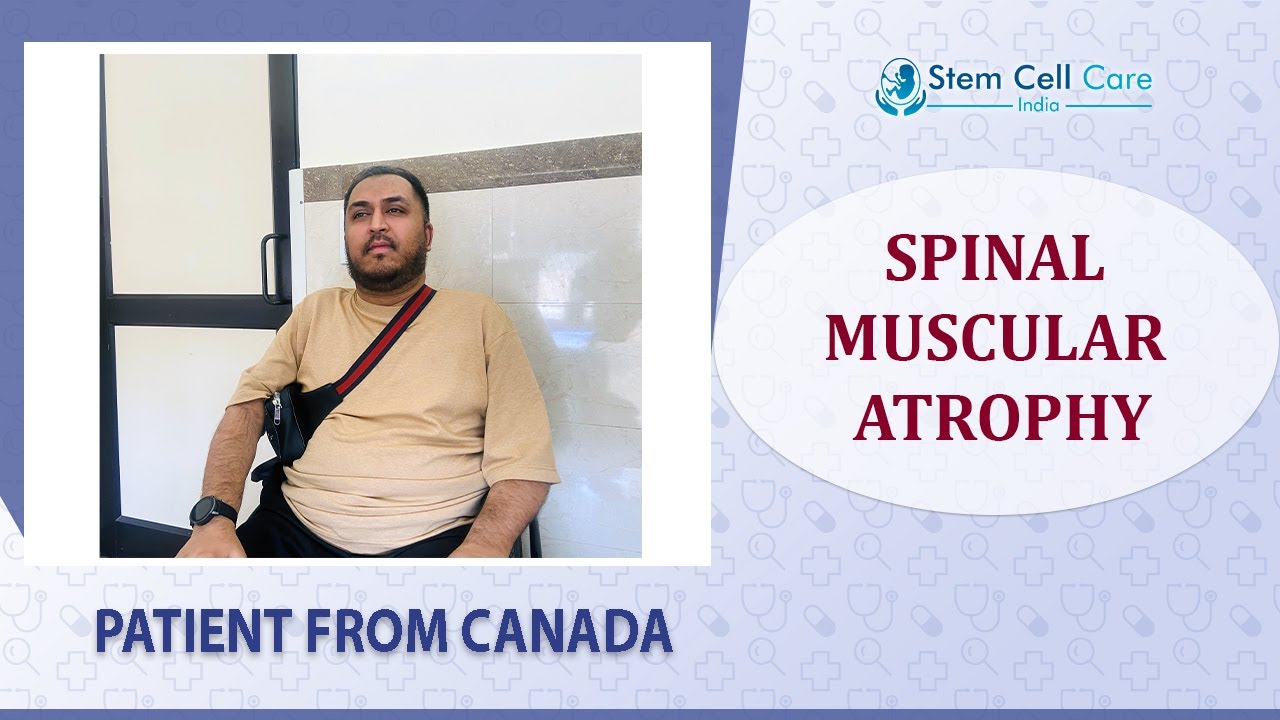
Debra J. Ruiz: My son was diagnosed with Spinal Muscular Atrophy and I was shattered. I consulted with various doctors and finally found Stem Cell Care India. Their doctors helped me get my son treated conveniently and at a very affordable cost. Currently, he is doing much better. Thank you Team SCCI.
Thomas Garner (Schoonhoven): My daughter has spinal muscular atrophy, a rare and life-threatening disease, and the only way to help her is with stem cell treatment. The treatment in the US costs a fortune; however, in India, my daughter can get the treatment for a fraction of the cost. So we found a clinic that offers the stem cell treatment of spinal muscular atrophy to people from all over the world including the US. I am so thankful for this treatment because now my daughter’s condition has improved a lot.
Tushar Singh (Lucknow): This treatment has helped my son a lot. He is able to stand and walk without support. He is able to eat without any help. The treatment was safe and effective. He had no side effects.
Ahmed Hassan, Egypt: My family is from Egypt, and we have come to India in order to get treatment for my son who has Spinal Muscular Atrophy. The doctors of the Stem Cell Care India treated him with patience and helped me understand everything easily. We could see some improvement in his condition after he underwent treatment. I can say that Stem Cell Care India gave him new hope to live.
Sophie Martin, France: I have come from France to India to undergo stem cell treatment for my daughter who is a patient of Spinal Muscular Atrophy. Initially, I must admit that we were quite skeptical about our decision but the hospital staff made us feel comfortable in no time. The doctors are very friendly and clear all our doubts regarding the treatment. We are quite satisfied with our experience.
There are five types of spinal muscular atrophy. The type and manifestation of each are based on the age at which symptoms (of progressive muscle weakness) begin, as well as a person’s highest physical ability reached. No two people can ever be considered the same, even from the same type or stage of SMA as this is a disease with multiple complications. These types of SMA are as follows:
- Type 0 SMA: SMA Type 0 is very rare and most cases are seen as a reduction in the quantity of fetal movement in the weeks before delivery. The baby appears blue in tint at birth (cyanosis) and has a severe weakness, with difficulty breathing, low muscle tone, and abnormalities of the hands and feet. The severity varies, but the baby typically survives three months or less.
- Type 1 SMA: Also known as Werdnig-Hoffmann disease, SMA Type 1 is the most severe and common form of spinal muscular atrophy covering over 60% of all cases. In this type, between 2 and 6 months of age, the child will show a deterioration in motor skills and can ultimately become paralyzed. Babies with SMA Type 1 often need some sort of respiratory assistance or feeding tubes. If not treated early on, this disease can be fatal.
- Type 2 SMA: Type 2 is usually diagnosed after 6 months of age but before 2 years of age. The first sign is often a failure to meet motor milestones or a need for assistance in getting into or out of a seated position and for some increased difficulty in getting here there. Individuals with SMA Type 2 can sit up without assistance, but are unable to walk without crutches and will require a wheelchair.
- Type 3 SMA: SMA type III, which is also called Kugelberg-Welander Disease or Juvenile SMA, can be detected after 18 months of age and up until the age of 3. However, in rare cases, it can be detected later than that and symptoms are varied. A majority of children with this condition initially can walk, but as they grow older their mobility will decrease until they eventually have to start using a wheelchair or cane.
- Type 4 SMA: SMA Type 4 affects less than 1% of all diagnosed cases. It usually surfaces in adulthood and leads to mild motor impairment. Symptoms usually begin around age 35 although they can start as early as 18 years of age, the first symptom will be noticed in adulthood. This rare form of SMA tends to prove fatal between the ages of 40 and 50 years.
It is very important for parents to know how much it costs to treat SMA before they can opt for stem cell therapy for their children. In India, the costs associated with stem cell therapy from Stem Cell Care India are affordable in relation to the quality of treatment received by the patients. The cost of autologous stem cell treatment for SMA patients in India depends on various criteria. First of all, it depends on how severe the patient’s condition is.
Factors That Influence Cost
There are several aspects that may affect the overall costs of an autologous stem cell transplantation for SMA in India, such as:
- The severity of Spinal Muscular Atrophy and its development
- The number and type of stem cell treatments required
- Pre-treatment assessments involving different medical examinations and consultations
- Length of hospital stay and necessary supportive treatments
- Post-procedure rehabilitation and follow-up treatment
- Skills of the medical staff and quality of the healthcare institution
All these aspects may lead to varying expenses, based on the unique medical condition of patients.
Stem cell therapy is a proven treatment that has shown various benefits for people with Spinal Muscular Atrophy and its success rate is surprising for many researchers, therefore leading them to believe that in future, these cells could be used for some next-gen repair and regenerative purposes. The observations made by us as per the achievements in the SMA patients after therapy is considered are as follows:
- There was a substantial improvement in the motor functions of the patients.
- Balance, coordination and Speech improvements were also reported.
- We observed that the patients felt comfort from the neuropathic pain.
- The physique was considerable better after treatment.
- Patients reported that they felt enhancement in muscle tone and strength
Stem cell therapy is now considered a promising method of treatment for severe diseases such as Spinal Muscular Atrophy (SMA). The selection of the right service provider significantly impacts not only safety but also effectiveness and overall satisfaction from therapy. There are multiple benefits of choosing Stem Cell Care India when comparing it to alternative providers of stem cell treatment for SMA. Firstly, a number of significant advantages should be noted:
- Qualified Medical Staff
Professionals have a high level of expertise and extensive practice in stem cell therapy, including rare diseases like SMA.
- State-of-the-Art Equipment
Innovative technological solutions are used to enhance the quality of care and maximize the benefits of stem cell treatment.
- Custom-Tailored Treatment Protocols
Individual approaches are applied in therapy, taking into account patients’ age, specific health issues, and other individual characteristics.
- Reasonable Costs
The price of stem cell therapy is relatively lower compared to numerous foreign clinics.
- Safety Standards
All necessary precautions, testing, and sanitary measures are taken to ensure maximum safety and minimal risks.
- Effective Patient Support
Patients receive assistance before, during, and after the procedure, such as transportation and accommodation arrangements, where necessary.
- More Efficient Scheduling
Waiting periods tend to be shorter, facilitating quicker initiation of treatment.
- Patient-Oriented Approach
The setting is geared toward making patients more comfortable.
- Patient Testimonials
Many patients give positive reviews regarding their experience and quality of life improvements.
- Provision for Follow-Up Care
Patients can undergo regular checks to assess the progress made.
We use top-of-the-line equipment, which harmonizes seamlessly with the highest standards in international guidelines and regulations that dictate the best conditions for stem cell therapy and ensures optimal safety and efficacy as follows:
- Stem cell sources are tested for harmful contaminants to maintain a safer environment for patients.
- To prevent any harm, both samples and media are tested for gram bacteria at various stages of processing.
- After the final wash, the stem cell source is screened for aerobic and anaerobic microorganisms to make sure it’s safe for patients.
- Every single cell batch is tested to ensure that the endotoxin level is low and only if it passes do they enter processing.
- To ensure that the quality of our treatment is the finest, every batch of our cells comes with a “Certificate of Analysis”.
Related Disorders for Stem Cell Treatment
Stem Cell Treatments for Neuropathy
Get Stem Cell Therapy for Intellectual Disabilities
Do you know about Amyotrophic Lateral Sclerosis
cell replacement therapy for Parkinson’s disease
muscle transplant muscular dystrophy
Alzheimer’s disease symptoms and causes
A patient must understand that stem cell therapy is an experimental therapy that may fail to work at certain times, before undergoing this treatment procedure. Depending on the patient’s health condition a patient might be refused treatment or the proposed protocol might change at the time of procedure.
At Stem Cell Care India, our primary goal is to provide the best technology available; safety of which has been proven across the world.
As with any medical treatment, we make no guarantees or claims of cures are made as to the extent of the response to treatment. However, the results may vary from patient to patient, even with a similar diagnosis, as the body’s internal status is unique to each individual patient. Due to this fact, we cannot provide, infer or suggest that there is any certainty of a given outcome. Additionally, we do not use embryonic or fetal cells in any of our treatment process.
India is well known for its stem cell treatment and people across the world choose the country’s medical facilities for better results from spinal muscular atrophy. Spinal muscular atrophy is that disorder in which an individual’s muscles get weak and can lose the ability to move due to motor neuron damage. It can be caused because of SMN1 gene mutations.
People take conventional treatment but it can’t help you properly and may worsen your condition. In this condition, Spinal muscular atrophy stem cell therapy in India takes place. It uses the regenerative ability of stem cells to restore the damaged motor neuron and provide relief. However, why do people only seek India for their stem cell therapy? Will be your question. Well to know the answer it is necessary to read till the end.
Key Reasons to Consider India for Spinal Muscular Atrophy Stem Cell Treatment
Choosing India for stroke stem cell therapy will ensure world-class health care. Specialized hospitals offer innovative treatments at economical rates. Internationally trained doctors provide expert care supported by experienced medical teams. Aftercare is also provided in an excellent manner along with good hospitality services, and patient satisfaction increases. Some other reasons are as follows:
- Affordability: The cost of spinal muscular atrophy stem cell therapy in India is much cheaper compared to many other Western countries, which makes it reachable to a lot of patients in India.
- World-Class Medical Facilities: Well-equipped hospitals and clinics with accreditation are found all over India and are equipped with the latest technologies, so a patient with SMA can receive excellent care.
- Experienced Stem Cell Specialists: Indian doctors and researchers with expertise in stem cell therapy are well trained and experienced to offer individualized treatment plans to each patient.
- Advanced Research and Innovation: India is an active participant in cutting-edge research in stem cell therapy and implements the latest developments into clinical practice.
- Comprehensive Patient Support: Indian hospitals, from visa assistance to post-treatment rehabilitation, ensure that international patients have a smooth experience.
- Minimal Waiting Periods: Unlike most countries, India provides for immediate scheduling of treatment, which is very important for progressive conditions like SMA.
- Cultural and Linguistic Comfort: Most medical professionals in India are English-speaking, which ensures easy communication. In addition, patients feel warm hospitality and a friendly atmosphere.
- Proven Track Record: India has successfully treated over 400+ SMA cases using stem cell therapy, which has given hope to patients and families around the world.
In India, majorly patients of spinal muscular atrophy are from USA, Europe, UK, Tanzania, Indonesia, Yemen, France, and South Africa. They found India has the best medical support for every disease. That’s why they recognise us as their hope of living.
Stem cell therapy can make the muscle stronger and decelerate the advancement of Spinal Muscular Atrophy (SMA). Still, supportive care is extremely crucial for recovery and improved quality of life. All these therapies complement each other in keeping the body functions normal, alleviating distress, and caring for both the patient and the family. Some of the most important supportive therapies are:
- Physical Therapy
- Improves flexibility, strength, and posture
- Prevents the stiffness of joints and tightness of muscles
- Promotes safe movement and mobility
- Occupational Therapy
- Trains patients in everyday activities such as dressing, eating, and writing
- Recommends adaptive devices such as special chairs or tools to simplify life
- Enhances independence in personal and school/work activities
- Diet Counselling
- Provides adequate nutrition for improved energy and muscle function
- Recommends easy-to-swallow and easy-to-digest foods
- Prevents being underweight or overweight, which can worsen weakness
- Psychological Intervention Treatment
- Provides emotional well-being of patients and families
- Reduces stress, anxiety, and depression associated with long-term illness
- Fosters positive coping strategies and self-confidence
- Spinal Cord Injury Walking Track
- Creates safe practice for standing and walking with the aid of assistive devices
- Utilizes specialized equipment and trained personnel to develop balance and coordination
- Assists patients in regaining self-confidence in walking and standing
Conclusion:
Spinal Muscular Atrophy (SMA) is a serious genetic disorder. It affects muscle movement, strength, and nerve function. The condition results from faulty genes inherited from both parents. When both parents carry the gene, the risk increases for the child. Genetic testing can help identify carrier parents early.
SMA appears in different forms, from mild to severe. Type I is the most serious and starts in early stages. Type II develops later but still causes muscle weakness. Type III begins in early adulthood with slow progression. Type IV appears in adulthood and is the mildest form. Each type impacts muscle control differently.
Although there is no complete cure yet, treatment helps manage symptoms. Stem cell therapy and gene therapy offer hope for better outcomes. These treatments may improve movement and slow disease progression. Early diagnosis and consistent medical care are very important.
With modern research and advanced therapies, living with SMA is becoming easier. Many patients can now enjoy improved mobility and better quality of life. Hope continues to grow as science moves closer to finding lasting solutions.
References
National Institutes of Health (NIH) – SMA Overview
Provides detailed information on spinal muscular atrophy, including causes, symptoms, and current treatment approaches. It highlights the role of motor neuron degeneration and ongoing research into advanced therapies.
https://www.ninds.nih.gov/health-information/disorders/spinal-muscular-atrophy
National Institute of Neurological Disorders and Stroke (NINDS)
Offers authoritative medical insights into neurological conditions like SMA, including experimental therapies such as stem cell research and neuroregeneration.
https://www.ninds.nih.gov
PubMed (U.S. National Library of Medicine)
A trusted database of peer-reviewed biomedical research articles, including clinical studies on stem cell therapy and its potential applications in SMA.
https://pubmed.ncbi.nlm.nih.gov
ClinicalTrials.gov
Provides information on ongoing and completed clinical trials involving stem cell therapy for SMA, showing that the treatment is still under investigation.
https://clinicaltrials.gov
Indian Council of Medical Research (ICMR)
India’s apex medical research body offering guidelines and ethical frameworks for stem cell therapy and clinical applications in diseases like SMA.
https://www.icmr.gov.in
Treatment Disclaimer:
We provide consultation, case evaluation, and patient support services in the field of regenerative medicine. As per current medical guidelines in India, stem cell-based interventions (other than approved indications) are considered investigational and are available only within regulated clinical research settings. For patients exploring broader options, we also assist in facilitating access to treatment pathways, including internationally accredited centers where different regulatory frameworks may apply.