📅 Published on: June 20, 2024🔄 Updated on: March 27, 2026By: Stem Cell Care India
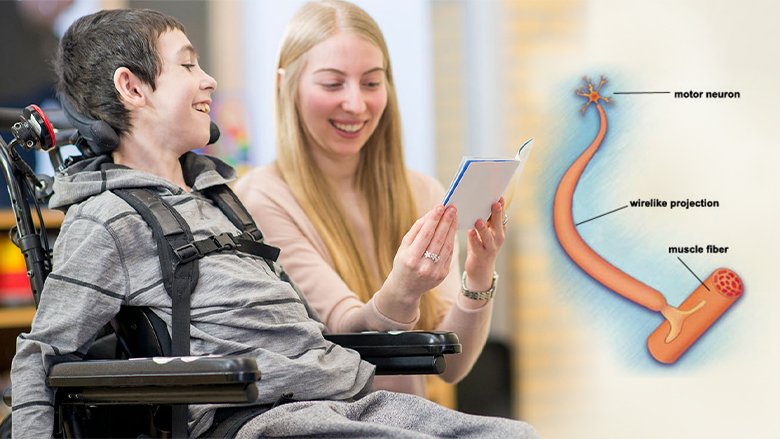
Table of Contents
Research on exosome therapy is only being started as a means of treating several conditions, including spinal muscular atrophy (SMA). Exosomes are tiny vesicles that cells release that are packed with different substances, including lipids, proteins, and nucleic acids. Because of their capacity to transport bioactive chemicals to specific cells, they are essential for cell-to-cell communication and have demonstrated therapeutic promise.
Key Takeaways
- ●Exosome therapy, often combined with stem cells, delivers therapeutic molecules directly to affected neurons and muscles in SMA patients. This targeted approach promotes nerve regeneration, reduces inflammation, and supports muscle repair, improving motor function and overall quality of life.
- ●Exosomes are naturally occurring vesicles, which reduces the risk of immune rejection. The procedure is non-invasive, safe, and can be administered repeatedly, making it a reliable option compared to conventional treatments.
- ●Treatment outcomes are assessed through motor function tests, respiratory evaluations, neurophysiological assessments, and muscle biopsies. These measures help track improvements in nerve and muscle function, as well as the patient’s overall recovery
- ●With advanced facilities, experienced doctors, and patient-centered care, Stem Cell Care India provides cutting-edge exosome therapy, supporting global patients with tailored treatment plans, verified results, and high standards of safety and efficacy.
Exosome Treatment Advantages
When treating Spinal Muscular Atrophy (SMA), exosome therapy has several possible benefits over conventional treatment modalities. The following are some of the main benefits:
Targeted Delivery: Exosomes may be designed to specifically target motor neurons and muscle cells, two cell types impacted by SMA. By accurately delivering therapeutic cargo, such as growth-promoting compounds or neuroprotective substances, to the exact location where it is most required, targeted delivery maximizes effectiveness while minimizing off-target consequences.
Minimal Immunogenicity: Compared to other therapeutic modalities, exosomes are less likely to elicit an immunological response since they are naturally occurring extracellular vesicles generated from cells. Lowering the possibility of negative responses or rejection may make it possible to administer the medication repeatedly without the patient’s developing antibodies to it.
Crossing the Blood-Brain Barrier (BBB): Delivering therapeutic drugs across the blood-brain barrier (BBB) to the central nervous system is one of the hurdles in treating neurological conditions like SMA. It has been demonstrated that exosomes may successfully pass the blood-brain barrier, enabling the delivery of therapeutic cargo to the brain areas and spinal cord damaged by SMA.
Regenerative Potential: Bioactive chemicals found in exosomes generated from stem cells or other cell sources aid in tissue regeneration and repair. Exosome treatment may improve neuromuscular function, encourage the formation of muscle tissue, and stimulate motor neuron regeneration in people with SMA. These effects might improve motor abilities and quality of life.
Possibility for Combination Therapy: To increase the therapeutic efficacy of treatment for SMA, exosome therapy can be used in conjunction with other treatment methods such as gene therapy, small molecule medications, or physical therapy. Exosome therapy in conjunction with additional methods might provide a multimodal treatment plan that targets several facets of SMA pathogenesis.
Mode of Action in Spinal Muscular Atrophy
Exosome therapy’s method of action in Spinal Muscular Atrophy (SMA) is centered on its capacity to transport bioactive chemicals to target cells, namely the disease’s afflicted neurons and muscle cells. Here is a summary of the potential benefits of exosome treatment for SMA.:
- Transport of Therapeutic Payload: MicroRNAs, growth factors, and other compounds with neuroprotective or regenerative qualities are among the therapeutic cargoes that exosomes can carry. These payloads can alter cellular pathways that contribute to the pathophysiology of SMA, including those that support neuronal survival, improve muscular function, or control SMA-related gene expression.
- Neuroprotection and Neuronal Survival: SMA is typified by the spinal cord’s motor neurons degenerating, which results in atrophy and weakening of the muscles. Motor neurons can be shielded from degeneration and assisted using exosomes produced by stem cells or other cell sources. Neurotrophic factors, anti-inflammatory compounds, and microRNAs that control apoptosis and cellular stress responses are a few examples of these factors.
- Promotion of Neuronal Development and Regeneration: Growth factors and signaling molecules that support synapse formation, axonal regeneration, and neuronal development may be found in exosomes. Exosome treatment may enhance motor function and mobility in SMA patients by promoting neuroplasticity and neuronal circuitry.
- Modulation of Immune Responses: The pathophysiology of SMA has been linked to immunological dysregulation and inflammatory processes. Immunomodulatory substances that control immune responses, reduce inflammation, and aid in tissue healing can be carried by exosomes. Exosome treatment may slow the course of the condition and lessen tissue damage in SMA by modifying the immunological milieu in the muscles and spinal cord.
- Stimulation of Muscle Regeneration and Function: Exosome treatment may affect SMA-affected muscle cells in addition to its effects on neurons. Growth factors and myogenic factors that promote muscle regeneration, increase muscular strength, and improve motor function can be delivered via exosomes. Exosome treatment provides a holistic approach to the management of SMA pathology by treating both the neuronal and muscular elements of the condition.
Indicators For Spinal Muscular Atrophy Treatment With Exosome Therapy
Exosome therapy indicators for Spinal Muscular Atrophy (SMA) might include a range of parameters that evaluate the efficacy and safety of the therapeutic strategy. Here are a few possible signs:
Improvement in Motor Function: One of the main ways to assess the effectiveness of treatment for SMA is to track improvements in motor function, such as muscular strength, coordination, and mobility. Measuring gains in motor abilities after exosome treatment may be done using tests like the Revised Upper Limb Module (RULM) or the Hammersmith Functional Motor Scale (HFMS).
Respiratory Function: SMA often impairs the respiratory muscles, which can result in breathing problems and other respiratory issues. Measures of respiratory function improvement, such as peak cough flow or forced vital capacity (FVC), might be useful in determining how well exosome therapy is working as a treatment.
Survival Rates: Tracking the longevity and advancement of the condition in patients undergoing exosome therapy for sickle cell anemia (SMA) is crucial to assessing the treatment’s long-term effectiveness. Examining the differences in survival rates and condition milestones (such as the age at which symptoms appear or the requirement for ventilator support) between those who received treatment and those who did not can shed light on how exosome therapy affects the course of the disease.
Analysis of Muscle Biopsies: Histological and molecular analysis of muscle biopsies can yield important insights into how exosome treatment affects the regeneration of muscle tissue, the distribution of fiber sizes, and the expression of molecular markers linked to the pathogenesis of SMA. Following therapy, positive alterations in muscle histology and gene expression patterns may point to a therapeutic effect.
Neurophysiological Assessments: In people with SMA, neuromuscular connections and motor neurons can be evaluated for functional integrity using electrophysiological techniques such as nerve conduction tests and electromyography (EMG). Following exosome treatment, improvements in neurophysiological measures might mean that neuronal function and neuromuscular transmission have been restored.
Spinal Muscular Atrophy- Procedure
Exosome therapy for Spinal Muscular Atrophy involves isolating and engineering exosomes loaded with therapeutic cargo, then administering them via routes like intravenous or intrathecal injection. Patients undergo close monitoring for treatment response and potential adverse effects while receiving comprehensive multidisciplinary care to optimize outcomes.
Stem Cell Care India in Delhi is one of the best healthcare consultants equipped to assist patients in achieving the desired outcomes, thanks to its specialized laboratories that include all the technology required to carry out any Exosome therapy effectively. Before beginning any treatment, great care is taken to guarantee that every product passes a stringent screening process that attests to its sterility, user safety, and endotoxin testing.
The Role of Stem Cells and Exosomes in Managing Spinal Muscular Atrophy
There has been considerable advancement in exosome therapy in dealing with neurological disorders. Amongst the most developed procedures for its application are stem cell therapy in combination with exosomes. These are microscopic entities of a cell that are involved in cell communication for healing. The procedure turns out to be of a lot of use to patients, who can then experience healing in nerves, less inflammation, and muscle function.
- Assists in Nerve Regeneration: The property of stem cells to differentiate into nerve cells is very advantageous. The stem cells also assist in the regeneration of damaged motor nerves. The growth factors, which are found in the exosomes from the stem cells, assist in the formation of new nerve cells.
- Reduces Inflammation: The reason for most neurological conditions lies partly in the inflammation of the immune system, where the nerves are harmed further. Exosomes have a natural mechanism that can decrease inflammation of the immune system, and stem cells also help to decrease inflammation.
- Carries Therapeutic Molecules: Exosomes could also be termed as mini-carriers since they carry proteins, RNA, and other molecules to target cells. This is because exosomes and stem cells can work very well in places they are meant to be.
- Assists in Muscle Health: Damaged nerves result in weak muscles, as they are unable to communicate or respond to the muscle effectively. Stem cells and exosomes can assist in improving the strength by allowing the nerve to communicate effectively with the muscle.
- Safe & Non-Invasive Procedure: The process of exosome transfer has fewer chances of immune rejection as compared to the usual cell transfer procedure. The combination of stem cells & exosomes makes it a reliable & non-invasive procedure used in the treatment of the patient.
- Assists in Overall Recovery: The combination developed in the presence of stem cells and exosomes in the body is an indicative environment that assists in recovery. Both of these work towards the development of reduced scarring and survival and hence assist in overall recovery.
Why Patients Choose Stem Cell Care India for Exosome-Based SMA Treatment?
Stem Cell Care India is committed to providing cutting-edge regenerative therapies to give a new lifeline to patients suffering from Spinal Muscular Atrophy (SMA). Our exosome therapy works to repair damaged nerve tissues, alleviate inflammation, and aid in muscle management. This is why patients seek our care at Stem Cell Care India:
- Expert Team of Doctors
Our doctors, stem cell specialists, as well as our neurologists, have many years of experience in regenerative medicine. They provide personal care for optimum outcomes.
- Advanced Exosome Therapy
We employ the most advanced technology to derive and process exosomes from stem cells. These tiny vesicles carry molecules that support nerve repair and improve muscle strength in SMA patients.
- Patient-Centered Approach
Every treatment plan is tailored based on the patient’s condition. We closely follow up on every patient to confirm that the treatment is safe and effective.
- Modern Facilities
We are equipped with world-class laboratories and medical equipment that enable us to perform safe and high-quality exosome therapy.
- Global Patient Support
We assist patients with travel and accommodation arrangements, and appointments with healthcare professionals to ensure that their experience is stress-free and smoother.
- Verifiable Track Records
At least several thousand patients have been successfully treated with our stem cells and exosomes. Our research-based model combined with ongoing patient monitoring ensures enhanced efficacy and patient satisfaction.
To Cap It Off
Exosome therapy has emerged as an emerging therapeutic approach that can treat Spinal Muscular Atrophy (SMA). The therapy involves the use of very small vesicles known as exosomes that contain very critical proteins and genetic material that can be used to preserve damaged nerve cells. These exosomes have been found to aid in reducing inflammation and optimizing functions of nerve cells. Also, they can help to optimize muscle strength. Unlike conventional therapies that are more invasive and involve the use of very harmful chemicals that can have adverse effects on human health, exosome therapy is relatively less invasive and can specifically target the affected regions.
Frequently Asked Questions
Q1. Can adults with SMA receive this therapy?
Ans: Yes, adults can benefit. Exosomes help repair nerve cells and improve muscle strength, even in adult SMA patients, though results may be slower than in children.
Q2. Are the effects permanent?
Ans: Effects may last months, but repeated sessions may be needed. Long-term outcomes are still being studied in SMA patients.
Q3. How can I know if I’m eligible?
Ans: Eligibility is determined by a doctor based on SMA type, age, health, and previous treatments. A medical evaluation is required before therapy.
Q4. What makes Stem Cell Care India different?
Ans: We have expert doctors, advanced labs, personalized care, and a track record of successful regenerative treatments for SMA patients.
Q5. What type of exosomes do you use for SMA treatment?
Ans: We use stem cell-derived exosomes, prepared under strict lab protocols. They carry therapeutic molecules that repair nerve cells, reduce inflammation, and improve muscle strength safely and effectively.
Q6. How is the therapy administered, and is it painful?
Ans: Exosomes are given through intravenous infusion or targeted injection near affected muscles. The procedure is minimally invasive, mostly painless, and performed under expert supervision with monitoring for comfort.
Q7. What results can we realistically expect, and in what timeframe?
Ans: Patients may notice improved muscle strength and movement within weeks, while others may take months. Results vary depending on SMA type, age, and overall health condition.
Q8. Can exosome therapy be combined with other treatments like physiotherapy?
Ans: Yes. Combining with physiotherapy or other regenerative treatments can enhance muscle strength, improve mobility, and maximize the benefits of exosome therapy for SMA patients.
Q9. What safety measures and quality standards do your labs follow?
Ans: Our labs follow strict international protocols for stem cell handling and exosome preparation. Each batch is tested for purity, safety, and effectiveness before administration to patients.
Q10. How experienced is your team with SMA patients?
Ans: Our team includes doctors and specialists with extensive experience in regenerative medicine and SMA care, ensuring safe administration and personalized support throughout the therapy process.
Q11. What is the total cost, and does it include follow-up care?
Ans: Cost depends on therapy plan, number of sessions, and patient needs. Our package includes follow-up consultations, monitoring, and guidance to ensure optimal recovery and results.
Q12. Is exosome therapy FDA-approved for SMA?
Ans: Exosome therapy is currently experimental for SMA. It is offered in India as an advanced regenerative treatment under expert supervision, following strict safety protocols.
Reference:
PMC article (NIH / government affiliated): Exosome Source Matters: A Comprehensive Review from the Perspective of Regenerative Therapy — comprehensive discussion on exosome properties and therapeutic applications, including regenerative and targeted treatments.
https://pmc.ncbi.nlm.nih.gov/articles/PMC11858990/
Although not a government policy page, this is NIH‑indexed scientific research showing that SMN protein can be released in exosomes (relevant to SMA research and potential biomarkers).
https://pubmed.ncbi.nlm.nih.gov/29066780/
Treatment Disclaimer:
We provide consultation, case evaluation, and patient support services in the field of regenerative medicine. As per current medical guidelines in India, stem cell-based interventions (other than approved indications) are considered investigational and are available only within regulated clinical research settings. For patients exploring broader options, we also assist in facilitating access to treatment pathways, including internationally accredited centers where different regulatory frameworks may apply.