Table of Contents
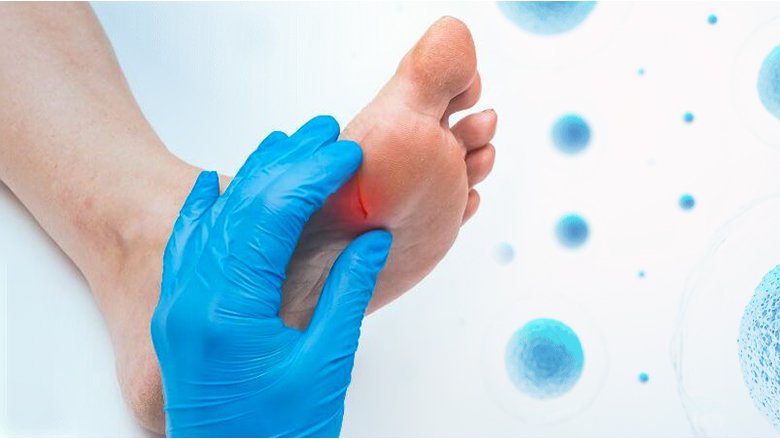
Exosome treatment for diabetic foot ulcers is one of the promising renewing therapies that have the healing properties of exosome derived from (MSCs) mesenchymal stem cells. In this content, we are going to give an overview of how exosome treatment is helpful for diabetic foot ulcer conditions.
Key Takeaways
- Exosome therapy derived from mesenchymal stem cells (MSCs) promotes faster wound healing by enhancing cell proliferation, differentiation, and migration. It delivers essential growth factors that stimulate angiogenesis, repair damaged tissues, and support overall tissue regeneration, leading to quicker wound closure and improved recovery
- Administered via topical application or injection, exosome therapy is a low-risk, minimally invasive option. Being cell-free and biologically compatible, it carries a minimal risk of immune rejection or adverse reactions, making it safer than conventional surgical treatments.
- By reducing inflammation and supporting balanced tissue repair, exosomes help decrease chronic pain and minimize scar formation. This improves the functional and cosmetic outcome, enhancing the patient’s mobility and quality of life.
- Combined with stem cell therapy, exosomes improve blood flow, prevent recurrence, and provide sustained healing. Patients benefit from personalized care, monitoring, and guidance throughout the treatment process, ensuring better outcomes and long-lasting results.
Advantages of Exosome Treatment
Exosome treatment for diabetic foot ulcers offers many advantages because of its innovative approach that harnesses the regenerative and immunomodulatory properties of exosomes derived from mesenchymal stem cells (MSCs). Below are some of the advantages:
- Enhanced Wound Healing: Exosomes accelerate the healing process by promoting cell proliferation, differentiation, and migration. They deliver important growth factors such as VEGF and TGF-β. It stimulates the formation of new blood vessels (angiogenesis) and the repair of damaged tissues. It leads to faster wound closure and reduced healing times.
- Anti-inflammatory Effects: Exosomes carry anti-inflammatory cytokines and microRNAs that modulate the immune response, reducing local and systemic inflammation. This helps create a conducive environment for healing. It prevents further tissue damage and reduces pain and swelling.
- Promotion of Angiogenesis: By enhancing angiogenesis, exosomes improve blood flow to the ulcer area. This increased vascularization ensures a better supply of oxygen and nutrients. These are critical for tissue repair and regeneration and help in the formation of healthy granulation tissue.
- Minimally Invasive and Safe: Exosome therapy is typically administered through topical application or injection, making it less invasive than surgical options. This reduces the risk of complications, infection, and lengthy recovery times. Additionally, exosomes have a low risk of immune rejection and adverse reactions because they are cell-free and biologically compatible.
- Reduced Scar Formation: Exosomes promote balanced tissue repair. It can result in reduced scar formation compared to traditional healing processes. This not only improves the cosmetic outcome but also maintains better tissue functionality.
- Pain Reduction: By targeting inflammation and promoting tissue repair, exosome treatment can significantly reduce chronic pain associated with diabetic foot ulcers. It improves the patient’s quality of life and enables better mobility.
- Long-term Benefits: By promoting natural healing processes and reducing the recurrence of ulcers. Exosome treatment can provide long-term benefits. It decreases the likelihood of future complications and hospitalizations. It ultimately leads to better patient outcomes and quality of life.
Mode of Action in Diabetic Foot Ulcers
Exosome treatment for diabetic foot ulcers operates through various sophisticated mechanisms, utilizing the regenerative and immunomodulatory properties of exosomes derived from ((MSCs) mesenchymal stem cells. Given below are some of the modes of action for diabetic foot ulcers:
- Cell Communication and Signaling:
- Bioactive Molecules Delivery: Exosomes facilitate cell-to-cell communication by delivering bioactive molecules such as proteins, lipids, and RNAs to target cells. This influences cellular behavior, promoting healing and regeneration.
- Paracrine Signaling: Exosomes act as paracrine signaling mediators, transferring signals that modulate the activity of surrounding cells, enhancing coordinated healing responses.
- Tissue Regeneration:
- Growth Factors: Exosomes carry growth factors like VEGF (vascular endothelial growth factor), TGF-β (transforming growth factor-beta), and IGF (insulin-like growth factor). These factors stimulate the proliferation and differentiation of cells necessary for tissue repair and regeneration, such as fibroblasts and keratinocytes.
- Stem Cell Activation: Exosomes can activate local stem cells, encouraging them to migrate to the wound site and participate in the repair process.
- Anti-inflammatory Mechanisms:
- Cytokine Modulation: Exosomes contain anti-inflammatory cytokines and microRNAs that modulate the immune response. They decrease the production of pro-inflammatory cytokines (e.g., TNF-α, IL-1β, IL-6) and increase anti-inflammatory cytokines (e.g., IL-10), leading to reduced local and systemic inflammation.
- Macrophage Polarization: Exosomes influence macrophages to shift from a pro-inflammatory (M1) phenotype to an anti-inflammatory and tissue-repairing (M2) phenotype, aiding in the resolution of inflammation and promoting healing.
- Angiogenesis:
- Vascular Formation: Exosomes promote the expression of angiogenic factors. It enhances the formation of new blood vessels. Improved vascularization is important for delivering oxygen and nutrients to the ulcer area. It supports tissue repair and reduces hypoxia.
- Reduction of Oxidative Stress:
- Antioxidant Properties: Exosomes contain antioxidants that reduce oxidative stress in the wound area. Neutralizing reactive oxygen species (ROS) helps protect cells from oxidative damage. It is often elevated in chronic wounds.
- Apoptosis Inhibition:
- Anti-apoptotic Signals: Exosomes deliver molecules that inhibit apoptosis (programmed cell death) in damaged tissues. It preserves cell viability and promotes healing. This helps in maintaining the structural integrity of the tissue during the healing process.
- Matrix Remodeling:
- Extracellular Matrix (ECM) Interaction: Exosomes contribute to the remodeling of the extracellular matrix. It provides a scaffold that supports new tissue formation. They regulate the deposition and degradation of ECM components. It ensures proper wound healing and structural integrity.
Indicators For Diabetic Foot Ulcers With Exosome Treatment
Indicators for assessing the effectiveness of exosome treatment in diabetic foot ulcers encompass biochemical, clinical, and imaging assessments to see the improvements in healing and inflammation pain. Below are the indicators:
- Clinical Indicators
- Measurement: Regular assessment of wound dimensions (length, width, and depth) using standardized wound measurement tools or digital imaging techniques to document the decrease in ulcer size over time.
- Healing Time:
- Time to Closure: Tracking the time taken for the wound to achieve complete epithelialization and closure compared to baseline and conventional treatments.
- Tissue Quality:
- Granulation and Epithelialization: Visual and histological assessment of the wound bed for healthy granulation tissue formation and new epithelial growth, indicating effective tissue repair.
- Pain Reduction:
- Pain Scores: Monitoring patient-reported pain levels using standardized pain scales (that is Visual Analog Scale, VAS) to evaluate the reduction in pain associated with the ulcer.
- Recurrence Rate:
- Ulcer Recurrence: Recording the incidence of ulcer recurrence after treatment completion, indicating the durability of the healing achieved with exosome therapy.
- Biochemical Indicators:
- CRP and ESR Levels: Measuring levels of C-reactive protein (CRP) and erythrocyte sedimentation rate (ESR) to monitor systemic inflammation. A decrease in these markers indicates reduced inflammatory activity.
- Cytokine Profile: Assessing levels of pro-inflammatory and anti-inflammatory cytokines (e.g., TNF-α, IL-1β, IL-6, IL-10) to gauge the inflammatory status and immune modulation.
- Oxidative Stress Markers:
- Antioxidant Capacity: Evaluating oxidative stress markers and the body’s antioxidant capacity to determine the reduction in oxidative damage, which can impede healing.
- Imaging Indicators:
- Blood Flow: Using Doppler ultrasound to assess blood flow and perfusion in the ulcer area. Improved perfusion indicates enhanced angiogenesis and vascularization.
- MRI/CT Scans:
- Tissue Integrity: Advanced imaging techniques like MRI or CT scans can provide detailed information on tissue integrity, depth of the ulcer, and the extent of healing in underlying structures.
The Procedure of Diabetic Foot Ulcers With Exosome Treatment
Diabetic foot ulcer treatment with exosome therapy includes isolating exosomes from mesenchymal stem cells and then putting them via injection into the affected site. With the help of these exosomes, they deliver bioactive molecules which promote tissue regeneration, and angiogenesis.
It also reduces inflammation, accelerating wound healing and improving overall tissue health.
SCCI Stem Cell Care India is one of the greatest healthcare consultants in Delhi, giving the best advice and treatment at the best place according to your preference at very affordable prices.
Stem Cells with Exosomes: An Advanced Approach to Diabetic Foot Ulcers Care
Stem cell and exosome therapy have equally demonstrated notable promise in the management and treatment of chronic wounds. Through the combination of these two cutting-edge treatments, an individual is placed at a position to heal faster. Stem cell therapy introduces very effective healing agents into an individual’s body, while exosome therapy provides effective healing instructions through these extracellular vesicles. These treatments play a harmonious joint role in ensuring an efficient healing process. Among the most notable reasons why stem cell and exosome therapy is efficient is listed in the paragraphs that follow.
- Promotes Faster Tissue Repair: Stem cells are able to transform into different types of cells required for the repair, and exosome signals facilitate faster regeneration of tissues.
- Reduces Inflammations: Wounds can become chronic because of excessive inflammations in these areas where stem cells can reduce these inflammations to a manageable level to promote a healing environment.
- Enhances the Formation of Blood Vessels: Proper circulation of the blood is vital for the healing of the wound; stem cells are instrumental in the formation of improved blood vessels. Exosomes in the stem cells secrete growth factors that enhance the circulation of the blood in the affected area.
- Supports Cell Survival: Cells in the wounded zone are often in distress or dying. Exosomes give the cells the required protection to enable their survival. At the same time, stem cells replace dead cells in the injured zone with healthy cells.
- Prevents Infection: They are able to produce a protective element that combats destructive bacteria, and the presence of an exosome supports the immune system. This is important as a preventive measure for healing to take place.
- Improves Long-Term Healing Results: When both stem cells and exosomes act together to heal an injury instead of either component alone, not only is the healing process quicker, but the healed tissues also remain healthier for long periods of time. This ensures that the injury does not occur again.
Key Reasons to Select Stem Cell Care India for Diabetic Foot Ulcers Exosome Treatment
Generally, diabetic foot ulcers are painful lesions, usually slow-healing wounds. It has been observed that diabetic patients face great challenges regarding infections relating to their diabetic foot ulcers. Even conventional interventions, including the use of bandages, antibiotics, as well as surgical procedures, cannot completely heal the lesions. However, we have developed an advanced kind of treatment for diabetic patients, which includes the use of exosome therapy. It is a type of stem cell material, which has the ability to heal the lesions quickly. This type of material heals the lesions naturally.
- Expert Medical Team: It is of immense importance to note the fact that our medical staff comprises erudite medical specialists with vast knowledge and exposure in the medical niche of regeneration therapy. Every patient gets access to thorough medical examination and diagnosis, with the medical team developing unique medical programs to cater to the individual needs of each patient.
- Advanced Technology and Quality Standard: Advanced technology is being used to ensure safe extraction of these valuable vesicles. The entire extraction route guarantees patients of high purity, quality, potency, safety, and high effectiveness of the extracted exosomes in stimulating healing of the wounds.
- Faster and Effective Healing: The exosome therapy increases the rate of tissue repair by facilitating the growth of new cells, enhancing blood flow, and reducing inflammation. Many patients reported that they had experienced significant improvement within weeks, hence making it faster than conventional methods.
- Comprehensive Care and Support: Supporting the patient in each stage of the healing process, our care for him or her will be inclusive of follow-ups, monitoring the progress of the wound, nutrition advice, foot hygiene, and general advice on lifestyle modification that will prevent further complications. Feeling supported and confident through the course of treatment-that is what patients deserve.
- Minimally Invasive and Safe: Exosome treatment constitutes a nonsurgical and minimal invasion and does not cause much pain to the patients. There is hardly any risk compared to conventional surgery; recovery is fast, and patients can carry on their routine work during and after treatment.
- A Trusted Choice for Patients across India and Abroad: We have had numerous patients from India and other countries select Stem Cell Care India as their exosome therapy clinic. Our success rate and satisfied patients have made us a reliable option for regenerative treatments of diabetic foot ulcers.
Concluding Remarks
Exosome therapy is one of the new and exciting remedies for diabetic foot ulcers. It allows the human body to heal faster with the help of microscopic cylinders containing growth factors and signals of healing, which can travel straight to the affected areas and promote the processes of recovery. It causes less pain and infection for individuals with diabetic ulcers when compared to other available remedies. Even though further medical investigations are needed, exosome therapy for diabetic foot ulcers shows exciting trends of yielding satisfying results for the human body to heal rapidly.
Frequently Asked Questions
Q1. Can exosome therapy help slow-healing diabetic foot ulcers?
Ans: Yes, exosome therapy stimulates tissue repair and improves blood flow, helping ulcers that are slow to heal recover faster.
Q2. How does exosome therapy improve wound healing?
Ans: Exosomes deliver growth factors and proteins that encourage new cell growth, reduce inflammation, and repair damaged tissue in the ulcer area.
Q3. Is exosome therapy suitable for all diabetic foot ulcers?
Ans: It is most effective for chronic or non-healing ulcers. Doctors evaluate the ulcer’s severity and infection status before starting therapy.
Q4. Does exosome therapy reduce pain in foot ulcers?
Ans: Yes, by lowering inflammation and supporting tissue repair, patients often experience reduced pain and discomfort over time.
Q5. How is exosome therapy given for diabetic foot ulcers?
Ans: It can be applied directly into the ulcer or given intravenously to reach damaged tissues and promote faster healing.
Q6. Can exosome therapy prevent complications like infection or gangrene?
Ans: Yes, by supporting faster healing and tissue repair, exosome therapy may reduce the risk of infections and serious complications.
Q7. How many treatments are usually needed for diabetic foot ulcers?
Ans: Some patients heal with one session, but larger or severe ulcers may require multiple treatments for complete recovery.
Q8. Are there side effects of exosome therapy for foot ulcers?
Ans: Side effects are rare and usually mild, such as temporary soreness, swelling, or fatigue, which resolves within a few days.
Q9. Can exosome therapy be used with standard wound care?
Ans: Yes, it is often combined with proper dressing, cleaning, and diabetes management for best results.
Q10. Does Stem Cell Care India provide specialized care for foot ulcers?
Ans: Yes, they offer advanced exosome therapy with expert supervision, personalized treatment plans, and regular follow-ups for optimal healing.
Q11. Can exosome therapy help large diabetic foot ulcers?
Ans: Yes, exosome therapy can support tissue repair even in larger ulcers by promoting cell growth and improving blood supply to the affected area.
Q12. Does exosome therapy reduce swelling around foot ulcers?
Ans: Yes, by lowering inflammation, exosome therapy can help decrease swelling and make healing more comfortable.
References:
A 2024 research overview that highlights the regenerative and paracrine role of MSCs and their exosomes in diabetic wound healing.
PubMed: Advancements in diabetic foot ulcer research (MSCs & exosomes)
This 2025 PubMed review describes MSC‑derived exosomes as therapeutic agents affecting multiple pathways: immunomodulation, angiogenesis, cell migration, and collagen remodeling. PubMed: MSC‑derived exosomes & DFU therapy
Comprehensive review summarizing basic and translational science on MSC‑derived exosomes in diabetic chronic wound healing.
PubMed: Role of stem cell‑derived exosomes in DFU healing
Highlights the mechanisms through which exosomes from adipose tissue MSCs promote wound healing — inflammation control, angiogenesis, and ECM remodeling.
PubMed: ADSC‑derived exosomes for DFU treatment
Treatment Disclaimer:
We provide consultation, case evaluation, and patient support services in the field of regenerative medicine. As per current medical guidelines in India, stem cell-based interventions (other than approved indications) are considered investigational and are available only within regulated clinical research settings. For patients exploring broader options, we also assist in facilitating access to treatment pathways, including internationally accredited centers where different regulatory frameworks may apply.