📅 Published on: April 12, 2026 | 🔄 Updated on: April 12, 2026 | By: Stem Cell Care India

Key Takeaways
- Early Diagnosis is Important: Detecting Hashimoto’s disease at an early stage helps manage thyroid hormone levels and prevent long-term complications. Regular blood tests and medical checkups play a key role in monitoring thyroid health.
- With correct treatment, lifestyle changes, and medical guidance, symptoms like fatigue, weight changes, and mood imbalance can be reduced effectively.
- Stem cell therapy for Hashimoto’s disease in India is being researched as a regenerative approach to support immune balance and thyroid function. Results may vary from patient to patient.
- Regular follow-ups, balanced nutrition, stress management, and proper rest improve overall outcomes and help maintain long-term health improvements after therapy.
Hashimoto’s disease is an autoimmune disease that primarily affects the thyroid glands in the body. In this disease, the body’s immune system acts against the thyroid glands. The thyroid glands are small glands in the neck that regulate metabolism, energy, and many other body functions by producing certain hormones in the body. When the glands are impaired, they cannot produce the necessary thyroid hormones.
This leads to hypothyroidism. When the glands are impaired, the body’s metabolism, energy, and other functions slow down. This leads to various symptoms such as fatigue, weight gain, and sensitivity to cold. In recent times, Stem cell therapy for Hashimoto’s disease in India is being researched as an alternative therapy for the disease.
How It Affects Everyday Life and Long-Term Health?
Hashimoto’s disease can significantly influence a person’s lifestyle when the disease is not well managed. For instance, the patient will feel tired, lack energy, and experience problems concentrating. The patient will also experience problems in their daily activities due to muscle weakness and lack of concentration.
The disease will also influence the patient’s mood, causing depression and disrupting their sleeping pattern. Eventually, the disease will lead to severe health conditions such as high cholesterol levels, heart problems, infertility, and nerve damage.
The disease will also influence the patient’s metabolism and weight management. The symptoms of the disease will occur gradually, and the patient will not know they have the disease until it starts influencing their health.
Why Early Treatment Is Important?
Early diagnosis and treatment of Hashimoto’s disease are extremely important for the maintenance of good health. If the disease is diagnosed at an early stage, the levels of hormones can be controlled, and the gland can be saved from further damage. If the disease is diagnosed at an early stage, the patient’s energy, metabolic rate, and lifestyle can be improved.
Moreover, the risk of heart problems, severe hypothyroidism, and other autoimmune diseases can also be avoided. Now, new regenerative treatments, such as stem cell therapy for Hashimoto’s disease in India, are being explored.
Hashimoto’s disease can manifest in different ways depending on how the immune system affects the thyroid gland. The progression of Hashimoto’s disease can be slow, and the symptoms vary from person to person. Doctors classify Hashimoto’s disease into different types depending on the level of hormones, how the immune system affects the thyroid, and changes in the gland. Knowing the different types of Hashimoto’s disease helps doctors determine the best course of action to treat the disease.
- Classic Hashimoto’s Thyroiditis
This is the most common type of Hashimoto’s disease. In this type, the immune system slowly damages the thyroid gland, resulting in low hormone production. People slowly develop symptoms associated with low hormone production.
- Hashitoxicosis
This type of Hashimoto’s disease is characterized by the release of excess thyroid hormone into the blood. This excess hormone release into the blood is a result of the inflammation of the thyroid gland.
- Atrophic Hashimoto’s Thyroiditis
In this type of Hashimoto’s, the thyroid gland does not increase in size as it should, but rather decreases in size over time. The immune system attacks and destroys some of the gland, resulting in reduced hormone production.
- Goitrous Hashimoto’s Thyroiditis
In this type of Hashimoto’s, the thyroid gland is affected, resulting in an abnormal swelling in the neck, called a goiter, as the gland increases in size. The increase in size is due to inflammation of the gland, and the level of hormones may be normal or low.
- Postpartum Autoimmune Thyroiditis
This type of Hashimoto’s occurs in women after giving birth, resulting from changes in the immune system following pregnancy. The symptoms may include high levels of hormones for a short time, followed by low hormone levels, and then stabilize.
- Subclinical Autoimmune Thyroiditis
In this type of Hashimoto’s, symptoms may not be obvious, and the only sign is low levels of hormones, as indicated by blood tests, and monitoring is necessary for proper diagnosis.
Hashimoto’s disease is caused by various internal and external factors that affect the immune system. In this condition, the immune system of the human body attacks its thyroid gland, which impacts the ability of the gland to produce hormones. Researchers have suggested that this disease is not caused by a single factor, but it is caused by multiple factors. These factors include:
- Genetic Factors
Hashimoto’s disease is caused by genetic factors, which increase the risk of developing this disease. People who have family members suffering from thyroid gland disorders and autoimmune diseases have higher chances of developing this disease.
- Autoimmune System Dysfunction
The immune system is responsible for protecting the human body from diseases. In this condition, it attacks the thyroid gland, which impacts it adversely.
- Hormonal Changes
Hormonal changes, especially in women, increase the risk of developing this disease. This is the reason why this disease is commonly seen in women, whereas it is less commonly seen in men.
- Excess Iodine Intake
Excessive consumption of iodine, which may arise from food, supplements, or medication, may sometimes cause autoimmune thyroid problems.
- Environmental Triggers
Exposure to toxins, pollutants, and radiation in the environment may have an impact on the immune system, which may sometimes increase the risk of autoimmune thyroid disease.
- Viral or Bacterial Infections
Some infections may stimulate the immune system in such an unusual manner that the immune system attacks the thyroid gland. Such infections may sometimes serve as triggers for Hashimoto’s disease in people who have the genetic predisposition for the disease.
- Stress and Lifestyle Triggers
Stress is known to have an impact on the immune system. Lack of sleep, an unhealthy diet, and physical inactivity may also have an impact on the immune system, which may sometimes increase the risk of thyroid disease.
- Other Autoimmune Diseases
People who have other autoimmune diseases, including type 1 diabetes, rheumatoid arthritis, and lupus, have an increased risk of getting Hashimoto’s disease because their immune system is already predisposed to attacking their own tissues.
Many individuals with this medical condition experience a number of symptoms, both physical and mental, although they may take time to develop. At first, the symptoms may be so minor that one may choose to ignore them, although as time progresses, the symptoms may become more pronounced and may influence one’s life, energy, and health in general. Therefore, being aware of the symptoms is essential, as it will help individuals seek medical attention and improve their health.
- Persistent Fatigue: An individual may feel tired despite sleeping adequately. The body may lack the energy needed for normal body functions, and all activities may seem to require so much energy.
- Unexplained Weight Gain: Some individuals may experience weight gain despite no changes in their lifestyle, such as diet and exercises. This is due to the slowing down of the body’s metabolism, such that the body finds it hard to burn calories.
- Feeling Cold Frequently: Many individuals may find themselves feeling cold despite the warm temperature, as the body may be producing little or no heat at all.
- Dry Skin and Hair Changes: The skin may also become dry, rough, or pale. Hair may also become thin, brittle, and fall out more easily than usual.
- Swelling in the Neck: Some people also notice that the front of their neck becomes swollen or full. This can cause discomfort or the feeling of tightness in the neck.
- Muscle Weakness and Joint Pain: Weak muscles and painful joints are also very common. Some people may have difficulty climbing stairs, lifting objects, or engaging in other physical activities.
- Memory Problems and Difficulty Concentrating: Most people also experience something called ‘brain fog.’ This is where they have difficulty focusing, remembering, or concentrating on their daily activities.
- Mood Changes and Depression: Some people also experience mood changes, which may include depression, sadness, or feeling worried. Some people may also lose interest in the activities they once enjoyed.
The diagnosis of this medical condition is essential in understanding the extent of the damage to the thyroid glands and providing appropriate medical attention for the condition. Doctors often use medical history, physical examination, and other medical tests to diagnose this medical condition correctly. The early diagnosis of this medical condition helps in the prevention of possible complications such as fatigue, weight changes, and hormonal imbalances. The following are some of the medical procedures that medical experts use to diagnose this medical condition and prevent possible complications associated with it.
- Medical history and symptoms review
The medical expert starts by asking questions about the medical symptoms, such as fatigue, weight changes, sensitivity to cold, hair loss, and mood changes, experienced by the patient with the medical condition.
- Physical examination
The medical expert checks the area around the neck to check for the swelling of the thyroid glands. The doctor may also observe signs like dry skin, slow heart rate, or puffiness around the face.
- Thyroid function blood tests
The most commonly used tests to assess thyroid activity involve blood tests. In blood tests, Thyroid Stimulating Hormone (TSH) and thyroid hormones, such as T3 and T4, are usually measured. High levels of TSH and low levels of thyroid hormones may be indicative of an improperly functioning thyroid gland.
- Thyroid antibody tests
In these blood tests, doctors usually check for the presence of thyroid peroxidase antibodies, commonly known as TPO antibodies, and thyroglobulin antibodies. The presence of these antibodies indicates that the immune system is attacking the thyroid gland.
- Thyroid ultrasound imaging
In this imaging technique, sound waves are used to produce pictures of the thyroid gland. This imaging technique is used by doctors to examine the size, texture, and structure of the gland, as well as inflammation and nodules.
- Regular monitoring tests
Doctors usually recommend blood tests to monitor thyroid hormone levels and assess how well the treatment is working.
Stem cells are special cells in the body that can grow into different cell types. This has led to a lot of research into using these special cells to treat various health problems. Stem cell therapy is a process used to treat health problems by using these special cells to repair, replace, or regenerate damaged tissues in the body.
To do this, stem cells are obtained from various sources, including bone marrow, fat tissue, or tissue from the umbilical cord. These special cells are then inserted into the body after processing, with the intention of repairing damaged tissues. This process has shown promise in helping the body heal, improving the healing process.
What is Stem Cell Therapy for Hashimoto’s Disease?
Stem cell therapy for Hashimoto’s disease is an advanced medical approach that aims to support the immune system and improve thyroid function. In this therapy, special cells called stem cells are used because they have the ability to repair and regenerate damaged tissues. Doctors collect stem cells from safe sources and process them in a controlled laboratory environment.
These cells are then introduced into the patient’s body to help reduce inflammation and support the healing of thyroid tissue. The goal of this therapy is to help balance the immune response and improve overall thyroid health. Research is still ongoing to better understand its long-term benefits and effectiveness.
The Potential Role of Stem Cells in Hashimoto’s Disease Treatment
Stem cells are also being investigated as a complementary treatment for Hashimoto’s disease. Stem cells can help to balance the immune system and support thyroid function.
- Regulate Immune System: Stem cells can help to control the overactive immune system that is attacking the thyroid gland in the case of Hashimoto’s disease.
- Reduce Inflammation: Stem cells can help to reduce the level of inflammation in the thyroid gland, which in turn will help to improve thyroid function over time.
- Support Tissue Repair: Stem cells can help to repair damaged thyroid tissue to improve the function of the thyroid gland.
- Improve Thyroid Function: Stem cells can help to improve thyroid function by regulating the immune system and repairing damaged tissue, leading to an improvement in energy levels.
Stem cell treatment for Hashimoto’s disease in India typically involves a scheduled therapy plan that takes three days. Each day is planned to ensure that the patient receives proper medical evaluation, administration of therapy, and observation of the patient’s condition. Below is the scheduled therapy plan for the patient:
Day 1: Medical Evaluation and Preparation
- The patient is picked up from the airport in a cab.
- A detailed consultation is arranged with the medical team to explain the therapy process to the patient, addressing their queries as well.
- Admission formalities at the hospital are arranged.
- Pre-treatment tests, blood tests, and thyroid tests, if needed, are conducted.
- Supportive therapy is provided to the patient to prepare the body for the stem cell therapy.
Day 2: Stem Cell Therapy Procedure
- Stem cell therapy for Hashimoto’s disease is conducted under medical supervision.
- The patient is under close observation during the entire process.
- Supportive therapy continues as recommended by the doctors.
- Physiotherapy or wellness sessions may also be conducted to ensure the patient’s overall well-being and body balance.
Day 3: Monitoring and Discharge
- The patient continues with the supportive therapy if needed.
- Final observation is conducted to monitor the patient’s condition and any possible side effects.
- The discharge process continues.
- The patient is dropped at the airport safely.
Can stem cell therapy aid in the maintenance of thyroid health in Hashimoto’s disease?
Stem cell therapy may aid in the maintenance of thyroid health in Hashimoto’s disease by helping the body repair the damaged areas and regulating the immune system. This type of therapy works by reducing inflammation and helping the thyroid function properly in the near future.
Why is stem cell therapy being researched for the treatment of Hashimoto’s disease?
Stem cell therapy is being researched for the treatment of Hashimoto’s disease because of the ability of the therapy to repair the body and regulate the immune system. This is because Hashimoto’s disease is caused by the immune system attacking the thyroid.
How is stem cell therapy administered to patients with Hashimoto’s disease?
Stem cells are usually prepared in a specialized laboratory and then introduced into the body of the patient with the disease using a simple medical procedure. However, the way in which the cells are introduced into the body of the patient depends on the plan of the doctor.
How long does the recovery process take?
Generally, the recovery time is quite short, and one is able to go back to normal within no time. However, the body may take some time to start showing improvements as the healing process gradually sets in, possibly within weeks or months.
Can stem cell therapy alleviate the symptoms of Hashimoto’s disease?
Stem cell therapy may alleviate the symptoms of Hashimoto’s disease, which include fatigue, weakness, and hormonal imbalance. However, the outcome may vary from one individual to another depending on their condition and health status.
Is stem cell therapy applicable to all Hashimoto’s disease patients?
Not all patients may be eligible for stem cell therapy. However, the doctor will study the medical history of the patient and their current condition to determine if the therapy would be beneficial to the patient.
How many sessions of stem cell therapy are usually needed?
Depending on the patient’s health condition, the number of sessions needed may vary. Some people may only need one session, while others may need more than one, depending on their response to the therapy.
What preparations are needed before undergoing stem cell therapy?
Doctors may recommend that the patient undergo some tests, blood tests, and general health evaluations before undergoing the therapy. This ensures that the patient is healthy enough for the therapy.
Can stem cell therapy be used in combination with other treatments?
Yes, stem cell therapy can be used in combination with other treatments. Doctors may recommend the combination of stem cell therapy with other treatments for the management of the thyroid, as well as for the general health of the patient.
Why is follow-up care necessary after stem cell therapy?
This is necessary to monitor the level of thyroid hormone in the body, assess the effectiveness of the therapy, and make necessary changes to medication or lifestyle changes. Regular check-ups are essential in the maintenance of health benefits.
What is the primary goal of stem cell therapy in Hashimoto’s disease?
The primary goal of stem cell therapy is to restore immune system balance, which enables healing in damaged tissues of the thyroid. This could help the body maintain better thyroid hormone levels despite Hashimoto’s disease
How are patients assessed before receiving stem cell therapy?
Doctors usually carry out a medical evaluation, including blood tests, thyroid hormone tests, and overall health checks, before the stem cell therapy.
How do stem cells work inside the body after treatment?
After administration, stem cells may help repair damaged tissues and regulate immune responses. They can release beneficial factors that support healing, reduce inflammation, and encourage the body’s natural regenerative processes.
Are the results of stem cell therapy permanent?
The results of stem cell therapy may vary among patients. While some individuals may experience long-lasting improvements, others may need continued monitoring or additional treatments to maintain the benefits.
The positive health changes will start to manifest in the body as it begins to react to the regeneration treatment. Over time, the patient will start to experience improvements in their energy levels, metabolism, and immune system balance. For instance, individuals receiving Regenerative treatment for Hashimoto’s disease Delhi will start to experience recovery from the condition. The improvements that the body will experience include:
- Increased Levels of Energy: The first health benefit that the patient will experience is increased energy levels throughout the day. The patient will have the ability to perform their activities easily and will not feel physically drained throughout the day.
- Improved Thyroid Functions: The stem cells will help the thyroid glands function properly, ensuring that the thyroid glands have the ability to balance the levels of thyroid hormones in the body.
- Reduced Levels of Inflammation: Hashimoto disease is characterized by inflammation in the thyroid glands. The stem cells have anti-inflammatory properties that will reduce the levels of inflammation in the thyroid glands.
- Improved Metabolism: As the thyroid activity starts to normalize, the body may improve its metabolism. This can have positive effects on the body’s general balance.
- Weight Stabilization: Imbalance in hormone levels usually results in weight gain. However, as the thyroid function improves, the patient may notice an improvement in their weight.
- Improved Mental Clarity: As the hormone levels improve, the brain may also improve, reducing brain fog. Some people may also notice an improvement in their concentration.
- Better Hair and Skin: Imbalanced thyroid hormone levels usually cause hair loss. However, after the thyroid hormone levels improve, the hair may thicken, showing that the body is healing.
- Better Emotional Balance: As the hormone levels improve, the patient may notice an improvement in their emotional state. They may also notice that their depression is reducing.
- Improved Immune System Regulation: Stem cells have the power to regulate the immune system. As they regulate the immune system, the immune system may improve, reducing the autoimmune response that affects the thyroid gland.
In the modern era, regenerative medicine is offering new avenues for the treatment of patients who require high-end therapy for autoimmune-related thyroid disorders. At the Best Stem Cell Clinic for Hashimoto’s Disease in India, we have been focusing on treatments that can regulate the immune response. Below, we have mentioned the general working mechanism of stem cell therapy.
- Evaluation of the Patient
Firstly, we conduct a thorough medical evaluation, including blood tests, thyroid reports, and general screening of the patient’s health. This step helps our medical team prepare the best possible treatment plan for the patient, as per their condition and general health status.
- Stem Cell Collection
We collect high-quality stem cells from reliable sources that are safe for the patient. These stem cells are processed in laboratories that have been certified for the purpose, where quality control is followed at its best to ensure that the stem cells are healthy, viable, and ready for use.
- Stem Cell Administration
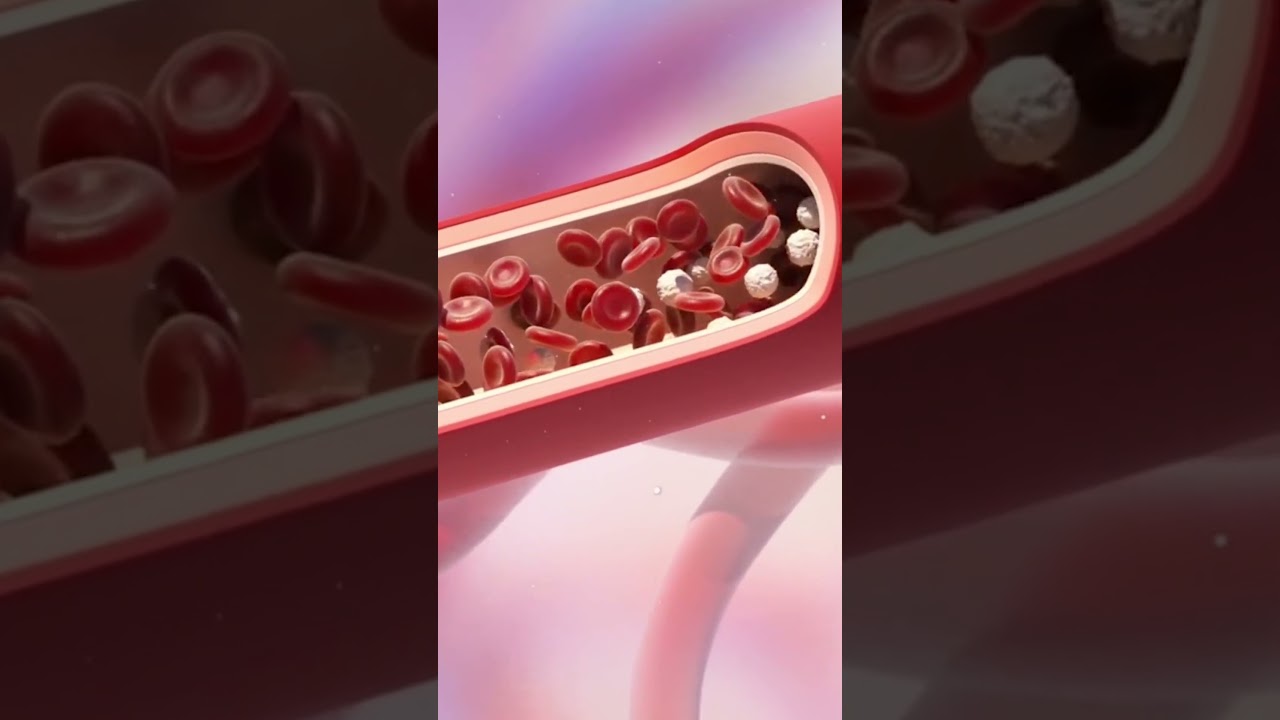
After preparation, we introduce the stem cells into the patient’s body through a controlled medical procedure, usually through intravenous infusion. This allows the cells to circulate in the bloodstream and reach areas where immune imbalance exists.
- Immune System Regulation
Once inside the body, stem cells begin interacting with immune cells. They release bioactive molecules that help calm excessive immune reactions and support a more balanced immune response.
- Support for Tissue Repair
Stem cells also release growth factors and anti-inflammatory signals. These signals help protect thyroid tissue and encourage the repair of damaged cells, improving overall gland function.
- Healing and Long-Term Monitoring
Over time, these regenerative processes may support better hormonal balance and improved wellbeing. At the Best stem cell clinic for Hashimoto’s disease in India, we also monitor patients regularly to track progress and ensure safe recovery.
The foundation on which we build our entire practice is the provision of reliable and patient-centered care. At Stem Cell Care India, our commitment is to assist individuals in a safe and innovative manner with the help of advanced stem cell therapy for Hashimoto’s disease Delhi. We are aware that the management of this condition is not easy, and this is the reason why we are committed to providing a treatment plan that is centered on patient safety, comfort, and overall improvement. As a trusted stem cell specialist for Hashimoto’s disease in India, we are committed to providing therapy that meets strict medical standards and internationally accepted clinical practice.
Our Role at Stem Cell Care India
At Stem Cell Care India, we are committed to providing a regenerative therapy that will help the body heal naturally. We study the patient’s health condition and then plan the therapy. We study the patient’s medical history, the symptoms he or she is experiencing, and the treatment the patient has undergone in the past, and then we are able to provide the stem cell therapy.
We are a certified stem cell treatment center for Hashimoto’s disease in India and are committed to providing a safe and monitored stem cell therapy using advanced stem cell therapy in Hashimoto’s disease in Delhi, with the intention of creating a balance in the body and promoting overall well-being.
Actions We Take Before the Therapy
Before the initiation of the therapy, a thorough medical check-up is done to ensure the therapy is appropriate for the patient. In this regard, diagnostic procedures, blood tests, and consultations with our specialists are done. This ensures we are aware of the patient’s medical condition and the most appropriate way to assist them. In addition, the patient is made aware of the entire therapy procedure, the benefits, and the precautions to take. In this way, we are able to provide the patient with the best care as a trusted stem cell specialist for Hashimoto’s disease in India.
One of the important steps in planning for high-end medical treatments is to understand the cost of the treatment. At Stem Cell Care India, we strive to ensure that our clients receive affordable stem cell therapy for Hashimoto’s disease India while ensuring the quality of the medical treatments. The cost of the therapy may vary as each patient’s medical needs, test results, and treatment outcomes may differ.
Major Factors That Influence the Pricing
- Patient’s Medical Condition: The patient’s medical condition and the severity of the disease may also affect the complexity of the treatment and the level of support the patient needs.
- Diagnostic Tests and Evaluation: Before providing the patient with the therapy, we conduct a number of diagnostic tests and evaluations to assess the patient’s condition, which may affect the overall treatment.
- Type and Quantity of Stem Cells Used: The quantity of stem cells used in the therapy also varies with the patient, as the patient’s needs are different in this context.
- Treatment Duration and Monitoring: Some patients may also require longer periods of monitoring and support during the therapy.
- Personalized Treatment Protocol: We provide a unique and customized treatment protocol to each patient, as designed by our experts.
What Our Treatment Package Includes?
- Comprehensive Medical Evaluation: We carry out detailed consultations, medical history, and tests to create the best plan of treatment.
- Stem Cell Therapy Procedure: Our package includes the entire procedure of stem cell therapy carried out under the supervision of professional medical staff.
- Hospital Facilities and Medical Care: We provide our patients with access to top-class medical facilities, professional nursing staff, and a safe medical environment throughout the course of the treatment.
- Patient Support and Monitoring: Our staff monitors the health of the patient before, during, and after the procedure to ensure safety and effectiveness of the treatment.
- Post-Treatment Guidance: We provide our patients with post-treatment guidance, lifestyle advice, and medical assistance to ensure long-term health benefits.
Every individual may respond differently to regenerative treatments, and our aim at Stem Cell Care India is to provide the best possible conditions to achieve a positive outcome. Stem cell therapy is meant to help the immune system function properly, which may help the body overcome the immune imbalance caused by thyroid problems over time.
At our center, the medical evaluation is the first step in the process. This is to understand the condition of the patient, their symptoms, and their health status. This is the initial step to evaluate whether the patient is suitable enough to undergo stem cell therapy. Our medical team studies the diagnostic reports of the patient carefully to prepare a treatment plan according to their health status.
We maintain the highest medical standards while the patient undergoes the stem cell therapy process. Our medical team ensures that the stem cells are of high quality while undergoing the process. At every step of the treatment journey, the patients are monitored to understand their progress.
Factors That Influence the Success Rate
Several factors can influence how well stem cell therapy works for Hashimoto’s disease. At our center, we carefully evaluate these elements before starting treatment.
- Overall Health Condition: We assess the patient’s overall health, immune system strength, and existing medical conditions. A stable health condition can help the body respond more effectively to regenerative therapy.
- Stage of the Disease: When treatment is started earlier, the body may respond better to therapy compared to cases where the condition has been present for a long time.
- Personalized Treatment Approach: We design individualized treatment plans based on each patient’s reports, symptoms, and medical history to support better therapeutic outcomes.
- Quality and Handling of Stem Cells: Our medical team follows strict laboratory and clinical standards to maintain the safety, purity, and effectiveness of the stem cells used.
- Lifestyle and Nutritional Habits: Healthy diet, proper rest, and stress management can support the body’s recovery and improve the overall effectiveness of the therapy
Stem Cell Care India is a specialized medical center that focuses on providing advanced regenerative treatments for many chronic conditions. We work with a team of experienced doctors, medical researchers, and trained healthcare staff who aim to deliver safe and modern therapy options. Our center follows proper medical guidelines and uses carefully prepared stem cells for treatment procedures.
We focus on patient safety, detailed medical evaluation, and personalized treatment plans for every patient. Our goal is to support the body’s natural healing ability through regenerative medicine. At our center, we provide Hashimoto’s disease stem cell treatment in Delhi with proper care, advanced technology, and continuous patient support throughout the treatment process.
Benefits You Will Get From Us
If you choose Hashimoto’s disease stem cell treatment Delhi at Stem Cell Care India, we provide several patient support services that make the treatment process easier and more comfortable.
- International Patient Facilities: We provide complete assistance for patients coming from other countries, including travel guidance, appointment scheduling, and treatment coordination.
- Domestic Patients Support: Patients from different cities in India receive proper guidance for appointments, accommodation suggestions, and hospital visits.
- Patient Care & Services: Our medical staff closely observes all the patients during the therapy process and offers support services before, during, and after the treatment.
- Nutritional Counseling: Our staff offers expert advice on diet, which helps the body during the treatment and enhances overall health.
- Indian Travel Help Desk: Our help desk services facilitate the patients with all the necessary travel and transport arrangements they need to make during their visit.
- Patient Information Form: Before undergoing the treatment, our staff carefully examines the medical history of the patient by asking for a detailed information form, as this helps us plan the therapy session correctly.
- Patient Diet Plans: Diet plans are recommended for the best results and for the body’s best response to the treatment.
- Regular Follow-Up Care: After the therapy, we keep a check on the patients and offer medical guidance to ensure the results are sustained and improvements are made over time.
At Stem Cell Care India, the first priority is the safe and reliable treatment of the patient. We adopt strict quality control measures at each step of the treatment process. We ensure that each step of the treatment is carried out with high standards of medicine and technology, along with proper control and monitoring. While providing the treatment of Advanced Hashimoto’s Disease stem cell therapy Delhi to the patients, we ensure that each step of the treatment is properly controlled, verified, and supervised by the experts.
- Detailed Patient Evaluation:
Before we begin the therapy, we conduct thorough medical tests and evaluations. This helps our experts understand the patient’s condition, ensuring that the therapy is appropriate and safe for the patient.
- Certified Laboratory Standards:
Our stem cells are processed in well-equipped laboratories that adhere to strict international standards of quality and safety.
- Sterile Processing and Handling:
Our team ensures that the stem cells are processed in a completely sterile environment. This helps maintain the purity of the stem cells, ensuring that they remain untainted.
- Cell Viability, Strength, and Quality Testing:
Before we use the stem cells for the therapy, we test the viability, strength, and quality of the cells. This ensures that only healthy, strong, and active cells are used for the therapy.
- Experienced Medical Supervision:
The treatment process is monitored by experienced medical experts, including doctors and specialists, who ensure the safety and proper administration of the therapy.
- Continuous Patient Monitoring:
The patient’s health is monitored continuously during and after the treatment to ensure proper recovery and the best possible medical attention.
Generally, positive health changes are usually the primary goal when patients seek advanced medical therapies. Our method is centered on enhancing the body’s healing process, along with the overall body balance. Stem cell therapy is used to assist the immune system, while at the same time enhancing a healthier thyroid. Even though the outcome varies from one person to another, a majority of individuals tend to experience positive changes in their health and comfort after the procedure. Results of the treatment using stem cell therapy:
- Improved Immune System Balance: This is where stem cells assist the immune system in balancing it reducing abnormal immune system reactions, especially concerning the thyroid.
- Improved Thyroid Activity: Some patients tend to experience better thyroid activity, which enables the body to better manage hormone balances.
- Reduced Body Inflammation: The stem cells assist in reducing body inflammation leading to healthier body tissues.
- Increased Energy Levels: Patients may experience reduced fatigue and more energy for their daily activities.
- Better Metabolism Support: The balance of the thyroid may help the body maintain a healthy metabolism and overall well-being.
- Increased Quality of Life: Patients may experience a more active and confident lifestyle with improved energy, comfort, and body balance.
For many years I struggled with fatigue, weight changes, and constant weakness because of Hashimoto’s disease. I decided to travel to India for treatment at Stem Cell Care India. The doctors were very supportive and explained every step clearly. After the therapy, I slowly started feeling better energy and improved overall health. My daily life has become easier, and I feel hopeful again. I truly appreciate the care and attention I received. —Joseph Mwakaleli, Tanzania
Living with Hashimoto’s disease affected my energy, mood, and overall health. After researching different options, I chose Stem Cell Care India for treatment. The medical team was very kind and professional throughout the process. Following the therapy, I noticed gradual improvement in my energy levels and overall well-being. I feel more active and positive about my health now. I am thankful to the doctors and staff for their dedication and care. —Asha Ramdin, Mauritious
I came to India looking for an advanced treatment for my Hashimoto’s condition. At Stem Cell Care India, the doctors carefully evaluated my health before starting therapy. The entire process was well organized and comfortable. After the treatment, I experienced better energy levels and improved daily functioning. I feel more balanced and healthier now. I am grateful for the professional care and support I received from the medical team. —Reza Farhadi, Iran
Hashimoto’s disease made me feel constantly tired and affected my daily activities. I decided to try stem cell therapy at Stem Cell Care India after learning about their experience. The doctors were knowledgeable and explained everything in simple terms. After the therapy, I began to feel more energetic and healthier. My quality of life has improved, and I feel more confident about managing my condition. —Daniel Ben-Ami, Israel
Before coming to Stem Cell Care India, I struggled with many symptoms related to Hashimoto’s disease. The doctors provided detailed consultation and personalized care during my treatment. After receiving stem cell therapy, I noticed gradual improvements in my energy and overall health. I feel more active and positive now. The entire team was supportive throughout my journey, and I am thankful for their excellent medical care. —Karim Haddad, Lebanon
Another important aspect of the recovery process after stem cell therapy is the follow up care. At Stem Cell Care India, we monitor each patient after the therapy to ensure that the body is responding well to the therapy. Therefore, we remain in touch with our patients after the therapy and guide them through the recovery process.
After the therapy, the patient is advised to have regular follow up sessions. These sessions also help our specialists understand the response of the immune system, along with the thyroid, to the stem cell therapy. At Stem Cell Care India, we review the medical report, discuss the progress of the patient, and suggest changes if necessary.
Patients are asked to provide information about their blood test results and health updates at regular intervals. This helps our doctors monitor the improvements and ensure that the treatment is helping the body heal itself. We also offer online support from our medical team for our international and domestic patients.
We also advise the patient on healthy dietary habits, the need for proper rest, and ways to manage stress levels, which also contribute to the success of the treatment. The main aim of the follow-up treatment at Stem Cell Care India is to ensure the health improvements and satisfaction of the patient after receiving stem cell therapy for Hashimoto’s Disease.
Stem cell therapy for Hashimoto’s disease is an advanced medical approach that aims to support immune balance and improve overall health. However, the results of this treatment may vary from patient to patient. Each individual has a different medical condition, immune response, and lifestyle, which can influence the outcome of the therapy.
This treatment is not guaranteed to cure Hashimoto’s disease. It is designed to support the body’s natural healing process and may help improve symptoms and quality of life. The success of the therapy also depends on factors such as the stage of the disease, the patient’s overall health, and how well the patient follows medical advice after the procedure.
All patients are advised to consult with qualified medical professionals before starting treatment. Proper medical evaluation, diagnostic tests, and personalized treatment planning are important to determine whether stem cell therapy is suitable for the patient. Regular follow-ups and medical guidance are also necessary during and after the treatment.
Ask Your Query
Conclusion:
Hashimoto’s disease is a complicated autoimmune disease, and it affects the regular functioning of the thyroid glands, which may impact other aspects of human health. The development of Hashimoto’s disease is a slow process, and it may result in several health issues, such as fatigue, weight changes, mood changes, and low energy levels. Proper medical attention is necessary for the management of the disease and maintenance of proper hormonal functions in the body of an individual with Hashimoto’s disease.
Currently, with the development of regenerative medicine, several new approaches are being introduced for the management of Hashimoto’s disease, and stem cell therapy for Hashimoto’s disease in India is being considered a promising approach, as it may regulate the immune system and repair damaged tissues of the thyroid glands in affected individuals.
Stem Cell Care India is a medical center where proper medical attention is being provided to affected individuals, and with proper medical guidance, affected individuals may adopt several habits to improve their health and overall well-being despite being affected by Hashimoto’s disease.
References
PubMed – Mesenchymal Stem Cells and Autoimmune Thyroiditis — This research explains how mesenchymal stem cells may reduce inflammation and immune system activity in autoimmune thyroiditis by influencing immune pathways and macrophage behavior.
Mesenchymal stem cells alleviate autoimmune thyroiditis by modulating macrophage phenotypes
PubMed Central / European Thyroid Journal – Stem Cells in Autoimmune Thyroiditis — This study found that bone-marrow-derived stem cells may improve thyroid inflammation and regulate immune responses involved in Hashimoto’s thyroiditis.
Potential of bone marrow mesenchymal stem cells in iodine‑induced autoimmune thyroiditis therapy
PubMed – Immune Regulation by Stem Cells in Hashimoto’s Thyroiditis — Research suggests stem cells may regulate immune cells (Th17 and Treg), helping reduce autoimmune damage in thyroid tissue.
Therapeutic effect of mesenchymal stem cells on Hashimoto’s thyroiditis by modulating Th17/Treg balance
Treatment Disclaimer:
We provide consultation, case evaluation, and patient support services in the field of regenerative medicine. As per current medical guidelines in India, stem cell-based interventions (other than approved indications) are considered investigational and are available only within regulated clinical research settings. For patients exploring broader options, we also assist in facilitating access to treatment pathways, including internationally accredited centers where different regulatory frameworks may apply.