


Skip to content
01
02
03
04
05
06
07
08
09
Watch


On Stem Cell Care India



Quick answer
One of the most known stem cells are mesenchymal stem cells which can be proven beneficial for regenerative stem cell-based therapies. These cells can do several things because of which they provide promising results to treat various medical conditions. MSCs are categorized as adult stem cells with properties such as self-renewal, immunomodulatory, anti-inflammatory, signaling, and differentiation.
Mesenchymal Stem Cells (MSCs) — Quick Facts
| Aspect | What to expect |
|---|---|
| Category | Adult stem cells (not derived from embryonic material) |
| Common sources | Bone marrow, adipose (fat) tissue, umbilical cord tissue, liver, dental pulp, skin, blood |
| Key properties | Self-renewal, immunomodulatory, anti-inflammatory, signaling, differentiation |
| Most-studied source comparison | BMSCs, ADSCs, and UC-MSCs (see comparison table below) |
01Knowing About Mesenchymal Stem Cells
Stem cells are the best building buddies of our body and can transform into other types of cells.
One of those stem cells are mesenchymal stem cells. MSCs are categorized as adult stem cells that have several properties such as self-renewal, immunomodulatory, anti-inflammatory, signaling, and differentiation. If we talk about MSCs self-renewal properties, then this is categorized as an ability in which they divide and transform into various types of specialized cells.
These cells can be obtained from various tissues within the body such as bone marrow, adipose tissue (fat), umbilical cord tissue, liver, dental pulp, skin, and blood.
Clinical Application
As you know, MSCs have several properties such as self-renewable, differentiation, anti-inflammatory, and immunomodulatory by which they can be useful for the treatment of various diseases. Two types of studies — in-vitro (studies performed in labs) and in-vivo (performed in a living organism) — provide the support to understand the mechanism, safety, and efficacy of MSC therapy in clinical applications.
02Adipose-Derived Mesenchymal Stem Cells (ADSCs)
Topic 02 of 9Skip ahead: Bone Marrow-Derived MSCs (BM-MSCs)
Cells that can be taken in large numbers, and are very active.
Mesenchymal stem cells which are derived from adipose tissue are the cells that can be taken in large numbers. These cells are very active and can be taken with the help of a procedure known as liposuction.
ADSCs are shown to be more effective and better if derived from a younger donor rather than an old one. If an older patient undergoes a procedure where their cells are used, then it will create problems for them — older patients' cells may not be as good at staying alive in the recipient's body for a long time. Stem cells taken from fat of younger people grow faster after being transplanted than those from older people. However, even as people age, these cells can still turn into different types of cells, which makes them better than stem cells from bone marrow for certain purposes.
ADSCs can still turn into cells from the middle layer of the body (mesoderm). They're also known for not causing much of an immune response and for being able to change how the immune system works. Less than 1 out of 100 of them showed the HLA-DR protein on their surface, which helps suppress the immune system. This makes them useful for treating immune disorders that don't respond to regular treatments, and for transplants between people who aren't related.
Many people agree that ADSCs can help treat lots of different health problems. Moreover, ADSCs can be a good option for the majority of orthopedic procedures. Applications such as arthritis, knee discomfort, spinal cord injuries, localized joint inflammation, and other musculoskeletal problems are frequently seen.
Still, there are several difficulties in using ADSCs in a therapeutic context. These difficulties include restricted differentiation capacities, protocol standardization, and proliferative restrictions related to cell age.
03Bone Marrow-Derived MSCs (BM-MSCs)
Multipotent adult stem cells used to treat various medical conditions.
Bone marrow-derived mesenchymal stem cells (BM-MSCs) are from the multipotent adult stem cells category, which have various properties such as self-renewable, differentiation, and immunomodulatory, and can be used to treat various medical conditions and diseases.
Research conducted both in vitro and in vivo have provided evidence for the mechanisms, safety, and effectiveness of BM-MSC therapy in clinical settings. Phase I and II clinical trial numbers are increasing, but they are constrained by subject size restrictions, rules, and guidelines for the manufacture, transportation, and administration of BMSCs. As a result, therapeutic outcomes and inputs are inconsistent.
Limitations
The extraction of bone marrow is an extremely intrusive and unpleasant surgery that necessitates several days of hospital stay under general anesthesia. Only 0.002% of stromal (stem) cells are BM-MSCs, making them an uncommon population whose isolation is dependent on the patient's condition and the amount of material taken.
The quantity and quality of these cells reduce with age, similar to ADSCs. When using an allogeneic (cells from a third party) treatment, BM-MSCs from younger donors are probably more viable. When older individuals undergo autologous procedures, this could become problematic because the recipient's older cells might not be as well-suited for long-term survival — a problem described by Chu et al. in a 2020 study.
Many diseases can be treated by BM-MSCs, as proven by various clinical trials and tests. BM-MSC therapy is currently being used to treat injuries sustained in sports, neurological illnesses, and osteoarthritis.
04Umbilical Cord Tissue-Derived Mesenchymal Stem Cells (UC-MSCs)
A non-invasive, rich source of mesenchymal stromal cells.
The peri-vascular zone of the umbilical cord, Wharton's jelly, and the cord lining are some of the sources of UC-MSCs. Since the umbilical cord is frequently discarded tissue, it is a rich source of mesenchymal stromal cells that can be collected non-invasively.
These cells come with various abilities and one of those is differentiation. UC-MSCs have the ability to divide themselves into different types of cells with a heavy proliferation rate of the three types of stem cells (adipose, bone marrow, cord tissue).
Like MSCs produced from bone marrow and adipose tissue, UC-MSCs are known to secrete chemokines, cytokines, and growth factors that enhance various cell healing pathways. All of these roles support MSCs' immunomodulatory and anti-inflammatory capabilities.
Non-Invasive Cell Product
UC-MSC harvesting is a non-invasive process because the patient does not need to be extracted. The MSCs are extracted straight from a section of a human umbilical cord that has been ethically donated. Because UC-MSCs proliferate more efficiently in vitro than BMSCs and ASCs do, it is possible to obtain higher cell numbers with more efficiency. Research has revealed that UC-MSCs exhibited upregulation (an increase in the number of receptors) of genes linked to cell proliferation (EGF), the PI3K-NFkB signaling pathway (TEK), and neurogenesis (RTN1, NPPB, and NRP2).
05Comparison Between BMSCs, ADSCs, and UC-MSCs
How the three most-studied sources compare.
| Characteristics | BMSCs | ADSCs | UC-MSCs |
|---|---|---|---|
| Process of harvesting | Invasive | Invasive | Non-invasive |
| Age effect | Decline of quantity and quality | Decline of quantity and quality | Unaffected |
| Potency | Lower | Lower | Higher |
| Cell renewal capabilities | Lower proliferative potential | Lower proliferative potential | Higher proliferative potential |
| Expression of embryonic markers | Lower | Lower | Higher |
| Immune modulatory properties | Good | Good | Good |
| Rejection of allogeneic cell | No | No | No |
| Tumorigenicity risk | No | No | No |
06Mechanism of Mesenchymal Stem Cells in the Body
Topic 06 of 9Skip ahead: How MSCs Locate Tissues in Need
How MSCs use their core properties to improve tissue function.
Mesenchymal stem cells use their properties — self-renewal, immunomodulatory, anti-inflammatory, signaling, and differentiation — to improve the functioning of body tissue. The self-renewal property of MSCs can be beneficial to treat various medical conditions and disorders because they can divide themselves into several specialized types of cells. Since mesenchymal stem cells are adult stem cells and are not derived from embryonic material, they do not raise any ethical issues.
Immunomodulatory
Mesenchymal stem cells (MSCs) help control the immune system. They can boost the immune response when it is too weak and reduce inflammation when it is too strong. These cells are the best option to fight autoimmune disorders which may destroy your own immune system. A 2013 study by Bernardo et al. claims that MSCs induce an immune-suppressive response to reduce inflammation and support tissue homeostasis in response to exposure to high concentrations of pro-inflammatory signals (cytokines).
Anti-Inflammatory
Inflammation is how the immune system reacts to protect the body from harmful things and helps in healing and repairing the body. On the other hand, when inflammation is dysregulated, the body may suffer. Long-term immunological dysregulation can result in a number of autoimmune diseases, including lupus, multiple sclerosis, type 1 diabetes, and inflammatory bowel disease.
According to a Gugjoo report from 2020, “MSCs from different sources reduce inflammation by decreasing production of tumor necrosis factor-α (TNF-α) and Interferon-γ (IFN-γ) and increasing Prostaglandin (PGE2) and Interleukin-6 (IL-6) secretion.”
MSC Secretome and Extracellular Vesicles
The healing effects of mesenchymal stem cells are not just because they can turn into different types of cells and replace damaged tissues. They also help by releasing substances that assist in healing through nearby cell signaling. The MSC secretome is a collection of active substances that are released into the body, including proteins that affect cell communication (cytokines), proteins that help cells grow (growth factors), small particles released by cells (extracellular vesicles), proteins that support nerve cells (neurotrophins), and other soluble proteins, fats (lipids), and genetic material (nucleic acids).
A 2016 study by Arutyunyan and colleagues found that UC-MSCs release more helpful proteins for nerve growth, like bFGF, NGF, NT3, NT4, and GDNF, than stem cells from bone marrow (BM-MSCs) or fat tissue (AT-MSCs). UC-MSCs also release a lot more important substances like G-CSF, GM-CSF, LIF, IL-1α, IL-6, IL-8, and IL-11, which help with cell growth and immune system function, compared to BM-MSCs.
07How MSCs Locate Tissues in Need
Topic 07 of 9Skip ahead: Differentiation
A natural ability to find and travel to specific areas of the body that need help.
One big advantage of mesenchymal stem cells is that they can find and go to specific areas in your body that need help because they have a natural ability to do so. These cells are injected into the bloodstream and then leave the blood to move to the part which is injured or damaged.
A study conducted by Ulah in 2019 has shown that there are many steps which include the control of systemic homing processes by specific molecules interacting with each other. “The process of systemic homing can be split into five steps: tethering and rolling, activation, arrest, transmigration or diapedesis, and migration.”
08Differentiation
Topic 08 of 9Skip ahead: Unique Features of MSCs
The ability to become different types of cells.
Mesenchymal stem cells have the ability to differentiate into different types of cells because these are multipotent stem cells and have self-renew properties. In simple words, MSCs can divide themselves and become a variety of cell types such as adipose tissue, cartilage, muscle, tendon/ligament, bone, neurons, and hepatocytes.
According to a 2016 study conducted by Almalki et al., “The differentiation of MSCs into specific mature cell types is controlled by various cytokines, growth factors, extracellular matrix molecules, and transcription factors (TFs).”
Mesenchymal stem cells help fix and grow tissues. They keep the body balanced and working well, adjust to changes in metabolism or environment, and repair damaged tissues.
The functions of mesenchymal stem cells are being studied in great detail. Researchers can learn about their many properties, including immunomodulatory, anti-inflammatory, self-renewal, signaling, and differentiation, through studies and clinical trials. MSCs can be employed as a professional medical instrument to treat various medical illnesses or disorders because of these qualities.
Research suggests that mesenchymal stem cells (MSCs) from umbilical cord tissue (UC-MSCs) might be more powerful than MSCs from other sources, which could make them more effective for medical treatments.
09Unique Features of MSCs
Topic 09 of 9
A major consideration in the field of regenerative medicine.
Self-Renewal
Their number can be increased as they can divide and produce more healthy cells one by one.
Immunomodulatory Effects
Their help is essential for the immune system to become balanced and for harmful immune reactions to subside.
Anti-Inflammatory Actions
By lowering inflammation, the injured tissues become able to heal more rapidly.
Have a question about your own case?Share your medical reports for a free, doctor-reviewed opinion — no obligation.
Strong Signaling Capabilities
They signal other cells to come and start the repair and recovery processes.
Differentiation Potential
They are capable of becoming any one of the different cell types in the human body, such as bone, cartilage, or muscle cells.
At present, some studies suggest that umbilical cord–derived MSCs (UC-MSCs) might have a faster proliferation rate and more potent regenerative abilities than those of fat tissue or bone marrow–derived MSCs. Hence, UC-MSCs are gradually turning into a viable source of medical and regenerative treatments of the future.
Want the science explained for your specific case?
Send your diagnosis and reports and our medical team will explain how the research applies to you — free, no obligation.
Related Videos
More videos from the Stem Cell Care India team and our patients.
Exosome Therapy for Nerve Pain & Neuropathy: A Complete Guide | Regenerative Therapy
How Do We Choose The Right Stem Cells For Each Patient?
How to Choose the Right Stem Cell Clinic in India
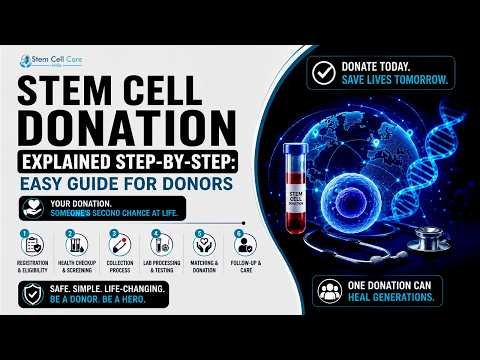
Stem Cell Donation Explained Step-by-Step | Easy Guide for Donors | Life-Saving Procedure 2026
Frequently Asked Questions
Straight answers to what people usually ask about mesenchymal stem cells.
What makes mesenchymal stem cells useful for regenerative therapy?+
One of the most known stem cells are mesenchymal stem cells, which can be proven beneficial for regenerative stem cell-based therapies. MSCs are categorized as adult stem cells with properties such as self-renewal, immunomodulatory, anti-inflammatory, signaling, and differentiation.
Which source of MSCs is considered most potent?+
At present, some studies suggest that umbilical cord–derived MSCs (UC-MSCs) might have a faster proliferation rate and more potent regenerative abilities than those of fat tissue or bone marrow–derived MSCs.
What are mesenchymal stem cells?+
Mesenchymal stem cells (MSCs) are multipotent adult stem cells capable of developing into bone, cartilage, and fat cell lineages, and known for their signalling and immune-modulating properties.
Where do MSCs come from?+
MSCs are most commonly sourced from bone marrow, adipose (fat) tissue, and consented umbilical cord tissue.
Why are MSCs the most commonly used stem cell type?+
MSCs are relatively easy to obtain, well studied, and have a favourable safety profile combined with useful signalling and anti-inflammatory properties.
What conditions are MSCs used for?+
MSCs are used and studied across orthopaedic conditions, autoimmune conditions, general regenerative applications, and are being researched for certain neurological conditions.
Are bone marrow or fat-derived MSCs better?+
Neither is universally better — the choice depends on the case, required cell yield, and patient factors.
Can MSCs cross the blood-brain barrier?+
This is an active area of research — MSC interaction with the blood-brain barrier is discussed in detail on our dedicated page.
Do MSC treatments guarantee results?+
No, MSC-based treatments remain investigational for many conditions, and outcomes are not guaranteed for any individual patient.
Do patients ask about exosome therapy for Retinal Detachment when researching mesenchymal stem cells (MSCs)?+
Some do. Patients reading about MSC-based treatment sometimes also ask about Exosome Therapy for Retinal Detachment, since vision loss from a detached retina is one area where exosome-based options are considered alongside standard protocols.
How does mesenchymal stem cells (MSCs) connect to exosome therapy for Retinopathy?+
They're related but distinct. This page covers MSC-based treatment, while Exosome Therapy for Retinopathy is a condition-specific treatment page for patients dealing with retinal blood-vessel damage, often diabetes-related; the clinical team can advise on how the two fit together.
Can I read about exosome therapy for Diabetic Neuropathy here?+
This page focuses on MSC-based treatment, not on any one condition. For nerve pain and numbness from diabetes, see the dedicated Exosome Therapy for Diabetic Neuropathy page.
Is mesenchymal stem cells (MSCs) relevant to exosome therapy for Muscular Dystrophy?+
It can be. Exosome Therapy for Muscular Dystrophy is a separate regenerative option some patients researching progressive muscle weakness look into alongside mesenchymal stem cells (MSCs), assessed case-by-case during a free medical evaluation.
Do patients ask about exosome therapy for Osteoporosis when researching mesenchymal stem cells (MSCs)?+
Some do. Patients reading about MSC-based treatment sometimes also ask about Exosome Therapy for Osteoporosis, since low bone density and fracture risk is one area where exosome-based options are considered alongside standard protocols.
How does mesenchymal stem cells (MSCs) connect to exosome therapy for Parkinson’s Disease?+
They're related but distinct. This page covers MSC-based treatment, while Exosome Therapy for Parkinson’s Disease is a condition-specific treatment page for patients dealing with tremor, rigidity, and movement symptoms; the clinical team can advise on how the two fit together.
Can I read about exosome therapy for Rheumatoid Arthritis here?+
This page focuses on MSC-based treatment, not on any one condition. For autoimmune joint inflammation, see the dedicated Exosome Therapy for Rheumatoid Arthritis page.
Is mesenchymal stem cells (MSCs) relevant to exosome therapy for Sciatic Nerve Injury & Sciatica?+
It can be. Exosome Therapy for Sciatic Nerve Injury & Sciatica is a separate regenerative option some patients researching sciatic nerve pain radiating down the leg look into alongside mesenchymal stem cells (MSCs), assessed case-by-case during a free medical evaluation.
Do patients ask about exosome therapy for Shoulder Injury when researching mesenchymal stem cells (MSCs)?+
Some do. Patients reading about MSC-based treatment sometimes also ask about Exosome Therapy for Shoulder Injury, since rotator cuff and shoulder joint damage is one area where exosome-based options are considered alongside standard protocols.
How does mesenchymal stem cells (MSCs) connect to exosome therapy for Spinal Cord Injury?+
They're related but distinct. This page covers MSC-based treatment, while Exosome Therapy for Spinal Cord Injury is a condition-specific treatment page for patients dealing with loss of motor or sensory function after cord damage; the clinical team can advise on how the two fit together.
Can I read about exosome therapy for Spinal Muscular Atrophy here?+
This page focuses on MSC-based treatment, not on any one condition. For motor-neuron loss and progressive weakness in SMA, see the dedicated Exosome Therapy for Spinal Muscular Atrophy page.
Is mesenchymal stem cells (MSCs) relevant to exosome therapy for Sports Injuries?+
It can be. Exosome Therapy for Sports Injuries is a separate regenerative option some patients researching soft-tissue and joint injuries from athletic activity look into alongside mesenchymal stem cells (MSCs), assessed case-by-case during a free medical evaluation.
Do patients ask about exosome therapy for Systemic Lupus when researching mesenchymal stem cells (MSCs)?+
Some do. Patients reading about MSC-based treatment sometimes also ask about Exosome Therapy for Systemic Lupus, since autoimmune inflammation affecting multiple organs is one area where exosome-based options are considered alongside standard protocols.
How does mesenchymal stem cells (MSCs) connect to exosome therapy for Wound Healing?+
They're related but distinct. This page covers MSC-based treatment, while Exosome Therapy for Wound Healing is a condition-specific treatment page for patients dealing with slow-healing or chronic wounds; the clinical team can advise on how the two fit together.
See also:MSCs and the blood-brain barrierThe science behind stem cell therapyAbout stem cellsStem cell processingFull FAQ
Continue Exploring
Related reading, picked for this page.
Science
What Are Stem Cells? A Complete Beginner's Guide
Science.
Read more Stem Cell TherapyMesenchymal Stem Cell (MSC) Therapy in India
Mesenchymal stem cell therapy India.
Read more ScienceMesenchymal Stem Cells and the Blood-Brain Barrier
Science.
Read more Patient GuideStem cell treatment in India: costs, care tiers,…
International patient guide.
Read more About UsAbout Stem Cell Care India: Our Story, Team &…
About Us.
Read more Get StartedAppointment
Book appointment stem cell care India.
Read moreAbout this guide: This page is written, reviewed, and medically approved as credited above. Content reflects the investigational status of stem cell and exosome applications under India's National Ethical Guidelines for Biomedical and Health Research (ICMR, 2017) and is not a substitute for individualized medical advice. See our full treatment disclaimer for details.
Keep exploringWhy Mesenchymal Stem Cells Are Used So OftenProduction of Stem Cells5 Myths About Stem Cells: What Science Actually SaysMesenchymal Stem Cell (MSC) Therapy in IndiaStromal Vascular Fraction (SVF) Cells Explained
Explore related topics
More depth on the subjects covered in this guide.
MSCs and the Blood-Brain Barrier
MSCs in neurological applications.
What Are Stem Cells?
The full picture, beyond MSCs.
How to Choose the Right Cells
How source and type are decided.
The Science Behind Therapy
The mechanisms MSCs rely on.
Totipotent & Pluripotent Cells
Where MSCs sit on the potency spectrum.
The Body's Stem Cell Bank Account
Where the body keeps its stem cell reserve, and how it's drawn on.
Stem Cell Activators
What they are, and where the evidence stands.
Embryonic Stem Cell Therapy
A different, non-adult source of stem cells, explained.
Sources of Adult Stem Cells
Bone marrow, fat, blood, and cord tissue compared.
Still have a question?
Every case is different. A free medical evaluation gets you a direct, physician-reviewed answer for your specific condition — typically reviewed within about 7 working days.
Keep reading
Articles You May Interest
Watch
Related Videos


Ready to take the next step?
Talk to a case coordinator about your specific condition and treatment options.
24–48hFrom sending your reports to a doctor-reviewed answer
10,000+Patients treated across 65+ countries
4.9 / 5From 196+ verified Google reviews
Sources & Further Reading
Independent public sources for checking the evidence yourself. The PubMed and ClinicalTrials.gov links open live database searches, so results update as new research is published. Listing a source here is not an endorsement of any treatment.